先发制人

Search documents
伊核问题的前世今生:“核模糊+先发制人”,以色列如何确立自身核策略
Huan Qiu Shi Bao· 2025-07-01 22:46
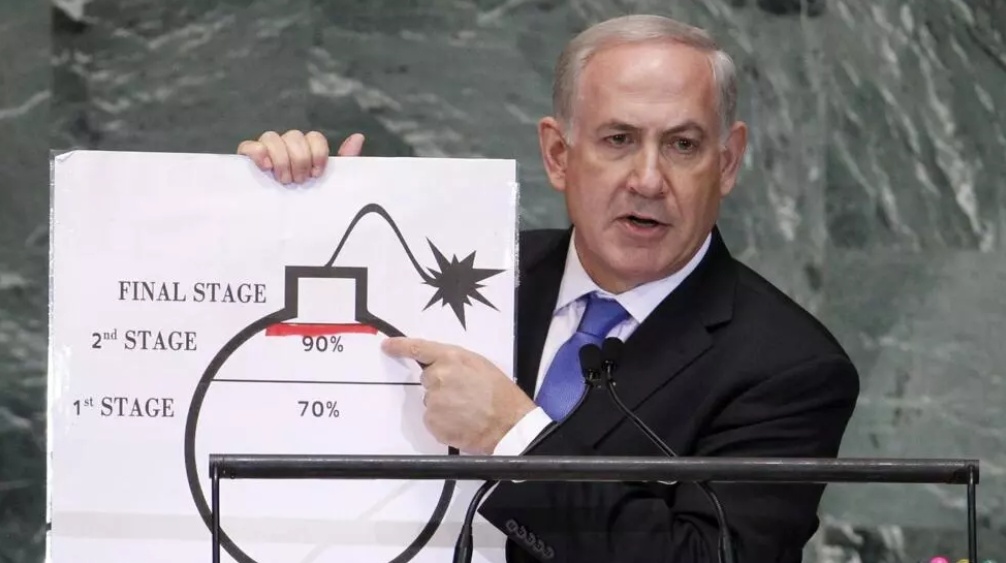
Core Viewpoint - The article discusses Israel's nuclear strategy, highlighting its historical context, development, and implications for regional security, particularly in relation to Iran's nuclear program [1][11]. Group 1: Historical Context of Israel's Nuclear Program - Israel's interest in nuclear weapons dates back to its founding in 1948, driven by historical traumas and the need for "ultimate deterrence" [2][6]. - The Israeli Atomic Energy Commission was established in 1952, and by the late 1950s, Israel began secretly advancing its nuclear program with significant assistance from France [2][3]. - By 1967, Israel had successfully assembled its first nuclear device, marking a significant milestone in its nuclear capabilities [3]. Group 2: Nuclear Ambiguity and Strategic Considerations - Israel's "nuclear ambiguity" strategy allows it to neither confirm nor deny its nuclear arsenal, enhancing deterrence while avoiding international scrutiny [4]. - This strategy is underpinned by three main considerations: enhancing deterrence credibility, evading international condemnation, and maintaining technological freedom [4]. - The 1969 understanding with the U.S. solidified this approach, allowing Israel to develop its nuclear capabilities without formal acknowledgment [4]. Group 3: Military Actions and Regional Implications - Israel's military actions, such as the 1981 destruction of Iraq's Osirak reactor, exemplify its "preemptive strike" doctrine aimed at preventing adversaries from acquiring nuclear capabilities [8]. - The ongoing threat posed by Iran's nuclear program has led Israel to adopt a multi-faceted approach, including intelligence operations, targeted assassinations, and military strikes [9][10]. - Despite Israel's nuclear capabilities, its actions have complicated regional security dynamics, leading to increased tensions and potential arms races among neighboring countries [11][12]. Group 4: Future Considerations - The article suggests that Israel's aggressive nuclear strategy may lead to a security dilemma, where increased military actions provoke further retaliation and instability in the region [12]. - The long-term implications of Israel's nuclear policy could exacerbate hostilities and hinder prospects for peace, necessitating a reevaluation of its approach to regional security [12].

曾经的空战王者,F-14不该这样死去
Hu Xiu· 2025-06-18 08:28
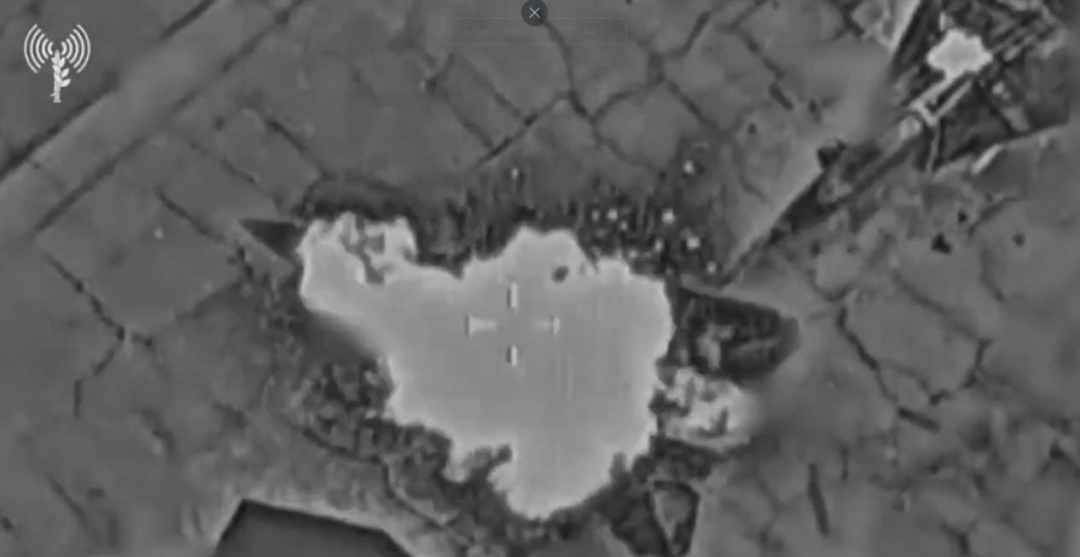
Core Viewpoint - The article discusses the downfall of the F-14 fighter jets in Iran, highlighting their historical significance and the tragic circumstances of their destruction by Israeli airstrikes, which symbolizes a broader narrative of lost military potential and strategic failure in Iran [1][20][28]. Group 1: Historical Significance of F-14 - The F-14 was a legendary fighter jet, known as the "Tomcat," and served as a formidable air defense system for the U.S. Navy during the Cold War, embodying advanced combat tactics of its time [5][9][14]. - Iran was the only foreign customer for the F-14, acquiring 79 units and achieving notable successes during the Iran-Iraq War, where it was instrumental in air combat [15][19]. Group 2: Current Status and Destruction - The two F-14s destroyed in the Israeli airstrike were non-operational and used as "organ donors" for maintaining other F-14s, indicating a decline in their operational capability [8][21]. - The destruction of these jets at Mehrabad International Airport marked a humiliating end, as they were never allowed to engage in modern air combat despite their potential [4][20][25]. Group 3: Strategic and Political Implications - The article emphasizes that the failure of the F-14s to engage in combat is not due to their technical obsolescence but rather a lack of strategic will and decision-making by Iranian leadership [22][26]. - The comparison with the Pakistani Air Force, which has demonstrated decisive action in conflicts, underscores the contrast in military strategy and operational readiness between the two nations [24][25]. Group 4: Symbolism of the F-14's Fate - The F-14's demise serves as a metaphor for the broader decline of military spirit and strategic intent within Iran, reflecting a tragic narrative of unfulfilled potential [27][28][29]. - The article concludes that the F-14, once a symbol of air superiority, ended its existence as a mere monument, highlighting the disconnect between military capability and political will [19][28].