全球产业链分工

Search documents
眼红中国1.2万亿美元顺差,WTO当众提意见:必须让利,否则别怪大家设墙
Sou Hu Cai Jing· 2026-02-18 03:21
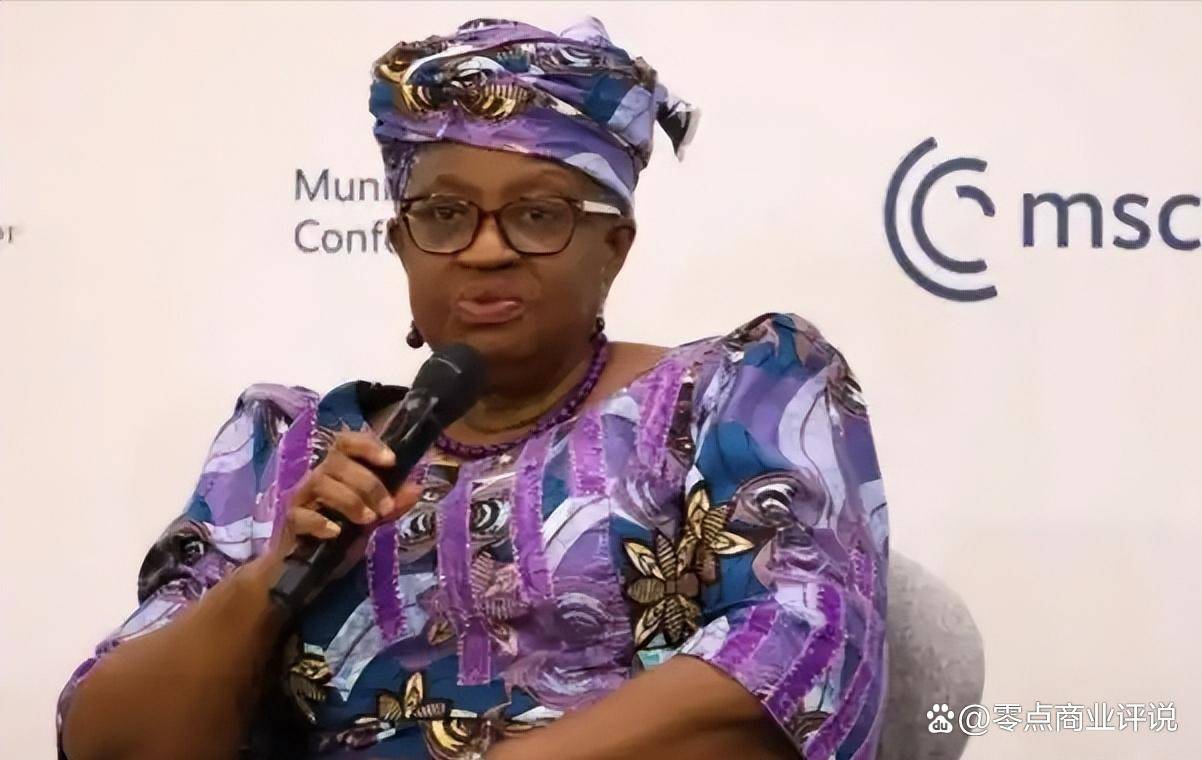
Core Viewpoint - The World Trade Organization (WTO) Director-General Ngozi Okonjo-Iweala criticized China's $1.2 trillion trade surplus as unsustainable, suggesting that if China does not take action, more trade barriers will emerge [3][8]. Group 1: Trade Surplus Analysis - In 2025, China's goods trade surplus is projected to reach $1.2 trillion, a historical first for any country [5]. - Despite a 20% drop in exports to the U.S., China managed to increase exports to ASEAN, the EU, and Africa, with Africa seeing a 25.8% increase [5]. - The resilience of Chinese manufacturing is highlighted, as it continues to thrive despite external pressures, such as tariffs from the U.S. [6]. Group 2: Global Reactions and Implications - The trade surplus has raised concerns among Western nations, with U.S. academic Prasad stating that China's surplus poses a greater threat to the free trade system than Trump's tariffs [6]. - The WTO's warning reflects the frustrations of countries like the EU and the U.S., which have already implemented countermeasures against Chinese products [8][13]. - China's trade surplus is viewed as a result of global supply chain dynamics rather than unfair practices, as many products sold globally are manufactured in China [11]. Group 3: Domestic Economic Strategies - Chinese officials, including Premier Li Qiang, have acknowledged the need for balanced trade development and are taking steps to reduce export tax rebates on certain products [9][15]. - The Chinese government aims to stimulate domestic consumption to alleviate pressure from the trade surplus, with initiatives to increase imports and support local demand [15][17]. - The narrative suggests that the trade surplus is not merely a problem but an opportunity for China to strengthen its market position and economic stability [11][15].

大结局要来,欧盟恐对华脱钩,德国外长抵京,下飞机后送出2句话
Sou Hu Cai Jing· 2025-12-09 09:22
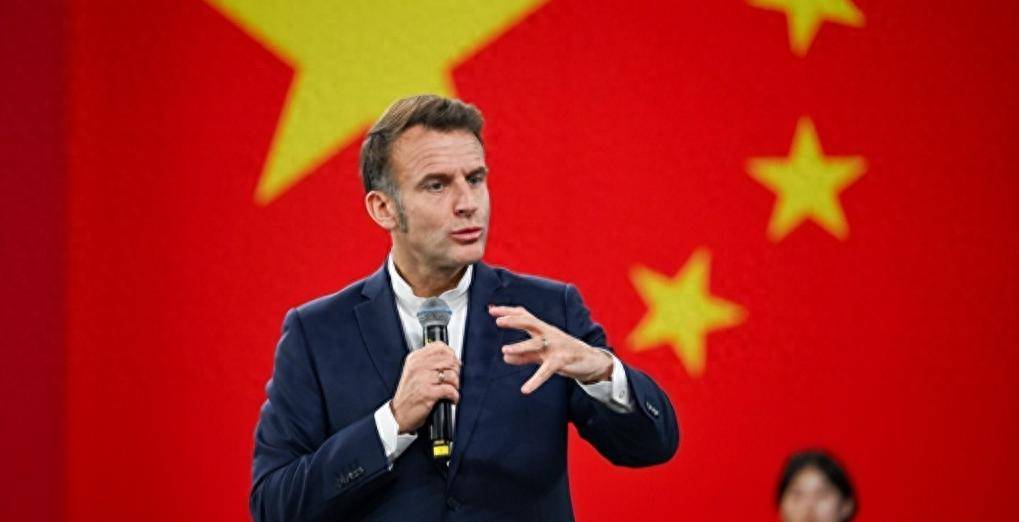
Group 1 - Macron's strong rhetoric against China highlights the unsustainable nature of the trade deficit, suggesting it is a result of dumping rather than market choices [2] - He has set a timeline for addressing the trade imbalance and threatened punitive tariffs if the situation does not improve, indicating a strategic pressure tactic [2][4] - Macron's demands include significant Chinese investment in Europe and the lifting of restrictions on critical raw materials, while maintaining export limits on semiconductor equipment, reflecting a double standard [4] Group 2 - In contrast, Germany's approach, represented by Watzke, emphasizes the necessity of direct communication and collaboration with China, rejecting the notion of decoupling [4][6] - Over 75% of German companies view China as a core growth area, indicating a deep economic interdependence that makes decoupling impractical [8] - The German economy's reliance on China is critical, as major industrial players have established significant ties, making any drastic policy changes highly detrimental [9] Group 3 - France's economic ties with China are less critical compared to Germany, allowing Macron to adopt a more aggressive stance to appease domestic concerns and seek better investment terms [11] - Macron's threats may lack substance, as they require EU consensus for implementation, which is complicated by Germany's differing stance [13] - The economic logic behind Macron's complaints is flawed, as the trade surplus reflects global supply chain dynamics, with European companies benefiting significantly from production in China [15][16] Group 4 - The notion of forcing Chinese investment in Europe as a means to balance trade is seen as outdated and contrary to market principles, distorting commercial behavior into a political obligation [18] - The EU's approach to "de-risking" is focused on specific strategic sectors rather than a comprehensive decoupling, emphasizing the need for strategic autonomy rather than complete dependence on the US [18]