分布式系统

Search documents
真没招了,Claude撞碎创业梦,华人博士开源逆袭
3 6 Ke· 2026-01-16 01:28
Core Insights - The article discusses the bold decision made by Guohao Li to open-source the Eigent project, which aims to revolutionize the AI agent landscape by enabling multi-agent collaboration and providing developers with ownership of their tools [3][14]. Group 1: Project Overview - Guohao Li, a prominent scholar with a background from KAUST and Oxford, has transitioned from working with established companies like Intel to launching the Eigent project, which is based on the Camel AI framework [1]. - The Eigent project has been fully open-sourced on GitHub under the Apache 2.0 license, allowing developers to freely use and modify the software [3][14]. Group 2: Technical Innovations - The project introduces a multi-agent architecture that redefines how AI agents operate, moving away from traditional single-agent systems to a distributed system where agents function as scalable computing nodes [6][12]. - The architecture employs a distributed message bus and structured messaging, enhancing fault tolerance and scalability, which is a significant improvement over linear calling methods [17][18]. Group 3: Market Implications - Guohao Li's approach addresses the demand for ownership among developers, contrasting with the prevalent black-box SaaS models, and aims to disrupt existing SaaS software paradigms [14][26]. - The open-source nature of Eigent allows for the integration of various models like Llama3 and Mistral, enabling users to leverage local computing power for enterprise-level tasks without intermediary costs [25]. Group 4: Future Outlook - The article emphasizes that Guohao Li's focus is on the technical foundation rather than immediate monetization, suggesting a long-term vision for the project that prioritizes community engagement and innovation [13][26]. - The sentiment expressed by Guohao Li, "I don't care," reflects a commitment to the open-source ethos and a belief in the value of robust, accessible technology over commercial interests [26][27].


朱啸虎投的第一个AI硬件公司,又完成一轮融资
3 6 Ke· 2025-11-20 01:12
Core Insights - Gyges Labs has successfully completed a Pre A+ funding round, attracting investment from Granite Asia and璀璨资本, following a record-breaking crowdfunding of nearly $4 million for their AI glasses at CES 2025 [1][3] - The company emphasizes a "Glass First" philosophy, focusing on creating a wearable that is primarily a pair of glasses, rather than a tech gadget [6][10] - Gyges Labs aims to differentiate itself in the crowded AI hardware market by prioritizing a discreet design that integrates seamlessly into daily life, avoiding the bulkiness and overt "smart" features of existing smart glasses [8][12] Company Background - Gyges Labs was founded by a team with strong credentials, including CEO 贾捷阳, who has a PhD from Stanford and experience in Silicon Valley startups, and CTO 吕正, who contributed to the development of Apple's Vision Pro [3] - The company has previously secured a Pre-A funding round in November 2024, led by 金沙江创投, with participation from notable investors [3] Product Features - The AI glasses utilize a proprietary technology called DigiWindow, which is claimed to be the world's smallest near-eye display system, allowing for a lightweight design of approximately 35 grams [10] - The design places the display module in the bridge of the glasses, enabling direct retinal imaging and maintaining a low profile that resembles ordinary eyewear [10][12] - Gyges Labs has opted for a minimalist approach in functionality, foregoing features like cameras to enhance user experience and daily usability [14][15] AI Capabilities - The AI functionality includes real-time translation, meeting summaries, and proactive knowledge assistance, designed to integrate smoothly into social interactions without causing awkwardness [16] - The AI can also provide corrections in conversations, enhancing the user's ability to engage in discussions without the need for external queries [16] Future Vision - Gyges Labs positions itself not just as an "AI glasses company," but as an "AI wearable company," with ambitions to create a distributed system for interaction and computation across various devices [17][20] - The company plans to launch a smart ring as its next product, aiming to expand its AI capabilities into multiple wearable formats [20]

朱啸虎投的第一个AI硬件公司,又完成一轮融资
量子位· 2025-11-20 00:30
Core Insights - Gyges Labs has successfully completed a Pre A+ funding round, attracting investment from Granite Asia and璀璨资本, following a previous Pre-A round led by金沙江创投 [2][4] - The company aims to create AI glasses that prioritize everyday wearability, emphasizing a "Glass First" philosophy, which contrasts with the trend of bulky, feature-heavy smart glasses [6][7][10] - Gyges Labs' innovative display technology, DigiWindow, allows for a lightweight design (35 grams) and discreet information display, enhancing user experience without compromising on aesthetics [11][14][15] Funding and Company Background - Gyges Labs raised significant capital in its Pre A+ round, building on a previous multi-million RMB Pre-A round [2][4] - The leadership team includes experienced professionals from Silicon Valley and major tech companies, enhancing the company's credibility and innovation potential [4] Product Philosophy and Design - The company focuses on minimalism in design, opting for a lightweight and unobtrusive product that can be worn daily without drawing attention [10][14] - The absence of a camera in the AI glasses reflects a strategic choice to avoid issues related to privacy, battery life, and usability [19][21][22] AI Functionality and User Experience - Gyges Labs emphasizes "active AI" capabilities, such as real-time translation and contextual information display, which aim to integrate seamlessly into users' daily lives [26][27] - The design philosophy prioritizes user comfort and social acceptance, avoiding features that could lead to awkward situations in social settings [27] Future Vision and Product Development - Gyges Labs envisions a broader ecosystem of wearable devices, with plans to introduce a smart ring in 2026, expanding its AI capabilities beyond glasses [33][35] - The company's ultimate goal is to empower users through various wearable technologies, enhancing their capabilities and experiences [35]

微算法科技(NASDAQ: MLGO)结合子阵列算法,创建基于区块链的动态信任管理模型
Cai Fu Zai Xian· 2025-09-16 02:34
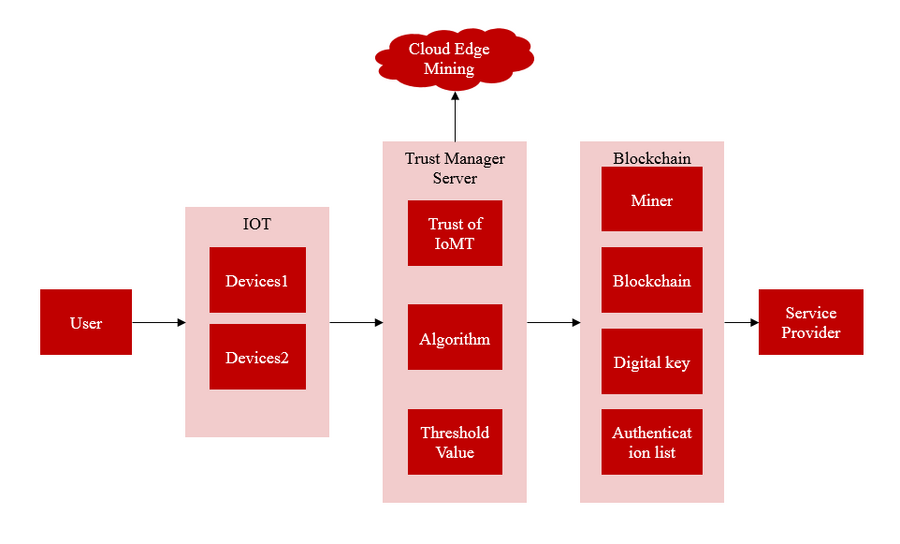
Core Viewpoint - The article discusses the innovative dynamic trust management model developed by Micro Algorithm Technology (NASDAQ: MLGO), which integrates sub-array algorithms with blockchain technology to address the challenges of trust assessment in distributed systems, particularly in the context of IoT, supply chain finance, and decentralized storage. Group 1: Model Overview - The dynamic trust management model utilizes blockchain as the underlying data infrastructure, combined with a distributed computing framework of sub-array algorithms to create a decentralized trust assessment system [1]. - The model divides network nodes into multiple sub-arrays based on geographical location, resource type, or historical behavior characteristics, allowing for independent local trust calculations [1][2]. - The model ensures real-time and reliable trust assessment by dynamically adjusting sub-array members and updating trust values, leveraging blockchain's transparency and immutability for data security [1]. Group 2: Operational Mechanism - The model operates through five core processes: data collection and preprocessing, sub-array division, trust calculation, cross-array consensus, and dynamic updating [2]. - Data is collected from nodes and verified via smart contracts before being stored in a distributed ledger, with key features extracted and historical data weighted down using time decay functions [2]. - Sub-arrays are formed using K-means clustering or geographical hashing algorithms, with dynamic adjustments based on node load and trust value fluctuations [2]. Group 3: Trust Calculation and Consensus - Each sub-array independently runs trust evaluation algorithms to compute local trust values, integrating direct and indirect trust assessments [2][3]. - A modified PBFT consensus mechanism synchronizes trust evaluation results across sub-arrays, reducing communication rounds and computational complexity [3]. - The global trust value is generated by aggregating results from sub-arrays, weighted by their historical reliability [3]. Group 4: Dynamic Updates and Applications - The system triggers trust value updates every 30 seconds, allowing nodes to query their trust scores and adjust interaction strategies accordingly [3]. - The model has applications in various fields, including vehicle networking for enhanced safety and efficiency, e-commerce supply chains for optimized operations, and distributed energy systems for stable energy supply [5]. - As technology evolves, the model is expected to expand into IoT, healthcare, and financial services, integrating with AI and big data to foster innovative trust management solutions [5].

B2B跨境支付解决方案:数商云如何以技术重构全球贸易资金流
Sou Hu Cai Jing· 2025-08-08 20:19
Core Insights - The article highlights the growing importance of B2B cross-border payments in the digital trade landscape, projecting the market to exceed $187.5 trillion by 2025, accounting for 72.6% of total cross-border payments. Traditional payment methods face challenges such as high fees (3%-5%), long settlement times (3-5 days), and compliance risks. In this context, Shushangyun offers a comprehensive digital solution that significantly reduces payment costs by 72% and improves settlement efficiency by 80% for cross-border trade enterprises [1][2]. Technical Architecture - Shushangyun's cross-border payment solution is built on a distributed system and blockchain technology, featuring a microservices architecture that enhances scalability and reduces processing delays. The system can automatically scale resources by 300% during high-demand periods, maintaining a payment success rate of over 99.99% [3]. - The solution eliminates the traditional reliance on SWIFT's intermediary banks by enabling direct settlement through the central bank's digital currency bridge and Ant Chain, reducing transaction fees from 3.2% to 0.8% and completing payments in just 8 minutes [4]. - An AI-driven risk control engine replaces manual reviews with intelligent decision-making, enhancing compliance and risk management [5]. Functional Modules - The solution integrates payment, supply chain, and financial services, providing a multi-currency account system that allows real-time settlement in over 20 currencies. This feature has improved fund management efficiency, reducing the number of fund consolidation transactions from 12 to 3 per month and increasing turnover rates by 40% [6][8]. - Dynamic exchange rate management allows businesses to lock in favorable rates, mitigating risks associated with currency fluctuations. For instance, a clothing export company avoided a loss exceeding 2 million yuan by locking in rates during a significant euro depreciation [7]. - Shushangyun offers supply chain financing tools that address cash flow challenges, enabling companies to convert receivables into immediate financing at a cost 60% lower than traditional methods [8]. - The intelligent compliance engine ensures adherence to global regulations, automatically generating necessary reports to avoid penalties, such as a 2 million yuan fine for non-compliance [9]. Industry Adaptability - Shushangyun's solution is tailored to various industries, such as fashion, where it accelerates payment processes to meet the fast-paced supply chain demands, allowing suppliers to receive payments within 2 hours of customs clearance, improving response times by 50% and inventory turnover by 30% [10]. - In the energy sector, the solution addresses risks associated with large transactions and long cycles by integrating payment and hedging services, reducing currency fluctuation losses from an average of 3% to 0.5% [11]. - The platform also adapts to local market needs, particularly in the Middle East, providing localized payment solutions [12]. Implementation Path - The implementation of Shushangyun's solution typically spans 3-6 months, involving steps such as demand diagnosis, system integration with major ERP systems, rigorous testing under high-demand scenarios, and ongoing operational optimization based on data analytics [12][13][14]. Future Outlook - The company is poised to evolve from a payment tool to an essential infrastructure for industries, with plans to participate in digital currency trials, automate settlement processes through smart contracts, and build a decentralized cross-border payment network to challenge existing systems like SWIFT [15][16].

数商云Java商城开发公司:用专业实力,打造电商行业标杆
Sou Hu Cai Jing· 2025-07-18 05:06
Core Viewpoint - The article emphasizes the importance of building an efficient, stable, and forward-looking e-commerce platform in the face of global digital transformation, highlighting how Shushangyun Java Mall Development Company is becoming a benchmark in this field by providing comprehensive solutions from platform construction to operational optimization [2] Group 1: Technology-Driven Foundations - Shushangyun's core competitiveness lies in its adoption of microservices architecture, which allows for decoupled functionality and elastic resource expansion, resulting in a 300% performance improvement during peak order processing [3][4] - The modular design enhances development efficiency, enabling rapid iterations on individual modules, which can reduce time costs by 70% compared to traditional development methods [3] - The company employs distributed systems and high availability measures to ensure stability under extreme traffic, achieving a 40% increase in order processing efficiency and a global payment success rate improvement from 85% to 99.2% [4] Group 2: Industry Deepening - Shushangyun facilitates full-channel integration through O2O solutions, leading to a 35% increase in offline store average transaction value and a 42% growth in online repurchase rates for a well-known fashion brand [5] - For B2B enterprises, the platform has reduced procurement cycles from 15 days to 3 days and lowered procurement costs by 12% through online collaboration with suppliers [5] Group 3: Data Empowerment - The built-in data analysis tools allow real-time tracking of user behavior, leading to a 28% increase in conversion rates through targeted marketing strategies [8] - Inventory management is optimized through historical sales data analysis, reducing out-of-stock rates from 15% to 3% and improving gross margins by 5 percentage points [9] Group 4: Service Assurance - Shushangyun offers end-to-end customized development services, significantly shortening development cycles by 50% through agile methodologies [10] - The company provides 24/7 technical support and robust security measures, successfully mitigating risks from daily cyberattacks [11] Group 5: Future Outlook - The company is exploring the application of emerging technologies like AI and blockchain in e-commerce, enhancing brand trust by 50% through blockchain traceability solutions [12] - Shushangyun has established strategic alliances in Southeast Asia and the Middle East, helping Chinese enterprises expand into 10 overseas markets within six months, achieving sales exceeding $1 billion [12]

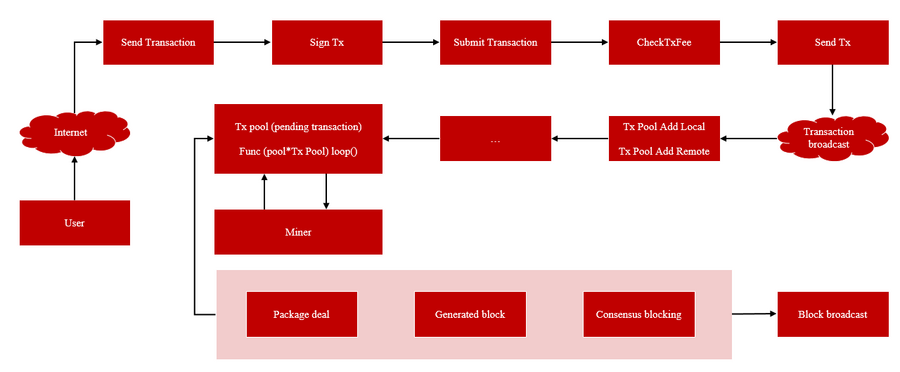
微算法科技(NASDAQ:MLGO)利用Pool验证池机制,结合传统分布式一致性技术(如Paxos和Raft),实现秒级共识验证
Zhong Guo Chan Ye Jing Ji Xin Xi Wang· 2025-06-12 02:01
Core Viewpoint - The article discusses the increasing demand for consensus mechanisms in blockchain and distributed systems, highlighting the limitations of traditional methods and introducing the Pool validation mechanism as a solution for achieving rapid consensus in high-demand applications [1][4]. Group 1: Consensus Mechanisms - Traditional consensus mechanisms face limitations in speed, scalability, and fault tolerance, particularly in real-time applications such as financial transactions and IoT data processing [1]. - The Pool validation mechanism enhances consensus efficiency by concentrating a certain number of validation nodes to collaborate on transaction or data verification [1][4]. - Micro Algorithm Technology (NASDAQ: MLGO) combines the Pool validation mechanism with traditional distributed consistency technologies like Paxos and Raft to achieve sub-second consensus verification [1][4]. Group 2: Technical Process - In distributed systems, nodes enter an undecided state upon initialization, storing the current term number for synchronization and state transitions [3]. - The Raft algorithm involves a leader election process where candidates seek majority approval to become leaders, while Paxos ensures proposal consistency through a prepare phase [3]. - Data verification in the Pool validation mechanism includes checksums and hash values to ensure data integrity, with nodes rejecting invalid entries [4]. Group 3: Advantages and Applications - The Pool validation mechanism improves verification efficiency and meets the real-time demands of various applications by concentrating validation resources [4][5]. - The technology is applicable in finance for high-frequency trading and cross-border payments, enhancing transaction efficiency and security [5]. - In IoT, it ensures data consistency and reliability between devices, while in supply chain management, it improves transparency and traceability [5]. Group 4: Future Developments - Micro Algorithm Technology's consensus mechanism is expected to evolve with advancements in distributed systems and blockchain technology, optimizing validation pool structures and algorithms [6]. - The company may explore integration with advanced technologies like artificial intelligence and machine learning to enhance system intelligence and decision-making capabilities [6]. - As application scenarios expand, the technology is anticipated to find broader applications across various industries, supporting their development [6].