化妆品安全

Search documents
震惊!致癌物质苏丹红从“餐桌”跑到“脸上”
Jing Ji Guan Cha Wang· 2025-10-27 05:28
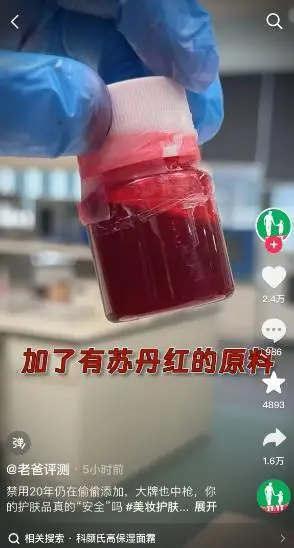
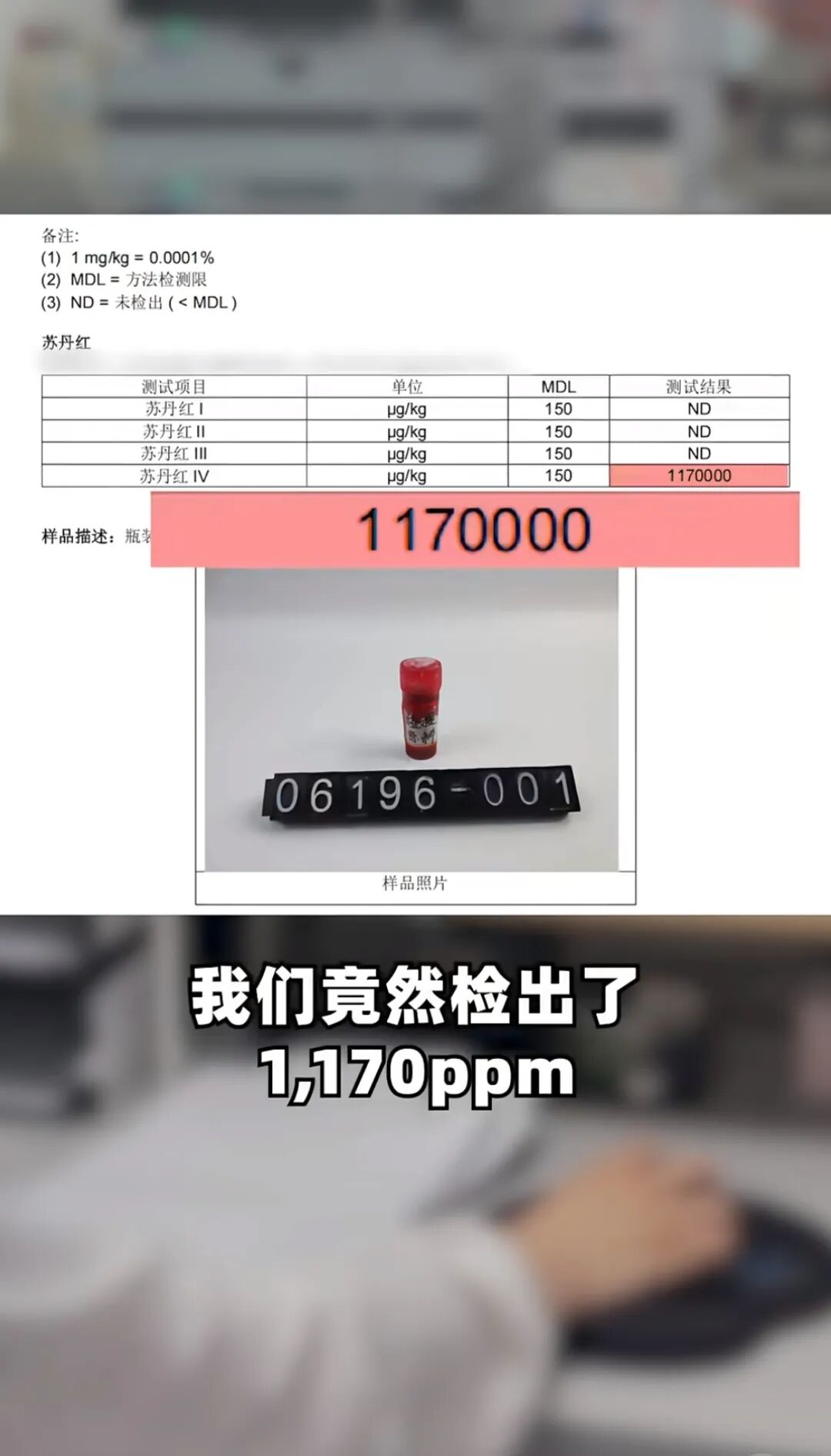
Core Viewpoint - Multiple cosmetic products have been found to contain the banned substance Sudan Red, leading to a significant safety crisis in the beauty industry, affecting over 800 products and more than 400 brands [1][2][3]. Group 1: Detection and Impact - A third-party testing agency, "Old Dad Testing," discovered Sudan Red in a skin care product, prompting further testing of similar products, all of which tested positive for the substance [1][2]. - The detected Sudan Red levels in various products ranged from 435 to 1982 micrograms per kilogram (ug/kg), with one raw material containing as much as 1170 parts per million (ppm) [2][3]. - The incident has implicated well-known brands such as Kiehl's, FARMACY, and others, with a total of over 800 products identified as containing the problematic ingredient [3][6]. Group 2: Regulatory and Supply Chain Issues - The presence of Sudan Red in cosmetics highlights a significant regulatory oversight in the supply chain, where manufacturers may have added the banned substance to enhance visual appeal [7][8]. - The source of the banned substance is traced back to a supplier in Singapore, which specializes in natural ingredients but has been linked to the inclusion of industrial dyes in cosmetic products [7][8]. - The incident has raised concerns about the reliance of smaller companies on overseas suppliers and the lack of independent testing capabilities, which could lead to safety vulnerabilities [8]. Group 3: Brand Responses and Consumer Guidance - Following the revelation, brands like Kiehl's and Huaxizi have responded by halting sales of affected products and initiating internal investigations [5][6]. - Consumers are advised to check their skincare products for specific ingredients, including Eclipta Prostrata extract, Melia Azadirachta leaf extract, and Moringa Oleifera seed oil, and to refrain from using products containing these until further testing results are available [9].
大牌化妆品惊现致癌苏丹红,多款产品连夜下架,部分仍在售,原料商被扒
2 1 Shi Ji Jing Ji Bao Dao· 2025-10-25 13:13
Core Viewpoint - The beauty industry is facing a safety crisis due to the detection of the banned substance Sudan Red in various cosmetic products, raising public concern [1] Group 1: Detection of Banned Substance - A third-party testing agency, "Old Dad Testing," reported finding Sudan Red, a chemical dye banned globally since 2003, in multiple cosmetic products [1] - Sudan Red is classified as having genotoxic and potential carcinogenic risks, and it has been listed as a prohibited ingredient in cosmetics by the National Medical Products Administration since 2021 [1] Group 2: Brand Responses - Several brands, including Huaxizi, Tingyan, and Qiyou, have removed the questioned products from their online stores following the allegations [2] - Specific products such as Huaxizi's Peach Fresh Essence Cream and Tingyan's Collagen Essence have been taken down from their official flagship stores [2][8] - Qiyou's Squalane Fragrance Essence is still available but claims that the current stock is a new version, with the problematic batches sent for testing [2] Group 3: Source of Contamination - The source of the banned substance was traced back to a red ingredient containing extracts from Eclipta Prostrata, Melia Azadirachta, and Moringa Oleifera, with a Sudan Red concentration of 1170 ppm [3][4] - The supplier of this ingredient is identified as Campo Research (S) Pte. Ltd, a Singapore-based company specializing in natural plant-based cosmetic ingredients [4][6] Group 4: Industry Implications - The presence of Sudan Red in "natural" ingredients raises questions about the integrity of suppliers, as it was allegedly added to enhance color stability [6][7] - "Old Dad Testing" suggests that the addition of Sudan Red was a deliberate act by the supplier, leaving brands unaware of the contamination [7] Group 5: Ongoing Investigations - Brands are conducting urgent self-checks and sending products for third-party testing to confirm the presence of Sudan Red [11][13] - Some brands, like Kiehl's, have clarified that their current products do not contain the implicated ingredients and comply with national regulations [13]

大牌化妆品惊现致癌苏丹红,多款产品连夜下架,部分仍在售,原料商被扒
21世纪经济报道· 2025-10-25 12:15
Core Viewpoint - The beauty industry is facing a safety crisis due to the detection of the banned substance Sudan Red in multiple cosmetic products, raising public concern [1][5]. Group 1: Incident Overview - A third-party testing agency, "Old Dad Testing," reported finding Sudan Red, a chemical dye banned globally since 2003, in various cosmetics [1][5]. - Sudan Red is known for its genotoxicity and potential carcinogenic risks, and it has been listed as a prohibited ingredient in cosmetics by the National Medical Products Administration since 2021 [1][5]. - Several brands, including Huaxizi, Tingyan, and Qiyou, have responded by removing the affected products from their shelves [1][9]. Group 2: Testing and Findings - "Old Dad Testing" discovered that the source of Sudan Red was a red ingredient containing extracts from Eclipta Prostrata, Melia Azadirachta, and Moringa Oleifera, with a Sudan Red content of 1170 ppm [5][7]. - The testing agency conducted public sampling tests on multiple skincare products using the same ingredient, all of which tested positive for Sudan Red [9][10]. - The affected red ingredient was traced back to a Singapore-based supplier, Campo Research (S) Pte. Ltd, which specializes in natural plant-based cosmetic ingredients [5][7]. Group 3: Brand Responses - Brands implicated in the scandal, such as Huaxizi and Tingyan, have initiated product recalls and investigations into their suppliers [9][13]. - Huaxizi's customer service confirmed that they are conducting a strict investigation into the relevant raw material suppliers and have suspended sales of the affected products [9][13]. - Other brands, including Qiyou and Farmacy, are also conducting tests on their products, but some have been less forthcoming about whether their current products contain the problematic ingredients [15][16].
第三方评测称多款化妆品检出苏丹红IV,可能来自原料组带入
Xi Niu Cai Jing· 2025-10-24 12:09
Core Viewpoint - The recent video by "老爸测评" reveals that multiple skincare products contain the banned ingredient Sudan Red IV, raising concerns about product safety and compliance in the cosmetics industry [2][5]. Group 1: Testing Results - Sudan Red IV was detected in several products, with test results showing concentrations of 1094 ug/kg, 601 ug/kg, 1982 ug/kg, 435 ug/kg, and 1413 ug/kg across different samples [3][4]. - The testing methodology indicated a minimum detection limit (MDL) of 150 ug/kg for Sudan Red IV, suggesting significant levels of contamination in the tested products [3]. Group 2: Industry Response - Following the video release, various brands, including those identified by consumers, have begun testing their products for the presence of Sudan Red IV and are awaiting results to inform their customers [5]. - The ingredient Sudan Red IV is linked to a Singapore-based supplier, Campo Research, which specializes in natural plant-based ingredients for cosmetics, indicating potential supply chain issues rather than intentional addition by brands [5].
被印度公司坑了?苏丹红事件真相
3 6 Ke· 2025-10-23 00:12
Core Viewpoint - The discovery of Sudan IV, a banned synthetic dye, in cosmetic products has sparked consumer panic and raised questions about product safety and regulatory compliance in the cosmetics industry [6][8][24]. Group 1: Incident Overview - A third-party testing agency, "Old Dad Testing," reported the presence of Sudan IV in a skin care product, leading to widespread consumer concern and discussions on social media [6][8]. - Sudan IV has been banned in cosmetics in China since 2007 due to its potential carcinogenic effects [8][9]. Group 2: Source of Contamination - The contamination was traced back to three specific raw materials: Eclipta Prostrata extract, Melia Azadirachta leaf extract, and Moringa Oleifera seed oil, with a high concentration of 1170 ppm detected [9][12]. - The supplier of the contaminated raw materials is identified as Campo Research (S) Pte. Ltd., a company based in Singapore but linked to India, raising concerns about the sourcing and quality control of cosmetic ingredients [9][13]. Group 3: Industry Response and Consumer Impact - Over 400 cosmetic brands are potentially affected, leading to a crisis of trust among consumers regarding product safety [9][24]. - Brands have stated that their products passed regulatory inspections, but they are now sending affected products for further testing [22][28]. Group 4: Regulatory and Safety Considerations - Experts emphasize the need for thorough safety assessments of detected substances, as the current findings do not automatically equate to health risks [21][28]. - The incident highlights the importance of transparency in ingredient sourcing and the need for stricter regulatory measures to prevent the introduction of banned substances into cosmetic products [27][28].
护肤品安全再响警钟!多品牌产品被检出苏丹红,科颜氏、花西子回应
新浪财经· 2025-10-21 10:01
Core Viewpoint - The article highlights a significant safety issue in the skincare industry, where several brands, including Kiehl's and Huaxizi, have been found to contain the banned substance Sudan Red, raising concerns about product safety and brand risk management [2][11][17]. Group 1: Incident Overview - A third-party testing agency discovered Sudan Red, a banned substance, in a skincare product, with a concentration of 1170 ppm, indicating intentional addition [2][3]. - Multiple skincare products using the same red composite plant ingredient were tested, and all were found to contain Sudan Red [6][11]. - The brands implicated include Kiehl's, Huaxizi, and Farmacy, among others, with consumers expressing concern over the safety of these products [6][11][17]. Group 2: Brand Responses - Kiehl's customer service stated that their products comply with national regulations and may originate from various countries, including the US and France [2][6]. - Huaxizi's customer service claimed that their products have passed inspections by recognized authorities and are registered with the National Medical Products Administration [11][15]. - Both brands emphasized their commitment to product safety, despite the ongoing concerns raised by the testing results [11][15]. Group 3: Industry Implications - The incident underscores the need for brands to enhance their risk assessment capabilities and ingredient sourcing practices to prevent similar occurrences in the future [3][15]. - The article points out that the use of Sudan Red has a history of causing safety crises in various sectors, including food and cosmetics, indicating a broader issue within the industry [11][17]. - The testing agency suggests that many brands may have been misled by suppliers, highlighting the importance of thorough ingredient verification [3][13].
科颜氏、且初等品牌化妆品中检测出苏丹红?多品牌回应
Qi Lu Wan Bao· 2025-10-21 07:50
Core Viewpoint - The recent video by "Old Dad Evaluation" has raised significant concerns regarding the detection of Sudan Red in various cosmetic products, which are linked to potential health risks due to its carcinogenic properties [1][3][7]. Group 1: Product Involvement - Multiple cosmetic products from both domestic and international brands, including Kiehl's Ginger Leaf and Okwin Tightening Sleep Mask, Farmacy Apple Makeup Remover, and others, have been implicated in the Sudan Red detection [3]. - The source of the banned substance is suspected to be a red ingredient containing extracts from Eclipta Prostrata, Melia Azadirachta leaves, and Moringa Oleifera seed oil, which aligns closely with the ingredient lists of the involved products [3]. Group 2: Regulatory Context - Sudan Red, a chemical dye with genotoxic and potential carcinogenic risks, has been banned globally in food and cosmetics since 2003 [7]. - The National Medical Products Administration of China published a list of banned cosmetic ingredients in 2021, which includes Sudan Red (CI26105) [7][8]. Group 3: Brand Responses - Customer service representatives from the implicated brands, including Qichu and Kiehl's, have stated that their products comply with national laws and regulations, and they are conducting tests to confirm the absence of Sudan Red [8][10]. - The brands emphasize their commitment to safety and transparency, promising to release test results to address consumer concerns [10]. Group 4: Background of the Evaluator - The founder of "Old Dad Evaluation," Wei Wenfeng, has a background in physics and previously worked as an inspector at the Zhejiang Entry-Exit Inspection and Quarantine Bureau before starting the evaluation company [10].