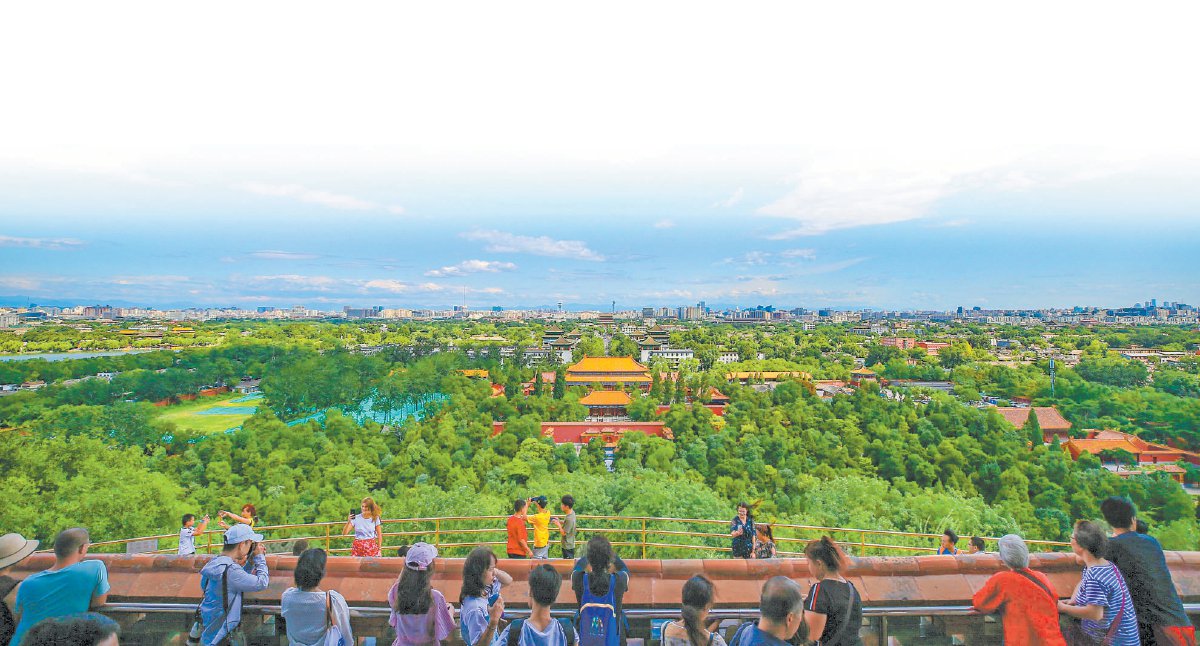
北京中轴线申遗

Search documents
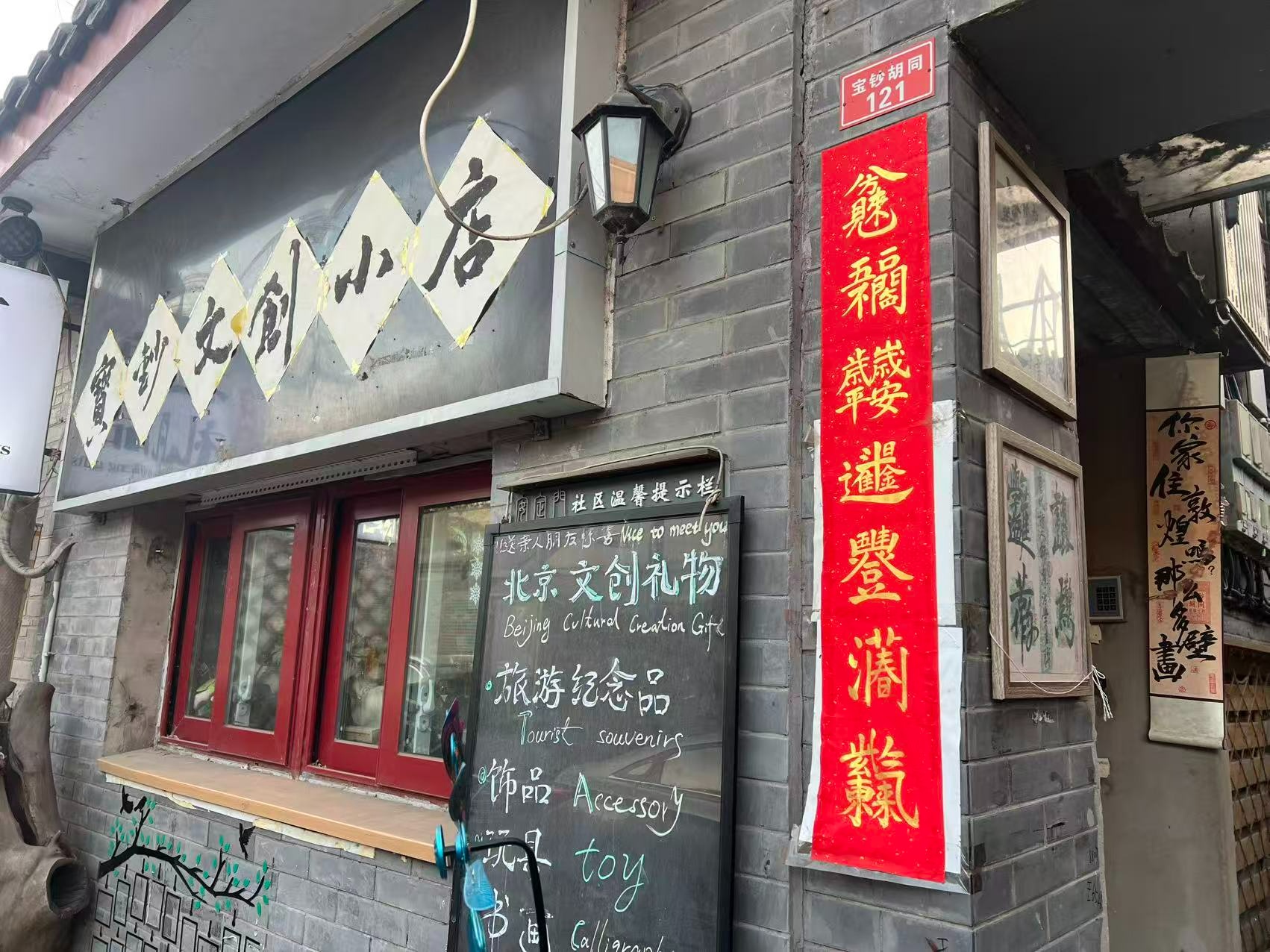
新春走基层《小店故事·新春版》丨胡同笔墨,“福”启新春
Yang Guang Wang· 2026-02-17 01:18
Core Viewpoint - The article highlights the cultural significance and economic impact of small creative shops in Beijing, particularly focusing on Wang Jianyu's calligraphy shop, which has gained popularity due to the cultural heritage initiative surrounding the Beijing Central Axis application for UNESCO World Heritage status [1][3]. Group 1: Cultural Significance - Wang Jianyu's shop reflects a growing interest among young people in traditional Chinese culture, particularly during the New Year celebrations [3][8]. - The shop specializes in unique calligraphy products, including custom-made couplets and creative interpretations of traditional characters, which resonate with contemporary cultural trends [6][20]. Group 2: Economic Impact - Following the successful application for the Beijing Central Axis as a UNESCO World Heritage site, Wang's shop has seen a significant increase in business, with daily revenues exceeding 1,000 yuan [8][24]. - The shop attracts a diverse clientele, including many foreign customers, who are interested in personalized calligraphy, indicating a broader market for cultural and artistic products [8][18]. Group 3: Product Innovation - Wang Jianyu has innovated traditional calligraphy by creating "combined characters" that merge multiple meanings into single designs, appealing to modern sensibilities and humor [6][12]. - The shop offers a variety of products, including magnetic calligraphy pieces that serve both as decorative items and functional gifts, showcasing a blend of traditional art with contemporary utility [8][26].

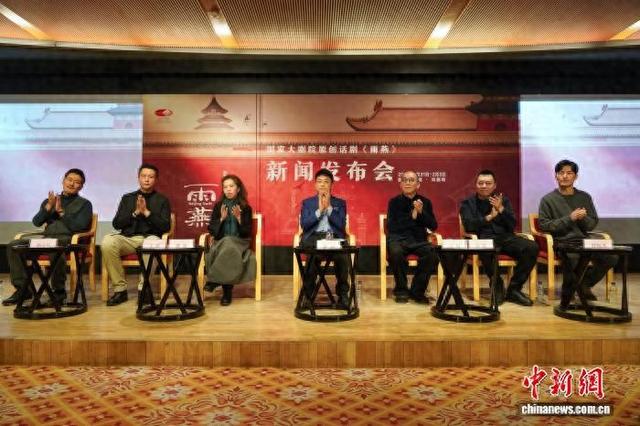
聚焦北京中轴线 国家大剧院原创话剧《雨燕》将亮相
Xin Lang Cai Jing· 2026-01-10 10:13
Core Viewpoint - The original play "Rain Swallow" by the National Centre for the Performing Arts is set to premiere, commemorating the successful application of Beijing's central axis for UNESCO World Heritage status, highlighting the historical significance of architectural surveying during the war period [1][5]. Group 1: Historical Context - The play is based on the real historical efforts of Liang Sicheng and his colleagues who systematically surveyed ancient Chinese architecture, particularly the central axis of Beijing, during the difficult times before the war [1]. - A group of scholars conducted a comprehensive survey of important buildings along the central axis, producing 704 detailed drawings over four years, marking the first and only complete record of these ancient structures using modern surveying techniques [1]. Group 2: Artistic Interpretation - "Rain Swallow" tells the story of a youth surveying team composed of architecture students who, during the war, secretly measured the Forbidden City, symbolizing their dedication to preserving cultural heritage [2][4]. - The title "Rain Swallow" reflects both the bird's historical connection to Beijing and its relentless spirit, paralleling the youth's commitment to safeguarding civilization amidst turmoil [2]. Group 3: Production Insights - The script, written by Tang Ling, underwent three years of refinement, with director Fang Xu leading the production [4]. - The creative team engaged in immersive experiences, including tracing the history of the "Yingzao Xueshe" and participating in actual surveying practices, enhancing their understanding of the subject matter [4]. Group 4: Thematic Relevance - The play aims to resonate with contemporary audiences by transforming abstract cultural concepts into tangible stage presentations, allowing viewers to connect with the central axis and appreciate traditional architecture [4]. Group 5: Premiere Information - The original play "Rain Swallow" is scheduled to premiere from January 31 to February 3, 2026 [5].
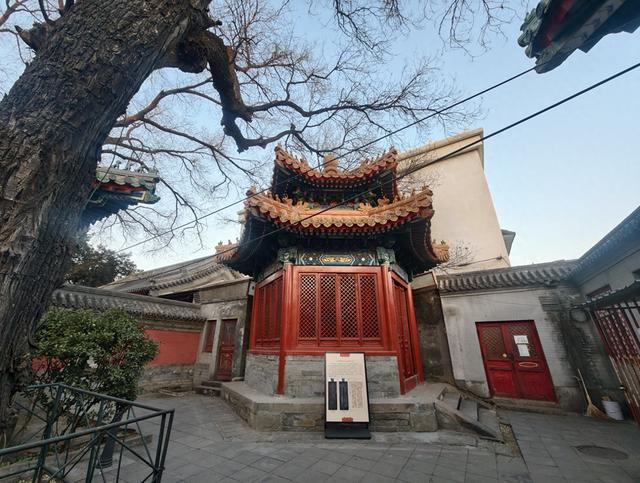
贤良祠限时开放,来看精美藻井
Xin Lang Cai Jing· 2025-12-28 03:56
Core Viewpoint - The Xianliang Shrine, established during the Qing Dynasty, serves as a dedicated temple for honoring officials who made significant contributions to the state, located in Beijing's Xicheng District [6]. Historical Development - The Xianliang Shrine was built in the eighth year of the Yongzheng reign (1730) and completed in the eleventh year (1733). It was repurposed during the Republic of China era and became state-owned in 1949. In 2001, it was designated as a cultural heritage site in Beijing, and in 2018, it was included in the key projects for the comprehensive renovation of Beijing's central axis [6]. Architectural Layout - The shrine is oriented north-south and covers an area of approximately 740 square meters. The central axis features a sequence of structures including the main gate, stele pavilion, ceremonial gate, main hall, and rear hall. Additional buildings such as livestock pens and slaughterhouses are located on the east and west sides. The main gate consists of three openings and is topped with green glazed tiles. The ceremonial gate has hexagonal pavilions on either side, housing bilingual stele inscriptions. The main hall consists of five bays, with a square coffered ceiling decorated with dragon motifs [8]. Honored Figures - The shrine originally honored 178 officials who made outstanding contributions to the state from the Yongzheng to the Xuantong reigns. The first honored individual was Prince Yixin, with his tablet placed in the center of the main hall. Other notable figures include Shi Lang, Yu Chenglong, Zhang Tingyu, Liu Yong, Zeng Guofan, and Zuo Zongtang [9].
古树变成晾衣架、树池沦为快递点?为中轴线古树加固法律护栏
Bei Jing Wan Bao· 2025-10-02 10:19
Core Points - The article emphasizes the importance of protecting ancient trees along Beijing's central axis, which are considered cultural heritage and vital to the city's historical identity [1][2][3] Group 1: Protection Efforts - The Beijing Dongcheng District Procuratorate, in collaboration with administrative departments, has initiated a campaign to protect the ancient tree group along the central axis, reinforcing legal protections for these "green cultural relics" [1] - Over 8,700 ancient trees are located within the UNESCO World Heritage application area of the central axis, with significant concentrations in key heritage sites such as the Forbidden City and Temple of Heaven [1] - The implementation of the "Ancient Tree Protection Regulations" and the "Beijing Central Axis World Cultural Heritage Protection Regulations" has established ancient trees as core protected objects [1][2] Group 2: Community Involvement - Following the successful UNESCO application, public awareness regarding the protection of ancient trees has increased, leading citizens to report cases of inadequate protection through the 12345 citizen hotline [2] - The Dongcheng District Procuratorate identified 19 issues threatening the growth and appearance of ancient trees, including chronic and minor damages caused by residents' habits [2] Group 3: Collaborative Approach - A collaborative platform for the protection of ancient trees has been established, involving regular meetings to address challenges in conservation efforts [2] - Experts from fields such as horticulture and plant protection have been consulted to provide solutions for trees facing complex health issues [2]
向海内外展现北京中轴线之美(新书问答)
Ren Min Ri Bao Hai Wai Ban· 2025-08-20 23:35
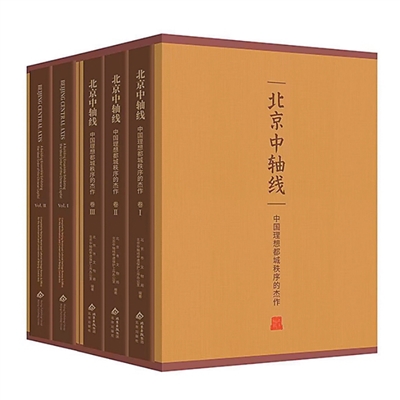
Core Viewpoint - The publication of "Beijing Central Axis: A Masterpiece of China's Ideal Capital Order" marks the first anniversary of the successful application for UNESCO World Heritage status, showcasing the significance of the Beijing Central Axis in cultural heritage protection and transmission [2][3]. Summary by Sections Publication Details - The book series consists of five volumes, including three in Chinese and two in English. Volume I contains the application text for the World Cultural Heritage status, which took 12 years to compile and is crucial for the successful application. Volume II presents the "Beijing Central Axis Protection Management Plan (2022-2035)," while Volume III features ultra-high-definition architectural drawings of all 15 heritage components along the axis [3][5]. Unique Aspects of the Series - This series is the only comprehensive authoritative publication that includes core content related to the Beijing Central Axis's heritage application. It systematically outlines the historical background, cultural value, and application process, and it is the first to publicly release the complete protection management plan, which is significant for heritage management [3][5]. Protection Management Plan - The management plan establishes a holistic protection system for the heritage components and their environment, defining heritage and buffer zones. It emphasizes the overall protection of heritage and environment, aiming to enhance urban quality and socio-economic development while maximizing the benefits of heritage protection [5]. Cultural and Historical Significance - The Beijing Central Axis exemplifies traditional Chinese urban planning theories and philosophies, contributing significantly to the history of urban planning worldwide. It reflects the long-standing practice of the "central" concept in Chinese civilization and serves as a material witness to the emphasis on ritual and order in traditional urban planning [6][7]. Architectural Survey - Volume III focuses on the architectural survey of the 15 heritage components, utilizing advanced measurement techniques to produce detailed architectural drawings. This volume is considered a valuable resource for experts and scholars in the field [8]. Target Audience - The series is designed to be accessible to a broad audience, not just experts. It combines historical, cultural, and scientific content, making it appealing to readers interested in Beijing's history and culture. The English versions of the first and third volumes aim to facilitate international readers' understanding of Chinese cultural heritage [9][10].
北京号最精彩|焕新登场!首钢园服贸会5.0版场馆改造项目即将完工
Bei Jing Ri Bao Ke Hu Duan· 2025-08-11 10:30
Group 1 - The preparation for the 2025 China International Service Trade Fair (CIFTIS) is entering a critical phase, with the renovation of the Shougang Park venues nearing completion [2] - The next steps include functional setup, equipment debugging, and rehearsal stages for the event [2] Group 2 - The Yongfeng TOD complex project, developed by Beijing Shichuang Technology Park Development Co., Ltd., has completed its main structure, marking a new phase in the project [18] - The complex will house approximately 18,000 square meters of Sam's Club, filling a gap in the high-end retail market in the area [19]

北京号最精彩 | 唤醒味蕾!海淀烟火夜市火热开席→
Bei Jing Ri Bao Ke Hu Duan· 2025-07-26 10:54
Group 1 - The article highlights the celebration of the successful application for the UNESCO World Heritage status of Beijing's central axis, showcasing a historical image exhibition that reflects a century of urban changes and cultural memories along the axis [4] - The "Summer Night Food Festival" at Longhui 1910 Cultural and Creative Park is described, emphasizing the vibrant atmosphere with food and social interactions, appealing to the public's summer taste buds [6] - The historical significance of Qianmen Hotel, one of the "Old Eight Great Hotels" established in 1956, is noted as a venue for national events and a witness to many historical moments [8] Group 2 - The article mentions the increased water flow from the Yongding River due to recent rainfall, with a reminder for citizens to remain vigilant regarding water safety [10] - The development of two new characteristic street blocks in Shunyi District is reported, as part of a broader initiative to enhance the quality of the ecological environment in the area [14][15] - The article discusses the recent surge in incidents related to household appliances, particularly air conditioners and refrigerators, highlighting the need for awareness regarding their potential hazards [22]

古韵融新潮 圈粉八方客
Bei Jing Wan Bao· 2025-07-26 03:16
Core Insights - The Beijing Central Axis has successfully attracted a significant number of tourists, with new exhibitions and cultural products enhancing visitor experiences since its UNESCO World Heritage designation [1][12] - The introduction of the "Great Central Axis Sightseeing Bus" has provided a unique travel experience, serving over 61,000 tourists since its launch [9][11] Group 1: Tourist Experience and Engagement - The "Great Central Axis Sightseeing Bus" has been operational for a year, utilizing electric vintage-style buses to showcase 15 cultural heritage sites along the axis [9][11] - The number of visitors to parks along the Central Axis has surged, with over 8 million visitors to Jingshan Park and over 3.18 million to Zhongshan Park since the heritage designation [12] - New exhibitions and activities, including 16 themed exhibitions at Jingshan Park, have increased visitor engagement by 78% year-on-year [4] Group 2: Cultural Products and Innovations - Cultural products related to the Central Axis have seen significant sales, with over 150,000 units sold in the past year, particularly in the refrigerator magnet category [5] - The Tiananmen cultural products have quickly gained popularity, with the first official product selling out within a week, indicating strong consumer interest [6] - The development of AR-enabled cultural products has enhanced the interactive experience for visitors, allowing them to engage with historical elements in a modern context [5][6] Group 3: Infrastructure and Accessibility - The "Dragon Spine Bus" route has been upgraded to accommodate increasing tourist numbers, with daily passenger counts reaching 22,000 and peaks nearing 30,000 [11] - The restoration of historical sites, such as the ancient Wanning Bridge, has been prioritized to maintain the integrity of the Central Axis while improving transportation services [9][11] - The introduction of bilingual self-service audio guides and international payment options has made the experience more accessible for foreign tourists [4][9]
北京日报社区小板报 | 暴雨和雷电黄色预警中,注意防范
Bei Jing Ri Bao Ke Hu Duan· 2025-07-25 00:07
Group 1 - Beijing's social insurance benefits and minimum wage adjustment plan for 2025 has been announced, with the basic pension standard set at 998 yuan per month for new recipients and 913 yuan for elderly welfare pensions [5] - The "Metaverse" public roadshow event in Beijing showcased 14 innovative companies, with potential rewards of up to 1 million yuan for selected enterprises [5] - Over 240 key projects have been implemented in the "Huitian" action plan since 2018, significantly improving the living conditions in the area [7] Group 2 - The "Accompanying Medical Care" service brand was launched in Dongcheng District to assist elderly individuals, particularly those living alone, with medical appointments and care [9] - The "Non-Heritage Dream" exhibition featuring handicrafts by disabled artisans was inaugurated, promoting online and offline sales channels for their products [14] - The "Beijing Impression" flower bouquet was officially launched, reflecting the city's cultural heritage and modern aesthetics, with 225 submissions from various floral and artistic sectors [16]

老城焕发新韵 百姓共沐文脉
Bei Jing Ri Bao Ke Hu Duan· 2025-07-23 21:26
Group 1 - The core idea of the articles revolves around the successful application for UNESCO World Heritage status of Beijing's central axis, which has revitalized cultural heritage and attracted tourists, enhancing social sustainability [2][5][6] - The performance of the orchestral suite "Zhongzhou," created to promote the cultural significance of the central axis, has been showcased multiple times, reflecting the artistic efforts to celebrate this heritage [5][6][7] - The "Cinema in the Hutongs" initiative has brought outdoor movie screenings to cultural spaces along the central axis, engaging the community and enhancing cultural appreciation [9][10][11] Group 2 - The transformation of Qianmen Street into a vibrant area with numerous unique cafes has been noted, indicating a shift in consumer behavior and increased tourism following the heritage status [13][14] - The "Dragon Spine Bus" route, which traverses key landmarks along the central axis, has gained popularity among tourists, showcasing the historical significance of the area while improving public transport [16][17]