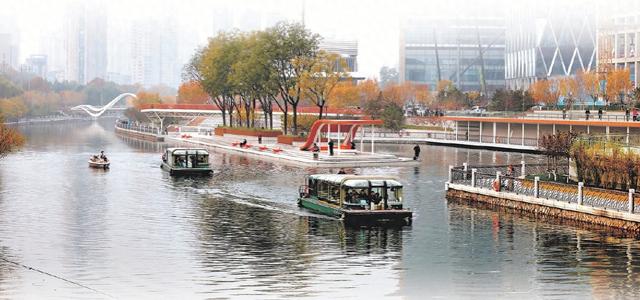
花园城市建设

Search documents
代表委员畅谈花园城市建设 让北京这座大花园变得更美
Xin Lang Cai Jing· 2026-01-29 20:54
Group 1: Urban Green Development - Beijing has built 1,136 parks and plans to add over 100 more urban green spaces this year, enhancing the city's green landscape [2] - The government aims to create a "garden city" by integrating ecological and economic values through flower cultivation and promoting family gardening as a new lifestyle [2] - The Chaoyang District plans to complete the upgrade of the Qinghe Greenway and construct a 138-kilometer urban park greenway, connecting with neighboring districts [1][2] Group 2: Transportation and Accessibility - The "Two Parks and One River" initiative aims to improve transportation networks and create a multi-layered traffic system to enhance accessibility in the area [3] - Suggestions include establishing direct bus routes between key parks to facilitate easier access for residents [3] Group 3: Biodiversity and Education - Urban parks are seen as ideal spaces for science education, with proposals to integrate educational functions into park planning and design [6] - Enhancing biodiversity is crucial for the garden city concept, with recommendations for creating suitable habitats for various species in urban parks [7] - The importance of public awareness and community involvement in biodiversity protection is emphasized, including organizing volunteer activities and educational competitions [7]
锐评|带着花香的承诺,是一种浪漫的务实
Xin Lang Cai Jing· 2026-01-29 08:28
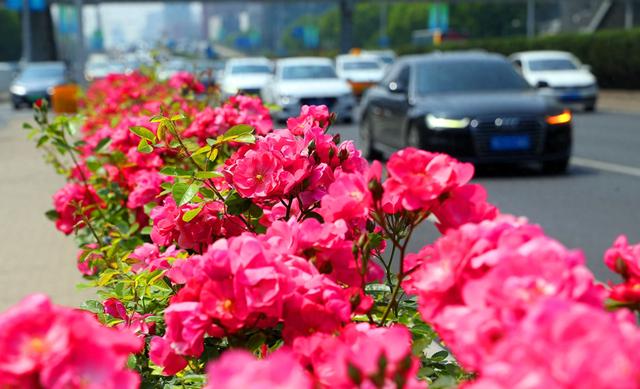
Core Viewpoint - Beijing is set to construct a "Rose Ring" along the Fourth Ring Road, reflecting the city's commitment to enhancing urban greenery and beautification, which has garnered widespread public approval [1][3]. Group 1: Urban Greenery Initiatives - The "Rose Ring" will stretch over 60 kilometers, aiming to create a continuous floral landscape along the Fourth Ring Road, enhancing the driving experience and public sentiment [1][3]. - The initiative is part of a broader strategy to improve urban greenery, transitioning from simply "greening" to "beautifying" the city, with various projects aimed at creating a garden-like environment [4]. Group 2: Community Engagement and Governance - The project reflects a responsive governance approach, where city planners are attentive to public preferences and feedback, transforming community desires into actionable commitments [3][5]. - The commitment to the "Rose Ring" symbolizes a promise of happiness and well-being for residents, emphasizing the importance of addressing small community needs and enhancing quality of life [5]. Group 3: Ecological Commitment - Beijing has planted 25,000 acres of roses across the city, with over a hundred varieties being utilized in parks, green spaces, and residential areas, showcasing a dedication to ecological beauty [4]. - The city has implemented a structured approach to urban landscaping, with specific themes for different ring roads, such as creating a historical flower corridor on the Second Ring Road and a forest landscape on the Fifth Ring Road [4].

花园城市让2100万市民可感可及
Bei Jing Shang Bao· 2026-01-28 16:20
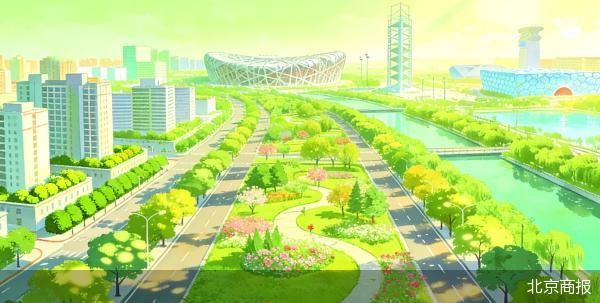
Core Viewpoint - Beijing aims to transform into a "Garden City" by 2026, focusing on enhancing green welfare for its over 21 million residents through the "14th Five-Year Plan" and specific urban development goals [1][5]. Group 1: Urban Development Goals - The city plans to construct 10 urban leisure parks and add 100 hectares of park green space as part of its 2026 economic and social development plan [1]. - The "14th Five-Year Plan" outlines a target for park green space service radius coverage to reach 94% within built-up areas [5]. Group 2: Ecological Initiatives - Beijing intends to add 100 ecological parks and create vibrant waterfronts in each district, promoting ecological diversity [5]. - The city will also develop pocket parks and micro green spaces, making green services more accessible [5]. Group 3: Technological Integration - Artificial intelligence is proposed as a crucial support tool for the construction of the Garden City, enhancing urban governance and public services [7]. - AI can facilitate precise maintenance of green spaces, water resource management, and ecological risk monitoring, contributing to a greener urban environment [7]. Group 4: Community Engagement and Accessibility - The city plans to implement "boundary-less" parks, enhancing public access and integrating green spaces into daily life [8]. - Goals include achieving 3,000 meters of greenway per 10,000 people and promoting rooftop greening with an additional 1 million linear meters of vertical greening [8].
2026北京两会|花园城市,如何让2100万市民“可感可及”
Bei Jing Shang Bao· 2026-01-28 10:32
Core Viewpoint - Beijing aims to enhance urban living through the construction of a "Garden City," focusing on green welfare for its over 21 million residents, as outlined in the "14th Five-Year Plan" [1][4]. Group 1: Urban Development Goals - The "14th Five-Year Plan" includes accelerating the construction of a Garden City as part of a broader initiative for green transformation and a beautiful Beijing [1]. - By 2026, Beijing plans to add 10 urban leisure parks and 100 hectares of new park green space, with a goal of achieving a 94% coverage rate for park green space within 500 meters of built-up areas [4]. - The city aims to establish 100 new ecological parks and create vibrant waterfronts in each district, promoting the cultivation of suitable flora for the region [4][5]. Group 2: Technological Integration - Artificial intelligence is proposed as a crucial support tool for the Garden City initiative, enhancing urban governance and public services [6]. - AI can facilitate precise maintenance of green spaces, water resource management, and ecological risk warnings, making urban greening more efficient [6][7]. - The "14th Five-Year Plan" emphasizes the comprehensive application of AI across various sectors, positioning the Garden City as a prime area for technological innovation and validation [7]. Group 3: Community Engagement and Accessibility - The concept of "boundary-less parks" is being promoted, aiming for open access to parks and recreational areas, enhancing community interaction with green spaces [8][9]. - By 2026, the government plans to implement a strategy for seamless park access, creating attractive and vibrant recreational areas [8][10]. - The initiative includes goals for increasing greenway lengths to 3 kilometers per 10,000 people and developing around 30 micro-parks, ensuring that every district has a lively waterfront [10].

期待这样接地气贴民生的建议越来越多
Xin Lang Cai Jing· 2026-01-27 16:54
Core Viewpoint - The article emphasizes the importance of grassroots research and the need for representatives to provide practical suggestions that address the concerns of the public, ultimately aiming to improve the quality of life in cities [1][2]. Group 1: Suggestions from Representatives - Representative Mao Ning proposed two suggestions: one focused on promoting consumption and the other on the construction of garden cities, based on her personal experiences and observations [1]. - Mao highlighted the success of a local eatery, "Menghuo Fried Rice," which gained popularity through social media, leading to the establishment of a permanent location and a branch, illustrating the potential for local businesses to thrive [1]. - The Beijing government report for 2025 aims to enhance the social security network, with community dining facilities expected to cover over 90% of urban and rural communities, reflecting a commitment to improving services for the elderly [1]. Group 2: Public Response and Engagement - Mao Ning's suggestions received positive feedback from the public, with many praising their relevance and practicality, indicating a strong connection to the needs of the community [2]. - Other representatives also contributed valuable suggestions, such as enhancing the training system for domestic service personnel, which aligns closely with the demands of the citizens [2]. - The article highlights the expectation for representatives to continue actively engaging with the public and providing grounded, impactful suggestions that resonate with the community's needs [2].
市园林绿化局局长:打磨夜间IP,激活公园活力
Xin Jing Bao· 2026-01-26 10:18
Core Viewpoint - Beijing aims to enhance its "Garden City" initiative over the next five years, with a target of achieving a 95% coverage rate of park green space within a 500-meter radius by 2030, thereby improving the quality of life for its citizens [1][2]. Group 1: Garden City Development Goals - The "14th Five-Year Plan" emphasizes the importance of building a beautiful Beijing, with a focus on transforming ecological advantages into new momentum for green development and enhancing citizens' quality of life [2][3]. - Specific targets include stabilizing forest coverage at 45%, achieving a forest accumulation of 51 cubic meters per hectare, and increasing the city's greening rate to 24.2% by 2030 [2]. Group 2: Key Initiatives for Garden City Construction - The plan includes creating 15 premium areas that meet garden city standards, integrating green spaces into urban life, and enhancing the quality of urban greenery [3][4]. - Initiatives will involve planting 50 new pocket parks, constructing 1,000 kilometers of greenways, and increasing the park green space coverage to 93.5% by the end of this year [4][5]. Group 3: Park Recreation and Management - The city will implement a comprehensive park management platform to enhance visitor experiences and introduce diverse activities such as cultural events and night-time programs [6][7]. - The "Park +" initiative aims to integrate various services and experiences into parks, including dining, cultural activities, and educational programs [6][7]. Group 4: Biodiversity Protection - Beijing has recorded an increase in wildlife species, with ongoing efforts to protect habitats and enhance biodiversity through the establishment of natural reserves and ecological protection networks [8][9]. - Plans include creating 100 new ecological conservation communities and enhancing monitoring systems for wildlife [9]. Group 5: Community Engagement in Gardening - The city has initiated community gardening projects, including the creation of 200 micro-gardens led by horticulturists, fostering community bonds and enhancing urban aesthetics [10][11]. - Activities such as family gardening festivals aim to lower barriers to home gardening, promoting ecological culture and improving residents' quality of life [11].
毛宁在北京两会上,提了两个建议|“她”观两会·地方时刻
Xin Lang Cai Jing· 2026-01-26 04:33
Core Viewpoint - The article highlights the importance of women's voices and contributions during the annual "Two Sessions" in China, emphasizing their role in shaping policies related to social welfare, consumption, and urban development [3]. Group 1: Social Welfare - The government work report indicates that by 2025, over 90% of urban and rural communities in Beijing will have access to social security services, including meal services for the elderly [3]. - A representative shared a personal experience regarding the convenience of community dining facilities for seniors, illustrating the positive impact of such initiatives on the elderly population [3]. Group 2: Consumption Promotion - A suggestion was made to enhance consumer experiences by creating more safe and hygienic local dining options, such as roadside eateries and markets, to meet the diverse needs of citizens and invigorate the consumption market [5]. - The report emphasizes the integration of improving people's livelihoods with promoting consumption, aiming to boost domestic demand as a key driver of economic growth [5]. Group 3: Urban Development - The representative proposed improvements in park management, advocating for the all-day opening of parks to enhance accessibility for citizens, particularly the elderly, thereby increasing overall happiness [6]. - The article notes the successful development of "boundary-less parks" in Beijing, which integrate urban spaces with green areas, promoting a harmonious coexistence of city and nature [6].

北京市人大代表毛宁,提了两个建议
Xin Lang Cai Jing· 2026-01-25 15:08
Group 1 - The government work report emphasizes the goal of establishing a comprehensive social security network in Beijing by 2025, with over 90% of urban and rural communities covered by senior meal service points [1] - The establishment of community canteens has been positively received, providing convenience and affordable meal options for the elderly [1] - The report highlights the importance of enhancing domestic demand as a key driver for economic growth, suggesting the creation of more diverse and vibrant local dining and market experiences [3] Group 2 - A proposal was made to improve the management of public parks, advocating for extended opening hours to enhance accessibility for citizens, particularly the elderly [4] - The concept of "city-park integration" is being promoted, with an emphasis on the need for better management practices in older parks to align with the modern green initiatives in Beijing [3][4]
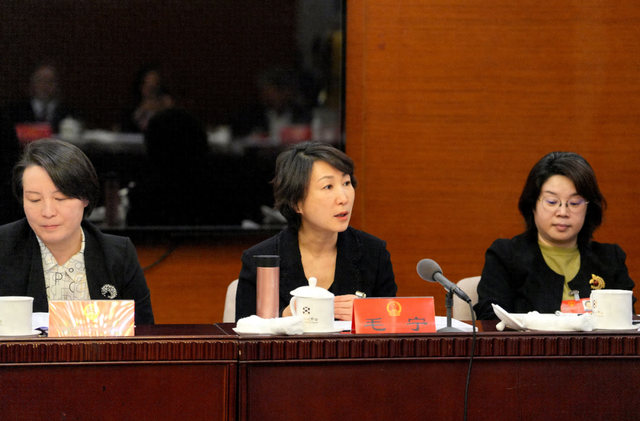
毛宁上北京两会提了2个建议
Xin Lang Cai Jing· 2026-01-25 15:08
Group 1 - The core viewpoint of the article emphasizes the importance of community dining services and urban green spaces in enhancing the quality of life for residents in Beijing [1] Group 2 - The first suggestion made by the representative is to promote consumption by creating more safe and hygienic roadside eateries, small restaurants, and markets to meet personalized consumer demands and invigorate the market [1] - The second suggestion focuses on the construction of garden cities, advocating for the improvement of park management to allow for extended opening hours, thereby increasing public accessibility and enhancing citizen happiness [1]
北京市政府工作报告摘登|进一步提高人民生活品质
Xin Lang Cai Jing· 2026-01-25 07:58
Group 1 - The article emphasizes the integration of urban public transport systems, specifically the deepening of metro and bus network integration, with a target of adding over 40 kilometers of rail transit and achieving a 93% transfer rate within 50 meters between bus and rail [2] - It outlines the goal of completing the renovation of over 300 old residential communities and installing more than 800 elevators in old buildings [4] - The article highlights the aim to create 20 new regional elderly care service centers and increase the proportion of accessible childcare services to 68% [3][4] Group 2 - The article discusses the commitment to pollution prevention, including increasing the proportion of new energy vehicles and enhancing air quality through meticulous dust control and regional cooperation [5] - It mentions the construction of a resilient city framework to enhance disaster response capabilities, including measures for flood prevention and recovery from extreme weather events [6] - The article also details plans for urban beautification, including the creation of 40 new waterfront spaces and 1,000 kilometers of greenways, as well as the establishment of 100 new community micro-parks [5][6]