可持续价值

Search documents
童装行业趋势与2026主题趋势报告-POP趋势服装
Sou Hu Cai Jing· 2025-12-06 01:42
Group 1 - The children's clothing industry in China is experiencing steady growth, with a CAGR of 12% from 2009 to 2019, and a projected CAGR of 6% from 2023 to 2028, driven by increased per capita consumption as the market shifts from "demographic dividend" to "consumption dividend" [1][2] - The competitive landscape is polarized, with adult brands entering the children's segment and strong performance in sports children's clothing, particularly outdoor apparel, which saw sales of nearly 920 million yuan in 2023, a year-on-year increase of 69.1% [1][2] - The main consumer force has shifted to parents from the 90s and 95s generations, characterized by high education and income levels, with 65% holding a bachelor's degree or higher and over 40% having a monthly household income exceeding 20,000 yuan [1][2] Group 2 - Four core factors are driving industry development: specialization in functionality, emotional value, scenario refinement, and sustainability, with 64% of consumers focusing on emotional consumption and 68% of parents prioritizing environmental concerns [2][3] - The 2026 children's clothing trends will focus on four main tracks: functional technology emphasizing practical features, emotional resonance through cultural elements, scenario adaptability for multi-use clothing, and sustainable fashion using eco-friendly materials [2][3] - Color and pattern designs are diversifying, with key colors like Delphinium Blue and Lavender, and patterns inspired by cultural elements leading the trends [3]


茅台董事长陈华股东大会“首秀”:茅台未来信心十足 机遇始终大于挑战
Zheng Quan Shi Bao Wang· 2025-11-28 13:38
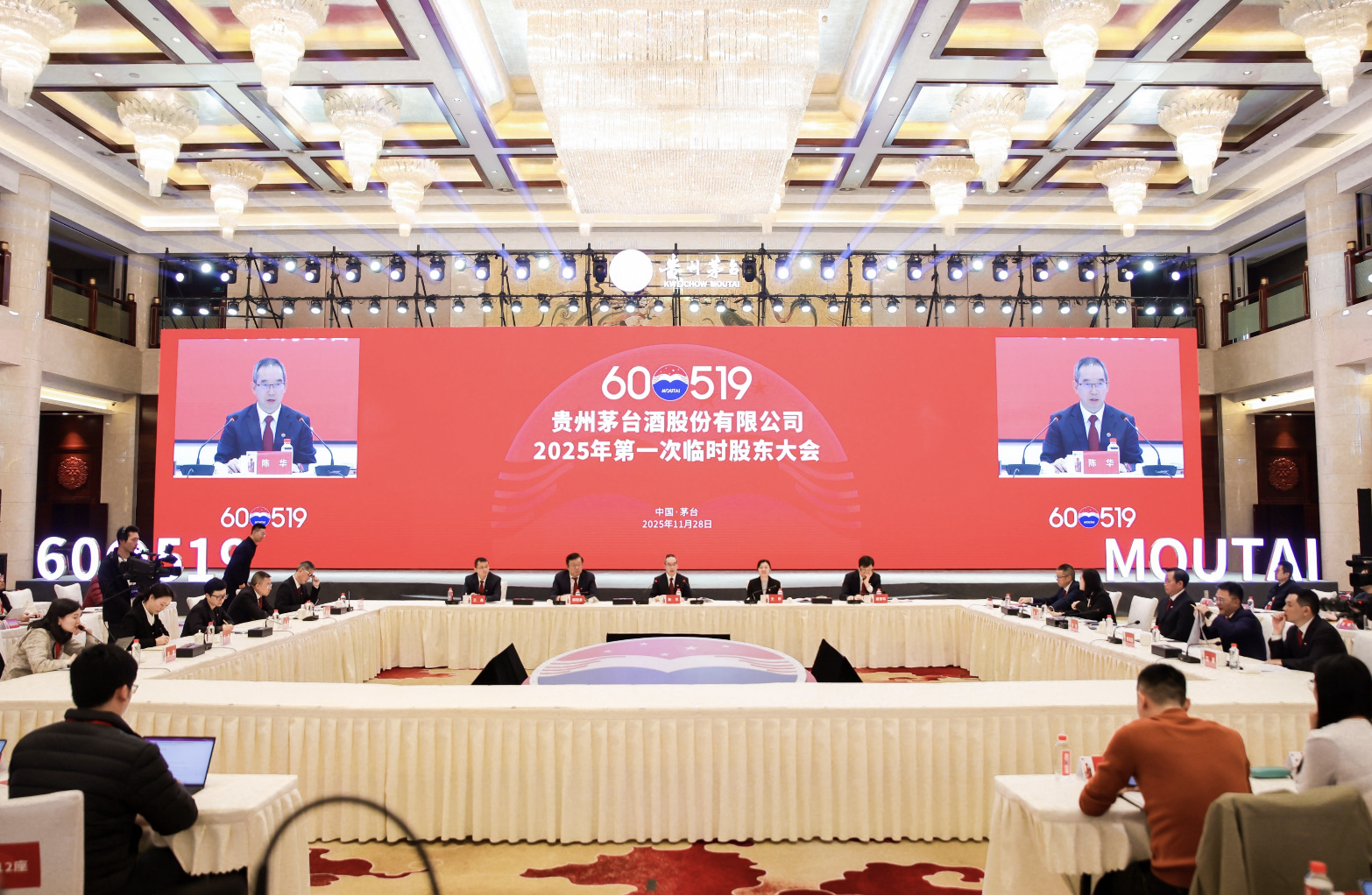
Core Viewpoint - Guizhou Moutai held a temporary shareholders' meeting on November 28, 2023, where six proposals, including the election of directors and a share repurchase plan, were approved, signaling a commitment to high-quality development and sustainable value creation in a challenging market environment [1][3][4]. Group 1: Shareholder Meeting Highlights - The meeting attracted approximately 260 shareholders, reflecting strong support and engagement from investors during a period of deep adjustment in the liquor industry [4]. - Chairman Chen Hua expressed gratitude to shareholders and emphasized that Moutai's opportunities outweigh challenges, maintaining confidence in the company's future [3][5]. Group 2: Strategic Focus Areas - Moutai will focus on five key areas for sustainable development: quality assurance, market-oriented marketing transformation, cultural value enhancement, enterprise transformation and upgrading, and ESG (Environmental, Social, and Governance) practices [6]. - The company aims to provide exceptional products and services to consumers, support employee growth, create sustainable value for investors, ensure mutual benefits with partners, and fulfill social responsibilities as a national brand [5][6]. Group 3: Market Adaptation and Consumer Engagement - Moutai is actively transforming its customer base, service scenarios, and overall service experience to adapt to market demands, particularly focusing on new business sectors and emotional connections in drinking experiences [7][8]. - The company is enhancing its service capabilities by establishing a three-tier service talent system and offering customized services to improve consumer engagement [8][9]. Group 4: Sales Performance and Market Strategy - Moutai's sales performance has shown improvement, with the retail price of its flagship product, 53-degree/500ml Feitian Moutai, stabilizing around 1,831 yuan per bottle, indicating strong brand resilience [10][11]. - The company has strategically reduced market supply to maintain stability and is focusing on optimizing sales channels and enhancing cooperation with distributors to ensure market resilience [11][12]. Group 5: Youth Engagement Strategy - Moutai's approach to youth engagement is nuanced, recognizing the diverse drinking needs across different age groups, and aims to integrate its products into the lifestyles of younger consumers [12]. - The company is committed to maintaining a stable pricing strategy while enhancing value, positioning itself as a benchmark in the industry amidst ongoing price wars in lower-end products [12].

千名公益伙伴昆明作答:公益转型期如何共建可持续价值?
Hua Xia Shi Bao· 2025-11-23 12:57
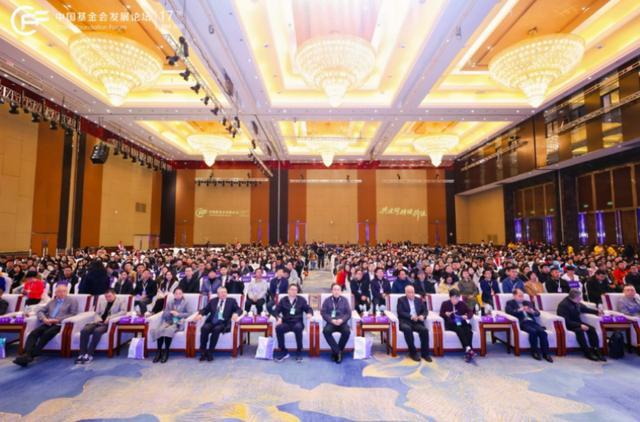
Core Insights - The 2025 China Foundation Development Forum focuses on how public welfare and charity can achieve high-quality development in a changing era, emphasizing the transition from "incremental expansion" to "quality enhancement" [2][3] Group 1: Macro Trends in Philanthropy - There is a consensus that the development of public welfare must be viewed within the context of national macro strategies, with a shift from "investment in material" to "investment in people" highlighted in the 2025 government work report [3] - The importance of service industries is increasingly recognized as a foundation for sustainable development, necessitating resource allocation that adapts to human needs [3][4] Group 2: Industry Transformation - The foundation sector is undergoing significant structural changes, moving from an "incremental era" to a "high-quality era" as indicated by the upcoming revision of the Foundation Management Regulations in 2025 [3][4] - Despite a slowdown in the annual growth rate of foundation establishments, net assets, donation income, and public welfare expenditures continue to grow, indicating a positive long-term outlook [4] Group 3: Diverse Approaches to Sustainable Value - Different stakeholders are exploring various paths to implement "sustainable value," with corporate foundations encouraged to act as "collaborators" rather than isolated entities [5] - Small and medium-sized organizations are advised to balance resource constraints with long-term value pursuits, employing strategies such as collaborative fundraising and internal capacity building [6] Group 4: Regional Perspectives and Cultural Heritage - The forum's location in Yunnan provides a unique regional perspective, with local traditions and historical charitable practices being recognized as vital components of contemporary public welfare efforts [8] - The integration of local cultural heritage into modern philanthropy is seen as a source of innovation and community cohesion, particularly in rural revitalization and cultural transmission [8] Group 5: Infrastructure and Regulatory Support - A robust financial and tax infrastructure is deemed essential for the sustainable development of the foundation sector, with upcoming changes to accounting regulations expected to play a critical role [7] - The forum also featured parallel discussions on various topics, including AI in philanthropy and support for disadvantaged children, contributing to a comprehensive understanding of sustainable value creation [9]