
合资2.0

Search documents
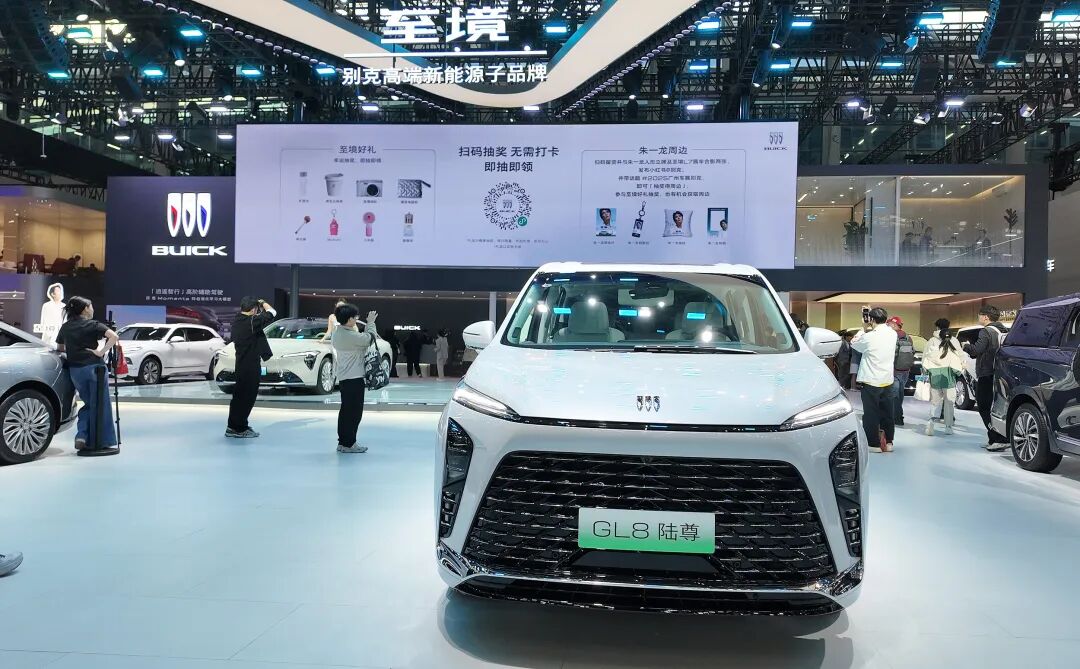
中年别克,不用再靠GL8苦撑了
3 6 Ke· 2026-01-21 11:14
Core Insights - Buick has successfully navigated the challenges of transitioning to new energy vehicles, achieving unexpected growth through its "Joint Venture 2.0" strategy [1][2]. Sales Performance - Buick's sales in China have significantly declined from over 1 million units a decade ago to 360,000 units in 2024, with SAIC-GM reporting a net loss of 26.6 billion yuan that year [2]. - In 2025, Buick's high-end models priced above 300,000 yuan saw a remarkable sales increase of 92.6%, totaling 57,000 units, making it one of the few joint venture brands to achieve significant growth in a challenging high-end market [2]. - The GL8 family of vehicles, particularly in the MPV segment, has shown a year-on-year growth of approximately 23.7%, with total sales exceeding 121,949 units, accounting for nearly 30% of Buick's overall sales [6][8]. Product Strategy - Buick's high-end models include the GL8 fuel version, GL8 plug-in hybrid, Century, and the new high-end brand "至境" (Zhijing) [4]. - The GL8 has historically dominated the business MPV market but faced competition from domestic brands, leading to a decline in sales from 110,000 units in 2023 to 87,700 units in 2024 [6]. - The introduction of the "one-price" sales model has helped stabilize market presence and rebuild dealer confidence, with significant sales increases observed for models like the Envision Plus [9][12]. Technological Advancements - Buick has shifted its R&D focus to local teams, resulting in the development of the "逍遥" (Xiaoyao) architecture and "真龙" (Zhenlong) powertrain, which enhance efficiency and reduce development costs [15][16]. - The new architecture allows for compatibility across various vehicle types and energy sources, marking a significant advancement in Buick's product development capabilities [15]. - The launch of the 至境L7, Buick's first model developed by a Chinese team, has garnered over 12,000 pre-orders within ten days, indicating strong market interest [19]. Future Outlook - Buick plans to launch six new energy vehicles within a year based on the Xiaoyao architecture, including the upcoming 至境E7 SUV and a pure electric version of the 至境世家 [19]. - The transition to a more localized and aggressive strategy positions Buick as a leader in the evolving automotive landscape, showcasing a shift from traditional joint ventures to a more autonomous and innovative approach [19].

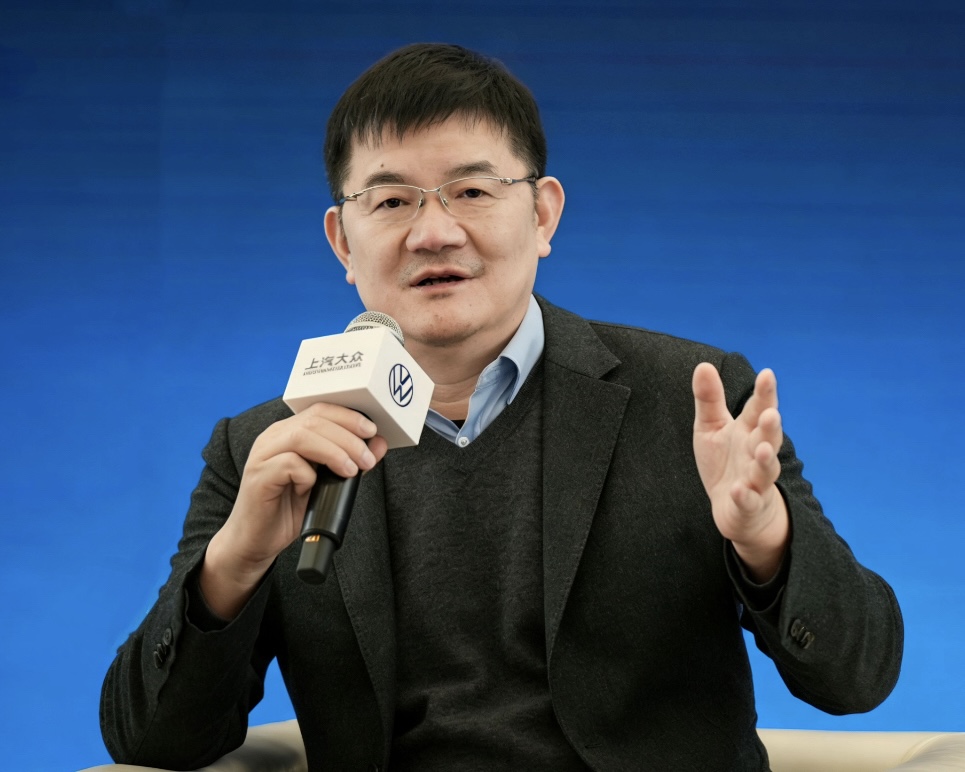
陶海龙:106万辆背后,新上汽大众整装待发
Zhong Guo Qi Che Bao Wang· 2026-01-01 14:32
Core Insights - A rational value reconstruction is occurring in the Chinese automotive industry, with SAIC Volkswagen achieving a stable sales figure of 1.06 million units in 2025, maintaining its scale while increasing its market share in fuel vehicles [1][3] - The company has transitioned from "Joint Venture 1.0" to "Joint Venture 2.0," preparing for a new offensive in the new energy sector [1][3] Group 1: Market Position and Strategy - The Chinese automotive industry is shifting from chaotic strategic expansion to a more rational and stable development track, with a focus on value competition [3] - SAIC Volkswagen emphasizes long-termism and sustainable development, viewing 2025 as a crucial period for strengthening its position in the market [3] - The company achieved its sales target of 1.06 million units through strategic decisions that prioritize operational essence, such as avoiding pressure on dealers and refraining from participating in irrational price wars [3][5] Group 2: Product Development and Innovation - SAIC Volkswagen continues to invest in traditional strengths, with a strategy of "oil and electricity advancing together," focusing on intelligent upgrades of its Pro family models [5] - The company plans to maintain a 35% market share for fuel vehicles, ensuring ongoing investment and product launches [5] Group 3: Organizational Transformation - The transition from Joint Venture 1.0 to Joint Venture 2.0 involves significant challenges, particularly in breaking away from traditional technology-driven models [6][8] - SAIC Volkswagen is restructuring its organization and processes by adopting management methodologies from tech companies, aiming for a responsive and agile organizational structure [8] - The company is integrating user demands and market conditions into its R&D and marketing systems, embodying the principle of "in China, for China" [8] Group 4: Brand Renewal and Market Strategy - The year 2025 is seen as a foundational year, while 2026 is anticipated to be a year of offensive strategies, with plans to launch seven new energy products [9] - The brand's core values are defined as "progressive, reliable, and caring," reflecting a commitment to integrating global technology with local innovation [11] - The company aims to reshape its brand image through new product launches, ensuring that user needs are closely aligned with product definitions and service systems [11][12]

奥迪E5 Sportback 9月16日正式上市
Xin Hua Cai Jing· 2025-09-16 01:41
Core Insights - The Audi E5 Sportback, Audi's first intelligent electric vehicle equipped with quattro, is set to officially launch on September 16, marking a significant step in Audi's electrification strategy in the Chinese automotive market [1][2] - Since the pre-sale began on August 18, the Audi E5 Sportback has garnered widespread attention due to its unique appeal and strong product capabilities, with a competitive starting price of 235,900 yuan [1][2] Group 1 - The launch of the Audi E5 Sportback represents an important milestone in Audi's deepening electrification efforts in China and is a significant achievement in SAIC Volkswagen's "Joint Venture 2.0" phase [2] - The "oil-electric simultaneous advancement" strategy of SAIC Volkswagen is being steadily implemented, showcasing a clear product lineup and technological roadmap [2] - The Audi E5 Sportback is expected to inject new vitality into the luxury electric vehicle market, providing consumers with a superior and diverse travel experience [2]