品牌即品类

Search documents
中国玩具解困:成为乐高,超越乐高
Bei Jing Shang Bao· 2026-01-15 16:32
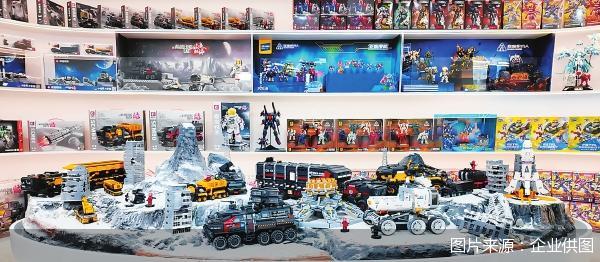
Core Insights - The dominance of the LEGO brand in the consumer's mind highlights the challenges faced by domestic toy companies in China, particularly in the building block segment [1][10] - Domestic brands are struggling with price competition, limiting their profit margins and ability to invest in hardware such as raw materials and molds [1][8] - The rise of collectible blind boxes has transformed toys into emotional carriers and social currency, appealing to consumers of all ages [1][13] Pricing and Market Dynamics - Domestic building block brands are often priced at 1/5 to 1/10 of LEGO's prices, with typical price ranges from 9.9 to 399 yuan [3][7] - The price competition hampers long-term brand building and consumer engagement for many domestic brands [3][8] - The strategy adopted by companies like Senbao focuses on cultural emotional connections through domestic IPs, avoiding direct price competition [3][4] Cultural and Emotional Connection - Domestic brands are leveraging local cultural IPs to resonate with consumers, while LEGO relies on global IPs like Marvel [4][10] - The success of military-themed building blocks reflects a strong emotional connection to national pride among consumers [6][10] - The market for IP toys is projected to grow significantly, with a forecasted increase from 64.4% in 2023 to 74.5% by 2028 [11] Industry Growth and Challenges - The Chinese building block market experienced a compound annual growth rate of 30% to 50% over six years, but growth has slowed to about 5% to 10% recently [12] - Companies are increasingly looking to international markets as a strategic direction to match global growth opportunities [12] - The key challenge for domestic brands is transitioning from a manufacturing advantage to building brand value [12][15] Consumer Behavior and Trends - The adult consumer segment is becoming a significant force in the toy market, with purchases driven by emotional value and social connections rather than just for children [13][14] - The trend of "meaningful consumption" reflects a shift in consumer behavior towards emotional and social engagement through toys [14][15] - The emergence of unique domestic IPs is creating new avenues for consumer engagement and brand differentiation [11][15]

去年淘宝上衍生周边成交量超百亿元 潮玩行业可能出现下一个泡泡玛特吗?
Mei Ri Jing Ji Xin Wen· 2025-04-19 13:03
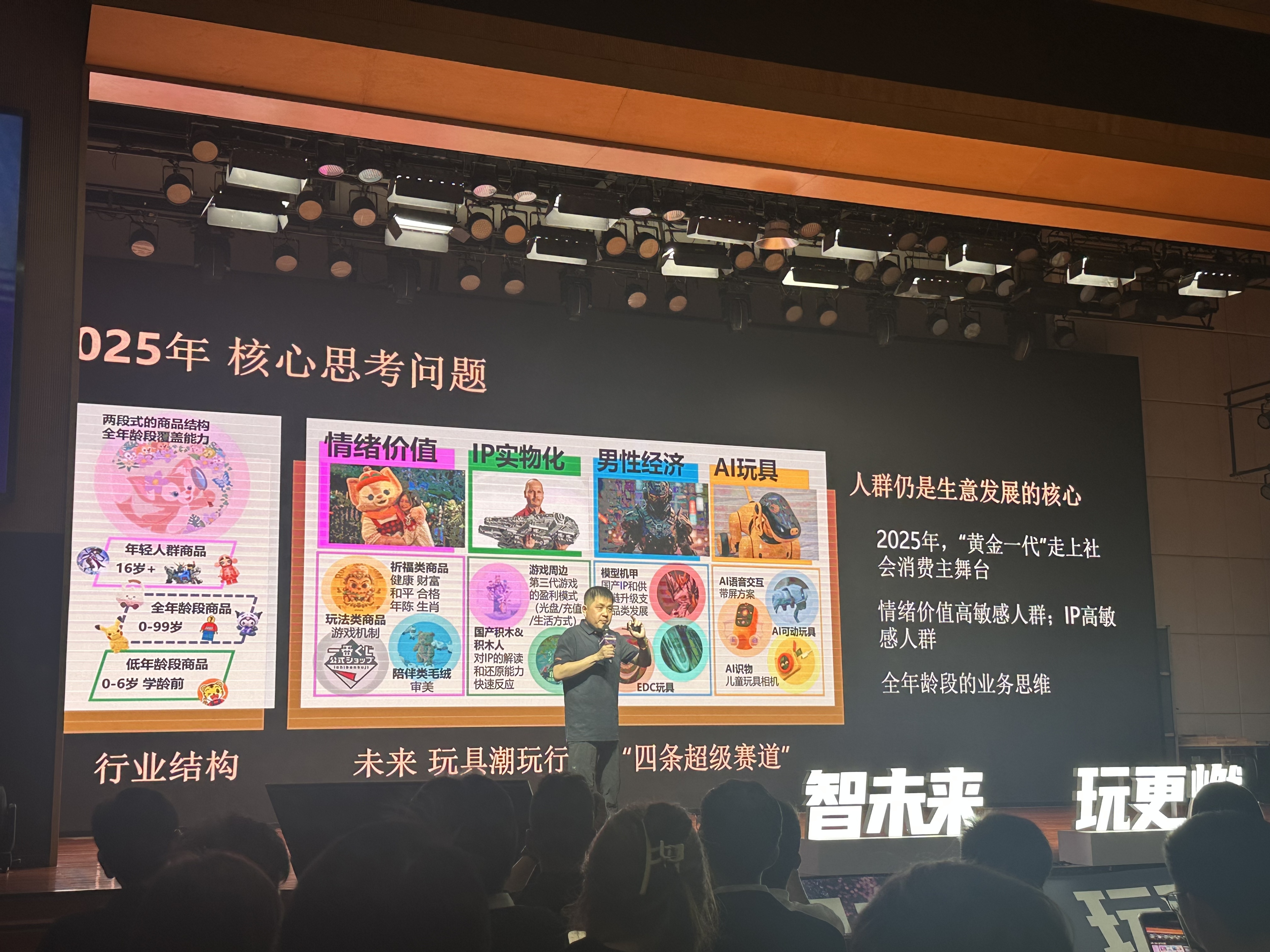
Core Insights - The toy industry is predicted to evolve towards four major trends in the next five years: emotional value, IP (Intellectual Property) materialization, male economy, and AI (Artificial Intelligence) toys [1] - The market size of China's toy and trendy toy industry is approximately 153.6 billion yuan, indicating significant growth potential [1] - The rise of derivative products related to popular IPs is creating a substantial market, with the example of "Nezha 2" generating over 300 million yuan in sales within a month [5] Group 1: Industry Trends - The toy industry is transitioning from niche to mainstream, with significant sales figures reported on platforms like Taobao, including over 1 billion yuan in derivative product sales in 2024 [1] - The focus of Taobao's toy offerings has shifted over the years, from maternal and infant toys to blind boxes, and now to plush toys, which have become the leading category [4] - The EDC (Every Day Carry) toy segment has seen a remarkable increase, with search volume up 532% and transaction volume up 345% year-on-year in 2024 [4] Group 2: Brand Development - The toy industry is moving towards brand-oriented development, with many manufacturers transitioning from OEM to brand marketing strategies [5][6] - The success of brands like Bubble Mart has demonstrated that high-value toys can be marketed effectively, influencing the industry's approach to pricing and value [10] - The concept of "brand equals category" is emphasized, suggesting that successful brands can dominate their respective markets, as seen with Lego and Bubble Mart [9] Group 3: Market Opportunities - The potential for new companies to emerge in the toy industry is significant, with the possibility of 3 to 10 new publicly listed companies in the future [13] - The industry's evolution from practicality to emotional value reflects changing consumer preferences for personalized and high-value toys [13] - The success of Bubble Mart has shown that Chinese toy companies can achieve substantial market valuations, although replicating its success may be challenging [13]