积木

Search documents
烟火市集酿出消费新潮流
Xin Hua Ri Bao· 2026-02-24 13:53
Core Insights - The rise of various themed markets in Jiangsu during the Spring Festival has revitalized local cultural tourism consumption, blending tradition with modern trends [1][4][6] Group 1: Market Popularity - Unique handmade products, such as the foldable lamps from Jiji Cultural Creation, have driven consumer interest, with sales reaching over 20 units daily during the holiday [1][2] - The market in Huai'an saw a significant increase in foot traffic, with daily sales averaging around 3,000 yuan, reflecting a 30% year-on-year increase [3] - The popularity of traditional snacks, like Mei Hua cake, has also surged, with daily sales reaching 600 to 700 portions, emphasizing the importance of authentic ingredients [3] Group 2: Consumer Engagement - Markets like "Meili Good Market" attract 30,000 to 50,000 visitors daily by integrating local culture and appealing to younger consumers with modern food options [4] - The "Nanjing East Market" showcases local crafts and traditional snacks, enhancing the cultural experience for visitors [5] - The emotional and social aspects of markets provide a unique atmosphere that contrasts with online shopping, fostering community connections [6] Group 3: Brand Differentiation - Some markets face challenges due to a lack of local cultural depth and originality, leading to consumer fatigue from similar offerings [7] - Successful vendors emphasize product quality, freshness, and presentation to attract customers, highlighting the importance of visual appeal in food sales [7][8] - Innovative approaches, such as integrating local heritage with modern design, are essential for attracting younger audiences and maintaining market vitality [8][9] Group 4: Cultural Integration - Deep exploration of local culture and history is crucial for creating a unique market identity that resonates with consumers [9] - The integration of markets with local attractions enhances visitor engagement and extends their stay, contributing to the overall cultural tourism experience [10]
汕头“数字枢纽”加快推动本地特色产业乃至全国产业走向全球 春节不打烊 广货出海忙
Nan Fang Ri Bao Wang Luo Ban· 2026-02-24 08:45
Core Insights - The Shantou Cross-Border Digital Economy Industrial Park has attracted 130 companies since its launch, serving as a digital platform for local products to reach global markets [1][2] - The West Moon & 1688 Shantou Cross-Border Selection Center operates a digital B2B platform, serving over 100 brands and facilitating nearly 100,000 daily shipments [2] - The collaboration between Shantou's textile and apparel industry and Thailand's Charoen Pokphand Group marks a significant milestone, with orders valued at nearly 10 million yuan [3] Group 1 - The Shantou Cross-Border Digital Economy Industrial Park is the first of its kind in Guangdong, focusing on an innovative model of "industrial belt + cross-border e-commerce" [1] - The West Moon platform provides a comprehensive solution for cross-border sellers, including product selection, sales, and fulfillment, enabling lightweight operations [2] - The platform has established over 30 self-operated warehouses overseas, covering regions such as North America, Europe, and Southeast Asia [2] Group 2 - The rise of industrial clusters in the Chaoshan region has led to an increase in the export of local products, with significant orders being fulfilled for the first time by companies like Guangdong Bailian [3] - The Shantou Cross-Border Digital Economy Industrial Park aims to innovate cross-border data flow and serve as a new hub for cross-border digital economy [3] - Companies like Baoshuan Cross-Border are focusing on building a one-stop cross-border service ecosystem to enhance local enterprises' global outreach [3]
谷子上市潮,重点看什么?
创业邦· 2026-02-05 03:08
Core Viewpoint - The article discusses the rise of the "Guzi Economy" in China, particularly focusing on the booming market for collectible toys and related IP products, highlighting the importance of IP in driving growth and competition in this sector [5][7][19]. Group 1: Market Overview - The "Guzi Economy" refers to the market for IP-related products, including toys, comics, and games, which has gained significant traction among young consumers, largely unaffected by macroeconomic conditions [7][19]. - The market size for the Guzi Economy is projected to grow from approximately 1.7 trillion yuan in 2024 to over 2.4 trillion yuan in 2025, and is expected to exceed 3 trillion yuan by 2027 [13][19]. - The number of active users in the broader two-dimensional market is expected to surpass 350 million by 2025, with over 12 million consumers specifically interested in Guzi products [13][19]. Group 2: Key Players and IPOs - Several companies are preparing for IPOs in the Guzi Economy, including 52TOYS, which is closely modeled after Pop Mart, and has received strategic investment from Wanda Film [8][10]. - Other notable companies include Copper Master, which has received investment from Lei Jun, and TOP TOY, a brand spun off from Miniso, which is also pursuing an IPO [10][11]. - The rapid pace of IPOs reflects the growing interest and investment in the Guzi Economy, with companies like 52TOYS and Suplay aiming to capture market share in the collectible toy segment [10][11]. Group 3: Importance of IP - The core of the competitive landscape in the Guzi Economy is the ownership and development of IP, which is essential for driving sales and brand loyalty [19][25]. - Companies like Pop Mart and Card Game have successfully leveraged popular IPs such as Ultraman and My Little Pony to fuel their growth, while also developing their own IPs [19][25]. - The reliance on external IP poses risks, as companies must navigate licensing costs and the potential expiration of IP rights, making the cultivation of proprietary IP increasingly important [25][26]. Group 4: Future Outlook - Upcoming financial reports from major players like Pop Mart and Bluko will be critical in shaping market expectations and investor confidence in the Guzi Economy [29]. - The ability of these companies to maintain the influence of their existing IPs and develop new ones will be pivotal for their continued success and market valuation [29].



中国玩具解困:成为乐高,超越乐高
Bei Jing Shang Bao· 2026-01-15 16:32
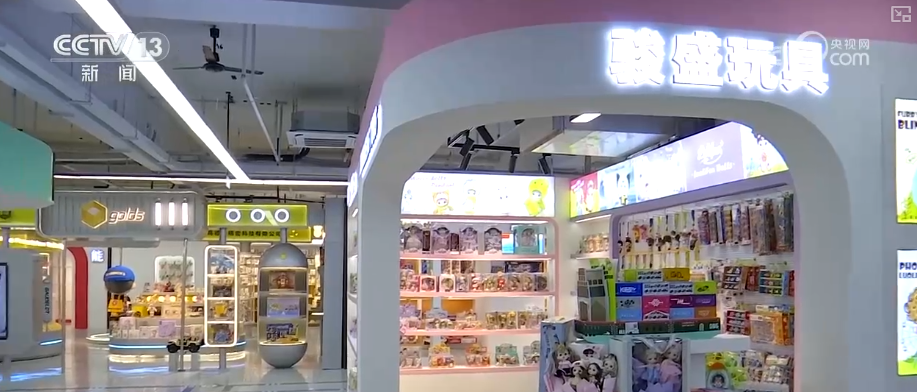
Core Insights - The dominance of the LEGO brand in the consumer's mind highlights the challenges faced by domestic toy companies in China, particularly in the building block segment [1][10] - Domestic brands are struggling with price competition, limiting their profit margins and ability to invest in hardware such as raw materials and molds [1][8] - The rise of collectible blind boxes has transformed toys into emotional carriers and social currency, appealing to consumers of all ages [1][13] Pricing and Market Dynamics - Domestic building block brands are often priced at 1/5 to 1/10 of LEGO's prices, with typical price ranges from 9.9 to 399 yuan [3][7] - The price competition hampers long-term brand building and consumer engagement for many domestic brands [3][8] - The strategy adopted by companies like Senbao focuses on cultural emotional connections through domestic IPs, avoiding direct price competition [3][4] Cultural and Emotional Connection - Domestic brands are leveraging local cultural IPs to resonate with consumers, while LEGO relies on global IPs like Marvel [4][10] - The success of military-themed building blocks reflects a strong emotional connection to national pride among consumers [6][10] - The market for IP toys is projected to grow significantly, with a forecasted increase from 64.4% in 2023 to 74.5% by 2028 [11] Industry Growth and Challenges - The Chinese building block market experienced a compound annual growth rate of 30% to 50% over six years, but growth has slowed to about 5% to 10% recently [12] - Companies are increasingly looking to international markets as a strategic direction to match global growth opportunities [12] - The key challenge for domestic brands is transitioning from a manufacturing advantage to building brand value [12][15] Consumer Behavior and Trends - The adult consumer segment is becoming a significant force in the toy market, with purchases driven by emotional value and social connections rather than just for children [13][14] - The trend of "meaningful consumption" reflects a shift in consumer behavior towards emotional and social engagement through toys [14][15] - The emergence of unique domestic IPs is creating new avenues for consumer engagement and brand differentiation [11][15]
“玩具广东造 千亿全球行”系列活动举办
Guang Zhou Ri Bao· 2026-01-15 10:09
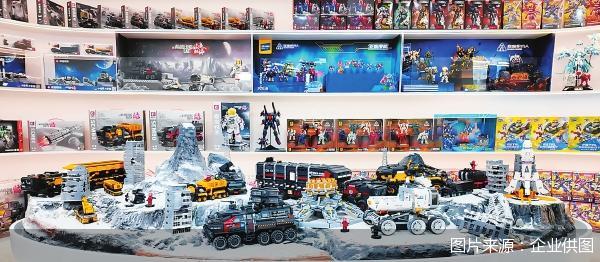
Core Viewpoint - The event "Toys Made in Guangdong, Global Reach of Trillions" highlights Guangdong's dominance in toy manufacturing and export, particularly in Dongguan, which is a key hub for trendy toys in China [1] Industry Overview - Guangdong is the largest toy production and export base in China, with Dongguan producing nearly 85% of the country's trendy toys [1] - The scale of the toy industry in Dongguan accounts for 38% of the province's toy industrial output value, with over 5,000 companies involved in trendy toy production [1] Regional Focus - Shipaizhen, known as the "Trendy Toy Town," contributes approximately one-third of Dongguan's trendy toy output value and has been recognized as a key industrial cluster by the Ministry of Industry and Information Technology for 2025 [1] - The region is accelerating its development to become the largest trendy toy manufacturing base in the Greater Bay Area [1]
中国玩具解困:不止于“性价比” 押注文化IP与情感价值
Bei Jing Shang Bao· 2026-01-15 05:00
Core Insights - The dominance of LEGO in the toy market highlights the challenges faced by domestic brands in China, particularly in the building block segment, where price competition limits profit margins and investment capabilities [1][9] - Domestic brands are shifting focus towards cultural emotional connections and IP development to differentiate themselves from LEGO and establish a competitive edge [2][3] Market Dynamics - The toy market is experiencing significant growth, driven by adult consumers and the rise of collectible trends, with domestic brands facing intense competition on pricing, design, and branding [2][12] - The price range for domestic building blocks typically falls between 9.9 yuan and 399 yuan, significantly lower than LEGO's pricing, which can be three to five times higher [2][6] Brand Strategy - Domestic brands like Senbao are adopting strategies centered around cultural IP, such as military themes and local cultural narratives, to connect emotionally with consumers and avoid direct price competition [2][3] - The success of military-themed products, such as the Shandong aircraft carrier model, demonstrates the market potential for culturally resonant IP [4][10] Production Challenges - The primary hardware gap between domestic brands and LEGO lies in raw material quality, with domestic brands facing a 20%-30% cost difference in materials, impacting their ability to compete on quality [6][7] - While domestic brands have made advancements in injection molding technology, the precision of molds remains a challenge, with costs significantly lower than LEGO but quality still lagging [7][8] Consumer Behavior - The shift in consumer demographics towards adults has transformed toys into emotional and social commodities, with a growing trend of collecting and personal expression through toys [12][14] - The emergence of unique domestic IPs, such as LABUBU and wakuku, reflects a growing consumer desire for personalized and culturally relevant products [10][12] Future Outlook - The Chinese toy market is entering a golden period, with government support for local IP development and innovative design, indicating a favorable environment for domestic brands to enhance their market presence [15] - The transition from manufacturing advantages to brand value is crucial for domestic brands to establish a strong foothold in both local and international markets [11][15]
中国玩具解困:不止于“性价比”,押注文化IP与情感价值
Bei Jing Shang Bao· 2026-01-15 04:22
Core Insights - The dominance of LEGO in the toy market is evident, as consumers often equate "buying building blocks" with "buying LEGO," highlighting the brand's strong association with the category [1][13] - Domestic brands face significant challenges, including price competition and limited profit margins, which hinder their ability to invest in materials and innovation [1][12] Market Dynamics - The rise of collectible blind boxes has transformed toys into emotional and social currency, appealing to consumers of all ages [1][16] - The domestic building block market is characterized by a wide price range, with products priced between 9.9 yuan and 399 yuan, often significantly lower than LEGO's prices [3][12] Brand Strategy - Domestic brands like Senbao are focusing on cultural emotional connections and leveraging local IPs to differentiate themselves from LEGO, which relies on global IPs like Marvel [4][12] - Senbao's strategy includes a clear focus on "national trend IPs" and military-themed products that resonate with local consumers [4][7] Production and Quality - The gap in quality between domestic brands and LEGO is primarily due to differences in raw materials, with domestic brands facing a 20%-30% cost disadvantage [8][11] - While domestic companies have made strides in injection molding technology, they still lag in mold precision, which affects product quality [11][12] Consumer Trends - The adult consumer segment is becoming increasingly important, with purchases driven by emotional connections and the desire for collectibles rather than just children's toys [18][19] - The trend of "meaningful consumption" is emerging, where consumers are willing to pay a premium for innovative designs and limited editions [19][20] Future Outlook - The Chinese IP toy market is projected to grow significantly, with expectations of reaching 74.5% market share by 2028 [15] - Domestic brands are encouraged to shift from a manufacturing focus to building brand value, which requires time and a clear differentiation in product innovation and consumer engagement [15][20]
产业升级催生消费升级,新兴城市成为新增长极
Jing Ji Guan Cha Wang· 2026-01-12 09:48
Core Insights - The geographical landscape of China's consumer market is shifting from traditional first-tier cities to emerging urban areas, indicating a significant change in consumption growth dynamics and brand competition [1][7] Group 1: Consumption Trends - The "Box District Housing Index" shows that cities like Shijiazhuang, Xuzhou, and Linyi have indices of 171, 141, and 127 respectively, significantly above the national average of 100, highlighting the rising consumption power in these emerging cities [1] - Retail brands such as Xixifu Bookstore and outdoor brand Salomon are expanding into emerging markets, confirming the trend of a silent yet profound geographical migration in consumption [1] - Consumers in emerging cities are increasingly seeking quality and unique experiences, aligning their demands with those of consumers in first-tier cities [3][4] Group 2: Industrial Upgrades - Industrial upgrades are driving the transformation of cities and reshaping the consumption base, with cities like Yibin becoming key players in the power battery industry, achieving over 100 billion in output value in both 2023 and 2024 [2] - Hefei has emerged as a leader in the new energy vehicle sector, producing 1.097 million vehicles from January to October 2025, and hosting numerous core component enterprises, establishing a robust industrial cluster [2] Group 3: Consumer Behavior Changes - The influx of skilled workers and rising disposable incomes in emerging cities are creating a new consumer demographic with unique spending power, leading to increased consumption [3] - Data shows that 55.7% of non-first-tier cities have GDP growth rates exceeding the national average, with 65.2% of third-tier cities and 60.7% of fourth-tier cities also outperforming the national growth rate [3] Group 4: Retail Innovations - Brands like Hema are transforming traditional shopping experiences into multi-functional destinations that combine dining, socializing, and shopping, thus enhancing consumer engagement [6] - Hema's new stores have seen immediate success, with significant sales figures reported on opening days, indicating strong market demand and consumer interest [6] Group 5: Future Outlook - The shift in consumption dynamics suggests that retail brands capable of maintaining competitiveness in high-tier cities while successfully penetrating emerging markets will likely emerge as the biggest winners [7][8] - The evolving consumer landscape in emerging cities is characterized by a growing demand for quality products and experiences, which is reshaping the retail industry [8]

“科技+金融”双轮驱动助力企业赢得竞争力 智能玩具成为拉动经济增长新引擎
Yang Shi Wang· 2025-12-10 03:06
Group 1 - The core viewpoint is that the Chenghai District in Shantou, Guangdong is actively seizing the "Artificial Intelligence + Toys" new track, empowering local enterprises through intelligent transformation and product innovation, leading to increased market demand for new products like robotic dogs and AI globes [1][13] - The toy creative industry is a pillar industry in Chenghai, contributing over 70% of local industrial output value and employment, with more than 200 enterprises implementing intelligent transformation [13] - The annual output value of toys in the district exceeds 50 billion yuan, with exports to over 140 countries and regions, and the smart toy category has maintained a growth rate of over 30% for three consecutive years, becoming a new engine for economic growth [18] Group 2 - A large toy exhibition in Chenghai features over 60,000 products across 7,000 booths, attracting attention from domestic and international buyers [4] - A cultural development company plans to launch AI toys on a large scale by 2025, enhancing self-research capabilities in intelligent interaction and focusing on emotional companionship products for adults [9] - Postal Savings Bank's Chenghai branch has provided credit support exceeding 1.6 billion yuan to over 2,100 toy enterprises, with a significant increase of 120% in loans for technology innovation, including AI research and development [15]
下一个电商黄金十年:他们在拉美找到了增长密码
创业邦· 2025-12-04 10:45
Core Insights - The article highlights the significant growth potential of the Latin American e-commerce market, particularly through the performance of major players like Mercado Libre, which reported a 70.8% year-on-year increase in sales in Mexico during the Buen Fin promotion [5][6]. - Despite a global slowdown in e-commerce growth, Latin America is projected to maintain a robust compound annual growth rate (CAGR) of 9.43% from 2025 to 2029, making it the second-highest growth region globally [6][7]. - The article emphasizes the importance of localization and understanding consumer preferences in Latin America, as successful brands adapt their products and marketing strategies to meet local demands [15][24]. E-commerce Growth in Latin America - Latin America's e-commerce market has shown consistent growth, with a projected total transaction value of $633 billion by 2024, reflecting a sustained annual growth rate of over 20% since 2019 [5][6]. - The region's e-commerce sales currently account for only 12-15% of total retail sales, indicating significant room for growth compared to more mature markets like China and North America [13][14]. - The demographic structure, with a large proportion of young consumers, coupled with improved digital infrastructure, is driving the rapid expansion of e-commerce in the region [14][15]. Consumer Behavior and Preferences - Latin American consumers exhibit a strong inclination towards online shopping, with 16% of the middle to high-income population shopping online daily and 53% weekly [14]. - The local culture emphasizes immediate consumption, influenced by the prevalence of weekly pay cycles, which encourages spending rather than saving [14]. - Consumer preferences in Latin America differ significantly from other regions, with a greater emphasis on product reviews and detailed information rather than promotional advertising [16][23]. Localization Strategies - Successful brands in Latin America, such as GameSir and Amazing Bloks, have tailored their products to meet local needs, demonstrating the importance of deep localization [15][24]. - For instance, GameSir adapted its gaming controllers to address specific consumer preferences in the region, leading to substantial sales increases during promotional periods [10][23]. - Understanding local aesthetics and cultural preferences is crucial, as evidenced by Amazing Bloks' shift to darker color themes that resonate more with Latin American consumers [21][24]. Competitive Landscape - The Latin American e-commerce market is becoming increasingly competitive, with major platforms like Mercado Libre capturing a significant market share of 26% in 2024 [28]. - The article stresses the necessity for brands to choose the right platforms for entry into the market, as local knowledge and infrastructure are vital for success [26][29]. - Long-term commitment and investment in product and service refinement are essential for brands aiming to thrive in the Latin American e-commerce landscape [29].