国潮IP

Search documents
衢州夫妇卖卡牌 赚得600亿身家
2 1 Shi Ji Jing Ji Bao Dao· 2026-02-17 16:04
Core Viewpoint - The company KAYOU, led by founder Li Qibin, is leveraging popular IPs to transform trading card games into a billion-dollar business, aiming to integrate these products into mainstream cultural consumption through strategic partnerships and innovative marketing initiatives [1][3][15]. Group 1: Business Performance and Strategy - KAYOU plans to sell 4.8 billion packs of cards in 2024, generating revenue of 10 billion yuan with a net profit of 4.466 billion yuan, maintaining a gross margin of around 70% for three consecutive years [6]. - The company has a strong reliance on a few major IPs, with over 80% of its revenue coming from non-exclusive licenses of popular brands like Ultraman and My Little Pony, which poses a risk of renewal [6][8]. - KAYOU is expanding its product offerings by collaborating with over 30 domestic IPs, aiming to elevate trading cards from mere entertainment products to new cultural consumption symbols [15][19]. Group 2: Market Expansion and Product Diversification - The company is actively diversifying its product lines, including plush toys and stationery, with a notable focus on the "Zero Series" of pens, which has seen a compound annual growth rate of over 370% from 2022 to 2024 [21]. - KAYOU has established a distribution network with 217 dealers across 31 provinces, although it has limited self-operated stores [19]. - The company is also collaborating with Tencent Games to launch physical card competitions based on popular games like "Honor of Kings" [9]. Group 3: Cultural Integration and IP Development - KAYOU is focusing on integrating national cultural elements into its products, having developed its first proprietary IP, "KAYOU Three Kingdoms," and collaborating with renowned artists for themed card sets [11][15]. - The company aims to reduce negative perceptions associated with trading card blind boxes, which have been criticized for promoting irrational spending among minors [8]. - KAYOU's partnership with the Spring Festival Gala marks a significant step in positioning trading cards within mainstream culture [1][15].

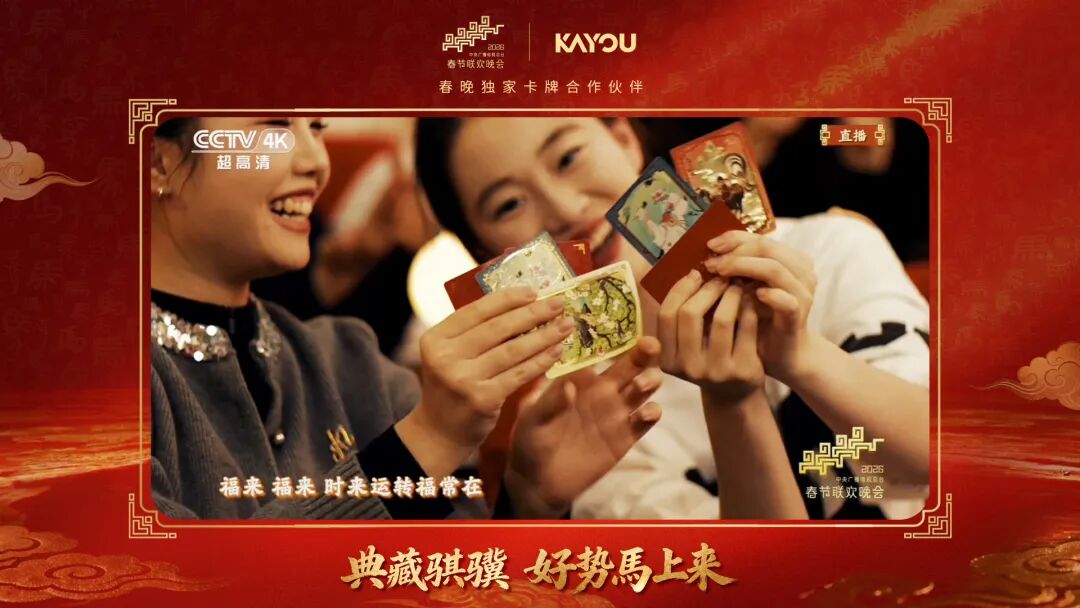
次元壁破了!卡游亮相马年总台春晚
Xin Lang Cai Jing· 2026-02-17 13:15
Core Viewpoint - The collaboration between KAYOU and the Spring Festival Gala marks a significant milestone as it is the first time a cultural consumption brand has partnered with the event, showcasing the evolving landscape of cultural engagement in China [7][9]. Group 1: Event Highlights - KAYOU was introduced as the exclusive card partner for the 2026 Spring Festival Gala, a notable achievement for a domestic company in the cultural sector [7]. - The event featured a unique "card rain" moment during a performance, where various collectible cards were distributed, creating an interactive experience for the audience [4][6]. - The launch of 20,000 sets of the "Qiji Chicheng" collectible cards coincided with the gala, which sold out almost instantly on KAYOU's Tmall flagship store [4]. Group 2: Market Trends - The offline card market is experiencing a surge in demand for products themed around traditional culture, with KAYOU reporting high popularity for its products that incorporate national trends [6]. - KAYOU's success is attributed to its deep understanding of cultural narratives and its ability to resonate with younger audiences, bridging the gap between traditional culture and modern consumer preferences [12][16]. Group 3: Company Background - KAYOU, established in 2011, has become a leader in the collectible card industry, known for its innovative products and commitment to authentic licensing [9]. - The company has developed a diverse IP matrix that includes over 30 national trend IPs, effectively capturing the interest of various consumer demographics [15][16]. Group 4: Cultural Impact - The partnership with the Spring Festival Gala signifies a shift in the perception of collectible cards from a niche market to a mainstream cultural phenomenon [10][13]. - KAYOU's products are not only popular domestically but are also positioned as cultural ambassadors in international markets, promoting Chinese culture globally [15][16].

“当代年礼”承文脉 方寸卡牌传祝福
Bei Jing Wan Bao· 2026-02-13 06:42
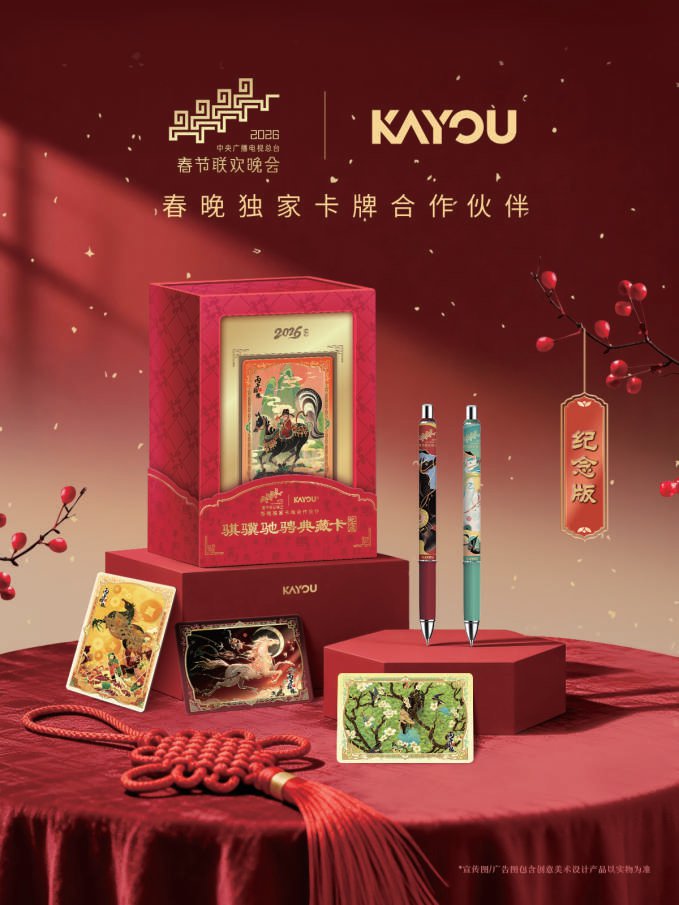
Core Viewpoint - The collaboration between the Central Radio and Television Station and KAYOU marks KAYOU as the exclusive card partner for the 2026 Spring Festival Gala, aiming to blend traditional culture with modern aesthetics and technology, appealing to the younger generation and enhancing cultural connections during the festive season [1][7]. Group 1: Collaboration and Cultural Significance - KAYOU's partnership with the Spring Festival Gala is a significant step in merging traditional cultural elements with contemporary trends, creating a unique cultural experience for the audience [1][7]. - The collaboration will feature a series of collectible cards that embody auspicious meanings and showcase modern aesthetics, enhancing the cultural experience of the Spring Festival [1][3]. Group 2: Product Offering and Cultural Heritage - The KAYOU collectible card set includes eight themed cards that reflect classic poetry, historical artifacts, and traditional aesthetics, creating a micro art epic that spans thousands of years of cultural memory [4][6]. - Each card in the collection is designed to convey deep cultural meanings and emotional values, allowing consumers to appreciate the rich heritage behind the products [3][6]. Group 3: Innovation and Market Strategy - KAYOU has developed a diverse IP ecosystem that includes cards, stationery, and plush toys, driven by a dual focus on culture and technology, which enhances the appeal to younger consumers [7][8]. - The company has established partnerships with nearly 70 well-known IPs, with over 40% being domestic cultural IPs, indicating a strong market presence and ongoing expansion [7][8]. Group 4: Global Expansion and Cultural Promotion - KAYOU is actively pursuing global expansion by establishing subsidiaries in various countries, aiming to introduce Chinese cultural products to a wider audience [9]. - The company seeks to break cultural and language barriers through lightweight cultural products, allowing global consumers to experience the charm of Chinese culture [9].
“泡泡玛特平替”生意做大了,估值40亿准备上市啦
Yang Zi Wan Bao Wang· 2026-01-31 08:57
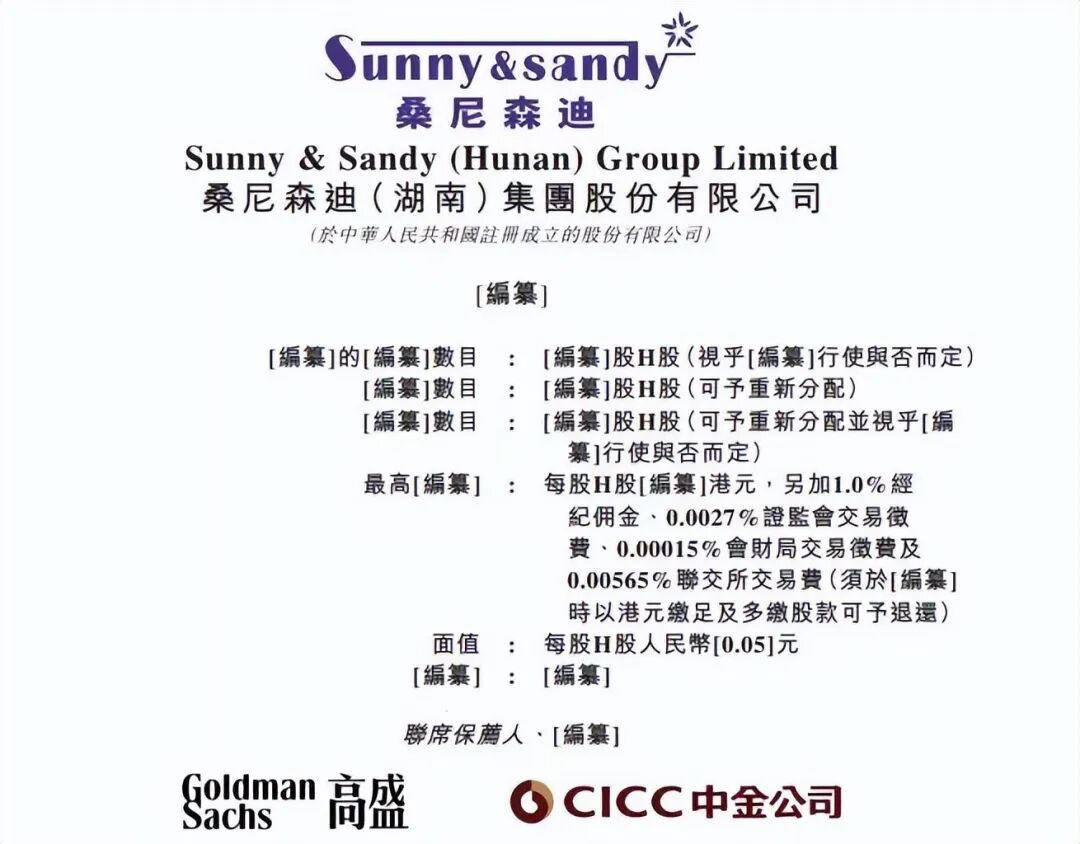
Group 1 - The core point of the article is that Sannisen Di (Hunan) Group Co., Ltd., a toy company known as the "Mickey Mouse of the cultural and creative industry," has officially submitted its IPO application to the Hong Kong Stock Exchange at the beginning of 2026 [1][3]. - Sannisen Di's products are priced at an average of 9.9 yuan, making them easily accessible in convenience stores and supermarkets, which has led to annual revenues in the hundreds of millions and a global presence in over 20 countries [3][6]. - The company has gained significant investment from Hillhouse Capital, amounting to 235 million yuan, which has propelled its valuation to 4 billion yuan, showcasing a remarkable growth trajectory from its early struggles [3][6]. Group 2 - Sannisen Di is often labeled as a "substitute" for Pop Mart, as both brands target young consumers' emotional spending needs and rely on the appeal of intellectual property (IP) [3][6]. - The brand has shifted the positioning of IP toys from "collectible figures" or "surprise blind boxes" to "affordable happy items," making it a more mainstream choice [6]. - The company has developed a groundbreaking technology for producing food-grade toy molds, which eliminates the need for traditional painting processes, thus enhancing safety and production efficiency [6].

从商品到社交硬通货 IP激活情感消费
Bei Jing Shang Bao· 2026-01-20 06:18
Core Insights - The integration of IP (Intellectual Property) with toys has transformed simple product transactions into a deeper emotional and cultural experience for consumers, making toys not just consumer goods but also trendy collectibles [1][2] Group 1: Importance of IP in the Toy Industry - The necessity of IP in the toy industry is emphasized, as it allows brands to connect cultural content with products, enhancing emotional resonance and consumer engagement [2] - Successful brands in the competitive toy market are often backed by strong, well-recognized IPs that serve as the soul of the products and create emotional connections with consumers [2][3] - The rise of domestic cultural IPs reflects a strong emotional connection among Chinese consumers, indicating a shift towards valuing local culture in the toy market [3][4] Group 2: Market Trends and Consumer Behavior - The transition from conventional products to IP collaborations is a common growth path for Chinese toy companies, aiming for higher value products and brand equity [4] - The demand for high-value consumption is driven by emotional resonance, with consumers willing to pay for the cultural and emotional significance of the IPs [5][6] - The emergence of "meaningful consumption" reflects a shift in consumer preferences towards products that fulfill emotional and social needs rather than just entertainment [6][7] Group 3: Emotional Engagement and Content Creation - Successful IPs today are characterized by their ability to resonate with contemporary emotions and provide a platform for user participation in content creation [8][9] - The new generation of consumers seeks products that reflect their identities and emotions, indicating a shift from mere transactions to emotional consumption [9]
潮尚重构消费|从商品到社交硬通货 IP激活情感消费
Bei Jing Shang Bao· 2026-01-20 06:08
Core Insights - The integration of IP (Intellectual Property) with toys has transformed simple product transactions into emotional and cultural experiences for consumers, making toys not just consumer goods but also trendy collectibles [1][3]. Group 1: Importance of IP in the Toy Industry - The necessity of IP in the toy industry is emphasized, as it allows brands to connect cultural content with products, enhancing emotional resonance and consumer engagement [3][4]. - Successful brands in the competitive toy market are often backed by strong, well-recognized IPs that serve as emotional connectors and brand differentiators [3][4]. - The rise of domestic cultural IPs reflects a strong emotional connection among Chinese consumers, indicating a shift towards valuing local culture in product offerings [4][6]. Group 2: Market Dynamics and Consumer Behavior - The transition from conventional products to IP collaborations is a common growth path for Chinese toy companies, aiming for higher value products and brand differentiation [6][7]. - The emotional and social aspects of toy consumption have evolved, with products now serving as "social currency" for adults, reflecting deeper emotional needs and social connections [7][8]. - The success of IPs is increasingly tied to their ability to resonate with contemporary consumer emotions and facilitate user participation in content creation [10][11]. Group 3: Case Studies and Brand Strategies - Brands like Pop Mart and 52TOYS have established recognizable cultural symbols through their IPs, which connect with consumer emotional demands [4][6]. - The development of military-themed IPs and collaborations with cultural institutions has allowed companies like Senbao to enhance brand value and consumer engagement [6][7]. - The emotional pull of products like the Shandong aircraft carrier model demonstrates how national pride can drive consumer interest and sales [7][9].
中国玩具解困:成为乐高,超越乐高
Bei Jing Shang Bao· 2026-01-15 16:32
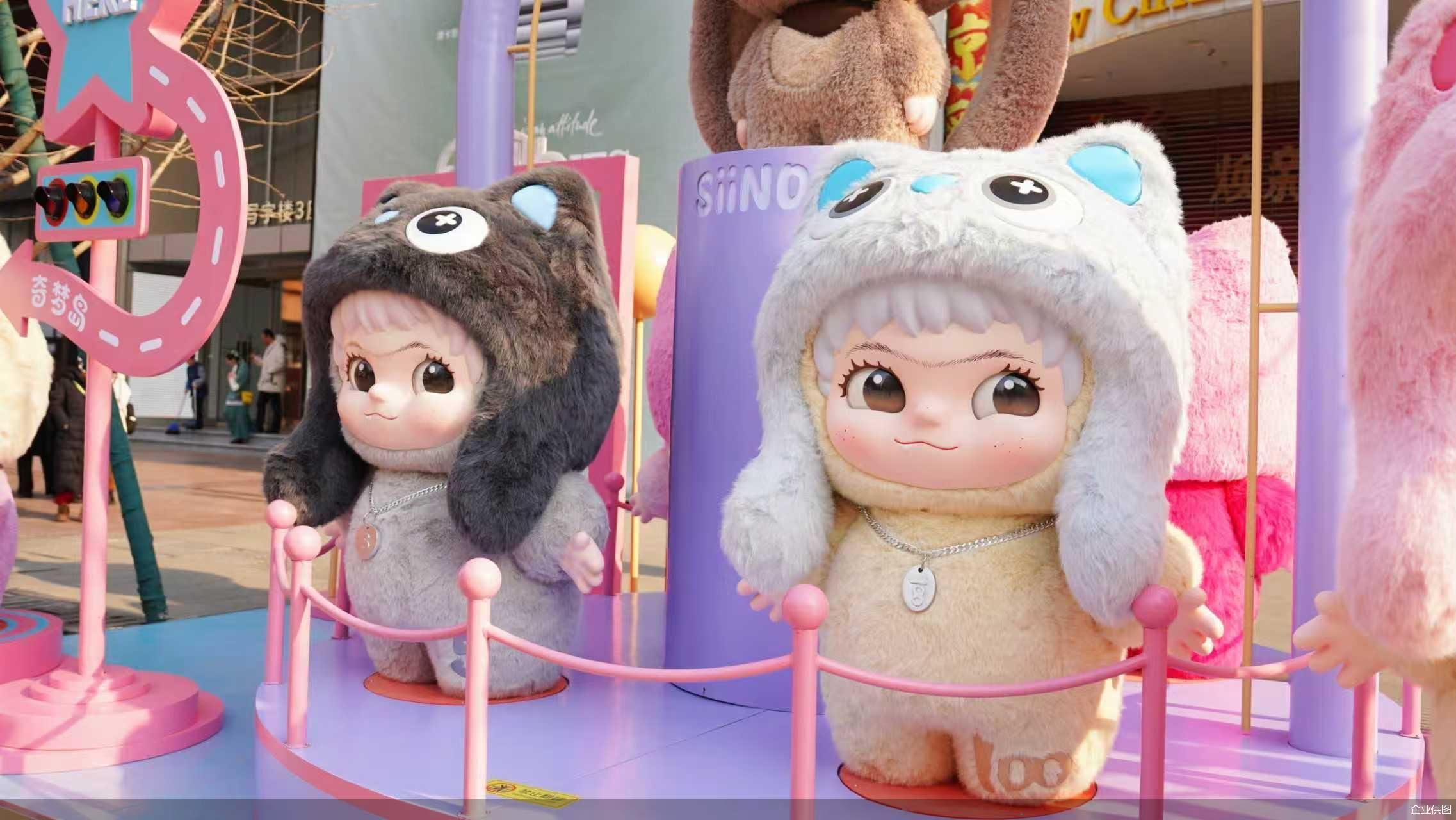
Core Insights - The dominance of the LEGO brand in the consumer's mind highlights the challenges faced by domestic toy companies in China, particularly in the building block segment [1][10] - Domestic brands are struggling with price competition, limiting their profit margins and ability to invest in hardware such as raw materials and molds [1][8] - The rise of collectible blind boxes has transformed toys into emotional carriers and social currency, appealing to consumers of all ages [1][13] Pricing and Market Dynamics - Domestic building block brands are often priced at 1/5 to 1/10 of LEGO's prices, with typical price ranges from 9.9 to 399 yuan [3][7] - The price competition hampers long-term brand building and consumer engagement for many domestic brands [3][8] - The strategy adopted by companies like Senbao focuses on cultural emotional connections through domestic IPs, avoiding direct price competition [3][4] Cultural and Emotional Connection - Domestic brands are leveraging local cultural IPs to resonate with consumers, while LEGO relies on global IPs like Marvel [4][10] - The success of military-themed building blocks reflects a strong emotional connection to national pride among consumers [6][10] - The market for IP toys is projected to grow significantly, with a forecasted increase from 64.4% in 2023 to 74.5% by 2028 [11] Industry Growth and Challenges - The Chinese building block market experienced a compound annual growth rate of 30% to 50% over six years, but growth has slowed to about 5% to 10% recently [12] - Companies are increasingly looking to international markets as a strategic direction to match global growth opportunities [12] - The key challenge for domestic brands is transitioning from a manufacturing advantage to building brand value [12][15] Consumer Behavior and Trends - The adult consumer segment is becoming a significant force in the toy market, with purchases driven by emotional value and social connections rather than just for children [13][14] - The trend of "meaningful consumption" reflects a shift in consumer behavior towards emotional and social engagement through toys [14][15] - The emergence of unique domestic IPs is creating new avenues for consumer engagement and brand differentiation [11][15]
中国玩具解困:不止于“性价比” 押注文化IP与情感价值
Bei Jing Shang Bao· 2026-01-15 05:00
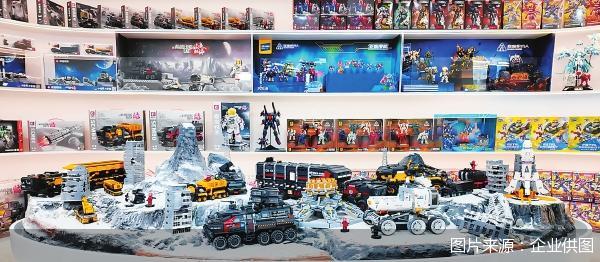
Core Insights - The dominance of LEGO in the toy market highlights the challenges faced by domestic brands in China, particularly in the building block segment, where price competition limits profit margins and investment capabilities [1][9] - Domestic brands are shifting focus towards cultural emotional connections and IP development to differentiate themselves from LEGO and establish a competitive edge [2][3] Market Dynamics - The toy market is experiencing significant growth, driven by adult consumers and the rise of collectible trends, with domestic brands facing intense competition on pricing, design, and branding [2][12] - The price range for domestic building blocks typically falls between 9.9 yuan and 399 yuan, significantly lower than LEGO's pricing, which can be three to five times higher [2][6] Brand Strategy - Domestic brands like Senbao are adopting strategies centered around cultural IP, such as military themes and local cultural narratives, to connect emotionally with consumers and avoid direct price competition [2][3] - The success of military-themed products, such as the Shandong aircraft carrier model, demonstrates the market potential for culturally resonant IP [4][10] Production Challenges - The primary hardware gap between domestic brands and LEGO lies in raw material quality, with domestic brands facing a 20%-30% cost difference in materials, impacting their ability to compete on quality [6][7] - While domestic brands have made advancements in injection molding technology, the precision of molds remains a challenge, with costs significantly lower than LEGO but quality still lagging [7][8] Consumer Behavior - The shift in consumer demographics towards adults has transformed toys into emotional and social commodities, with a growing trend of collecting and personal expression through toys [12][14] - The emergence of unique domestic IPs, such as LABUBU and wakuku, reflects a growing consumer desire for personalized and culturally relevant products [10][12] Future Outlook - The Chinese toy market is entering a golden period, with government support for local IP development and innovative design, indicating a favorable environment for domestic brands to enhance their market presence [15] - The transition from manufacturing advantages to brand value is crucial for domestic brands to establish a strong foothold in both local and international markets [11][15]
卡游:文化产业的创新实践者
Zhong Guo Jing Ji Wang· 2025-12-29 08:27
Core Insights - 2025 is a pivotal year for the company to deepen its strategic layout and achieve breakthroughs in the market, with a focus on expanding beyond traditional card products into new categories like plush toys and stationery, thereby enhancing revenue and user engagement [1] - The company is transitioning from traditional manufacturing to intelligent manufacturing, investing heavily in advanced printing technology to ensure high-quality card production [2] - The company is building a diverse content ecosystem through international and domestic IP development, appealing to various age groups and enhancing cultural value [3] - The company is committed to social responsibility, engaging in public welfare and advocating for industry standards to promote healthy market practices [4] - Future plans include leveraging new technologies like AI and VR, expanding international cooperation, and developing culturally relevant products while maintaining industry leadership [5][6] Group 1: Strategic Expansion - The company aims to lead the collectible card market while diversifying into new product categories, creating a multi-faceted ecosystem that enhances user loyalty [1] - The opening of flagship stores in Thailand marks a significant step in the company's global expansion strategy [1] Group 2: Technological Innovation - The company is adopting cutting-edge printing technology to improve product quality and aesthetic appeal, ensuring that cards are not only functional but also artistic [2] - The implementation of an automated logistics system and rigorous quality control measures underscores the company's commitment to excellence [2] Group 3: Content Development - The company is successfully integrating international IPs and developing original domestic IPs, creating a rich content matrix that resonates with diverse audiences [3] - Collaborations with various media platforms and interactive events are enhancing the emotional connection between consumers and the company's products [3] Group 4: Social Responsibility - The company actively participates in public welfare initiatives, focusing on educating youth about self-protection and promoting healthy industry practices [4] - The company is involved in setting industry standards, aiming to lead by example in quality control and ethical practices [4] Group 5: Future Outlook - The company plans to continue its focus on technological innovation and cultural product development, aiming to enhance its global presence and cultural influence [5][6] - Future initiatives will include the development of products addressing mental health and environmental themes, alongside ongoing efforts to promote Chinese culture internationally [5][6]
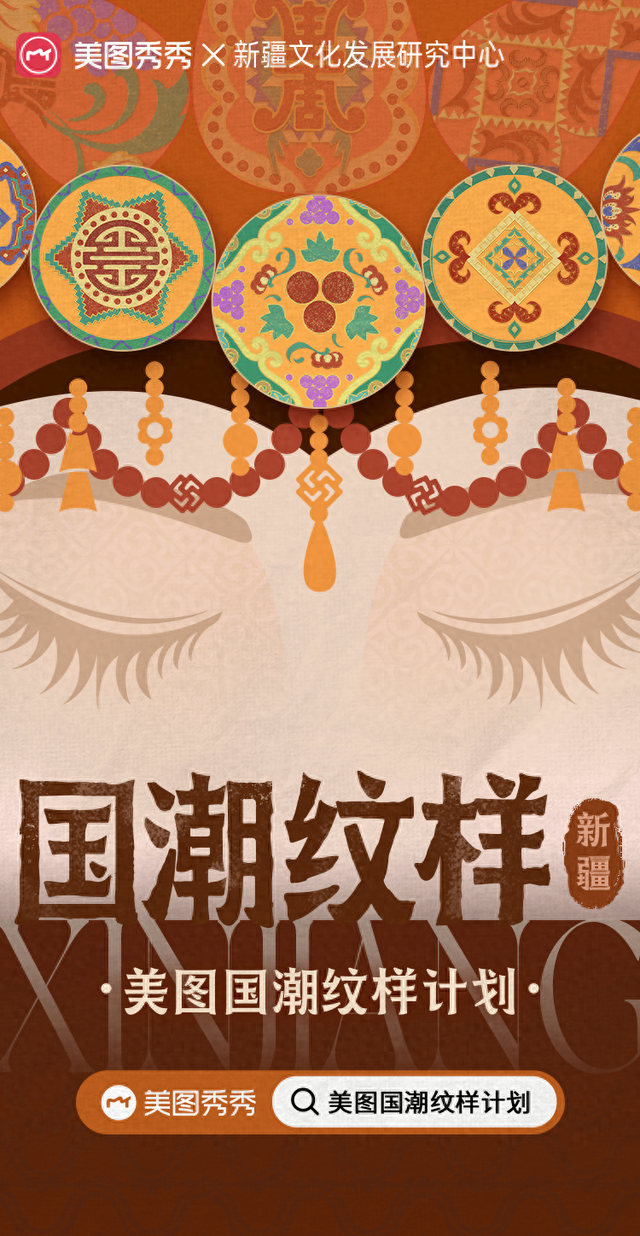
AI助力文化传承,美图打开传统文化传承新路径——“国潮纹样”“中国潮色”“华服美学”让传统文化走近大众
Huan Qiu Wang· 2025-12-12 06:56
Core Viewpoint - Meitu is leveraging AI technology to innovate the digital transmission of traditional Chinese culture, aligning with the 2025 government report's call for the development of new cultural industries and the promotion of cultural heritage protection [1][10]. Group 1: Project Overview - The "Meitu Chinese Traditional Culture Dissemination Project" focuses on digitalizing traditional Chinese aesthetics and cultural elements, creating three major national trend IPs: "Guochao Patterns," "Chinese Trend Colors," and "Huafu Aesthetics" [1][2]. - The project has collaborated with hundreds of intangible cultural heritage inheritors and designers, launching over 100 material series, with global usage exceeding 500 million times and total dissemination surpassing 2 billion times [2]. Group 2: Technological Integration - Meitu employs AI technology to digitally recreate traditional patterns from regions like Xinjiang and Dunhuang, enhancing user experience through high-definition replication and color optimization [3][6]. - The integration of traditional culture with digital imaging has attracted significant participation from young users, fostering a new path for cultural transmission [3][11]. Group 3: Cultural Engagement and Education - Meitu is actively engaging youth through collaborations with universities, aiming to cultivate creative talents for the transmission of traditional culture [11][12]. - The company has initiated educational programs that involve students in designing national trend patterns, enhancing their understanding and appreciation of traditional culture [12][13]. Group 4: Global Outreach - Meitu is expanding the reach of Chinese culture globally by integrating digital cultural products into tourism and international exchanges, creating a "Cultural Silk Road" accessible via mobile devices [6][9]. - The company has showcased its AI dressing features at international events, allowing users to experience traditional clothing from various cultures, thus promoting cross-cultural understanding [9][10]. Group 5: Future Directions - The company aims to continue evolving traditional culture by incorporating modern elements, ensuring that it remains relevant and appealing to younger generations [13][14]. - Meitu's approach serves as a replicable model for the creative transformation and innovative development of traditional culture, emphasizing the importance of technology and public participation [13][14].