品牌并购

Search documents
若羽臣20260209
2026-02-10 03:24
Summary of the Conference Call on Ruoyu Chen Company Overview - **Company Name**: Ruoyu Chen - **Industry**: E-commerce and Health Products - **Founded**: 2011 in Guangzhou - **Core Business**: Leading operator of health and beauty products, focusing on e-commerce and brand management - **Key Brands**: - **Zhanjia**: High-end home cleaning products - **Feicui**: Women's anti-aging health products - **New Era**: Affordable health products Key Points and Arguments Company Development Stages - **Stage 1 (2011-2019)**: Started as a maternity product operator, expanded into beauty and health products - **Stage 2 (2020)**: Listed on the Shenzhen Stock Exchange, launched the Zhanjia brand - **Stage 3 (2024)**: Entering the oral anti-aging health product market with the launch of Feicui [2][3] Financial Performance - **Revenue Projection for 2025**: Approximately 3.3 billion RMB - **Revenue from Free Brands**: Expected to reach around 1.8 billion RMB, accounting for over 50% of total revenue, with a year-on-year growth rate exceeding 200% [2][3] - **Profit Margins**: - Zhanjia: Gross margin around 67%, net margin slightly above 10% - Feicui: Gross margin over 85%, expected to achieve positive profitability in 2026 [3][4] Market Dynamics - **Home Cleaning Market Size**: Approximately 150 billion RMB, with a mid-single-digit CAGR over the past five years - **Trends**: Shift towards premium products and emotional value in consumer preferences, leading to growth in high-end segments [6][7] - **Online Sales Growth**: Significant increase in online sales, particularly through platforms like Douyin [8][12] Competitive Landscape - **Market Share**: Zhanjia ranked fifth in the high-end laundry detergent market with a 3% market share [9][10] - **Consumer Trends**: Increasing demand for premium and differentiated products, particularly in the home cleaning and health supplement sectors [6][9] Brand Strategy - **Zhanjia**: Focus on high-end positioning with unique selling points such as fragrance and natural ingredients [18][20] - **Feicui**: Emphasizes high-purity ingredients and clear efficacy claims, targeting the beauty and anti-aging market [21][26] Growth Drivers - **Product Expansion**: Plans to introduce new products in both home cleaning and health supplement categories, including collaborations with popular IPs [28][30] - **Channel Strategy**: Strong self-operated capabilities across multiple platforms, with a focus on Douyin for rapid growth [22][24] Future Outlook - **Revenue Forecast for 2026**: Expected to reach around 6 billion RMB, with significant contributions from free brands and new product launches [34] - **Profitability**: Anticipated profit growth of 115% year-on-year, with a stable profit margin for Zhanjia and improving margins for health products [34][35] Investment Considerations - **Valuation**: Current market cap around 11 billion RMB, with a projected 25% upside based on future growth potential [35] - **Market Trends**: Positive outlook for the health and beauty sector, with opportunities for investment in other brands like Maogeping and Shanghai Jahwa [36] Additional Important Information - **Upcoming IPO**: Plans for a Hong Kong IPO to support future acquisitions and international expansion [5][6] - **Brand Management**: New partnership with Mistique for exclusive distribution rights in China, expected to contribute significantly to revenue [32][33] This summary encapsulates the key insights from the conference call regarding Ruoyu Chen's business model, market positioning, financial performance, and future growth strategies.
安踏丁世忠的“氪金”哲学
Xin Lang Cai Jing· 2026-02-05 12:25
Core Viewpoint - Anta Group announced a cash acquisition of approximately €1.506 billion for a 29.06% stake in Puma, making it the largest shareholder of the brand, which has a significant historical presence in the global sports market [2][26]. Group 1: Acquisition Strategy - The acquisition of Puma marks Anta's first major purchase in 2026 and the sixteenth acquisition in nearly two decades, following brands like FILA and Amer Sports [2][26]. - Despite Puma's recent performance struggles, it retains high brand recognition and established distribution networks in Europe and North America, providing Anta with a competitive edge against Nike and Adidas [2][26]. - Anta's strategy reflects a shift towards external brand acquisitions as a growth engine, aiming to expand its market presence beyond outdoor sports into mainstream athletic fashion [3][27]. Group 2: Historical Context of Acquisitions - Anta's acquisition journey began in 2009 with the purchase of FILA's China operations for ¥332 million, transforming it into a high-end fashion sports brand [28][30]. - Within five years, FILA's revenue in China surged from under ¥200 million to over ¥10 billion, contributing significantly to Anta's profits [30][31]. - The company has since expanded its portfolio to include various brands, achieving a combined revenue exceeding ¥100 billion in 2024, surpassing Adidas to become the third-largest sportswear company globally [31][32]. Group 3: Market Dynamics and Challenges - The Chinese sportswear market is transitioning from growth to competition, necessitating new strategies for Anta to maintain its leadership position [9][32]. - The global sports goods industry is dominated by entrenched players like Nike and Adidas, creating high barriers for new entrants like Anta, which seeks to leverage acquisitions to gain market share [9][32]. - Anta's reliance on acquisitions has led to a strategic inertia, where the company continuously seeks the next successful brand like FILA to drive growth [10][33]. Group 4: Financial Performance and Brand Management - Anta's main brand has seen a decline in growth, with retail sales experiencing a slight decrease and revenue contribution dropping to 44% by mid-2025 [13][35]. - The growth rates of acquired brands like FILA are slowing, with a reported 6.1% increase in 2024, indicating potential challenges in sustaining high growth [15][37]. - The complexity of managing multiple brands has increased, with over ten core brands under Anta's umbrella, each requiring distinct strategies and resources [16][38]. Group 5: Future Outlook and Strategic Questions - Anta's founder, Ding Shizhong, has posed critical questions regarding the company's future, emphasizing the need for a differentiated multi-brand strategy to create shareholder value [20][41]. - The acquisition strategy includes "buying low" during market downturns, maintaining control without full ownership, and allowing acquired brands to operate independently while providing strategic support [43][44]. - The recent acquisition of Puma, while expanding Anta's brand portfolio, raises questions about how to effectively manage and differentiate between similar brands like FILA and Puma [39][40].


安踏拟斥资123亿元收购彪马29%股权
Shang Hai Zheng Quan Bao· 2026-01-27 18:36
Core Viewpoint - Anta has announced its acquisition of 29.06% of Puma's shares for approximately €15.06 billion (around RMB 12.3 billion), making it the largest shareholder of Puma, with the transaction expected to be completed by the end of 2026, pending regulatory approvals [1][2]. Group 1: Acquisition Details - Anta will pay €35 per share for the acquisition, totaling about €15.06 billion [1]. - The funding for this acquisition will come entirely from Anta's internal cash reserves [1]. - Anta does not plan to initiate a takeover bid for Puma [1]. Group 2: Market Reaction - Following the announcement, Puma's shares rose nearly 20% on the German electronic trading platform Tradegate, while Anta's shares increased by 2.3% on the Hong Kong Stock Exchange [2]. Group 3: Puma's Current Situation - Puma has been facing challenges, including brand fatigue and financial struggles, with revenues of €8.6 billion, €8.8 billion, and €4.0 billion for 2023, 2024, and the first half of 2025, respectively, and net profits of €360 million, €340 million, and a loss of €250 million [3]. - The new CEO of Puma, Arthur Hold, acknowledged the brand's declining popularity and complexity in its product line [3]. Group 4: Strategic Fit - Anta believes that Puma's strong historical brand and global influence, particularly in football, running, and other sports categories, will complement its existing brand matrix [3][4]. - The acquisition will enhance Anta's product offerings across various segments, including professional sports, fashion, and outdoor activities [4]. - Puma's established channels in Europe, North America, and Latin America will provide Anta with a quicker entry into these markets, while Anta's resources can optimize Puma's supply chain and logistics [4]. Group 5: Anta's Acquisition Strategy - Anta is recognized for its successful acquisition strategy, having revitalized several brands through effective integration and management [5][6]. - The company has developed a replicable global operational system that supports multi-brand collaboration and resource integration [6]. - Anta maintains a principle of not replacing the original management teams of acquired brands, fostering a dual-integration operational system that respects the original brand culture while enhancing efficiency [7].
从“买买买”到整合之考:安踏百亿并购能否开启下一个增长引擎?
第一财经· 2026-01-27 15:50
Core Viewpoint - Anta Sports announced the acquisition of 29.06% of PUMA SE shares for €15 billion, aiming to enhance its global market position and brand recognition in the sports goods sector [3][5]. Group 1: Acquisition Details - The acquisition price is set at €35 per share, which is 62% higher than PUMA's closing price of €21.63 on the previous Monday [5]. - The deal is expected to be completed by the end of 2026, pending regulatory approvals and customary closing conditions [3]. - The funding for this acquisition will come entirely from Anta Group's internal cash reserves [3]. Group 2: PUMA's Financial Performance - PUMA's sales increased by 6.6% to €8.6017 billion in 2023, but net profit fell by 13.7% [6]. - In 2024, sales are projected to grow by 4.4% to €8.82 billion, with net profit expected to decline by 7.6% to €282 million [6]. - PUMA's performance is anticipated to worsen in 2025, with a forecasted double-digit percentage decline in sales and an operating loss [6]. Group 3: Market Context and Strategic Implications - The acquisition is seen as a strategic move for Anta to strengthen its position in the global sports market, especially with the upcoming 2026 FIFA World Cup [10]. - PUMA remains the fourth largest sports brand globally, following Nike, Adidas, and Lululemon, making it a valuable target for Anta [10]. - Industry insiders suggest that the acquisition aligns with Anta's strategy of building a multi-brand portfolio and could serve as a new growth engine amid slowing growth in its core brand [11][12]. Group 4: Industry Trends - The sportswear industry is experiencing a shift, with many domestic brands seeking international acquisitions to enhance their market presence [13]. - Analysts predict that 2026 may be a year of significant consolidation and mergers within the industry, driven by competitive pressures and changing consumer preferences [13].

豪掷123亿“娶”彪马,丁世忠的全球化野心能否靠“钞能力”实现?
Xin Lang Cai Jing· 2026-01-27 12:24
Core Viewpoint - Anta Sports announced plans to acquire 29.06% of Puma SE for approximately €15.06 billion (about RMB 12.3 billion), aiming to become the largest shareholder of the brand, which has faced growth challenges in recent years [1][2][3]. Acquisition Details - The acquisition price is set at €35 per share, and it is part of Anta's strategy to enhance its global presence through a "single focus, multi-brand, globalization" approach [2][4]. - Anta's founder, Ding Shizhong, has a vision of transforming Anta into a global brand by acquiring and revitalizing well-known international brands [2][3]. Puma's Market Position - Puma, established over 78 years ago, was once a leading competitor alongside Nike and Adidas but has recently struggled with revenue growth and profitability, reporting a decline in net profit in recent years [4][13]. - In the Greater China region, Puma's sales amounted to €604 million, representing only 6.87% of its global market share, significantly lower than Nike and Adidas, which each hold around 15% [13]. Anta's Acquisition Strategy - Anta has previously acquired several brands, including FILA and Descente, successfully revitalizing them through strategic brand positioning and operational improvements [5][6]. - The acquisition of FILA in 2009, which was initially struggling, turned into a success story, with FILA's revenue surpassing RMB 10 billion by 2018 [5][15]. Financial Performance - Anta's revenue has shown consistent growth from 2018 to 2024, with figures rising from RMB 241 billion to RMB 708.26 billion, while net profits also increased significantly [19]. - In the first half of 2025, Anta reported total revenue of RMB 385.44 billion, a year-on-year increase of 14.3%, although net profit saw a decline of 8.9% [19]. Globalization Ambitions - Ding Shizhong's ambition is to position Anta as a global player rather than just a Chinese brand, with a strategic focus on acquiring international brands to enhance its global footprint [7][18]. - The successful listing of Amer Sports, a company acquired by Anta, on the US stock market is expected to further drive Anta's globalization efforts [18].

两大巨头“联姻”
Nan Fang Du Shi Bao· 2026-01-21 16:00
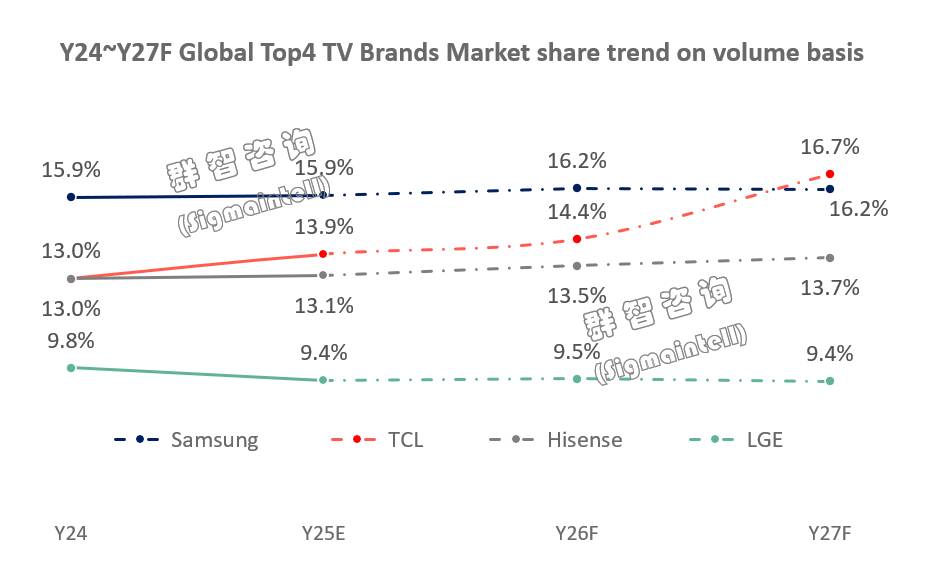
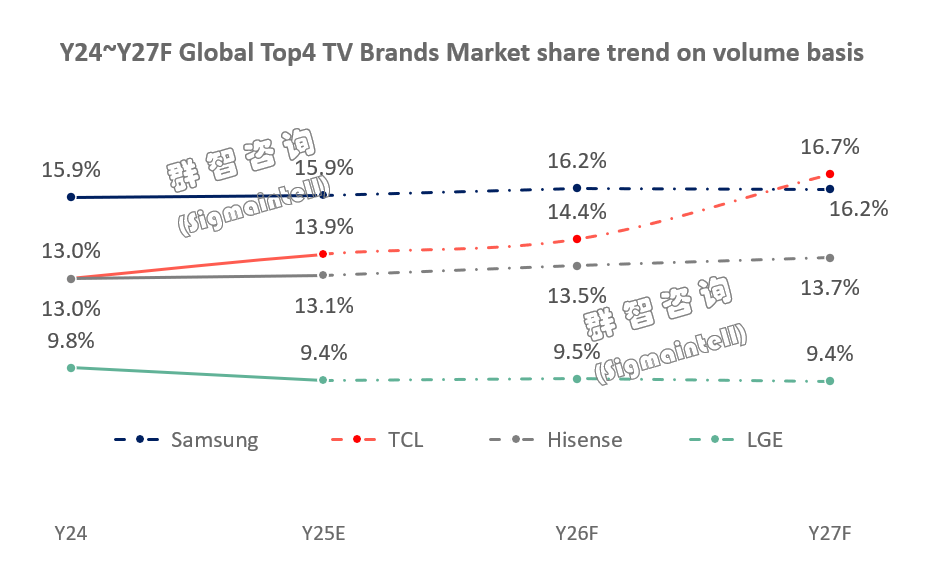
Core Viewpoint - TCL Electronics has signed a non-binding memorandum of understanding with Sony Corporation to establish a joint venture to take over Sony's global home entertainment business, potentially reshaping the global television market and allowing TCL to challenge for the top market share position for the first time [1][2]. Group 1: Joint Venture Details - The joint venture will be 51% owned by TCL and 49% by Sony, with operations expected to begin in April 2027 after final agreements are signed by March 2026 [1][2]. - The new company will integrate Sony's home entertainment business, including televisions and home audio products, and will be authorized to use the "Sony" and "BRAVIA" brands globally [2]. - The collaboration aims to combine Sony's brand value and technological expertise with TCL's global scale and cost efficiency, enhancing product quality and service [2][3]. Group 2: Market Impact and Projections - If the joint venture is successful, TCL and Sony's combined market share could reach 16.7% by 2027, surpassing Samsung's 16.2%, thus altering the competitive landscape of the global television market [4]. - TCL's global television shipments are projected to reach 30.7 million units in 2025, a 6.4% increase, while Sony's shipments are expected to decline to 4.1 million units, a 13.3% decrease [4]. - The restructuring of the supply chain is anticipated, with TCL's panel supply primarily from its subsidiary TCL Huaxing, while Sony currently relies on BOE [4][5]. Group 3: Strategic Rationale - The partnership is seen as a strategic move for Sony to maintain competitiveness in the hardware sector while focusing on its transformation into a "creative entertainment company" [5][6]. - The collaboration is expected to optimize operations, reduce costs, and accelerate technological innovation, allowing TCL to handle manufacturing and supply chain, while Sony focuses on research and branding [6]. Group 4: Current Market Position - In the Chinese market, the top eight brands, including TCL, account for 94.1% of shipments, while foreign brands, including Sony, have seen their market share drop below 5% [6]. - Sony's global television shipments are projected to fall to 410,000 units in 2025, resulting in a market share of 1.9%, ranking it tenth globally [6].

TCL、索尼“联姻”,成立合资公司!合并后市占率或超三星
Nan Fang Du Shi Bao· 2026-01-21 05:42
Core Viewpoint - TCL Electronics has signed a non-binding memorandum of understanding with Sony Corporation to establish a joint venture that will take over Sony's global home entertainment business, potentially reshaping the global television market [2][3]. Group 1: Joint Venture Details - The joint venture will be 51% owned by TCL Electronics and 49% by Sony, with plans to finalize the agreement by the end of March 2026 and commence operations in April 2027 [2][3]. - The new company will integrate Sony's home entertainment business, including televisions and home audio products, and will be authorized to use the "Sony" and "BRAVIA" brands globally [3]. - The collaboration aims to combine Sony's brand value and technological expertise with TCL's global scale and supply chain efficiency, enhancing product quality and service [3][4]. Group 2: Market Impact and Projections - If the joint venture is successful, TCL and Sony's combined market share could reach 16.7%, surpassing Samsung's 16.2%, marking a significant shift in the global television brand competition [5][6]. - TCL's global television shipment is projected to reach 30.7 million units in 2025, a 6.4% increase, while Sony's shipments are expected to decline by 13.3% to approximately 4.1 million units [5][6]. - The restructuring of the supply chain is anticipated, with TCL sourcing nearly 60% of its TV panels from its affiliate TCL Huaxing, while Sony primarily relies on BOE [6]. Group 3: Financial Performance - TCL Electronics has forecasted a significant increase in adjusted net profit for 2025, estimated between HKD 2.33 billion and HKD 2.57 billion, reflecting a growth of approximately 45% to 60% compared to 2024 [6]. - Sony is transitioning towards a "creative entertainment company" model, focusing on software businesses like gaming and music, while adopting a "light asset" strategy for hardware manufacturing [6]. Group 4: Strategic Considerations - The merger is seen as a rational choice for Sony to maintain brand competitiveness amid declining hardware profitability and shrinking television shipment volumes [7]. - There are uncertainties regarding the finalization of the agreement and the operational synergy of the multi-brand strategy, which will require ongoing market observation [7].
群智咨询:全球电视市场品牌竞争格局或重塑 2027年TCL电子(01070)与Sony的合并市占率有望夺得全球第一
智通财经网· 2026-01-21 02:48
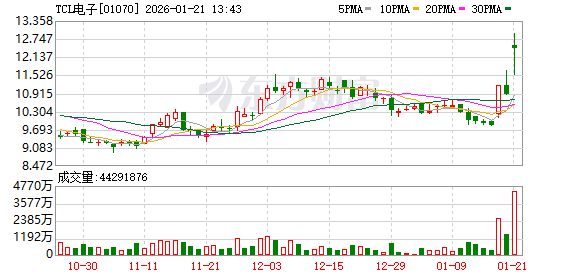
Core Viewpoint - TCL Electronics and Sony Corporation have signed a memorandum of understanding to potentially establish a joint venture that could reshape the global television market, aiming for a combined market share of 16.7% by 2027, surpassing Samsung's 16.2% [1][4] Group 1: Joint Venture Details - The joint venture will focus on Sony's home entertainment business, covering product development, design, manufacturing, sales, logistics, and customer service, with TCL holding 51% and Sony 49% [1] - The joint venture's operation is contingent upon signing contracts and obtaining necessary regulatory approvals, with an expected launch in April 2027 [1] Group 2: Market Impact - If the joint venture proceeds successfully, it will be one of the few mergers between leading global television brands in the last two decades, significantly impacting the global television market [2] - The merger is expected to alter the competitive landscape of the global television market, marking the first time a Chinese brand aims for the top position [4] Group 3: Competitive Advantages - Sony's strong brand and high-end technology will enhance TCL's competitiveness in the premium television market, potentially increasing sales and brand strength [7] - The joint venture will retain Sony and BRAVIA's high-end branding, providing TCL with significant brand premium advantages [8] - The collaboration will enrich TCL's high-end product line, particularly in OLED technology, complementing its focus on LCD televisions [9] Group 4: Supply Chain Dynamics - Sony's panel supply chain may shift towards TCL's Huaxing, potentially leading to a restructuring of the LCD TV panel supply chain globally [10] - TCL's panel supply is primarily sourced from its own Huaxing, while Sony relies mainly on BOE, indicating a strategic shift in resource allocation [10] Group 5: Strategic Considerations for Sony - For Sony, the merger represents a strategic move to maintain brand competitiveness amid declining television shipments and profitability, leveraging TCL's supply chain advantages [13] - The merger may introduce short-term volatility for Sony, including adjustments in personnel and organizational structure [13]
群智咨询:全球电视市场品牌竞争格局或重塑 2027年TCL电子与Sony的合并市占率有望夺得全球第一
Zhi Tong Cai Jing· 2026-01-21 02:47
Core Viewpoint - TCL Electronics and Sony Corporation have signed a memorandum of understanding to potentially establish a joint venture that could reshape the global television market, aiming for a combined market share of 16.7% by 2027, surpassing Samsung's 16.2% and marking a significant milestone for Chinese brands in the global television sector [1][3]. Group 1: Joint Venture Details - The joint venture will focus on Sony's home entertainment business, covering integrated operations from product development to customer service, with TCL holding a 51% stake and Sony 49% [1]. - The joint venture is contingent upon signing contracts and obtaining necessary regulatory approvals, with operations expected to commence in April 2027 [1]. Group 2: Market Impact - If the joint venture proceeds successfully, it will be one of the few mergers between leading global television brands in the last two decades, significantly impacting the global television market [2]. - Sony has been a key player in the global television market for over 60 years but has seen a decline in shipment volumes, with a projected 410 million units shipped in 2025, down 13.3% year-on-year [2]. - In contrast, TCL is experiencing growth, with a projected shipment of 30.7 million units in 2025, up 6.4% year-on-year, indicating a strong market expansion strategy [2]. Group 3: Competitive Advantages - The collaboration is expected to enhance TCL's competitiveness in the high-end television market through Sony's brand prestige and advanced technology, potentially increasing TCL's sales and brand strength [5]. - The joint venture will retain Sony's high-end brands, providing TCL with significant brand premium advantages [6]. - The partnership will enrich TCL's high-end product line, particularly in OLED technology, complementing its focus on LCD televisions [7]. Group 4: Supply Chain Dynamics - Sony's panel supply chain may shift towards TCL's Huaxing, potentially leading to a restructuring of the LCD TV panel supply chain in the coming years [8]. - Currently, TCL sources nearly 60% of its TV panels from Huaxing, while Sony primarily relies on BOE, indicating a potential realignment of supply chain relationships [8]. Group 5: Strategic Considerations for Sony - For Sony, the merger represents a strategic move to maintain brand competitiveness amid declining shipment volumes and profitability in hardware, leveraging TCL's supply chain advantages [9]. - The merger is still in the memorandum stage, with uncertainties regarding multi-brand operational synergy and achieving a mutually beneficial outcome [9].
股价单日冲18%,Puma要易主?安踏、李宁、亚瑟士回应
Nan Fang Du Shi Bao· 2025-11-28 09:20
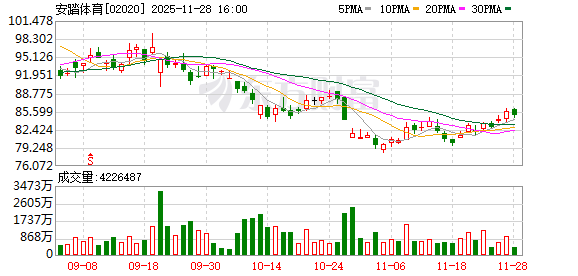
Core Viewpoint - Anta Sports is evaluating the possibility of acquiring the German sports brand Puma, which has led to a significant increase in Puma's stock price by over 18% in a single day, marking a recent high [1][3]. Group 1: Market Dynamics - The largest shareholder of Puma, the Artémis Group, has initiated a strategic review and is in preliminary discussions with several potential buyers, including Anta, Li Ning, and Asics [3][10]. - Asics has publicly denied any intention to acquire Puma, stating that there is no factual basis for such claims [3][12]. - Li Ning has also clarified that it has not engaged in any substantial negotiations regarding the acquisition of Puma [3][12]. Group 2: Puma's Financial Situation - Puma is facing operational challenges, with its Q3 2025 sales declining by 10.4% year-on-year to €1.956 billion, resulting in a net loss of €62.3 million [9]. - The company's gross margin has decreased by 260 basis points, and inventory has increased by 17.3% year-on-year [9]. - The Americas market experienced the largest sales decline at 15.2%, while the Asia-Pacific and Europe, Middle East, and Africa regions saw declines of 9.0% and 7.1%, respectively [9]. Group 3: Anta's Position - Anta is viewed as a strong contender for the acquisition due to its clear global strategy and successful past acquisitions, including the $5.2 billion purchase of Amer Sports in 2019 [11]. - The company has continued its global expansion, acquiring the German outdoor brand Jack Wolfskin for $290 million and investing in the South Korean fashion e-commerce platform Musinsa [11]. - Anta's financial health supports its potential acquisition activities, with a reported retail sales growth of 45%-50% across all brands [11].