商业航天商业化

Search documents
在中国,一个普通人上太空要花多少钱?
Xin Lang Cai Jing· 2026-01-27 12:25
Core Viewpoint - The Chinese commercial space industry is experiencing a significant surge, with substantial capital inflow and a collective push towards IPOs among various companies, marking a new era for the sector [20][25]. Group 1: Industry Developments - The successful launch of the reusable Zhuque-3 rocket by private company Blue Arrow Aerospace has garnered widespread attention, marking a milestone in China's commercial space endeavors [21][25]. - Numerous commercial space companies are preparing for their inaugural flights, showcasing a vibrant ecosystem in the industry [21][25]. - The public's growing interest in space exploration is being fueled by policy support and capital market openings, allowing private companies to finally step onto the IPO starting line [7][25]. Group 2: IPO Landscape - At least ten commercial space enterprises have initiated the IPO process, with five leading companies—Blue Arrow Aerospace, Star Glory, China Aerospace Science and Technology Corporation, Star River Power, and Tianbing Technology—forming a competitive landscape [8][26]. - Blue Arrow Aerospace is ahead in the IPO race, having its application accepted by the Shanghai Stock Exchange, aiming to raise up to 7.5 billion yuan, with significant investments planned for reusable rocket technology [8][26]. - Other companies like China Aerospace Science and Technology Corporation and Star Glory are also in various stages of the IPO process, focusing on developing reusable rocket technologies [10][28]. Group 3: Historical Context - The journey of leading companies in the commercial space sector has been challenging, with initial financing struggles and skepticism from investors [29][31]. - A turning point for Blue Arrow Aerospace came with significant investments from industry players, leading to breakthroughs in technology and favorable policy changes that opened the door for IPOs [31][32]. Group 4: Challenges Ahead - The transition from successful trials to large-scale services in commercial space requires overcoming challenges related to cost control, the maturity of reusable technology, and the establishment of a commercial ecosystem [14][32]. - Current launch costs in China range from 50,000 to 100,000 yuan per kilogram, significantly higher than the estimated costs of SpaceX, highlighting the need for advancements in reusable technology to reduce costs [15][33]. - Achieving cost-effective reusable technology is critical for the industry, with predictions suggesting that costs could drop significantly with further technological advancements [34][36]. Group 5: Financial and Ecosystem Support - A robust financial support system is being established, with major banks offering tailored financing solutions for the commercial space sector [35]. - The formation of a comprehensive industrial ecosystem, particularly in regions like Beijing, is facilitating collaboration and reducing costs, which is essential for the industry's growth [34][35]. - The industry is exploring innovative business models to enhance market penetration and profitability, moving beyond traditional launch services to integrated solutions [36].


重磅利好!最新研判
中国基金报· 2025-11-29 13:38
Core Viewpoint - The "Action Plan" aims to promote high-quality development in the commercial aerospace sector, emphasizing safety and quality, with a target to significantly expand the industry scale and enhance innovation by 2027 [2][3][4]. Summary by Relevant Sections Importance and Impact of the Action Plan - The "Action Plan" introduces several incremental policies, including open research project mechanisms, shared research facilities, and satellite data trading, which are expected to provide a technical foundation and institutional support for commercial aerospace development [3]. - The plan aims to optimize industrial structure and facilitate the transition of commercial aerospace production towards low-cost, large-scale, and commercialized operations, thereby providing significant policy support for high-quality development [4][5]. Key Areas of Focus - The plan encourages the development of specific segments within the aerospace industry, particularly in satellite and rocket manufacturing, commercial aerospace application services, and aerospace measurement and control operations [6]. - It highlights the importance of supporting low-cost, high-reliability, and reusable commercial launch vehicles, as well as the development of satellite constellation systems for low-orbit communication, navigation enhancement, and high-resolution remote sensing [6]. Investment Opportunities - The commercial aerospace market in China is expected to experience rapid growth, with reusable rockets, mass production of satellites, and satellite communication applications identified as major growth drivers [6]. - Infrastructure development, including reusable rocket technology and mobile launch platforms, is anticipated to benefit from the plan, enabling the transportation of high-integrated satellites and smart applications into space [7]. - The commercial aerospace market could exceed 2 trillion yuan, creating numerous new application scenarios across transportation, logistics, tourism, and research, thereby enhancing China's competitiveness in this field [7].

天兵科技启动上市辅导,商业航天头部企业加速商业化进程
2 1 Shi Ji Jing Ji Bao Dao· 2025-10-19 02:09
Group 1 - The core point of the news is that Jiangsu Tianbing Aerospace Technology Co., Ltd. has officially submitted its listing guidance record, marking a significant step in the commercialization and scaling of China's commercial aerospace sector [1] Group 2 - Tianbing Technology has achieved a domestic record for thrust in liquid rocket engines with the successful sea test of the Tianlong-3 large liquid launch vehicle, indicating its capability for batch launches [2] - The Tianlong-3 rocket is expected to have a near-Earth orbit capacity exceeding 20 tons, comparable to SpaceX's Falcon 9, and can support the launch of 36 satellites in one go, addressing the demand for high-reliability, high-frequency, and low-cost satellite launches in China [2] Group 3 - Prior to initiating its IPO guidance, Tianbing Technology completed nearly 2.5 billion RMB in financing, which will be used for rocket mass production and the development of new-generation engines [3] - The company has established a comprehensive industrial chain covering rocket research, large-scale manufacturing, and dedicated launch facilities, with an initial capacity to produce 30 Tianlong-3 rockets and 500 Tianhu series engines annually [3] Group 4 - The demand for launching over 30,000 satellites for China's satellite internet construction presents a vast market opportunity for commercial aerospace [4] - The initiation of the IPO by Tianbing Technology signifies a transition from "technology validation" to "scale commercialization" in China's commercial aerospace sector, driven by policy support and market demand [4]
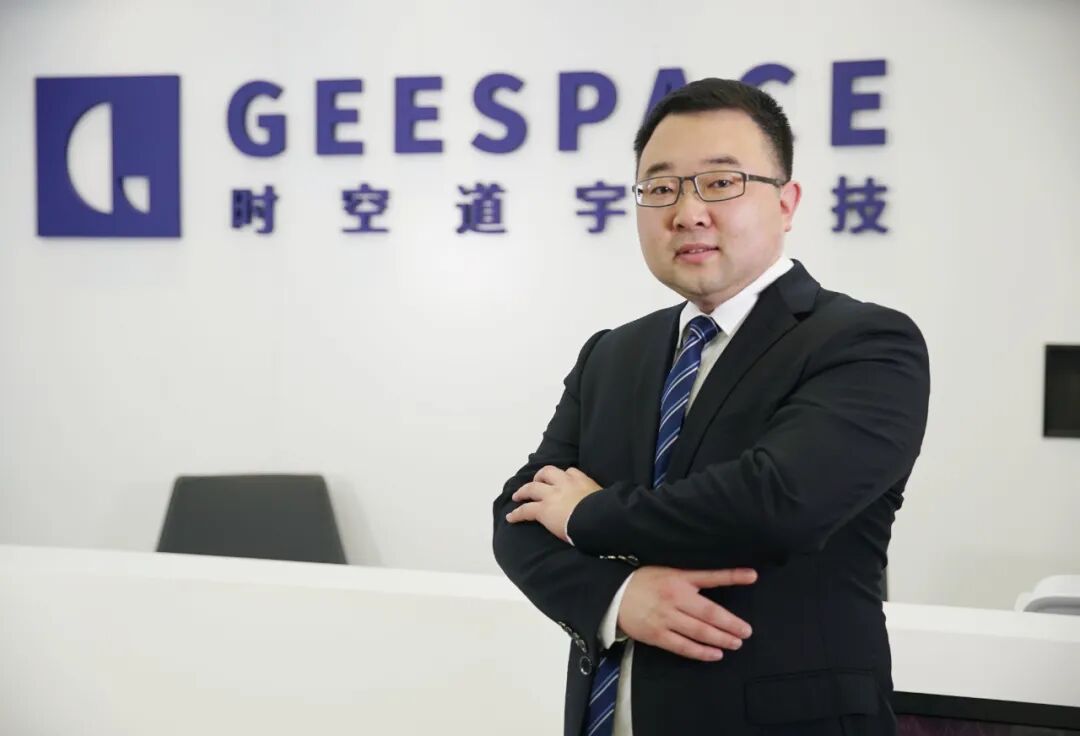
「卫星平权者」王洋:让卫星从「国之重器」变为「民之常器」
3 6 Ke· 2025-09-25 08:04
Core Insights - The successful launch of the sixth satellite of the Geely Constellation marks the completion of the first phase of the satellite network, enabling real-time satellite communication for 20 million global users, including 5 million high-frequency users [1] - Wang Yang, the founder and CEO of Time Space Path, is a pivotal figure in China's commercial space industry, having established the first commercial space company in China and emphasizing the importance of market-oriented approaches in satellite technology [3][4] - The completion of the Geely Constellation network signifies a major milestone for China's commercial space sector, allowing satellite technology to serve the public effectively [11][16] Company Overview - Time Space Path, under Wang Yang's leadership, has developed a unique business model that integrates aerospace, automotive, and telecommunications, focusing on making satellite technology accessible to everyone [11][19] - The company has established a satellite super factory in Taizhou, Zhejiang, which is the world's first facility to combine aerospace manufacturing with automotive production, achieving breakthroughs in standardization, automation, and supply chain integration [9][14] - Time Space Path's satellite communication technology has been integrated into various Geely models, enabling satellite phone capabilities and high-precision positioning services, which enhance the functionality of smart vehicles [11][12] Industry Context - The commercial space industry in China is at a critical juncture, with Time Space Path positioned to capitalize on the opportunity to leapfrog competitors by addressing cost and reliability issues in satellite production [4][8] - The company's approach mirrors the rapid growth of China's electric vehicle sector, which has successfully redefined the automotive landscape through innovative manufacturing and technology strategies [18] - Time Space Path aims to create a global satellite communication network, collaborating with operators in regions such as the Middle East, Africa, Southeast Asia, Central Asia, and Latin America to expand its service offerings [18][19]