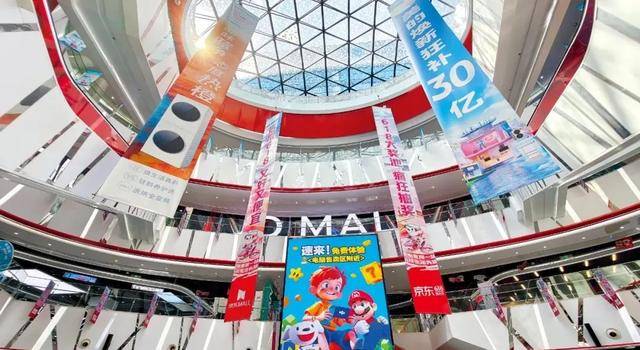
国家消费品以旧换新补贴政策

Search documents
2026年全国首笔“国补”订单,来了
新华网财经· 2026-01-01 09:19
Group 1 - The core viewpoint of the article highlights the launch of the 2026 national "old-for-new" subsidy program in Guangdong Province, which aims to stimulate consumer spending by providing financial incentives for purchasing new electronic products and vehicles [2][3]. Group 2 - The subsidy for personal consumers purchasing mobile phones, tablets, smartwatches, and smart glasses is set at 15% of the product's sales price, with a maximum subsidy of 500 yuan per item, applicable to products priced under 6000 yuan [2]. - For home appliances such as refrigerators, washing machines, televisions, air conditioners, computers, and water heaters, the subsidy is also 15% of the sales price, with a maximum of 1500 yuan per item for energy-efficient products [3]. - In the automotive sector, consumers can receive a one-time subsidy for scrapping eligible old vehicles and purchasing new ones, with a maximum subsidy of 20,000 yuan for new energy vehicles and 15,000 yuan for fuel vehicles with an engine size of 2.0 liters or less [3]. - In 2025, the total amount of subsidies claimed in Guangdong reached 31.83 billion yuan, driving sales of 262.8 billion yuan and benefiting over 60.58 million consumers [3].

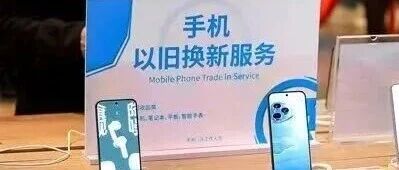
新一轮国补来了!国补政策2025年最新消息:第四批国补690亿10月继续领取,国补领取方法操作步骤全攻略!
Xin Lang Cai Jing· 2025-10-31 01:55
Group 1 - The core point of the article highlights the launch of the fourth batch of the national consumption subsidy policy, amounting to 69 billion yuan, aimed at promoting the "old for new" consumption initiative ahead of the "Double 11" shopping festival [1][3][7] - The total subsidy plan for the year is 300 billion yuan, with this fourth batch being the final opportunity for consumers to benefit from the program, which covers various categories including home appliances, digital products, and automobiles [3][5] - The subsidy program is set to end on December 31, 2025, with no extensions or additional allocations, emphasizing the urgency for consumers to act quickly [3][5] Group 2 - The subsidy program includes a dual-channel model of "old for new" and energy efficiency subsidies, with maximum reductions of 2,000 yuan for home appliances and 500 yuan for digital products [3][5] - Consumers can easily claim subsidies through platforms like JD and Taobao, with specific search commands provided for quick access to the subsidy qualifications [3][5][6] - The program is open to all authenticated users in mainland China, with no restrictions on residency or income, but limits the number of claims to one per category per individual [5][6] Group 3 - The article emphasizes the importance of early participation due to high demand, with reports of rapid depletion of available subsidies in popular provinces [5][6] - The integration of the subsidy with the "Double 11" and "Double 12" shopping peaks presents a significant opportunity for consumers to maximize their savings [1][7] - The article encourages consumers to act swiftly to secure their eligibility for the subsidies before they run out, highlighting the limited time frame available [5][6]
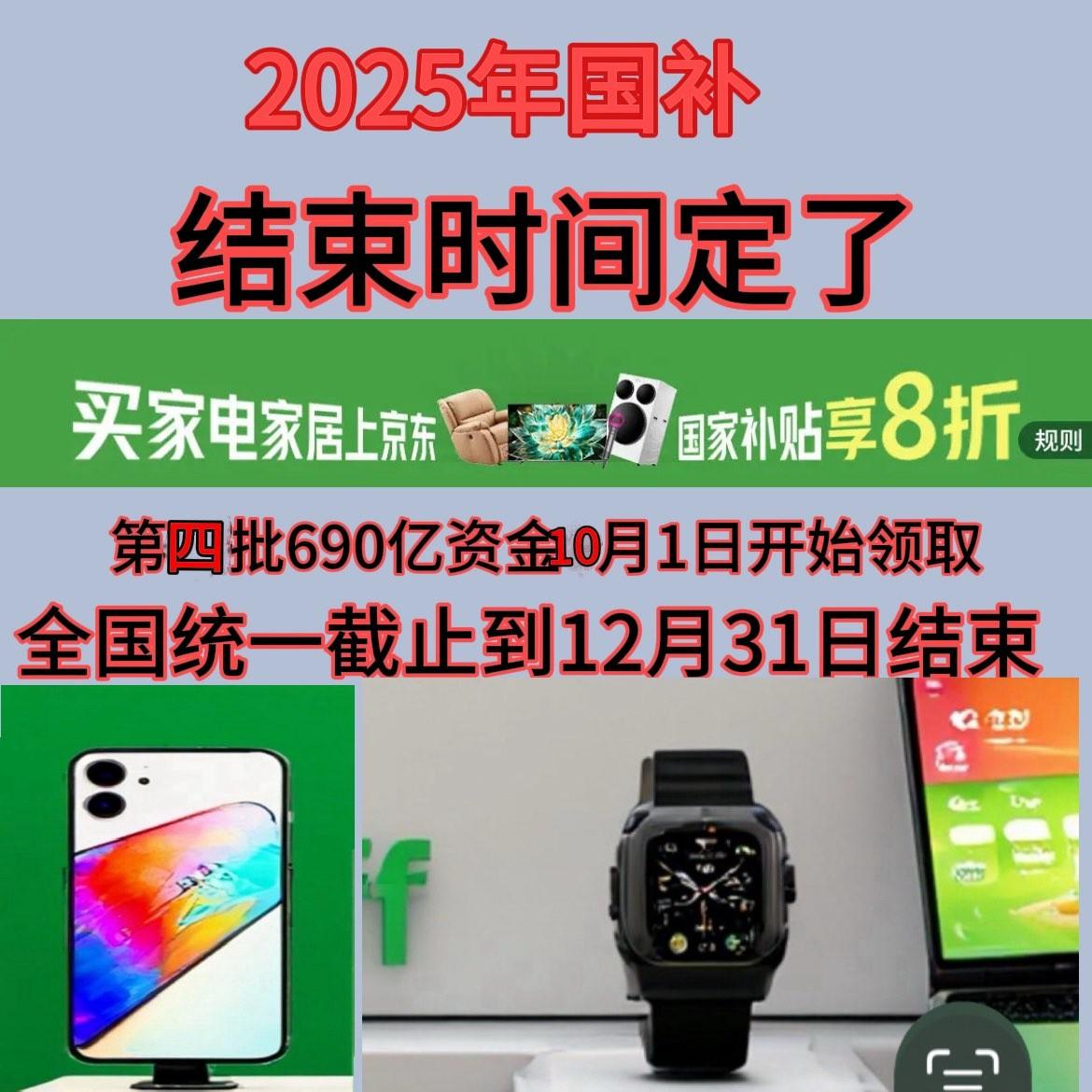
iPhone都来抢,补贴额度告急?
Sou Hu Cai Jing· 2025-06-16 04:37
Core Insights - The "National Subsidy" policy has expanded to include a wider range of consumer goods, leading to increased competition among e-commerce platforms and a surge in consumer interest [1][2][12] - The rapid consumption of subsidy funds has prompted some regions to implement limits on the availability of these subsidies, creating a competitive environment for consumers to "抢额度" (grab quotas) [2][17][20] - The impact of the subsidy policy is uneven across different platforms, with companies like JD.com benefiting significantly due to their business model aligning with the policy's requirements [6][7][8] Group 1: National Subsidy Policy - The National Subsidy policy has been expanded to include consumer electronics and home appliances, leading to a broader range of subsidized products [1][2] - As of the end of May, over 150 billion yuan of the total 300 billion yuan subsidy fund has been consumed, indicating a high demand for the program [2][20] - The policy has led to a shift in consumer behavior, with many consumers seeking to take advantage of subsidies by coordinating purchases across different regions [1][2] Group 2: E-commerce Platforms - JD.com is identified as the biggest beneficiary of the subsidy policy due to its self-operated model, which aligns well with the policy's risk control requirements [6][7] - Other platforms like Alibaba's Tmall are also participating in the subsidy program, but face challenges due to the presence of non-compliant sellers [7][8] - Smaller e-commerce platforms like Pinduoduo struggle to meet the certification requirements for the subsidies, limiting their ability to compete effectively [8][12] Group 3: Consumer Behavior and Market Dynamics - The subsidy policy has stimulated consumer demand, particularly in the smartphone sector, leading to a notable increase in sales [12][13] - The competition for subsidies has intensified, with consumers needing to act quickly to secure funding, leading to a "抢额度" mentality [17][20] - The policy has also revitalized offline retail channels, as consumers return to physical stores to take advantage of subsidies [13][15] Group 4: Challenges and Risks - The rapid consumption of subsidy funds has led to reports of shortages and limits on availability in various regions, raising concerns about the sustainability of the program [17][20] - Issues such as price manipulation and fraudulent claims have emerged, prompting calls for stricter oversight and regulation of the subsidy process [22][23] - The long payment cycles for subsidy reimbursements create cash flow challenges for retailers, potentially discouraging participation in the program [24][25]