
新能源乘用车

Search documents
【深度分析】2026年2月份全国新能源乘用车市场深度分析报告
乘联分会· 2026-03-27 08:44
Overall Market - The total market for passenger vehicles in China includes ICE (Internal Combustion Engine), BEV (Battery Electric Vehicle), and PHEV (Plug-in Hybrid Electric Vehicle) with a total production of 1,372,642 units and retail sales of 1,033,735 units [4][6]. - The production of new energy vehicles (NEV) reached 644,659 units, while fuel vehicles produced were 727,983 units, indicating a growing trend in NEV adoption [4][6]. Submarket Analysis - The NEV market is segmented into BEV and PHEV, with significant growth in both categories. The total NEV production for the year was 1,904,262 units, with a retail figure of 1,427,943 units [6][34]. - The market share of NEVs in the overall market is increasing, with NEV penetration rates reaching 41.1% in 2026 [18][19]. Export Market - The export of new energy vehicles has shown a positive trend, with a total of 289,543 units exported in the first two months of 2026, marking a 106.1% increase compared to the previous year [22][24]. - The share of NEVs in the export market is also growing, with NEV penetration rates reaching 49.9% [24][26]. Manufacturer Performance - BYD remains the leading manufacturer in the NEV segment with a wholesale volume of 187,782 units, despite a year-on-year decline of 41.0% [29]. - Tesla China has shown significant growth in retail sales, with a 52.4% increase, indicating strong market demand [30]. Vehicle Type Segmentation - In the vehicle type segmentation, the SUV category continues to dominate with a total retail sales of 1,060,304 units, while MPVs and sedans follow with 683,481 and 1,033,735 units respectively [33][34]. - The overall market is experiencing a decline in sales across all vehicle types, with NEVs showing a less severe drop compared to traditional fuel vehicles [36][37].





【乘联分会论坛】3月狭义乘用车零售预计170.0万辆,新能源预计90.0万辆
乘联分会· 2026-03-20 08:52
Core Viewpoint - The Chinese passenger car market experienced a significant seasonal decline in February 2026, with retail sales dropping 25.4% year-on-year and 33.1% month-on-month, while the penetration rate for new energy vehicles (NEVs) was 44.9% [2]. Group 1: Market Overview - In March 2026, the market is expected to gradually recover as the post-holiday consumption phase continues, with a forecasted retail market size of approximately 170,000 units, reflecting a month-on-month increase of 64.5% but a year-on-year decrease of 12.4% [4][5]. - The retail sales of NEVs are projected to reach around 900,000 units in March, with a penetration rate of approximately 52.9% [4][7]. Group 2: Weekly Sales Trends - The first week of March saw weak market performance with an average daily retail of 31,000 units, a year-on-year decline of 23.6%. However, the second week showed improvement with daily sales rising to 45,000 units, reducing the year-on-year decline to 19.5% [5][6]. - By the third week, daily retail is expected to reach 47,000 units, with the decline narrowing to 14.5%. The fourth week is anticipated to see a significant increase in daily sales to 93,000 units, driven by manufacturer promotions and new vehicle launches [5][6]. Group 3: Consumer Behavior and Market Dynamics - The overall retail sales of consumer goods in China grew by 2.8% year-on-year in January-February 2026, but automotive retail sales fell by 7.3%, indicating a weaker recovery in the automotive sector compared to the broader market [7]. - The market is witnessing a structural shift, with increasing consumer preference for NEVs, while the fuel vehicle market remains under pressure due to high discounts and rising fuel costs, which have hindered expected recovery trends [7].
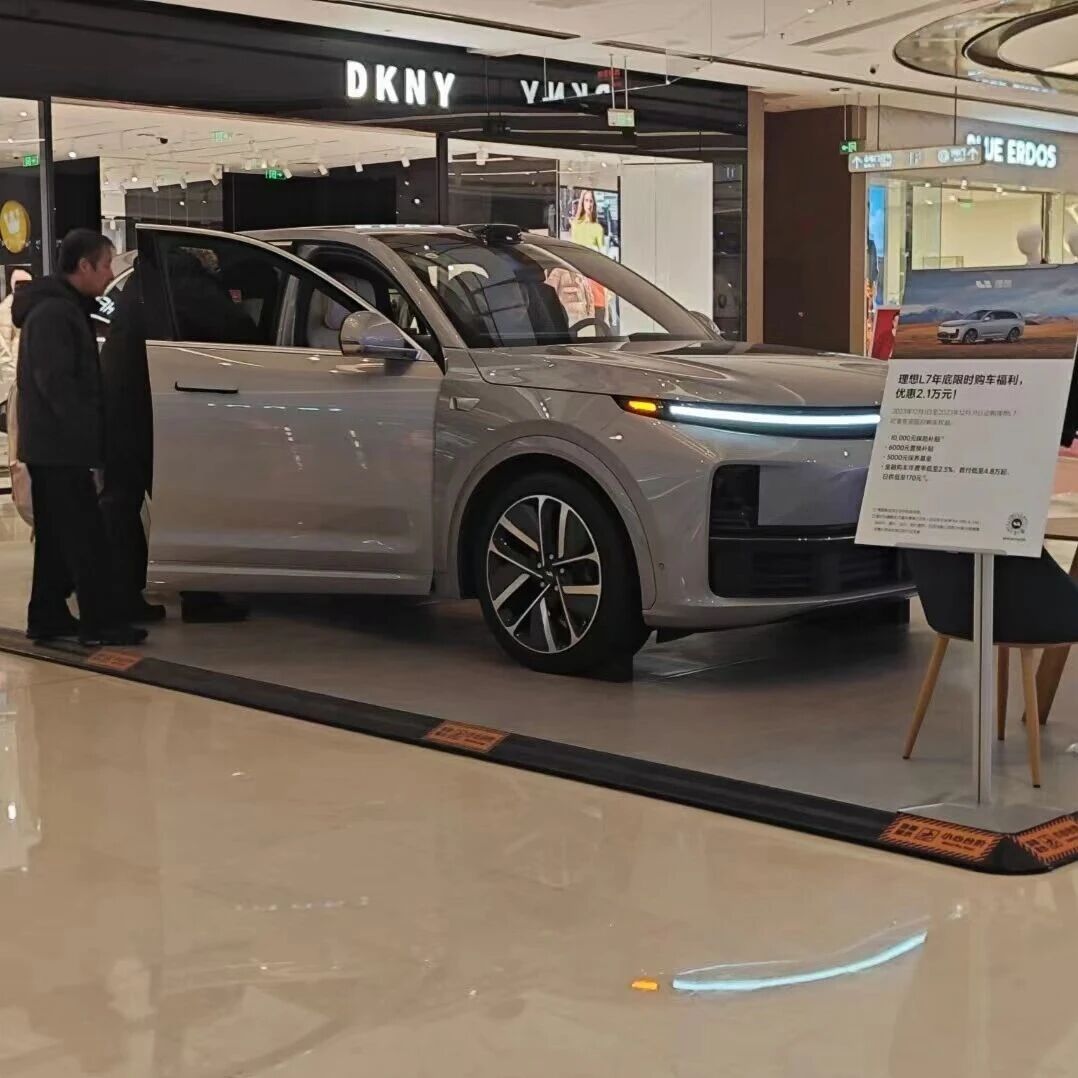
2026汽车“国补”落地:摇号领补贴、资金按月花,各地补出新花样
经济观察报· 2026-03-07 04:01
Core Viewpoint - The 2026 national subsidy policy for automobiles in China has shifted from fixed "lump-sum subsidies" to "proportional subsidies" linked to vehicle prices, aiming to guide financial resources towards mid-to-high-end products and promote industry upgrades [2][9]. Subsidy Structure - The subsidy program is divided into two main categories: scrapping and replacement. Consumers can receive 12% of the new car price (up to 20,000 yuan) for scrapping eligible old vehicles and purchasing new energy vehicles, while scrapping old fuel vehicles yields a 10% subsidy (up to 15,000 yuan) [4]. - For replacement, purchasing new energy vehicles offers an 8% subsidy (up to 15,000 yuan), and fuel vehicles provide a 6% subsidy (up to 13,000 yuan) [4]. Regional Adaptations - Local governments are implementing dynamic adjustments and innovative measures like lottery systems for subsidy distribution to address previous issues of fund exhaustion and uneven distribution [5][6]. - For example, Hubei province has introduced a monthly funding plan to ensure stable policy benefits throughout the year [4]. Fairness and Market Dynamics - The new policy emphasizes fairness by prohibiting regional protectionism and ensuring that consumers are not forced to sell old vehicles to designated companies [6]. - The shift to proportional subsidies is expected to reduce the attractiveness of low-end vehicles, as subsidies for models priced below 100,000 yuan will significantly decrease [10]. Market Impact - The new policy is anticipated to reshape the competitive landscape, pressuring low-cost micro electric vehicle manufacturers while benefiting mid-to-high-end market players [12][13]. - Data from January indicates that the average price of new cars participating in the trade-in program exceeded 160,000 yuan, reflecting a shift towards value-driven competition [13]. Future Outlook - The automotive market is expected to stabilize and gradually differentiate throughout the year, with the new subsidy policy focusing on quality growth rather than mere sales volume [14].
深圳:给予汽车报废更新补贴支持,购买新能源乘用车补贴车价的12%
Xin Lang Cai Jing· 2026-02-28 02:44
Core Viewpoint - Shenzhen's Development and Reform Commission, along with two other departments, has issued a plan to support the replacement and upgrading of consumer goods through long-term special government bonds, focusing on the automotive sector [1] Group 1: Policy Details - The plan includes support for the scrapping and updating of automobiles, specifically targeting personal consumers who register the scrapping of their passenger vehicles [1] - Consumers who purchase new energy passenger vehicles or fuel passenger vehicles with an engine displacement of 2.0 liters or below will receive subsidies [1] Group 2: Subsidy Structure - A subsidy of 12% of the purchase price (up to a maximum of 20,000 yuan) is offered for the purchase of new energy passenger vehicles [1] - For the purchase of fuel vehicles with an engine displacement of 2.0 liters or below, a subsidy of 10% of the purchase price (up to a maximum of 15,000 yuan) is provided [1]
国务院各部门采纳代表委员所提意见建议4900余条
Xin Lang Cai Jing· 2026-02-27 17:29
Group 1: Government Initiatives and Achievements - In 2025, the State Council handled 8,754 proposals from the National People's Congress and 4,868 proposals from the Chinese People's Political Consultative Conference, achieving a completion rate of 95.6% and 97.3% respectively, with high satisfaction from representatives [1] - Over 4,900 suggestions from representatives were adopted, leading to the introduction of more than 2,200 related policies and measures, resulting in significant progress in investment, consumption, and high-quality development [1] Group 2: Consumer Market Growth - The contribution of consumption to economic growth reached 52%, an increase of 5 percentage points from the previous year [2] - In 2025, the total retail sales of consumer goods exceeded 50 trillion yuan for the first time, with a significant boost in sales from trade-in programs amounting to 2.61 trillion yuan, benefiting 366 million people [2] - Online retail sales grew by 8.6%, while retail sales in the service sector increased by 5.5%, with certain categories like cultural, sports, and leisure services experiencing double-digit growth [2] Group 3: Technological and Financial Support - The National Venture Capital Guidance Fund is set to launch with a total scale expected to reach 1 trillion yuan, alongside the establishment of various funds exceeding 350 billion yuan to facilitate venture capital [3] - The scale of re-loans for technological innovation and transformation increased to 1.2 trillion yuan, with a reduced interest rate of 1.25%, expanding the support scope [3] - By the end of 2025, loans to technology-based small and medium-sized enterprises reached 3.63 trillion yuan, marking a year-on-year growth of 19.8% [3] Group 4: Agricultural Technological Advancements - In 2025, the contribution rate of agricultural technological progress surpassed 64%, with significant achievements such as the cloning of the world's first high-temperature resistant rice gene [4] - Innovations in agricultural biotechnology and the integration of artificial intelligence into agriculture are advancing rapidly, with new wheat varieties developed to address disease resistance and yield improvement [4] Group 5: Market Regulation and Compliance - The State Administration for Market Regulation has implemented nine special rectification actions to address illegal activities, including significant cases in live-streaming e-commerce [5] - A total of 1,856 quality enhancement projects were executed to resolve quality issues, with recalls of defective mobile power products affecting nearly 1.4 million units [5] - New regulations, including the revision of the Anti-Unfair Competition Law and the issuance of compliance guidelines for internet platforms, have been introduced to ensure lawful operations of platform enterprises [5]
“金点子”落地:2025年这些经济民生大事离不开代表委员推动
Xin Jing Bao· 2026-02-27 13:23
Group 1: Government Initiatives and Proposals - In 2025, the State Council departments handled a total of 8754 suggestions and 4868 proposals from the National People's Congress and the Chinese People's Political Consultative Conference, achieving completion rates of 95.6% and 97.3% respectively [1] - The Ministry of Commerce processed 1020 suggestions and proposals, contributing to a 52% contribution rate of consumption to economic growth, an increase of 5 percentage points from the previous year [2] - The Ministry of Science and Technology completed 901 suggestions and proposals, focusing on enhancing the role of financial capital in supporting high-level technological self-reliance [4] Group 2: Economic Performance and Trade - In 2025, the net export of goods and services contributed 32.7% to economic growth, with total goods import and export exceeding 45 trillion yuan, maintaining China's position as the largest trading nation for nine consecutive years [3] - The retail sales of consumer goods surpassed 50 trillion yuan for the first time, with a significant increase in online retail sales by 8.6% [2] - High-tech product exports reached 5.25 trillion yuan, accounting for 19.5% of total exports, indicating an optimization in product structure [3] Group 3: Financial Support and Investment - The National Venture Capital Guidance Fund is expected to reach a total scale of 1 trillion yuan, aimed at supporting early-stage and long-term investments in hard technology [4] - The scale of loans for technological innovation and technological transformation increased to 1.2 trillion yuan, with a reduced interest rate of 1.25% [4] - By the end of 2025, loans to technology-based small and medium-sized enterprises reached 3.63 trillion yuan, reflecting a year-on-year growth of 19.8% [5] Group 4: Market Regulation and Standards - The State Administration for Market Regulation handled 1084 suggestions and proposals, focusing on regulating online market order and enhancing quality standards [6] - A total of 4929 national standards were published in 2025, marking a 56% increase year-on-year, with significant attention on emerging industries such as new energy vehicles and artificial intelligence [7] - New mandatory energy-saving standards were released for various industries, including steel and household appliances, to promote green and low-carbon development [8]
商务部:去年全国社会消费品零售总额首次突破50万亿元
Guang Zhou Ri Bao· 2026-02-27 09:35
Group 1: Economic Growth and Consumption - The contribution rate of consumption to economic growth has reached 52%, an increase of 5 percentage points from the previous year [1] - By 2025, the total retail sales of consumer goods in China is expected to exceed 50 trillion yuan for the first time, with the old-for-new consumption policy driving sales of 2.61 trillion yuan, benefiting 366 million people [1] Group 2: Service Consumption Expansion - The Ministry of Commerce is implementing policies to expand service consumption, including high-quality measures for service consumption and home service upgrades, with a target of a 5.5% year-on-year growth in national service retail sales by 2025 [2] - Retail sales in sectors such as cultural and recreational services, tourism consulting, and transportation are projected to achieve double-digit growth [2] Group 3: New Consumption Models - The Ministry of Commerce is promoting new consumption models and digital consumption, with online retail sales expected to grow by 8.6% by 2025, and retail sales of new energy passenger vehicles projected to increase by 17.6% [2] - The market penetration rate for new energy passenger vehicles is anticipated to reach 53.9% [2] Group 4: Improvement of Distribution System - The Ministry of Commerce has supported 40 cities in modern commercial circulation system construction, aiming for comprehensive coverage of commercial outlets in rural areas, with rural e-commerce expected to achieve high-quality development [2] - By 2025, the added value of wholesale and retail industries is projected to reach 14.6 trillion yuan, accounting for 10.4% of GDP, both historical highs [2] Group 5: Future Initiatives - The Ministry of Commerce plans to implement a dual-driven approach of "policy + activities" to further boost consumption and promote the "Buy in China" brand, aiming to build a strong domestic market [3]
广西财政预下达今年首批消费品以旧换新补贴资金19.26亿元
Zhong Guo Xin Wen Wang· 2026-02-26 05:53
Core Viewpoint - Guangxi Zhuang Autonomous Region's finance department has announced the allocation of 1.926 billion yuan for the first batch of subsidies for the "old-for-new" consumption policy in 2026, aimed at stimulating consumer spending and supporting economic recovery [1][2]. Group 1: Subsidy Allocation - The total subsidy includes 1.83 billion yuan from central government special bonds and 96 million yuan from local government funds [1]. - The "old-for-new" policy will be implemented starting January 1, 2026, with a more precise and optimized support scope compared to 2025 [1]. Group 2: Supported Products - The policy continues to support the scrapping and replacement of vehicles, specifically focusing on six categories of home appliances: refrigerators, washing machines, televisions, air conditioners, computers, and water heaters [1]. - The range of digital products eligible for subsidies has been expanded to include four categories of smart products: smartphones, tablets, smartwatches/bands, smart glasses, and smart home products [1]. Group 3: Subsidy Details - For scrapping and purchasing new energy vehicles, the subsidy is 12% of the vehicle price (up to 20,000 yuan); for fuel vehicles, it is 10% (up to 15,000 yuan) [2]. - For replacement purchases of new energy vehicles, the subsidy is 8% (up to 15,000 yuan); for fuel vehicles, it is 6% (up to 13,000 yuan) [2]. - For the six categories of energy-efficient home appliances, the subsidy is 15% of the sales price (up to 1,500 yuan per item) [2]. - For the four categories of digital and smart products, the subsidy is 15% of the sales price (up to 500 yuan per item), with each consumer eligible for one item [2].
河南省2026年汽车以旧换新补贴指南来了
Zheng Zhou Ri Bao· 2026-02-26 01:01
Core Viewpoint - The Henan Provincial Department of Commerce, in collaboration with various government departments, has issued the implementation details for the 2026 automobile trade-in subsidy program, aimed at promoting the replacement of old vehicles with new energy and fuel-efficient cars [1] Subsidy Details - For scrapping and updating vehicles in 2026, a subsidy of 12% of the new car sales price, up to 20,000 yuan, will be provided for eligible old vehicles replaced with new energy passenger cars [1] - For scrapping eligible fuel passenger cars and purchasing fuel passenger cars with an engine displacement of 2.0 liters or less, a subsidy of 10% of the new car sales price, up to 15,000 yuan, will be granted [1] - For trade-in updates, a subsidy of 8% of the new car sales price, up to 15,000 yuan, will be available for eligible new energy passenger cars [1] - For trade-in of eligible fuel passenger cars, a subsidy of 6% of the new car sales price, up to 13,000 yuan, will be provided [1] Eligibility Criteria - To qualify for the 2026 automobile scrapping subsidy, the old vehicle must be registered before June 30, 2013, for gasoline cars, before June 30, 2015, for diesel and other fuel cars, or before December 31, 2019, for new energy vehicles [2] - The old vehicle must be registered in the applicant's name before January 8, 2025, and must remain registered in their name until scrapping [2] - The scrapping certificate must be issued by a qualified scrapping enterprise, and both the scrapping and cancellation dates must be after January 1, 2026 [2] Application Process - Applications for both scrapping and trade-in subsidies will be processed online [4] - For scrapping subsidies, applications can be submitted via mobile platforms like WeChat, Alipay, Douyin, and Yunshanfu, or through the national automobile circulation information management system website [4] - For trade-in subsidies, consumers can use the Yunshanfu APP to access the application portal [4] Required Documentation - For scrapping subsidy applications, required documents include identity verification, bank account information, scrapping certificate, and new vehicle sales invoice and registration certificate [5][6] - For trade-in subsidy applications, documents needed include identity verification, bank account information, second-hand vehicle sales invoice, and new vehicle sales invoice and registration certificate [5][6] Application Progress Tracking - Consumers can track the progress of their subsidy applications through the original application channels [6] - Each individual consumer is limited to one subsidy for either scrapping or trade-in, and cannot receive both [6]
河南2026年汽车以旧换新补贴来了→
Xin Lang Cai Jing· 2026-02-25 08:42
Core Viewpoint - The article discusses the new vehicle replacement subsidy policy in Henan for 2026, which provides financial incentives for consumers to trade in old vehicles for new ones, particularly focusing on electric and fuel vehicles [1] Group 1: Subsidy Details - The subsidy for scrapping eligible old vehicles and purchasing qualifying new energy passenger cars is set at 12% of the new car sales price, with a maximum subsidy of 20,000 yuan [1] - For scrapping eligible fuel passenger cars and purchasing qualifying new fuel passenger cars, the subsidy is 10% of the new car sales price, with a maximum subsidy of 15,000 yuan [1] - No subsidies will be provided for scrapping new energy passenger cars when purchasing fuel passenger cars [1]