国际金融博弈

Search documents
东方正在加紧抛售;而日本只能等待结束?还以为东方抛售美债,只是普通操作?错了!
Sou Hu Cai Jing· 2025-10-07 04:39
Core Insights - The geopolitical conflict that erupted in February 2022 led to Western sanctions against Russia, freezing nearly $300 billion of its overseas assets and cutting off the SWIFT payment system, raising deep concerns about asset security in the international community [1] - In response to these sanctions, a major Asian country began adjusting its foreign exchange reserve structure in April 2022, reducing its holdings of U.S. Treasury bonds to $730.7 billion by July 2025, a 15-year low, and nearly $400 billion lower than its peak [1] - This country also increased its gold purchases to account for 15% of global annual production in 2024, indicating a dual strategy of "de-dollarization" and reserve diversification to mitigate sanction risks and proactively respond to changes in the international financial system [1] Comparative Analysis - In contrast, Japan continues to hold $1.15 trillion in U.S. Treasury bonds, having added $3.8 billion in July 2025, which highlights the risk of a singular asset allocation strategy [2] - Countries overly reliant on dollar-denominated assets may face asset freezing risks similar to those experienced by Russia, making reserve diversification a common strategy among major global economies [2] International Financial Dynamics - Despite years of Western sanctions aimed at undermining its economy, Russian leadership still expresses a desire to integrate with the West, reflecting the complexities of international financial competition [3] - This situation serves as a warning for all nations to seek a balance between open cooperation and risk prevention in their economic strategies [3]

8月金价猛涨4.8%,背后或藏国际金融博弈大阴谋!
Sou Hu Cai Jing· 2025-08-31 10:50
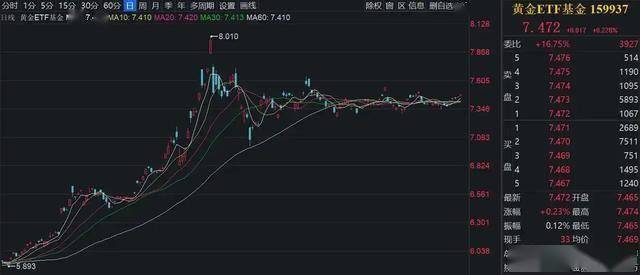
Core Insights - The significant rise in gold prices in August 2025, with a monthly increase of 4.8%, is attributed to heightened geopolitical tensions and increased demand for safe-haven assets like gold [3][5][12] - The Federal Reserve's potential interest rate cuts are influencing market sentiment, contributing to the upward trend in gold prices [8][10] - China's strategy of increasing gold reserves reflects its proactive approach to financial security and its response to global economic uncertainties [6][10][12] Geopolitical Factors - The escalation of conflicts in the Middle East, particularly in Gaza, has intensified global market anxieties, prompting investors to shift towards gold [5][6] - Historical parallels are drawn between the current situation and the 1970s oil crisis, highlighting gold's role as a safe haven during crises [5] Market Dynamics - The Philadelphia Gold and Silver Index recorded a notable increase of 21.97% in August, indicating strong market interest in gold [3] - The recent softening of U.S. inflation data has bolstered expectations for Federal Reserve rate cuts, further supporting gold prices [8] China's Financial Strategy - China's gold reserves have reached 2076 tons, showcasing its strategic positioning in the international financial market [3][6] - The country is actively enhancing its financial resilience through increased gold holdings and foreign exchange reserves, aiming to mitigate external economic pressures [8][10] International Monetary Relations - Other nations, such as Russia, are also increasing their gold reserves while reducing reliance on U.S. dollar assets, reflecting a broader trend in international financial strategies [10] - The ongoing geopolitical and economic shifts are prompting a reevaluation of global monetary systems, with China positioning itself as a key player in this evolving landscape [12]