
在地文化

Search documents
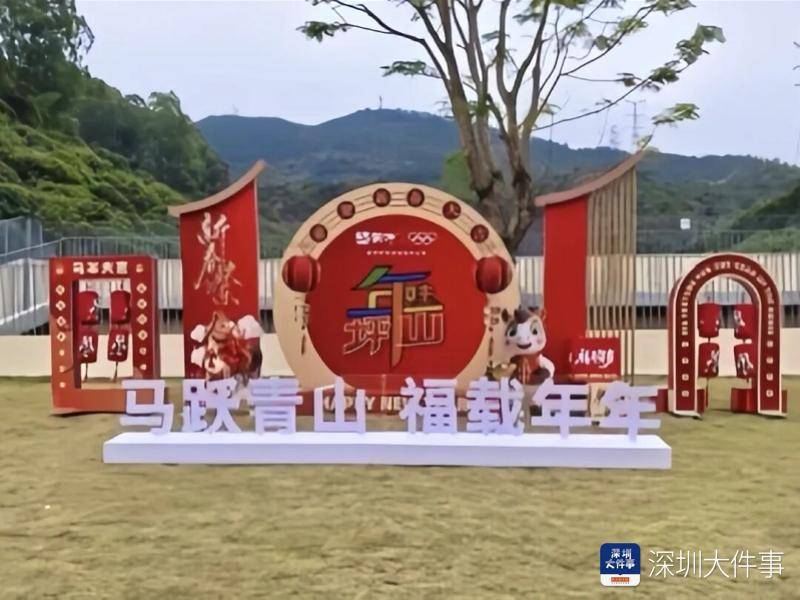
增长54.7%!马年春节,深圳坪山如何引爆文旅消费场?
Sou Hu Cai Jing· 2026-02-25 16:12
Core Insights - The marketing slogan "Horse Year Ascends to Maluan" effectively combines local culture and tourism, leading to a significant increase in visitor numbers and tourism revenue during the Spring Festival [1][3][10] Group 1: Visitor Statistics - During the Spring Festival, Pingshan District received a total of visitors (excluding Shenzhen) with a year-on-year increase of 55.2% [1] - One-day trip visitors increased by 71.7%, while overnight visitors rose by 26.5% [1] - Tourism revenue saw a year-on-year growth of 54.7% [1] Group 2: Cultural and Ecological Integration - The Maluan Mountain Park served as a key attraction, with a 10.12% increase in visitors during the Spring Festival [3] - Cultural events, such as the traditional Hakka rituals and lion dance, enhanced the festive atmosphere and cultural experience for visitors [3] Group 3: Impact of Film and Media - The collaboration with popular films and dramas, such as Zhang Yimou's "Silent Awakening" and the hit series "Miracle," attracted more visitors and boosted local tourism [5][7] - The "Film Invitation Pingshan" initiative provided discounted screenings of popular films, further engaging the community and visitors [7] Group 4: Local Products and Economic Impact - The promotion of "Pingshan Goodies" during the holiday season highlighted local craftsmanship and cultural products, contributing to a vibrant consumer market [9] - The total foot traffic in eight commercial complexes in Pingshan increased by 38.38%, with revenue rising by 18.69% during the Spring Festival [9] Group 5: Strategic Urban Branding - Pingshan's success in tourism and local product sales is attributed to a well-planned urban branding strategy that emphasizes local culture and community engagement [10] - The district's approach to integrating cultural heritage with modern tourism has created a welcoming environment for both local and international visitors [10]

烟火市集酿出消费新潮流
Xin Hua Ri Bao· 2026-02-24 13:53
Core Insights - The rise of various themed markets in Jiangsu during the Spring Festival has revitalized local cultural tourism consumption, blending tradition with modern trends [1][4][6] Group 1: Market Popularity - Unique handmade products, such as the foldable lamps from Jiji Cultural Creation, have driven consumer interest, with sales reaching over 20 units daily during the holiday [1][2] - The market in Huai'an saw a significant increase in foot traffic, with daily sales averaging around 3,000 yuan, reflecting a 30% year-on-year increase [3] - The popularity of traditional snacks, like Mei Hua cake, has also surged, with daily sales reaching 600 to 700 portions, emphasizing the importance of authentic ingredients [3] Group 2: Consumer Engagement - Markets like "Meili Good Market" attract 30,000 to 50,000 visitors daily by integrating local culture and appealing to younger consumers with modern food options [4] - The "Nanjing East Market" showcases local crafts and traditional snacks, enhancing the cultural experience for visitors [5] - The emotional and social aspects of markets provide a unique atmosphere that contrasts with online shopping, fostering community connections [6] Group 3: Brand Differentiation - Some markets face challenges due to a lack of local cultural depth and originality, leading to consumer fatigue from similar offerings [7] - Successful vendors emphasize product quality, freshness, and presentation to attract customers, highlighting the importance of visual appeal in food sales [7][8] - Innovative approaches, such as integrating local heritage with modern design, are essential for attracting younger audiences and maintaining market vitality [8][9] Group 4: Cultural Integration - Deep exploration of local culture and history is crucial for creating a unique market identity that resonates with consumers [9] - The integration of markets with local attractions enhances visitor engagement and extends their stay, contributing to the overall cultural tourism experience [10]
不追网红店的年轻人,竟在菜市场里解锁社交新潮流?
Sou Hu Wang· 2026-01-22 05:01
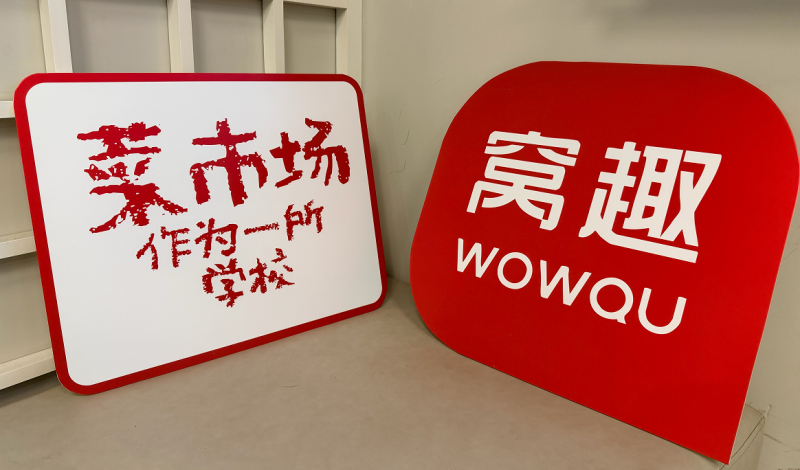
Group 1 - The core idea of the articles is that young people are increasingly viewing local markets as new social and recreational spaces, moving away from traditional tourist attractions and online interactions [1] - Local markets are seen as treasure troves filled with fresh produce and local flavors, providing a sense of belonging and cultural connection for young people, even when they are away from home [1][17] - The "wo们开伙啦" community event organized by Woqu aims to create a warm social environment for renters, using food as a medium to foster connections and share cultural experiences [3][5] Group 2 - The event featured interactive activities such as creating a "taste map" of hometown dishes and guessing food items based on photographs, enhancing community engagement and cultural exploration [8][10] - Participants explored the local market, discovering hidden culinary gems and experiencing the vibrant local culture, which helps them integrate into the community [13][17] - The activities included creative exploration tasks that encouraged participants to capture the essence of local life through photography, deepening their understanding of the area's history and culture [19][22] Group 3 - Woqu's "趣社区" concept emphasizes a lifestyle that blends shared and private living experiences, aiming to provide a sense of home for urban youth [24] - The successful execution of the "wo们开伙啦" event exemplifies Woqu's brand characteristics, focusing on local resources and comfortable living to foster enjoyment, friendships, and warmth among renters [24]
利用“在地文化”资源优化研学旅游格局
Hai Nan Ri Bao· 2026-01-03 22:30
Core Viewpoint - The rapid development of China's economy and culture has led to a diversified pursuit of spiritual life, with research-based tourism increasingly favored, expanding its participants from primarily school students to young and elderly individuals [1] Group 1: Industry Development - Research-based tourism is gradually moving towards standardized and high-quality development, supported by policy guidance and professional course design [1] - The integration of education, culture, and tourism is becoming a new driving force for high-quality development in the tourism industry [1] Group 2: Regional Resources - Hainan, located at the southernmost point of China, boasts rich "land, sea, and air" resources for research-based tourism, including unique ethnic cultural resources and marine culture [2] - The Hainan Bailing Valley and various museums provide excellent venues for research-based tourism, showcasing local culture and history [2] Group 3: Development Strategies - To enhance Hainan's research-based tourism, it is essential to tap into local culture, making resources more engaging and participatory for tourists [3] - Utilizing digital technology can create immersive experiences, allowing participants to interact with historical and cultural contexts [3][4] - Creating distinctive research scenarios and integrating educational content into tourism experiences can enrich the learning process [4][5] Group 4: Educational Integration - The core of research-based tourism is education, which should incorporate ideals, patriotism, and scientific spirit throughout the experience [5] - Innovative teaching methods, such as situational teaching and drama performances, can revitalize historical narratives and engage participants more effectively [5] Group 5: Environmental and Structural Support - Establishing a comprehensive standard system covering courses, bases, mentors, and evaluations is crucial for the growth of research-based tourism [5] - The development of a research tourism fund and a professional mentor team can enhance market vitality and ensure a reliable environment for participants [5]
复星旅文:锚定三大产品线走差异化运营路径
Zheng Quan Ri Bao Wang· 2025-11-30 10:14
Core Insights - The article highlights the comprehensive upgrade and development of the cultural tourism consumption sector, with Fosun Tourism Group (Fosun Travel) focusing on vacation scenarios as a growth opportunity [1] - Fosun Travel aims to become the world's leading vacation brand by launching three core product lines: Super Resorts, Super Vacation Zones, and Super Cultural Tourism Malls [1][2] Group 1: Product Lines and Market Strategy - Fosun Travel's Super Resorts address the pain points of traditional scenic spots by providing a one-stop vacation transformation solution [2] - The Super Vacation Zones target core tourist cities in China, integrating international IP and innovative content to create immersive theme vacation complexes [2] - The Super Cultural Tourism Mall (HiSphere) aims to reshape commercial spaces with a focus on cultural and entertainment experiences, combining shopping, dining, and leisure [2] Group 2: Growth Projections and Unique Offerings - By 2035, Fosun Travel plans to establish five micro-vacation projects in first-tier cities and develop 100 "Mediterranean PAI" resorts, 20 "Mediterranean Neighbor" vacation zones, and five HiSphere cultural tourism malls [3] - Each project will incorporate local cultural elements to create unique IPs and experiences, addressing the issue of homogenization in the market [3] Group 3: Ongoing Projects and Collaborations - As of November 28, Fosun Travel has signed contracts for 14 key projects across major cities, including five Super Resorts, eight Super Vacation Zones, and one Super Cultural Tourism Mall [4] - Notable projects include the Mediterranean White Day Ark in Hangzhou and Hi·Chongqing, which will feature immersive cultural experiences and diverse offerings for families and Gen Z [4] Group 4: Future Directions and Investment Strategies - Fosun Travel has signed a cooperation agreement to create the first biodiversity resort in China, emphasizing ecological-driven tourism [5] - The company adopts a light asset operation model while selectively investing in high-quality projects, with several enterprises expressing interest in investment [5] - The focus on vacation resorts as a key driver for urban cultural tourism enhancement reflects the industry's shift towards deep experiential offerings [5][6]