梅花糕

Search documents
烟火市集酿出消费新潮流
Xin Hua Ri Bao· 2026-02-24 13:53
Core Insights - The rise of various themed markets in Jiangsu during the Spring Festival has revitalized local cultural tourism consumption, blending tradition with modern trends [1][4][6] Group 1: Market Popularity - Unique handmade products, such as the foldable lamps from Jiji Cultural Creation, have driven consumer interest, with sales reaching over 20 units daily during the holiday [1][2] - The market in Huai'an saw a significant increase in foot traffic, with daily sales averaging around 3,000 yuan, reflecting a 30% year-on-year increase [3] - The popularity of traditional snacks, like Mei Hua cake, has also surged, with daily sales reaching 600 to 700 portions, emphasizing the importance of authentic ingredients [3] Group 2: Consumer Engagement - Markets like "Meili Good Market" attract 30,000 to 50,000 visitors daily by integrating local culture and appealing to younger consumers with modern food options [4] - The "Nanjing East Market" showcases local crafts and traditional snacks, enhancing the cultural experience for visitors [5] - The emotional and social aspects of markets provide a unique atmosphere that contrasts with online shopping, fostering community connections [6] Group 3: Brand Differentiation - Some markets face challenges due to a lack of local cultural depth and originality, leading to consumer fatigue from similar offerings [7] - Successful vendors emphasize product quality, freshness, and presentation to attract customers, highlighting the importance of visual appeal in food sales [7][8] - Innovative approaches, such as integrating local heritage with modern design, are essential for attracting younger audiences and maintaining market vitality [8][9] Group 4: Cultural Integration - Deep exploration of local culture and history is crucial for creating a unique market identity that resonates with consumers [9] - The integration of markets with local attractions enhances visitor engagement and extends their stay, contributing to the overall cultural tourism experience [10]
江苏:烟火市集酿出消费新潮流
Sou Hu Cai Jing· 2026-02-24 02:45
Core Insights - The article highlights the rise of various unique markets in Jiangsu during the Spring Festival, showcasing a blend of traditional culture and modern trends, which has revitalized local tourism and consumer spending [4][9]. Group 1: Market Popularity and Consumer Engagement - The markets have seen high foot traffic, with some attracting 30,000 to 50,000 visitors daily, driven by a combination of local cultural elements and appealing to younger consumers [7][9]. - Specific products, such as the handmade folding lamps, have become bestsellers, with sales reaching over 20 units daily at certain stalls, indicating a strong consumer interest in unique, locally crafted items [4][5]. - Vendors are adapting their offerings to meet contemporary tastes, with products like traditional pastries being made with high-quality ingredients to ensure authenticity and attract repeat customers [6][10]. Group 2: Cultural Integration and Thematic Markets - Markets are increasingly themed to enhance the visitor experience, such as the "梅里好市" which integrates traditional heritage with modern lifestyle elements, creating immersive cultural experiences [7][9]. - The markets are designed to reflect local culture and history, with a focus on unique, handcrafted goods that resonate with the community's identity [12]. - Collaborative efforts with popular brands and cultural events, such as partnerships with gaming companies, have been employed to attract younger audiences and enhance market appeal [11][12]. Group 3: Challenges and Opportunities - Some markets face challenges related to a lack of originality and cultural depth, leading to consumer fatigue due to similar offerings [10]. - To maintain popularity, markets must focus on high-quality products and unique experiences that stand out from typical commercial offerings [10][11]. - The integration of local culture and innovative branding strategies is essential for creating a distinctive market identity that can drive long-term engagement and tourism [12].

无锡阳山年味市集启幕 沉浸式体验点亮新春文旅消费
Xin Lang Cai Jing· 2026-02-07 10:25
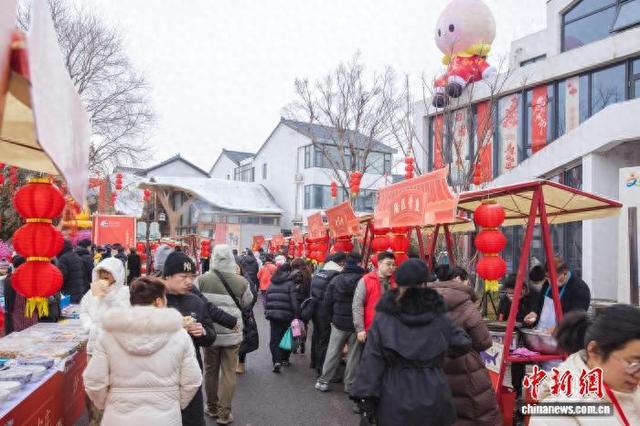
Core Viewpoint - The "Su Yun Xiang Qing · Beautiful Wuxi" rural leisure tourism agricultural promotion event aims to enhance the quality of rural tourism and cultural consumption during the Spring Festival by integrating local cuisine, traditional customs, and dynamic performances [1][5]. Group 1: Event Overview - The event features the "2026 Yangshan Year Flavor Market," which emphasizes local flavors, cultural creativity, interactive experiences, and traditional customs [2][3]. - The market is designed with five thematic areas, including local delicacies, cultural and creative products, and interactive experiences, creating a vibrant scene of traditional customs [2][3]. Group 2: Activities and Engagement - The market includes a "Gao·Sheng Yi Bu" area where visitors can learn to make traditional rice cakes under the guidance of skilled artisans, showcasing the blend of tradition and innovation [3]. - An online and offline integration is highlighted through the "Young Live·Cloud Tour Market," where local influencers promote Yangshan's cultural tourism resources and specialty agricultural products via immersive live streaming [3][5]. Group 3: Cultural and Interactive Elements - The event features a "Park Stamp Collection" activity with five themed check-in points, allowing visitors to collect auspicious stamps and participate in a lottery for prizes [5]. - Traditional crafts such as sugar figurine making, paper cutting, and Chinese knot weaving are showcased, along with performances like tree stump bands and dragon dances, enhancing the cultural experience [5]. Group 4: Economic Impact - The event aims to revitalize the Spring Festival cultural tourism consumption, injecting new momentum into the high-quality development of Yangshan's rural leisure tourism agriculture [5].
西湖边这场市集还有最后一天
Hang Zhou Ri Bao· 2026-01-20 03:03
Group 1 - The core theme of the event is "Galloping Horse Welcoming Spring: Cross-Strait Unity," with over 80 businesses from both sides participating [2] - The event features three main thematic areas: "Taiwan Specialty Goods Zone," "Zhejiang Local New Year Gifts Zone," and "Cross-Strait Rural Revitalization Achievements Zone," showcasing a variety of local delicacies and cultural products [1][2] - The market runs from January 16 to 20, 2023, and includes performances such as the "Electric Music San Tai Zi," enhancing the festive atmosphere [2] Group 2 - The event aims to promote practical cooperation between the two sides in areas such as youth innovation and entrepreneurship, as well as cultural and tourism integration [2] - The market also highlights the achievements of cross-strait rural revitalization, with products from Guizhou Province displayed, emphasizing the collaborative efforts between the two regions [1]
(乡村行·看振兴)浙江路桥:乡村品牌勾勒百姓幸福图景
Xin Lang Cai Jing· 2025-12-24 11:38
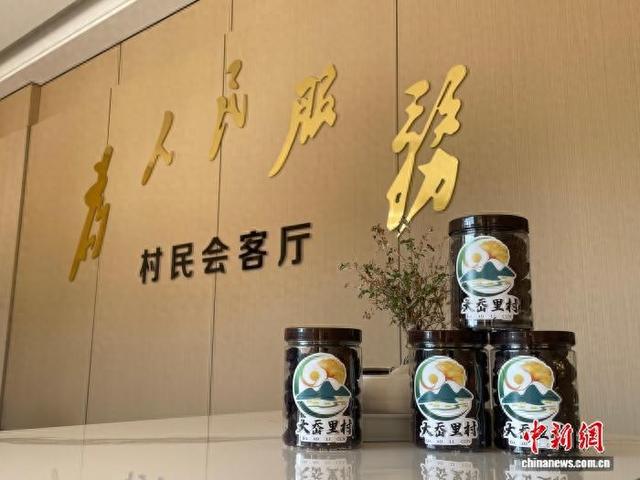
Core Viewpoint - The article highlights the transformation of Dajiaoli Village in Taizhou, Zhejiang Province, through the establishment of a cooperative workshop model that enhances the value of local agricultural products, particularly the production of dried bayberries, while also promoting cultural and tourism initiatives to improve the overall quality of life for residents [1][3]. Group 1: Agricultural Development - Dajiaoli Village has over 600 acres of bayberry orchards, primarily cultivating the Dongkui and Heitan varieties, which previously suffered from fragmented management and lack of branding [3]. - The cooperative workshop model, referred to as "Workshop + Farmers," has been implemented to create the "Aoli Mei" brand, allowing for centralized purchasing and processing of bayberries, resulting in a significant increase in income [3]. - This year, the workshop produced over 5,000 pounds of dried bayberries, with an expected revenue increase of over 50,000 yuan [3]. Group 2: Cultural and Tourism Initiatives - The village has leveraged its natural beauty and cultural heritage to develop tourism, particularly through the promotion of cherry blossom viewing events, which attract visitors and stimulate local businesses [3][4]. - Dajiaoli Village is developing four key service brands: "Aoli Mei," "Aoli Cherry," "Aoli Market," and "Aoli Dream," aimed at enhancing community engagement and providing a sense of happiness for residents [4]. - The "Aoli Dream" initiative includes various community activities such as reading programs for children and health services for the elderly, fostering a supportive environment for all age groups [5][7]. Group 3: Infrastructure and Future Development - Ongoing construction of a ginkgo park and planning for a commercial street indicate a commitment to further developing the village's infrastructure and tourism potential [7]. - The transformation from a remote village to a harmonious rural community is expected to continue, with more cultural and industrial projects in the pipeline [7].
食蕴匠心,品舌尖绽放的记忆滋味
Xin Lang Cai Jing· 2025-12-23 23:14
Group 1 - The article highlights the cultural significance of traditional food in the Xiangjiadang area, emphasizing how local delicacies like cakes and dumplings evoke a sense of home for many who study or work away from their hometowns [1][2] - The Xiangjiadang area has been revitalizing cultural heritage through food, organizing traditional food exhibitions during holidays to create a platform for locals and tourists to experience regional culinary culture [2][3] - Local specialties such as soy duck, yellow wine, and rice dumplings are not only essential components of the culinary landscape but also serve as distinct markers of regional culture [2] Group 2 - The Xiangjiadang area is transforming cultural spaces into platforms for promoting local culture, utilizing modern agricultural parks and museums to attract more visitors and showcase the unique charm of the region [3]
诱人的梅花糕
Xin Lang Cai Jing· 2025-12-20 06:43
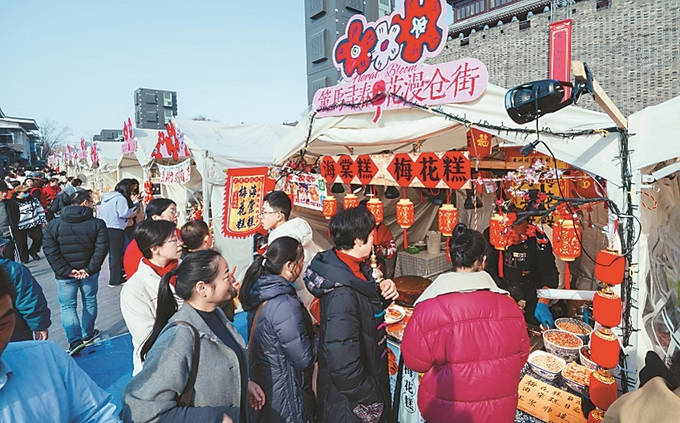
Group 1 - The article highlights the traditional snack "Meihua Cake," known for its crispy texture and sweet red bean filling, which is made using a hexagonal cast iron mold [1][2] - The preparation of Meihua Cake is labor-intensive, requiring about 10 minutes to produce a batch of 16 cakes, with the chef often seen wiping sweat due to the effort involved [1] - The popularity of Meihua Cake has declined over the years, with fewer vendors selling it in Shanghai, despite its historical significance and traditional flavor [2][3] Group 2 - Meihua Cake has its origins in the Ming Dynasty and was particularly popular in the Jiangsu and Zhejiang regions, with its aroma recognizable along the route from Suzhou to Nanjing [3] - The article mentions various locations where Meihua Cake can still be found, including a shop in Suzhou and another in Pinghu, where it is sold hot and fresh [3] - The snack is celebrated as a quintessential street food, especially during winter, and is associated with a nostalgic experience for those who enjoy it [3]
江苏南京:“三进城”借赛出圈,城乡融合愈加精彩
Nan Jing Ri Bao· 2025-10-19 01:48
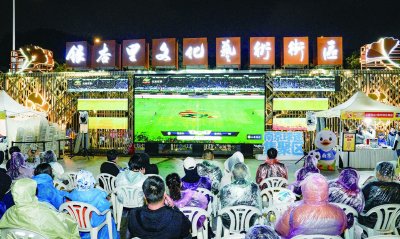
Core Insights - The "Su Chao" semi-final match between Nanjing and Taizhou teams took place on the evening of October 18, 2023, at the Nanjing Olympic Sports Center, attracting significant local interest despite adverse weather conditions [2] - The event was part of a broader initiative called "Three into the City," which aimed to promote rural culture, quality agricultural products, and local talents, creating a vibrant atmosphere that combined sports and cultural experiences [2][5] Group 1: Event Highlights - The match was accompanied by a lively atmosphere in the Silver Ginkgo Cultural and Art District, where local delicacies and cultural displays were showcased, enhancing the spectator experience [3][4] - Various food stalls offered a range of local specialties, such as Mei Hua cake and steamed cakes, which were particularly popular among attendees [3] - The event featured interactive cultural elements, including NPCs dressed in traditional costumes, which engaged visitors and highlighted Taizhou's cultural heritage [3] Group 2: Cultural Integration - Creative markets were set up throughout the venue, showcasing local handicrafts and non-material cultural heritage items, attracting both fans and tourists [4] - The event also highlighted the stories of local farmers and agricultural innovators, with 20 representatives from the "new farmers" community being recognized during the match [4][5] - The integration of local agricultural products into the event provided a unique "watch and shop" experience for attendees, enhancing the connection between sports and local culture [6][7] Group 3: Community Engagement - The event served as a platform for local agricultural brands to promote their products, with various stalls offering samples and engaging with visitors [7] - The "Three into the City" initiative aimed to leverage the event's popularity to increase awareness and sales of local agricultural products, thereby benefiting the local economy [7] - Cultural exchanges were facilitated through various activities, including the display of local art and crafts, which attracted diverse audiences, including international students [8][9]