地下偶像

Search documents
B站乐华集体瞄准,国内地偶加速进行时
Xin Lang Cai Jing· 2025-09-05 11:27
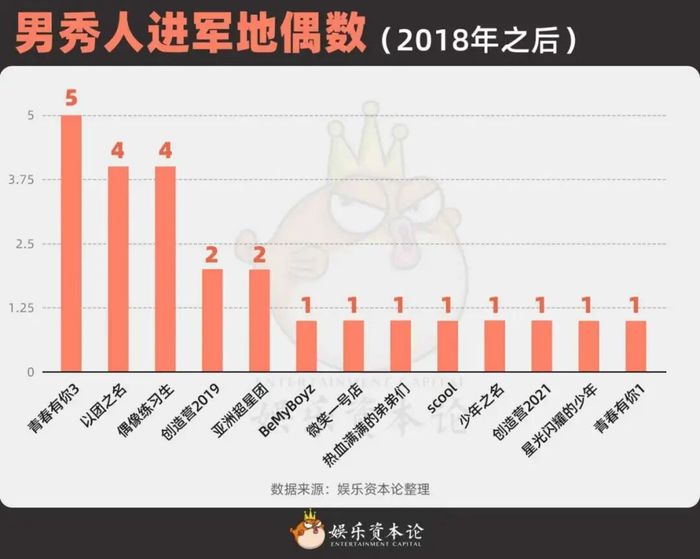
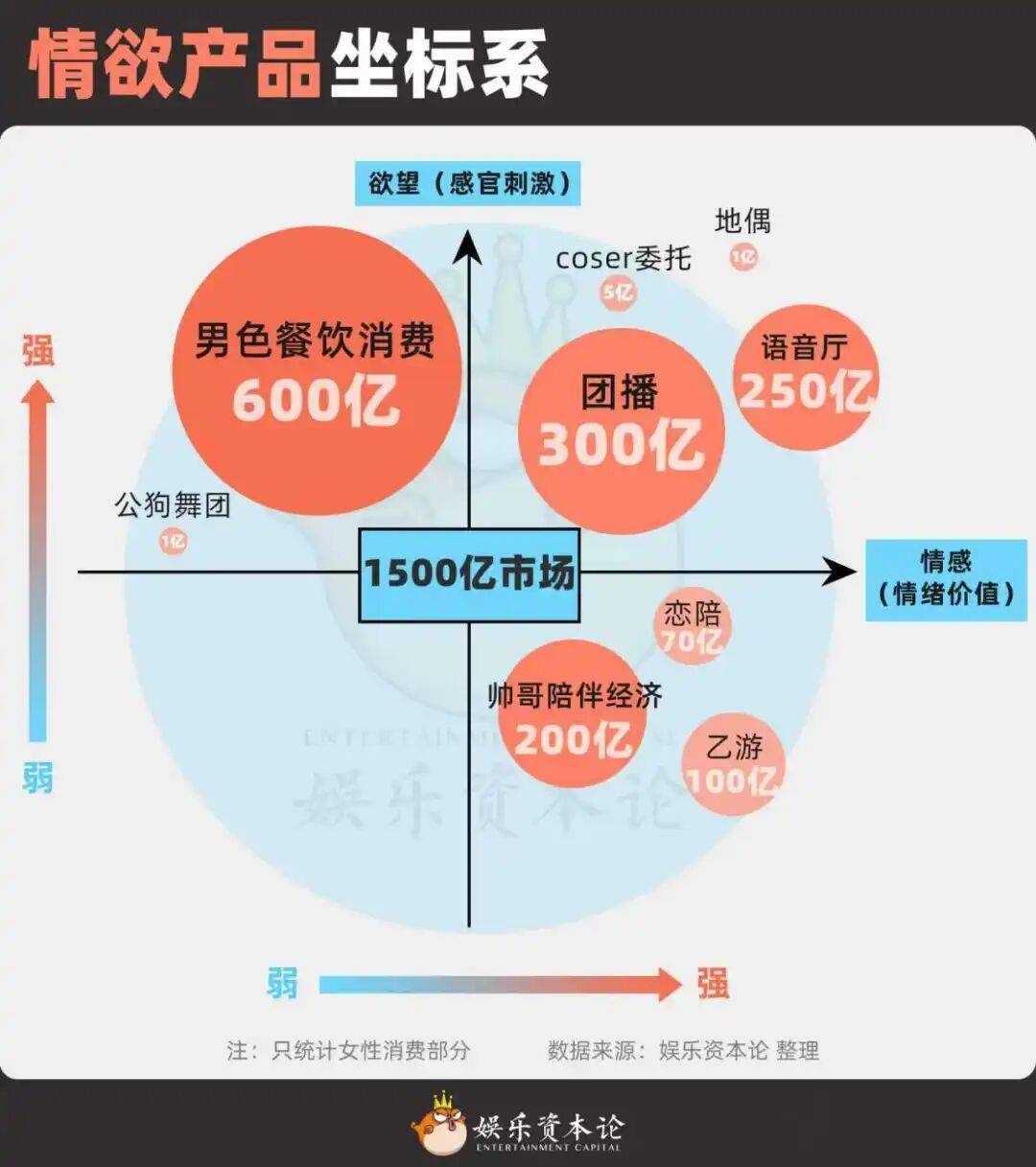
Core Insights - The underground idol (地偶) market in Japan is experiencing a significant growth phase, with domestic capital showing interest in entering the market [1] - The domestic underground idol market has seen a substantial increase, with the number of groups more than doubling since its inception in 2023 [1][2] - The male underground idol segment is rapidly expanding, with a notable rise in participation from various demographics, including students and professionals [2][8] Market Overview - The current market size for underground idols in China is approximately 2 billion, with a balanced distribution between male and female idols [1] - The number of female underground idol groups exploded in 2023, with 101 new groups formed, followed by 188 in 2024, and an additional 113 by August of the current year [2] - Male underground idols are a newer phenomenon, with the first group emerging in 2023, and the total number of male groups reaching 60 [2] Competitive Landscape - The competition in the female underground idol sector is intensifying, with many groups struggling to monetize their efforts due to a fixed fan base [4][5] - The male underground idol market is characterized by a more diverse audience and less rigid stylistic constraints, allowing for a broader range of group concepts [9] - The male idol segment is experiencing a "卷" (intense competition) phase, with many new agencies and groups emerging to capture market share [9][10] Revenue Generation - Both male and female underground idols rely heavily on "特典券" (special tickets) for revenue, which allow fans to interact with idols, as ticket sales typically go to event organizers [10] - The emotional connection with fans is crucial for revenue, with idols needing to provide personalized interactions to maintain and grow their fan base [11][12] - The concept of "恋营" (romantic engagement) is prevalent in male idol groups, allowing them to generate income without necessarily relying on performance skills [13] Industry Trends - The underground idol market is becoming increasingly accessible, with low entry costs allowing many aspiring idols to form groups [15] - There is a growing trend of established entertainment companies entering the underground idol space, viewing it as a potential transitional phase for future mainstream opportunities [17] - The lack of original content in the underground idol scene is a significant challenge, with many groups relying on covers of Japanese songs rather than creating original material [18]

地下偶像,加速进行时
Hu Xiu· 2025-09-05 02:52
Core Insights - The underground idol (地偶) market in Japan is experiencing a significant growth phase, with domestic capital showing interest in entering the market [1] - The domestic underground idol market is estimated to have a market size of approximately 2 billion, with male and female idols each accounting for half [1] - The number of underground idol groups in China has more than doubled since 2023, with 147 groups reported in the first year [1][4] Group 1: Market Dynamics - The underground idol scene in China has seen a rapid increase in the number of groups, with 101 new female groups in 2023 and an additional 188 in 2024 [4] - The male underground idol market is estimated to be around 100 million, with 60 male groups currently active [5][6] - The competition landscape for female underground idols is becoming increasingly difficult, with many groups struggling to attract audiences and generate revenue [10][12] Group 2: Revenue Generation - Both male and female underground idols rely heavily on "special tickets" (特典券) for revenue, which allow fans to interact with idols [23] - Self-managed groups can retain all earnings from special tickets, while those under agencies share revenue [24] - The emotional connection with fans is crucial for revenue, as idols must provide personalized interactions to maintain support [27][29] Group 3: Industry Trends - The entry of capital into the underground idol market is becoming a trend, with many entertainment companies looking to invest [33][36] - The market is characterized by a low barrier to entry, allowing many amateur groups to form with minimal investment [33] - The lack of original content in the underground idol scene is a significant challenge, with many groups relying on Japanese songs rather than creating original Chinese content [37][38]
B站酷狗乐华集体瞄准,国内地偶加速进行时
3 6 Ke· 2025-09-05 00:18
Core Insights - The underground idol (地偶) market in Japan is experiencing a significant growth phase, with domestic capital showing interest in entering the market [1] - The domestic underground idol market has seen a continuous increase in the number of groups, doubling from 147 groups in 2023 to over 300 [2] - The male underground idol sector is rapidly expanding, with a notable increase in participation from various demographics, including students and professionals [2][4] Market Overview - The underground idol scene in China has evolved from a niche subculture to a more mainstream business, with a significant increase in the number of female and male groups [4][5] - Female underground idols face challenges in monetization due to a saturated market and limited audience, with some groups struggling to attract more than a handful of fans to performances [5][7] - The male underground idol market is characterized by a more diverse audience and less rigid stylistic constraints, allowing for a broader range of performance styles [13][18] Financial Dynamics - Revenue generation for underground idols primarily relies on "special tickets" (特典券), which allow fans to interact with idols, as ticket sales typically go to event organizers [19] - The financial viability of underground idol groups is often precarious, with many new groups failing to sustain operations beyond a few months due to high competition and low audience turnout [7][8] Competitive Landscape - The competition among female underground idols is intensifying, with many groups adopting unconventional strategies to attract audiences [10][11] - In contrast, the male underground idol sector is experiencing a surge in new entrants, with many aspiring idols drawn by the potential for quick returns on investment [11][18] - The market is witnessing a trend where established entertainment companies are beginning to invest in underground idols as a means to capitalize on the growing interest [31] Cultural and Social Factors - The underground idol phenomenon is heavily influenced by cultural factors, with many idols and fans sharing a deep interest in Japanese pop culture [5][28] - The emotional connection between idols and fans is crucial, with idols often engaging in personalized interactions to maintain fan loyalty [24][26] - The concept of "恋营" (romantic engagement) is prevalent in the male underground idol scene, leading to both increased revenue and potential conflicts among fans [26][27] Future Outlook - The underground idol market is expected to continue evolving, with many groups preparing for greater visibility and potential mainstream success [31][33] - The need for original content and unique performances is highlighted as a critical factor for the long-term sustainability of underground idol groups [33]
为了心爱的偶像哥哥,她们不惜在街头找干爹
Hu Xiu· 2025-05-21 04:30
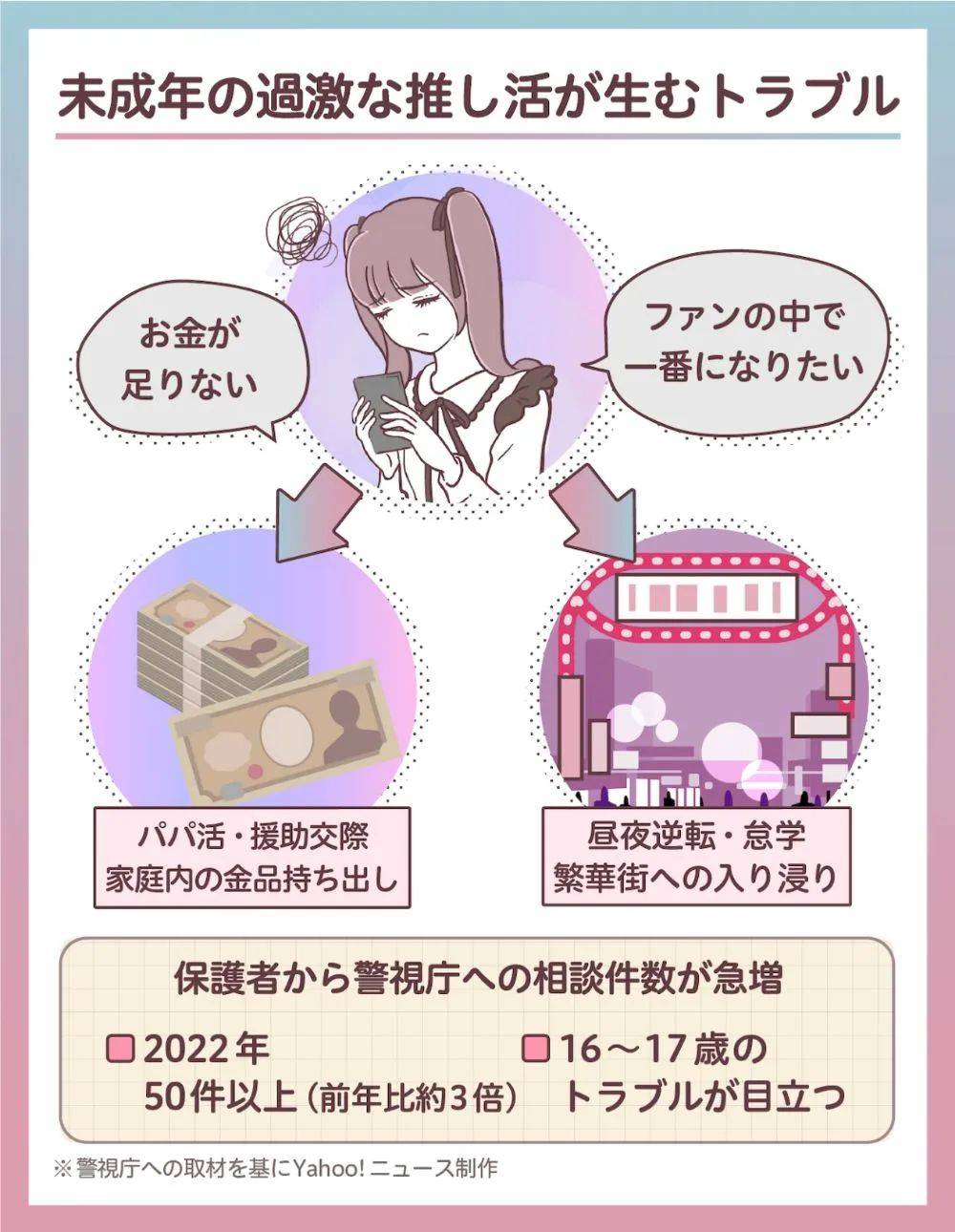
Core Insights - The phenomenon of "money-spending fandom" is increasingly prevalent among youth in East Asia, particularly in China and Japan, where teenagers are willing to spend significant amounts of money to support their idols, often leading to risky financial behaviors [2][12][15] Group 1: Youth Spending Behavior - In China, reports indicate that 43% of underage users watch live streams for over 2 hours, triggering an average of 5.8 tipping actions during that time [2] - A 17-year-old student in China tipped a streamer 450,000 yuan (approximately 45,000 USD) using a platform loophole [2] - In Japan, some teenage girls have spent over 1 million yen (approximately 50,000 RMB) on underground idols, with rare cases reaching up to 100 million yen (approximately 5 million RMB) [2][12] Group 2: Underground Idol Culture - "Underground idols" are performers who do not debut through major agencies and often engage with fans in smaller venues, creating a more intimate fan experience [5][8] - The interaction with underground idols includes various paid activities, such as photo sessions and personal meetings, which can cost between 50 to 100 RMB per session [9] - Some idol groups implement a points system where fans can exchange their spending for unique experiences, further incentivizing high expenditure [9] Group 3: Financial Exploitation and Risks - Many young fans resort to "papa-katsu," a practice where they meet older men for financial support, often leading to risky situations [3][12] - The financial motivations behind these interactions are often masked as emotional connections, with idols using manipulative tactics to encourage spending [10][12] - The blurred lines of legality surrounding "papa-katsu" make it difficult to regulate, as the practice can exist in a gray area of the law [17][19] Group 4: Psychological Factors - Many young girls engaging in these practices often come from backgrounds lacking emotional support, leading them to seek validation and affection from idols [13][24] - The competitive nature of fandom creates a culture of comparison among fans, driving them to spend more to prove their loyalty [14][24] - The emotional investment in idols can lead to a narrow worldview, where the idol becomes the sole source of validation and support [13][24] Group 5: Societal Implications - The growth of the "pushing activity" culture in Japan has created a substantial market, with approximately 13.83 million active participants spending an average of over 250,000 yen (approximately 12,500 RMB) annually [15] - The media's portrayal of "papa-katsu" and related activities often normalizes these behaviors, making it easier for young girls to justify their actions [19][21] - The lack of effective legal frameworks and societal awareness allows these exploitative practices to persist, posing significant risks to vulnerable youth [19][25]
国产地下偶像,迈入「大逃杀」时代
36氪· 2025-03-02 07:00
Core Viewpoint - The article explores the rise of underground idols in China, highlighting their unique appeal and the challenges they face in a rapidly evolving industry, drawing parallels with the Japanese underground idol scene [5][20]. Group 1: Underground Idol Scene - The concept of "underground idols" originated in Japan, referring to idol groups that have not officially debuted or gained mainstream media attention [5]. - In 2023, 91 new underground idol groups were established in China, marking it as the "year of underground idols," with 174 new groups in 2024 and 25 in the first two months of 2025 [5]. - Shanghai is recognized as the "first city of underground idols" in China, hosting approximately 10 underground idol performances weekly [5]. Group 2: Fan Engagement and Experience - Fans, primarily young males, actively participate in performances, often engaging in activities like "flying," where they lift fellow fans to interact with idols [4][7]. - The ticket prices for underground idol performances are affordable, typically ranging from 68 to 128 yuan, with revenue primarily going to organizers, while idols earn through "special events" [14]. - Fans can purchase "special tickets" to interact with idols for a brief period, with prices ranging from 50 to 100 yuan, and successful idols can earn a monthly income of around 10,000 yuan [15]. Group 3: Challenges and Future Prospects - Despite the growth in the number of underground idol groups, the overall fan base has not significantly increased, and many idols still operate on a volunteer basis [5]. - The underground idol scene in China is compared to Japan's "Warring States period," with many groups emerging and dissolving quickly due to lack of resources and professional management [5][20]. - The future of underground idols remains uncertain due to public biases against idol culture and the unclear business models that support these groups [5]. Group 4: Cultural Dynamics - The underground idol culture in Japan developed as a response to economic challenges, providing emotional support to fans, which is mirrored in the current Chinese context [9]. - The interaction between idols and fans is characterized by a close relationship, where idols engage in personalized interactions to enhance emotional value [16]. - The emergence of male underground idol groups is noted as a new growth area, with several new male groups formed in early 2025 [27].