地缘政治化

Search documents
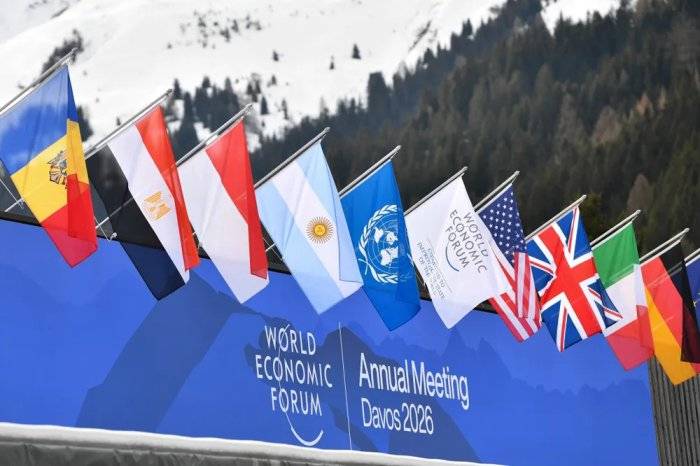
达沃斯变奏:从经济全球化到地缘政治化
Sou Hu Cai Jing· 2026-01-23 09:41
Core Viewpoint - The Davos Forum, traditionally focused on economic globalization and international cooperation, is now overshadowed by a strong "America First" narrative led by President Trump [1][3]. Group 1: U.S. Influence and Strategy - The U.S. is attempting to reshape the agenda of the Davos Forum to exert its influence, deviating from the principles of the UN Charter it once advocated [3][4]. - Trump's interest in Greenland highlights its strategic value for controlling Arctic shipping routes and accessing critical mineral resources, which are essential for reducing dependence on China [4][5]. - The U.S. is not only focused on resource acquisition but also aims to consolidate its dominance in the Western Hemisphere and establish economic corridors to reduce reliance on Russian oil [5]. Group 2: China's Role and Stability - China is presenting itself as a "stabilizing anchor" amid global disorder, advocating for free trade, multilateralism, and cooperative economic growth [6][7]. - The Chinese government emphasizes the importance of maintaining a stable domestic policy while expanding international cooperation, particularly with countries like Canada and the UK [6]. - China aims to focus on high-quality development and invest in social sectors to stimulate domestic demand, while also promoting open innovation in artificial intelligence and green technologies [6][7].

万喆:中国的存在缓解了全球贸易碎片化
Xin Lang Cai Jing· 2025-12-24 22:54
Core Insights - The report by the Federal Reserve highlights China's unique role in the trend of global trade fragmentation, acting as a stabilizing force and key hub that maintains the integrity of global trade networks [1][4] - Geopolitical distance has become a significant factor influencing bilateral trade, with countries increasingly favoring trade partners with similar geopolitical stances [1][4] Group 1: China's Role in Global Trade - China has become a major trading partner for over 150 countries and regions, contributing over 30% to global economic growth [1][2] - The presence of China has masked and mitigated the trend of global trade fragmentation, which began to emerge between 2003 and 2007, indicating that the causes of this fragmentation are not related to China's actions [1][3] Group 2: Economic Structure and Trade Adjustments - China's internal adjustments in imports are a rational choice to enhance the autonomy of its supply chain, reducing reliance on external sources and increasing bargaining power through diversified trade [2][3] - Exports from China are increasingly aligned with global demand, particularly in sectors like green technology and medical equipment, addressing market gaps and contributing to global supply stability [2][3] Group 3: Stability in Global Supply Chains - China plays a crucial role in maintaining high-end industrial chains globally, particularly in the electric vehicle and battery sectors, by regulating exports of key minerals [3][4] - The balance of "self-sufficiency and open supply" positions China as a stabilizing anchor in global trade and supply chains, essential for mitigating risks associated with geopolitical tensions [3][4] Group 4: Implications for Global Trade - The report emphasizes that China's role transcends being merely a connecting country; it is a key node in the global economic structure, facilitating communication and preventing isolationist tendencies [4][5] - China's experience suggests that deepening mutually beneficial trade relationships, rather than engaging in geopolitical confrontations, is the correct path toward achieving shared prosperity in an uncertain global trade environment [5]
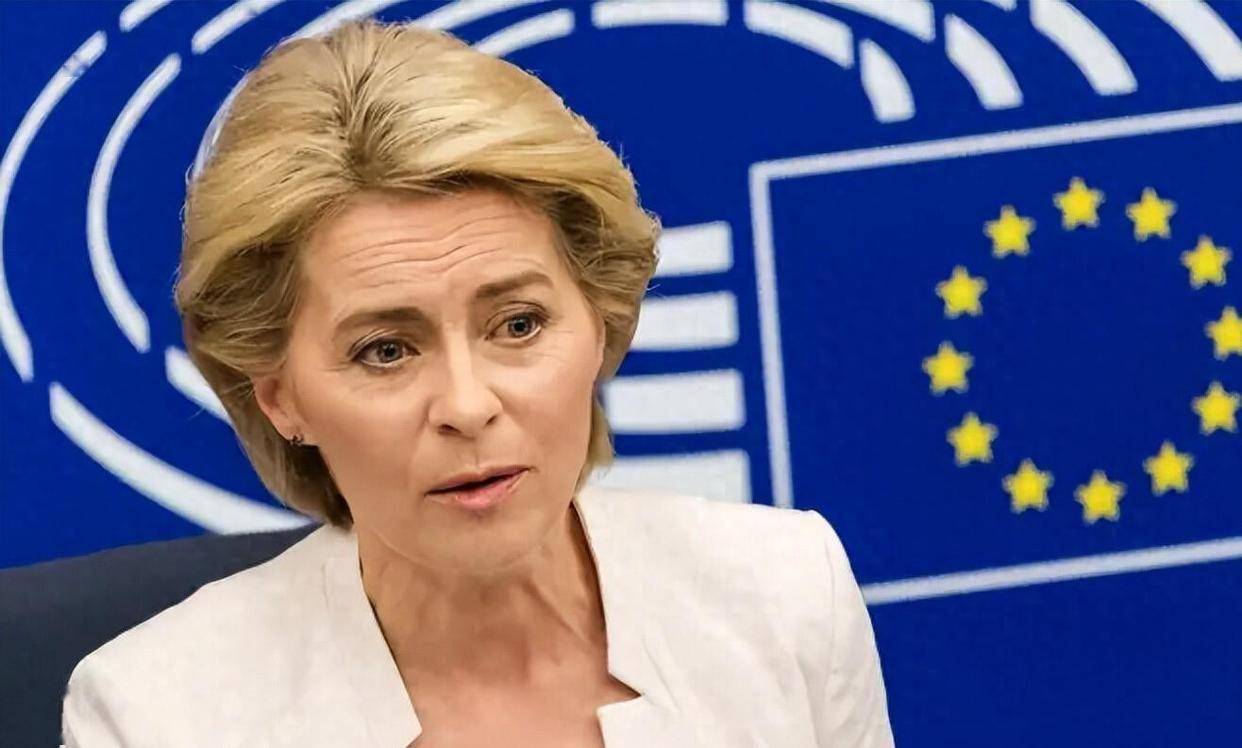
欧洲刚宣布稀土喜讯,冯德莱恩转身对中国发难,中国早已留好后手,反制已到位
Sou Hu Cai Jing· 2025-12-18 16:44
Group 1 - The EU has become increasingly reliant on China for rare earth materials, with a dependency rate of 98%, which directly impacts key industries such as renewable energy, military, and aerospace [4] - In September 2025, China exported 2,582 tons of rare earth magnets to the EU, marking a 21% month-on-month increase and reaching a recent high [1] - The EU is planning to impose a 50% tariff on Chinese steel and has initiated 20 anti-dumping investigations, indicating a shift towards protectionist measures against Chinese imports [1] Group 2 - The EU's recent sanctions against 12 Chinese companies, accused of helping Russia evade sanctions, have raised concerns among European businesses about the potential disruption of supply chains [1][9] - China's recent export controls on rare earth materials include a compliance review system, which could impact global supply chains and create a "valve" controlled by China [7] - The EU's Critical Raw Materials Act aims to reduce reliance on single third-country suppliers to below 65% by 2030, but challenges remain due to slow progress in domestic rare earth projects [6] Group 3 - European companies are facing production disruptions due to China's tightened rare earth export controls, with some firms experiencing a 40% drop in imports and a 15% increase in production costs [9] - The political tensions between the EU and China are creating a complex environment for businesses, as companies like those in Bavaria are successfully navigating through established "green channels" for importing rare earth materials [10] - The EU's internal contradictions regarding its approach to China are evident, as it seeks to balance geopolitical alignment with the U.S. while also recognizing the necessity of maintaining stable supply chains from China [6]