
外卖平台服务管理基本要求

Search documents
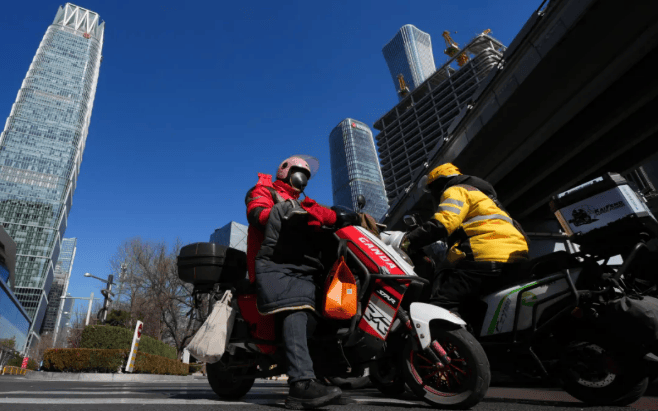
电动自行车“新国标”满月骑手仍在期待中“飞驰”
Shang Hai Zheng Quan Bao· 2025-12-30 19:26
Core Viewpoint - The implementation of the new national standards for electric bicycles and delivery platforms aims to enhance rider safety, but there are concerns about the impact on delivery speed and rider income [2][4][23]. Group 1: New Regulations - The new national standard for electric bicycles, effective from December 1, 2025, limits the maximum speed to 25 km/h [9]. - The "Basic Requirements" for delivery platforms were introduced to address safety and operational standards, emphasizing the need for systemic changes in delivery rules and pricing [2][9][23]. Group 2: Rider Perspectives - Riders express support for the new regulations but are concerned about potential income reductions due to decreased delivery speeds [4][12]. - Discussions among riders indicate anxiety over how the new speed limits will affect their earnings, with estimates suggesting a potential income drop of nearly 50% if delivery volumes decrease [12][13]. Group 3: Industry Challenges - The delivery industry is characterized by high accident rates, with data showing significant traffic violations among riders, particularly those from companies emphasizing rapid delivery [7][19]. - Major delivery platforms are currently engaged in a "subsidy war," leading to increased marketing expenses and pressure to maintain low delivery prices, complicating the implementation of higher delivery fees [19][20][22]. Group 4: Future Outlook - The new regulations are seen as a step towards a more regulated industry, but there is skepticism about the platforms' willingness to make substantial changes [25][26]. - Experts suggest that a shift in focus from speed to service and safety could lead to a more sustainable model for the industry, benefiting riders, platforms, and consumers alike [24].



电动自行车“新国标”满月 骑手仍在期待中“飞驰”
Shang Hai Zheng Quan Bao· 2025-12-30 19:24
Core Viewpoint - The implementation of the new national standards for electric bicycles and food delivery platforms aims to enhance rider safety while raising concerns about potential income reductions for delivery riders due to speed limitations and changes in delivery regulations [2][22][24]. Group 1: New Regulations and Their Implications - The new national standard for electric bicycles, effective from December 1, 2025, limits the maximum speed to 25 km/h, while the new service management requirements for delivery platforms were introduced shortly after [2][9]. - These regulations are seen as necessary adjustments to improve rider safety, addressing the high incidence of traffic accidents in the delivery industry [5][6]. - Riders express support for these regulations but emphasize the need for systemic changes in delivery rules, pricing structures, and assessment standards to ensure their livelihoods are not adversely affected [3][9][22]. Group 2: Impact on Riders' Income - Riders are concerned that reduced speeds may lead to a decrease in order volume and, consequently, their income. Estimates suggest that limiting speed could reduce daily order quantities by one-third and halve their earnings [12][13]. - The pressure to meet delivery deadlines often leads to risky behaviors, such as speeding and running red lights, which the new regulations aim to mitigate [8][19]. - Despite the introduction of new standards, many riders report that their delivery speeds have not noticeably changed, indicating a lack of immediate action from platforms to comply with the new regulations [25][26]. Group 3: Platform Responses and Industry Dynamics - Delivery platforms are under pressure to balance safety improvements with cost management, as they have been focusing on reducing operational costs and prices to remain competitive [17][19]. - The financial reports of major platforms reveal significant increases in marketing expenditures due to competitive "subsidy wars," which have not translated into better conditions for riders [19][20]. - The expectation is that platforms will need to innovate their algorithms and operational practices to ensure reasonable delivery times while maintaining rider safety and income stability [22][23].
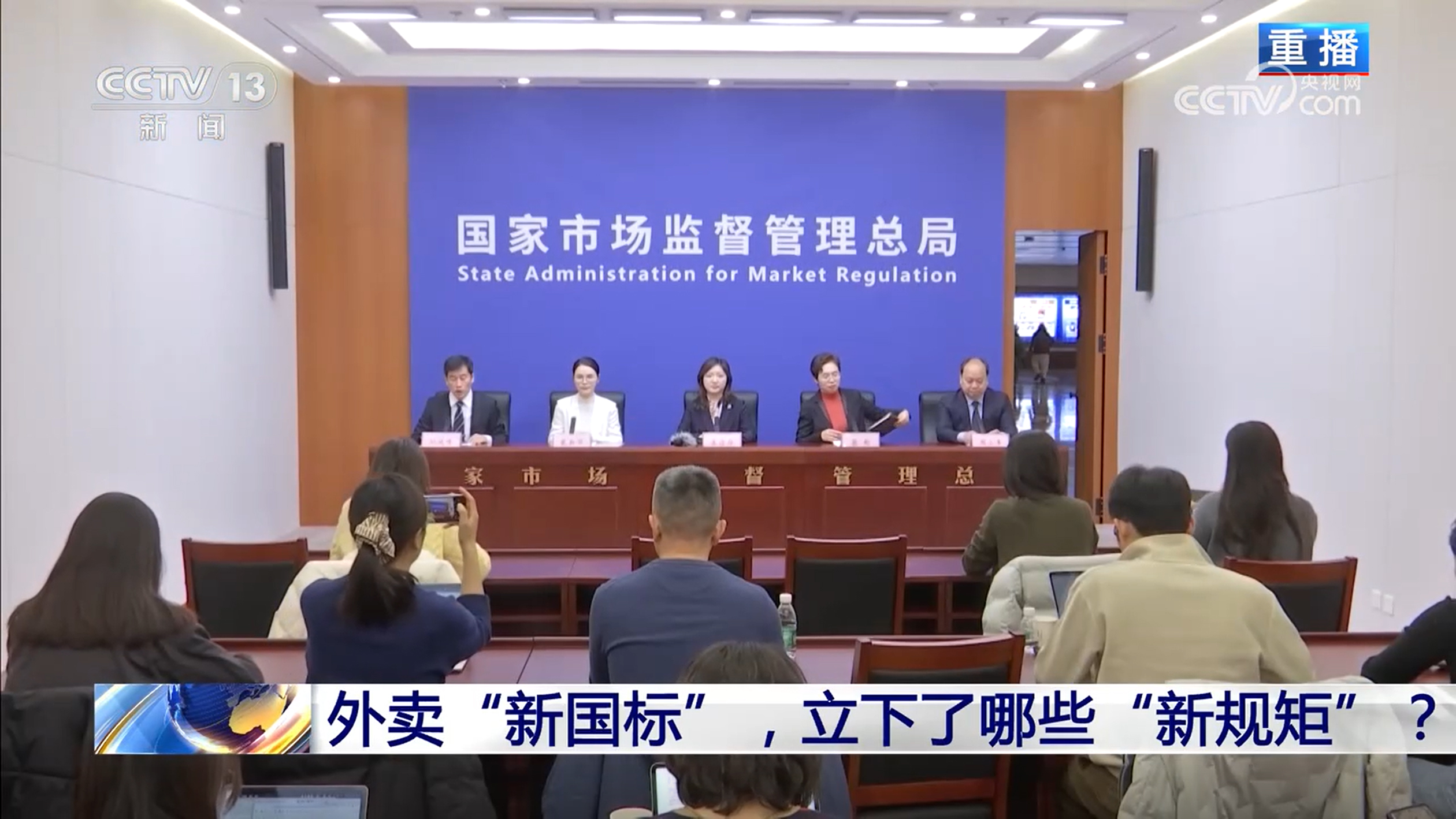
新闻1+1丨外卖“新国标”,立下了哪些“新规矩”?
Yang Shi Wang· 2025-12-04 22:39
Core Viewpoint - The newly implemented "New National Standard" for food delivery platforms aims to address various issues related to the rights of delivery riders and the fair treatment of small and medium-sized restaurants, while also emphasizing the responsibilities of the platforms themselves [1][4][10]. Group 1: Key Issues Addressed by the New Standard - The standard focuses on the qualification review of merchants entering the platform and the protection of delivery riders' rights, addressing public concerns about the current operational practices of food delivery platforms [3][4]. - It aims to balance the legitimate rights of merchants and enhance the overall service management of food delivery platforms, filling gaps in existing regulations [4][10]. Group 2: Platform Responsibilities and Governance - The standard emphasizes that the responsibility for governance should not rest solely on the platforms, but requires collaboration from various societal forces [5]. - It establishes the platform as a key entity responsible for implementing the standards, with regulatory bodies expected to actively ensure compliance and recognize platforms that perform well [5][8]. Group 3: Technological Integration and Future Directions - The standard introduces requirements for platforms to utilize technology, such as big data and artificial intelligence, to create risk identification models for better governance [8]. - It suggests that successful practices from the standard could eventually evolve into mandatory legal requirements, contributing to a dynamic regulatory framework for platform governance [8]. Group 4: Protection of Delivery Riders' Rights - The standard significantly enhances the protection of delivery riders' rights, addressing issues such as income security, rest time, and safety [10]. - It specifies that penalties for delays should not be excessive, promoting alternative management methods to avoid over-penalizing riders [10]. Group 5: Fair Treatment of Small and Medium-sized Restaurants - The standard responds to concerns about the exploitation of small and medium-sized restaurants by larger platforms, prohibiting practices that force these businesses to participate in subsidy wars that erode their profit margins [11]. - It mandates transparency in platform fees and requires clear explanations of charges to merchants, aiming to balance the power dynamics between large platforms and smaller businesses [11].
外卖“新国标”为平台竞争划底线 | 新京报社论
Sou Hu Cai Jing· 2025-09-24 22:26
Core Viewpoint - The introduction of the new national standard for food delivery platforms aims to regulate service management, enhance service quality, and alleviate the operational burden on merchants, while promoting fair competition among platforms [2][4]. Group 1: Industry Background - The online food delivery industry in China has grown significantly since its inception in 2008, with platforms like Ele.me and Meituan becoming integral to daily life, serving approximately 545 million users and generating a market size of about 1.2 trillion yuan [3]. - Daily spending on food delivery is nearly 3.3 billion yuan, highlighting the importance of regulation and development in this sector [3]. Group 2: Key Issues Addressed - The draft focuses on critical issues such as "involution" competition, lack of transparency in platform fees, "ghost deliveries," and insufficient protection for delivery personnel [3][4]. - It addresses the phenomenon where merchants report that selling more leads to greater losses, by regulating promotional pricing practices and ensuring that platforms bear the costs of promotional activities [4]. Group 3: Regulatory Measures - The new standard emphasizes the need for platforms to set reasonable service fees and to establish a mechanism for gradually reducing basic commissions, particularly for small and micro businesses [4]. - It aims to shift from a reactive regulatory approach to a proactive one, focusing on guiding, controlling processes, and balancing interests among all parties involved [4]. Group 4: Consumer and Worker Protections - The standard mandates platforms to enhance food safety measures and to take responsibility for preventing "ghost deliveries" through stringent verification processes [4]. - It also emphasizes the need for fair compensation for delivery personnel, including mechanisms to match pay with workload and measures to ensure their safety and well-being [4][5]. Group 5: Sustainable Development Goals - The ultimate goal of the new standard is to create a balanced ecosystem where platforms, merchants, delivery personnel, and consumers can coexist harmoniously, moving away from aggressive subsidy strategies towards reasonable competition [5].
外卖平台服务“新国标”向社会征求意见
Xin Hua Wang· 2025-09-24 08:30
Core Viewpoint - The draft "Basic Requirements for Service Management of Food Delivery Platforms" has been publicly released for feedback, aiming to regulate service management, enhance service quality, and reduce operational burdens on merchants in the food delivery industry [1] Group 1: Regulatory Focus - The draft focuses on key issues such as platform fees and promotional activities, which are essential for guiding food delivery platforms towards standardized service management [1] - The initiative is intended to promote fair competition among platform enterprises by encouraging transparency and orderly practices [1] Group 2: Institutional Framework - The national standard plan for the "Basic Requirements for Service Management of Food Delivery Platforms" is overseen by the National Platform Economy Governance Standardization Technical Committee, with the Market Supervision Administration as the supervising authority [1] - Key drafting organizations include the China Standardization Research Institute, the China Cybersecurity Review and Certification Center, and the Market Supervision Big Data Center [1]