多极现实

Search documents
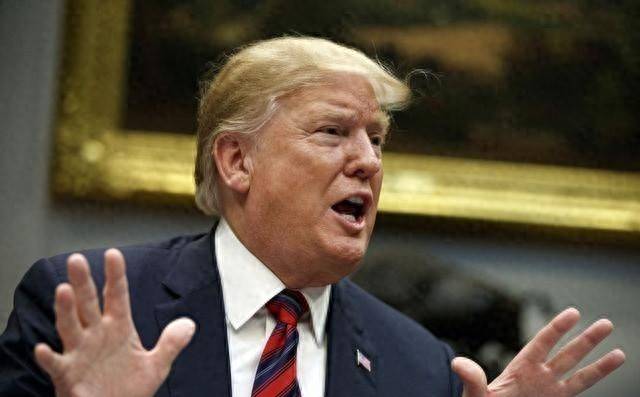
特朗普急发帖喊话,称美国快撑不住了,现在全指望中国拉他一把
Sou Hu Cai Jing· 2026-01-15 20:23
Core Viewpoint - The potential Supreme Court ruling on tariffs could significantly impact the U.S. economy and its international standing, with former President Trump expressing extreme concern about the implications of such a decision [1][2][16]. Group 1: Economic Implications - If the Supreme Court rules that the tariffs imposed on numerous countries are unconstitutional, the U.S. may face demands for refunds amounting to hundreds of billions of dollars [1]. - Companies have adjusted their supply chains and manufacturing locations in response to tariffs, and a ruling against these tariffs could lead to the U.S. being liable for indirect losses incurred by these businesses [1][16]. - The U.S. fiscal situation could worsen significantly if multiple countries demand refunds simultaneously, potentially leading to a financial crisis [1][16]. Group 2: Political Dynamics - Trump's rhetoric aims to pressure the Supreme Court by suggesting that the nation could face dire consequences, reflecting a rare instance of a former president openly threatening judicial independence [2][4]. - The internal divisions within the Supreme Court, between liberal and conservative justices, could lead to unpredictable outcomes regarding the ruling on tariffs [4][24]. Group 3: International Relations - The U.S. is experiencing a breakdown of its traditional alliances, with actions perceived as unilateralism causing discontent among allies [6][8]. - The potential for China to play a stabilizing role in U.S. economic recovery is being discussed, as both nations are economically intertwined, with significant trade dependencies [8][19][21]. - The ongoing geopolitical tensions and the need for crisis management mechanisms between the U.S. and China are highlighted as essential to avoid further escalation [30][31]. Group 4: Systemic Challenges - The U.S. governance structure, designed for checks and balances, may hinder swift decision-making in times of crisis, leading to potential paralysis in addressing urgent economic issues [9][34][36]. - The current political climate, characterized by extreme polarization, complicates the ability of the U.S. to respond effectively to international challenges [10][42]. - The systemic risks facing the U.S. economy are compounded by structural issues, including a rising national debt and declining trust among allies [16][42].

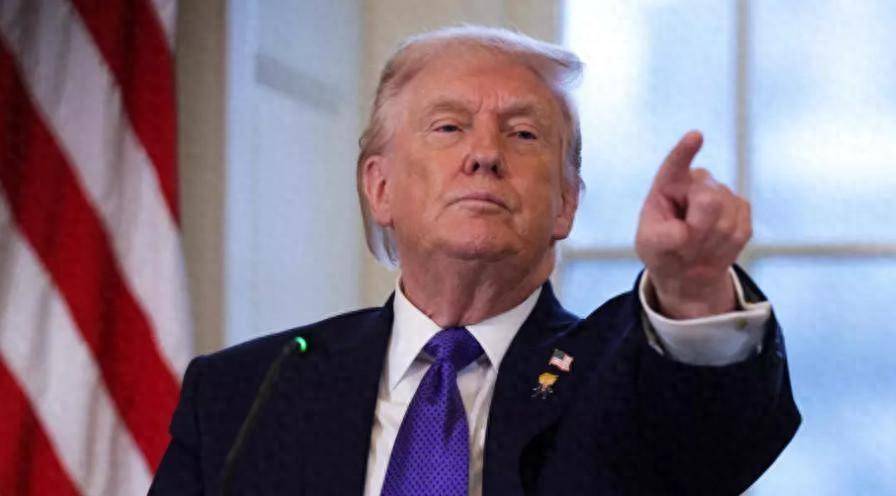
美官员:特朗普认为中国会最早投降,当中方反击时,美国已经输了
Sou Hu Cai Jing· 2025-08-12 15:03
Group 1: U.S. Trade Policy and Misjudgments - The Trump administration's decision to impose tariffs on Chinese goods was based on the belief that China would quickly capitulate due to its reliance on the U.S. market, with exports to the U.S. accounting for 19% of China's total exports [3][8] - The initial tariff rate was raised from 34% to 84%, affecting over $300 billion in goods, which was framed as a key step to make America great again [3][5] - The U.S. underestimated China's economic resilience and the interconnectedness of global supply chains, leading to significant miscalculations in the trade war [7][10] Group 2: China's Economic Response - China's countermeasures included imposing equivalent tariffs on U.S. goods, which highlighted the flaws in the U.S. strategy and resulted in increased costs for American consumers [5][18] - The Chinese economy demonstrated strong resilience, with a 9.7% year-on-year growth in high-tech manufacturing and a 45.4% increase in new energy vehicle production in Q1 2025 [8][18] - China's strategic responses targeted key U.S. industries, such as agriculture and automotive, effectively pressuring U.S. companies to advocate for negotiations [15][19] Group 3: Global Economic Impact - The trade war led to job losses in the U.S., with approximately 180,000 jobs lost in the first half of 2025, predominantly in manufacturing [21] - The U.S. trade deficit actually widened to $120 billion in the first half of 2025, indicating that tariffs did not achieve their intended effect [24] - Internationally, the U.S. faced backlash, with allies like the EU imposing retaliatory tariffs, and countries like India accelerating trade talks with China [22][24] Group 4: Long-term Strategic Shifts - China's focus on reducing dependency on U.S. markets and enhancing its domestic consumption was evident, with retail sales surpassing 12 trillion yuan in Q1 2025 [18] - The establishment of trade agreements with ASEAN and advancements in technology, such as the production of 7nm chips by Huawei, showcased China's strategic pivot [17][18] - The trade war underscored a shift in global economic dynamics, where the U.S. could no longer dictate terms without considering the resilience and adaptability of other nations [26]