多维度融合

Search documents
以多维度融合破解东莞地铁1号线接驳之困
Nan Fang Du Shi Bao· 2026-02-03 15:07
Core Viewpoint - The opening of Dongguan Metro Line 1 has not resolved the "last mile" transportation issues for citizens, highlighting inefficiencies in public transport connections and planning logic [1][2] Group 1: Current Issues - Citizens face problems such as "ghost trains," frequent changes in connecting routes, and insufficient station transfer capabilities [1] - The bus connection rate to metro stations is reported at 100%, but this does not equate to effective service, with instances of citizens waiting for buses for up to 30 minutes [1] - The city's intelligent transportation system is still underdeveloped, as evidenced by issues like power outages at bus stops and discrepancies in online and offline route information [1] Group 2: Data and Governance Challenges - There is a gap between data capabilities and governance needs, as Dongguan has extensive industrial, population, and traffic data that are not effectively utilized for public transport scheduling [2] - The city faces pressure to provide public transport services that match the efficiency of nearby major cities like Guangzhou and Shenzhen [2] - Dongguan's unique "grouped and dispersed" urban structure complicates public transport, as commuting flows are multi-directional and dispersed rather than concentrated [2] Group 3: Recommendations for Improvement - Planning integration is essential, with metro transport planning needing to align with overall urban planning, land development, and industrial layout adjustments [2] - Operational integration should include not just timetable coordination between buses and metros, but also ticketing unification, real-time information, and standardized services [3] - Governance integration is necessary to optimize connections across different districts, moving away from fragmented approaches and fostering collaboration among transportation, urban planning, and data management departments [3]
广州深圳的这些“地铁接驳”经验,值得东莞学习借鉴
Nan Fang Du Shi Bao· 2026-02-03 05:54
Core Insights - The opening of Dongguan Metro Line 1 has highlighted the challenges of public transport connectivity, particularly in the "last mile" segment, which has drawn significant public attention [1][2] - The article emphasizes the need for Dongguan to develop a distinctive multi-dimensional public transport system that integrates metro services into the daily lives of its residents [1][8] Group 1: Current Challenges - Observations from a recent survey revealed issues such as insufficient bus configurations, arbitrary route adjustments, and unclear information at several stations along Dongguan Metro Line 1 [1] - Citizens are facing difficulties such as reliance on taxis to access the metro and experiencing "ghost buses" that do not operate as scheduled [1] Group 2: Comparative Analysis - Guangzhou's metro system, which includes 18 operational lines, has successfully integrated bus services as a crucial component of its transport network, ensuring efficient connections to various urban areas [3][4] - Shenzhen has developed a robust metro network with 11 main lines and over 70 bus routes, effectively addressing the "last mile" issue and enhancing regional connectivity [6][7] Group 3: Recommendations for Dongguan - Experts suggest that Dongguan should prioritize improving commuting efficiency by optimizing existing metro station environments and enhancing bus stop placements and signage [8][9] - The establishment of a responsive public transport system that can adapt to commuter needs through data analysis and feedback mechanisms is recommended to improve service quality [4][9]
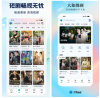
主流媒体客户端在整花活:看短剧、玩游戏
Xin Jing Bao· 2025-10-14 09:47
Core Insights - The article discusses the transformation of mainstream media apps from simple news distribution platforms to multi-dimensional content providers, incorporating short dramas and games to engage users [1][3][10] Group 1: Diverse Exploration - Since 2014, media integration has become a national strategy, leading to a surge in the development of media apps, which were previously limited to basic news dissemination [3][4] - The rise of micro-dramas has become a key tool for attracting and retaining users, with many media outlets now embracing this format for promotional purposes [4][5] - Major media apps are launching interactive features, such as daily check-in activities, to enhance user engagement and loyalty [5] Group 2: Platform Transformation - Media outlets are shifting from merely transferring traditional content online to redesigning their platforms with an internet mindset, indicating a deeper transformation in their operational models [6] - The integration of resources is essential, as seen in the consolidation of various news apps into a single platform to enhance user resource centralization [7] Group 3: Ecosystem Construction - Mainstream media is increasingly recognizing the need for open platforms that allow user-generated content, leading to significant user engagement and a large follower base [8] - User-centric operations are becoming a focus, with media apps evolving into lifestyle assistants that provide various local services, thereby increasing user stickiness [9] Group 4: Deep Integration - The integration of micro-dramas and games reflects a broader multi-dimensional transformation in mainstream media apps, encompassing content, technology, and channel integration [10][11] - The implementation of new technologies like AI in content production is helping to optimize resource allocation and reduce production costs significantly [11]