媒体融合

Search documents
北京广播电视台党组书记、台长张劲林:奋力谱写首都新型主流媒体建设新篇章
Xin Lang Cai Jing· 2026-02-15 00:29
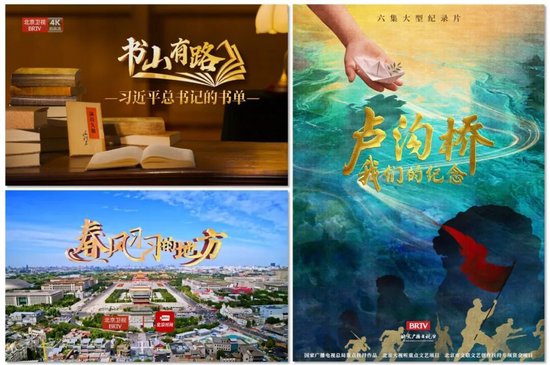
Core Viewpoint - The article emphasizes the importance of cultural innovation and the role of mainstream media in promoting socialist culture, as outlined in the 15th Five-Year Plan. It highlights Beijing Radio and Television Station's commitment to enhancing its media capabilities and exploring systemic reforms to align with national cultural goals [1][15]. Group 1: Cultural Innovation and Media Strategy - The 15th Five-Year Plan calls for stimulating cultural innovation and developing socialist culture, providing a framework for mainstream media reform [1][15]. - Beijing Radio and Television Station aims to implement a development strategy focused on "news-oriented, content-driven, and integrated media" to enhance its role in cultural promotion [1][15]. - The station has launched programs like "The Road of Books" to engage audiences with Xi Jinping's cultural thoughts, achieving a total viewership of 28 billion across three seasons [20][4]. Group 2: Strengthening Mainstream Media's Influence - The plan emphasizes the need for integrated management of news and online discourse to enhance the guiding capacity of mainstream media [5][21]. - Beijing Radio and Television Station has focused on significant themes such as the 75th anniversary of the founding of New China, producing impactful programs that resonate with the public [22][23]. - The station's economic interview program "Confidence - Uniting Strengths for Continued Struggle" has garnered nearly 400 million views, reflecting its influence on public sentiment [23]. Group 3: Original Content Creation - The plan stresses the importance of enhancing cultural originality and promoting high-quality content across various media sectors [24][29]. - Beijing Radio and Television Station has developed a diverse range of original programs, including high-quality dramas and cultural events, contributing to its reputation as a leading media outlet [25][27]. - The station's documentary series "Specialized and Innovative Research Institute" has reached nearly 1.1 billion views, showcasing its commitment to quality content [25][27]. Group 4: Technological Integration and Media Fusion - The plan advocates for the integration of culture and technology, emphasizing the need for digital transformation in media [26][29]. - Beijing Radio and Television Station has adopted a "1+2+N" media development model, achieving over 400 million users across its platforms [27][30]. - The station has launched innovative projects, including a 4K ultra-high-definition channel and AI-driven content, enhancing its technological capabilities [27][30]. Group 5: International Communication Enhancement - The plan highlights the need to improve international communication mechanisms and innovate dissemination methods [31][32]. - Beijing Radio and Television Station has expanded its international outreach, producing programs that showcase Chinese stories and culture to a global audience [32][33]. - The station's documentary "Panda Adventures" has gained significant international attention, illustrating its success in leveraging cultural resources for global communication [32][33].

听见安康澎湃的心跳
Xin Lang Cai Jing· 2026-02-13 03:52
Core Viewpoint - The article emphasizes the cultural and ideological initiatives in Ankang, highlighting the importance of both material and spiritual wealth in fostering community engagement and development [1][5][17]. Group 1: Ideological Promotion - Over 6,000 diverse ideological promotion events have reached more than 600,000 people, transforming "Chinese principles" into relatable stories for the public [3]. - Community events, such as "theoretical promotion + artistic performance + civilized market," have effectively conveyed policies in familiar settings [3]. - Ordinary citizens, including delivery workers and teachers, have become key figures in sharing their life stories, making ideological concepts more relatable [3][4]. Group 2: Cultural Communication - Ankang's stories are confidently shared both nationally and internationally, with over 20 major thematic promotions enhancing public confidence and morale [7]. - The "Ankang Fuxi Tea" brand has gained recognition in major cities, showcasing local culture and products [7]. - The "Ankang Media" app has over one million users, providing various public services and enhancing community engagement [8]. Group 3: Cultural Creation - Cultural confidence in Ankang is rooted in local life and contemporary creativity, with various artistic works reflecting the spirit of the community [10]. - Five works have been selected as provincial key projects, and ten have been showcased internationally, demonstrating the focus on people-centered creation [10]. - Traditional crafts are being revitalized through modern design, creating unique cultural products that resonate with contemporary audiences [11]. Group 4: Moral and Ethical Development - Acts of kindness and moral courage are highlighted, with local heroes exemplifying community values and inspiring others [13][14]. - Initiatives to recognize and promote good deeds have been established, fostering a culture of kindness and moral integrity [13]. Group 5: Cultural Sharing and Community Engagement - Cultural events, such as "village-themed" festivals, have become platforms for community creativity and interaction, emphasizing the role of citizens as active participants [16]. - The integration of cultural activities with economic development aims to enhance both material and spiritual well-being in the community [16].
“数智时代的主流媒体系统性变革”综述
Bei Jing Ri Bao Ke Hu Duan· 2026-02-11 06:30
Core Insights - The 2025 Media Integration Development Ordos Annual Conference focuses on the systemic transformation of mainstream media in the digital age, emphasizing the need for innovative thinking, technological empowerment, and institutional reform to enhance media influence and communication capabilities [1][2]. Group 1: Systemic Transformation of Mainstream Media - The conference highlights the necessity for mainstream media to break away from traditional thinking and develop an open, collaborative media ecosystem to adapt to the digital communication landscape [3]. - Experts emphasize the importance of shifting from a "transmitter-centered" mindset to a "dialogue-centered" approach, enhancing interaction between media and users [4]. - The integration of AI and digital technologies is seen as a crucial driver for the transformation of media production and dissemination processes, enhancing efficiency and content quality [6][7]. Group 2: Content Production and User Engagement - The focus on content production is critical, with experts advocating for the use of internet thinking and emerging technologies to create content that resonates with users [8]. - A unified technology platform is recommended to streamline the content production process, ensuring that user needs are met through data-driven insights [10]. - The establishment of a dynamic talent ecosystem is essential for adapting to the evolving media landscape, with an emphasis on training and integrating new skills [11][12]. Group 3: Institutional and Structural Reforms - The need for a modernized institutional framework that supports comprehensive media integration across various dimensions, including content, technology, and talent, is highlighted [9]. - Successful case studies from various media centers demonstrate the effectiveness of resource reallocation and structural optimization in enhancing media productivity [10][12]. - The development of multi-layered, interactive communication systems is proposed to amplify the influence of mainstream narratives and improve engagement across different audience segments [13].
中国主流媒体系统性变革的演进轨迹、理论建构与实践互动
Bei Jing Ri Bao Ke Hu Duan· 2026-02-11 05:39
Core Viewpoint - The mainstream media in China is undergoing a systematic transformation driven by the challenges posed by the internet and new technologies, leading to user loss, revenue decline, and a decrease in trust. The government is promoting this transformation strategically, moving from partial explorations to a comprehensive ecological integration approach [1][2]. Group 1: Historical Trajectory of Media Integration - The transformation of mainstream media has evolved from a passive response to the internet to a user-centered, technology-driven, and ecologically focused deep restructuring phase [2]. - The initial phase of media integration was characterized by a "small integration" approach, where the internet was seen merely as a tool for extending existing business [6][7]. - The "medium integration" phase involved a deeper understanding of integration, where media began to reconstruct internal operations and management processes [8][9]. Group 2: Driving Forces and Challenges - The crisis of traditional media was triggered by the rise of the internet, which diluted the advantages of administrative resources and led to a significant decline in audience size and advertising revenue [3][4]. - The number of published newspapers in China dropped from 48.23 billion copies in 2012 to 24.99 billion copies in 2024, indicating a drastic decline in traditional media consumption [4]. - The advertising revenue for traditional broadcasting and television fell from 109.92 billion yuan in 2018 to 58.37 billion yuan in 2023, highlighting the financial challenges faced by mainstream media [5]. Group 3: Systematic Transformation and Theoretical Framework - The systematic transformation of mainstream media is not just a technical upgrade but involves a comprehensive reshaping of development concepts, organizational logic, and institutional arrangements [10]. - The "big integration" theory emphasizes the need for media organizations to transcend traditional boundaries and engage in cross-sector integration to create a new hub that serves the digital economy [12][14]. - The "big integration" approach aims to leverage institutional advantages and actively participate in the modernization of governance systems, focusing on building autonomous and controllable internet platforms [14]. Group 4: Progress and Innovations in Media Transformation - A modernized communication system has begun to take shape, characterized by a technology-driven, matrix-linked, and innovative discourse system [26]. - The establishment of a comprehensive media matrix that integrates various forms of media has been achieved, enhancing the effectiveness of communication [27]. - The "news+" model has emerged as a fundamental approach for mainstream media, integrating news dissemination with public services and business resources [38]. Group 5: Existing Challenges in Systematic Transformation - Despite progress, mainstream media still faces challenges in creating autonomous and controllable platform ecosystems, with user engagement and self-sustaining revenue models needing improvement [44]. - Structural issues persist, affecting resource allocation efficiency and overall competitiveness within the media system [46].
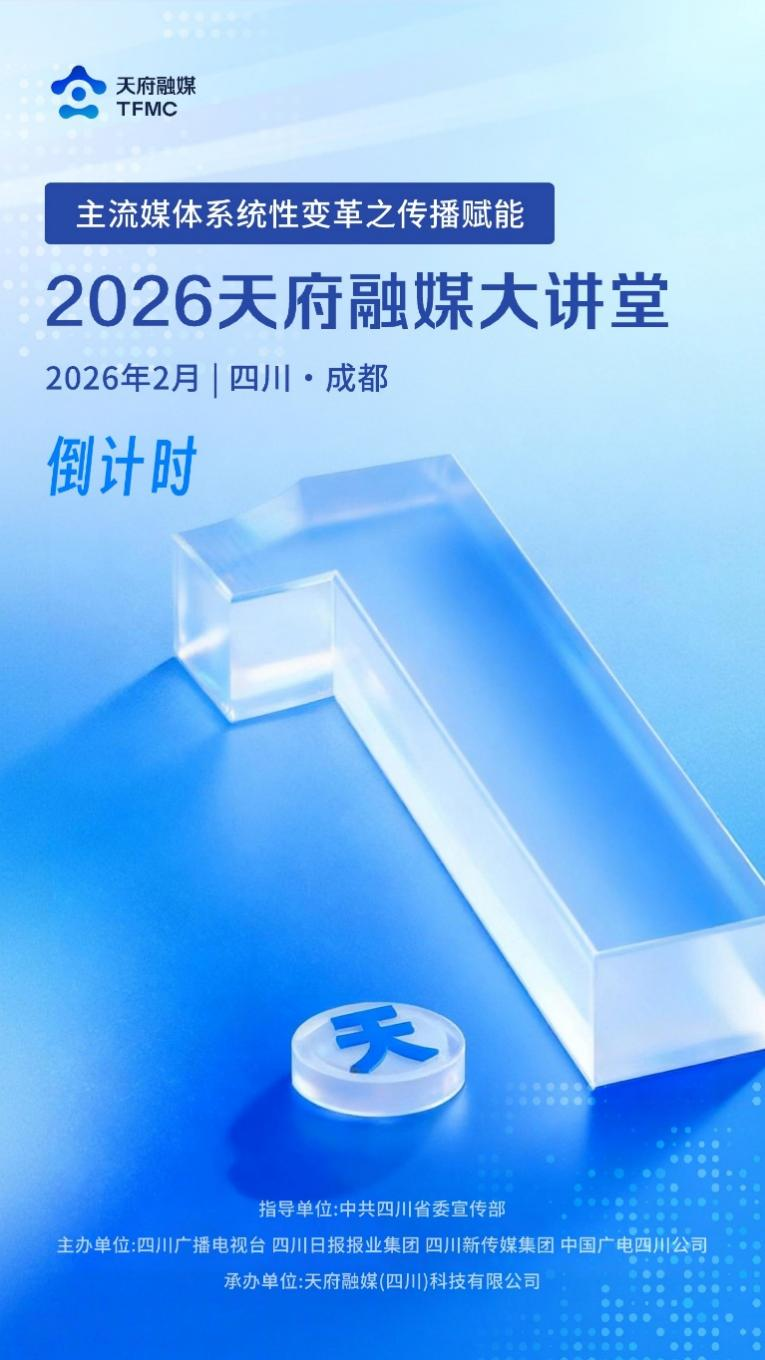
倒计时1天!“2026天府融媒大讲堂”即将开讲
Xin Lang Cai Jing· 2026-02-08 03:00
Group 1 - The event "2026 Tianfu Media Forum - Systematic Reform of Mainstream Media through Empowerment" will officially start in Chengdu on February 9 [1] - The forum aims to be a platform for exchanging ideas and will release the "Tianfu Media 2025 Annual Excellent Articles," promoting the co-construction and sharing of quality content [1] - The event will feature Professor Chen Changfeng from Tsinghua University, discussing "AI-Driven Intelligent Communication in News Media," engaging with media leaders and representatives from various departments [1] Group 2 - The event is organized under the guidance of the Sichuan Provincial Publicity Department, co-hosted by Sichuan Radio and Television Station, Sichuan Daily Newspaper Group, Sichuan New Media Group, and China Broadcasting Network Sichuan Company [4] - The forum focuses on key areas such as news promotion, public opinion guidance, and international communication, providing systematic strategies and practical paths for media transformation [4] - The Tianfu Media Alliance aims to leverage empowerment as an opportunity to gather industry wisdom, tell the story of Sichuan, and support mainstream media in innovation and progress in the new era [4]
推动实现传播思维转变、传播阵地转移、传播功能拓展 加快推进主流媒体系统性变革(专题深思)
Ren Min Ri Bao· 2026-01-25 22:51
Core Viewpoint - The article emphasizes the need for a systematic transformation of mainstream media in China, focusing on enhancing its communication capabilities, guiding power, influence, and credibility to support the modernization of China [1] Group 1: Transformation of Communication Thinking - The shift from "supply-oriented" to "effect-oriented" communication thinking is essential for mainstream media to meet growing user demands and effectively implement the recommendations from the 20th Central Committee [2] - Utilizing big data to analyze user profiles will help in content production, allowing for precise planning and targeted dissemination to improve content-user matching [2] - A new evaluation system is necessary for the all-media era, focusing on the effectiveness of communication rather than traditional metrics like publication volume and viewership [2] Group 2: Shift in Communication Platforms - The transition from "traditional main stage" to "internet main battlefield" requires mainstream media to adapt resources and focus towards the internet, especially mobile platforms [3] - An integrated production and communication mechanism must be established to align with internet communication characteristics, addressing the mismatch of traditional processes [3] - Mainstream media should develop independent new media platforms to gain control over user data and reduce reliance on commercial platforms, thereby enhancing their influence [3] Group 3: Expansion of Communication Functions - Mainstream media should evolve from being a mere information provider to a comprehensive service platform that connects the government and the public [4] - Strengthening local news service capabilities is crucial, as many mainstream media outlets currently focus on trending topics at the expense of local news [4] - The construction of comprehensive service platforms should include not only news but also embedded services related to people's livelihoods, government affairs, and smart city operations [4]
“十三i宝”邀你共创未来
Xin Hua Ri Bao· 2026-01-18 21:06
Group 1 - The event "2026 Intersection Co-Creation Week" was held in Nanjing, focusing on the theme "Three People Create Together for Far-reaching Change" [1] - The "Three People Create Together" initiative includes the "Curator Plan," "Creator Plan," and "Partner Plan," aimed at transforming mainstream media into a value co-creation node [1] - The "Co-Creation Blind Box" annual keywords were revealed, and 100 brands signed agreements to join the "New Agricultural Quality Products. Jiangsu Good Goods Museum" project [1] Group 2 - The "Thirteen i Treasures" were introduced, representing thirteen vertical tracks, emphasizing the integration of media, government, and services [2] - The event featured eight major thematic activities, including a technology lecture series and a community health initiative, all centered around "Media Integration + AI + Scene Innovation" [2] - The theme salon on January 18 revealed more "i+" content and included keynote sharing from attendees [2]
安徽省首家县级融媒文化集团在霍山成立
Xin Lang Cai Jing· 2026-01-01 01:17
Group 1 - The core viewpoint of the article is the establishment of the Huoshan Cultural Media Group Co., Ltd. as the first county-level state-owned cultural media enterprise in Anhui Province, marking a significant breakthrough in the integration of media and industry at the county level [1] - The establishment of the cultural media group is a key step for the Huoshan Media Center to promote industrialization and market-oriented operations, aiming to clarify the relationship between public service attributes and industrial development [1] - The group will operate through corporate management, expanding into diverse sectors such as cultural creativity, e-commerce services, film production, and cultural tourism integration, thereby creating a sustainable development mechanism supported by industry [1] Group 2 - The Huoshan Media Center has built a solid foundation in new media communication, e-commerce assistance for farmers, and artistic creation, with its "Huo Goods Have Name" e-commerce platform recognized as an innovative case in media integration across the province [1] - The cultural media group will focus on news promotion and strengthen its role in public opinion guidance, while leveraging media resources for market-oriented operations to support the news business, creating a virtuous cycle [1]
北京日报社区小板报 | 字号增大,全彩印刷!《北京晚报》升级啦
Bei Jing Ri Bao Ke Hu Duan· 2025-12-26 00:00
Group 1 - Beijing Evening News will launch a layout optimization adjustment starting January 1, 2024, to enhance reader experience and align with media integration trends [2] - The newspaper will adopt full-color printing and increase font size from 9pt to 10pt, responding to reader demands [2] - Content will focus on public concerns and aim to create high-quality, engaging material that reflects the city's development [2] Group 2 - Beijing's first family bed service has been established, addressing the challenges of long-term care for patients at home [4] - Two state-owned enterprises have initiated a headquarters park project in the city's sub-center, contributing to regional industrial upgrades [4] Group 3 - The Beijing CDC reported that flu activity is currently at a moderate level, with a declining trend in positive rates across provinces [3] - The flu vaccination coverage in Beijing has exceeded 10%, with significant increases in coverage among schoolchildren and seniors since the implementation of free vaccination policies [5] Group 4 - The 2026 humanoid robot half marathon will take place on April 19, 2026, focusing on advancements in robot autonomy and adaptability [8] - The opening of the 18th subway line is imminent, with surrounding facilities being prepared to ensure readiness upon launch [10]

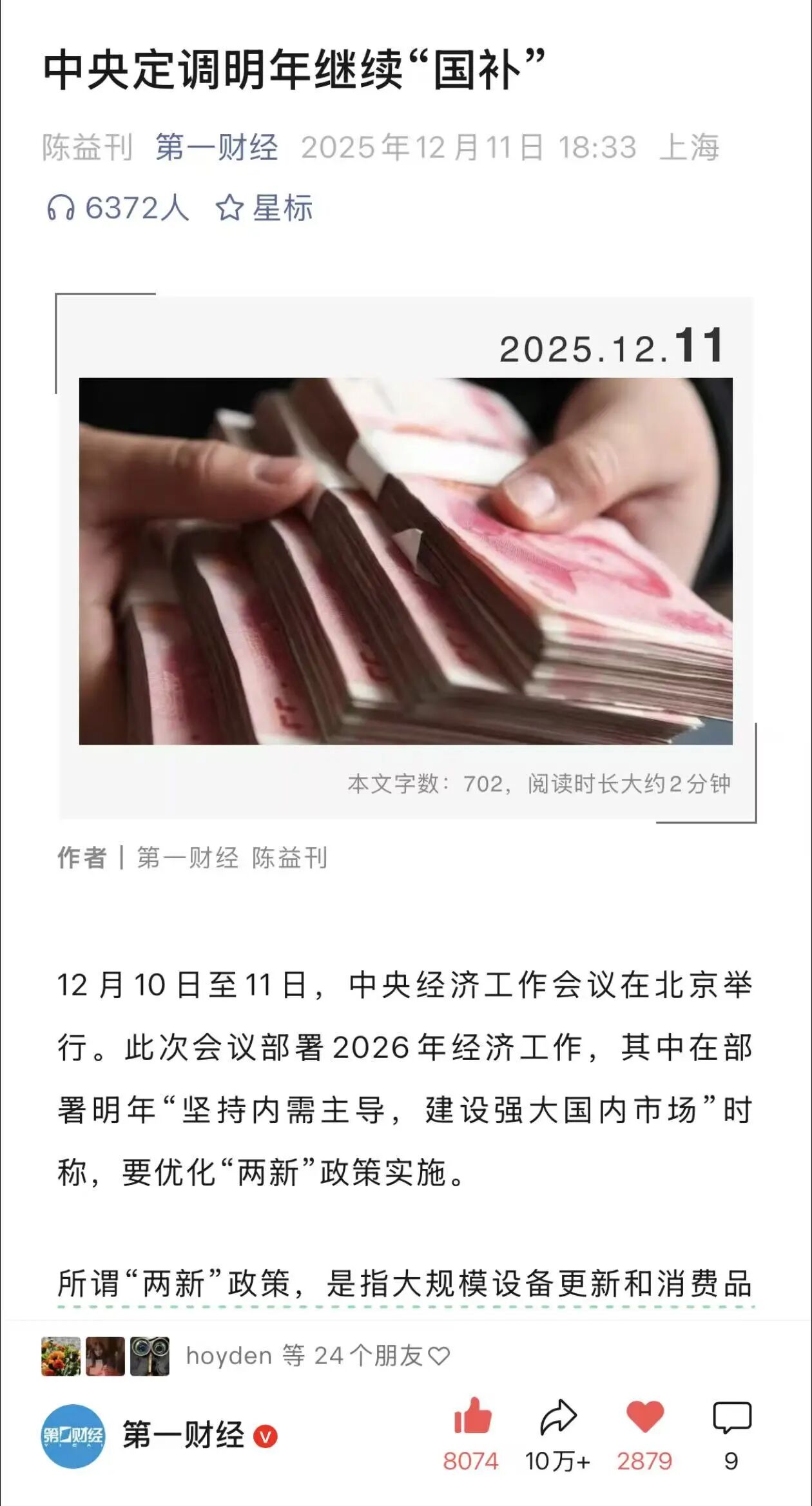
为何能让政策解读刷屏社交网络?SMG第一财经究竟做对了什么?
Di Yi Cai Jing· 2025-12-22 09:50
Core Insights - The article highlights the significant impact of First Financial's coverage of the 2025 Central Economic Work Conference, achieving over 200 million total views across various platforms, including 7 trending topics on Weibo and multiple viral videos [1][2][3] Group 1: Reporting Strategy - First Financial executed a comprehensive reporting strategy, producing 30 articles and 24 videos within three days, resulting in over 200 million views [2] - The coverage included timely official releases, in-depth analyses from various reporters, and active engagement on social media platforms, leading to trending topics like "national subsidies" and "stabilizing new birth rates" [6][7] - The reporting was structured as a systematic campaign rather than a one-off event, ensuring a complete chain of coverage from immediate response to ongoing analysis [6] Group 2: Selection Criteria - The reporting utilized a three-dimensional approach to topic selection: policy dimension focusing on core signals, market dimension addressing key concerns, and livelihood dimension connecting policies to public interests [7][8][12] - Key policy signals included accurate assessments of economic conditions and major adjustments in policy direction, which were systematically compiled into a list of essential points for further reporting [7] - The market dimension specifically addressed pressing issues such as local fiscal challenges and financial reforms, ensuring the content was relevant to market participants [8] Group 3: Content Delivery - The combination of depth and breadth in reporting was achieved through a mix of 30 articles providing comprehensive coverage and targeted social media content that sparked discussions [34] - The use of video content emerged as a significant growth area, with 24 videos generating over 50 million views, demonstrating the effectiveness of visual storytelling in engaging a broader audience [35][38] - Different platforms were leveraged for their unique strengths, with Weibo focusing on trending topics, WeChat providing in-depth articles, and short video platforms maximizing reach through algorithmic recommendations [38] Group 4: Lessons Learned - The coverage provided valuable insights for mainstream media, emphasizing the need to evolve from mere information transmitters to agenda setters in an era of information overload [39] - The ability to translate complex economic policies into relatable language was identified as a core competitive advantage, enhancing public understanding and engagement [39] - The necessity of video content was underscored, as it significantly lowered barriers to understanding serious policy discussions, making them accessible to younger audiences [40] - A systematic and organized approach to media integration was highlighted as essential for effective reporting, indicating a shift towards a more interactive and consensus-building role for media in policy dissemination [40]