
太空垃圾处理

Search documents
“太空市场”新年升温 民营企业抢抓机遇
Zhong Guo Xin Wen Wang· 2026-01-29 07:13
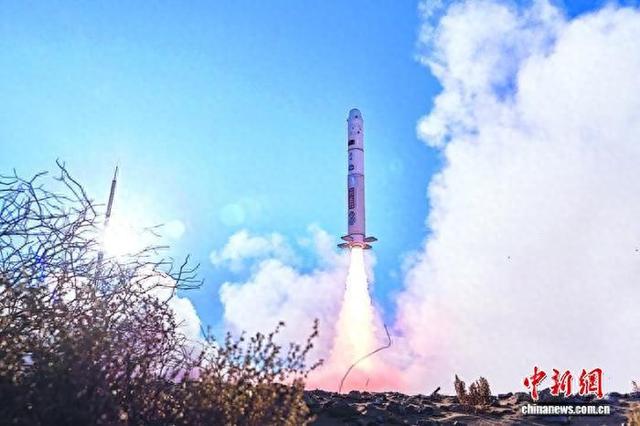
Group 1 - The Chinese commercial aerospace sector is experiencing significant growth, marked by successful launches and IPO preparations, indicating a strong start to the year [1][3] - Companies like Beijing Xinghe Power Aerospace Technology Co., Ltd. have completed multiple rocket launches and are actively seeking partnerships, showcasing the increasing interest from suppliers and investors [3][4] - The Tianjin Aisida Aerospace Technology Co., Ltd. is witnessing rapid growth in commercial aerospace orders, driven by a collaborative ecosystem in the Beijing-Tianjin-Hebei region [4] Group 2 - Safety concerns regarding space debris are becoming critical as the commercial aerospace industry expands, prompting companies like Suzhou Sanyuan Aerospace Technology Co., Ltd. to develop solutions for tracking and managing space debris [5] - Companies are focusing on enhancing their technological capabilities to meet future demands, with innovations in thermal management for space applications being a priority for Beijing Renshu Technology Co., Ltd. [5] - The satellite internet market is rapidly evolving, with companies like Galaxy Aerospace (Beijing) Network Technology Co., Ltd. pushing for the deployment of satellite communication technologies to meet growing consumer needs [6][5]

利空!马斯克,突传重磅!
券商中国· 2026-01-02 10:46
Core Viewpoint - Tesla is facing significant downward revisions in its delivery forecasts for 2025 and 2026, indicating potential challenges in maintaining growth momentum in the coming years [1][2][5]. Group 1: Tesla Delivery Forecasts - Wall Street predicts Tesla will deliver approximately 440,900 vehicles in Q4 2025, a year-on-year decline of 11%, marking a continuous drop in deliveries for two consecutive years [1][2]. - The overall delivery forecast for Tesla in 2025 is estimated at 1.6408 million vehicles, down nearly 8% from 1.789 million in 2024, which would represent a significant decline after a slight decrease in 2024 [3][4]. - Analysts have drastically reduced their 2026 delivery expectations for Tesla from over 3 million to around 1.8 million vehicles, reflecting growing concerns about the company's short-term performance [5]. Group 2: Factors Influencing Tesla's Performance - The anticipated decline in Q4 2025 sales is attributed to the expiration of the U.S. federal electric vehicle tax credit in September, which previously incentivized purchases and led to a surge in Q3 sales, potentially depleting demand for Q4 [4]. - Tesla has publicly stated that it does not endorse any analyst information or conclusions, emphasizing the objective presentation of data [4]. Group 3: Tesla's Stock Performance - As of December 31, 2025, Tesla's stock has experienced a six-day consecutive decline, dropping over 1% on the last trading day, resulting in a cumulative retreat of approximately 8%, although the stock still saw an annual increase of about 11% [5]. - Tesla's current price-to-earnings ratio is nearing 300, which places significant pressure on the company to fulfill its promises regarding autonomous driving technology [5]. Group 4: SpaceX Developments - SpaceX announced plans to lower the operational altitude of approximately 4,400 Starlink satellites from about 550 kilometers to 480 kilometers to reduce collision risks and manage space debris [6][8]. - This adjustment is part of a major reorganization of the satellite constellation, aimed at creating a safer operational environment and is influenced by solar activity cycles that affect atmospheric density [8]. - The low Earth orbit is becoming increasingly congested, with projections indicating a 190% increase in the number of low Earth orbit satellites over the next decade [8].

马斯克钱包大幅缩水,星链大规模坠毁,是意外还是另有隐情?
Sou Hu Cai Jing· 2025-06-16 11:41
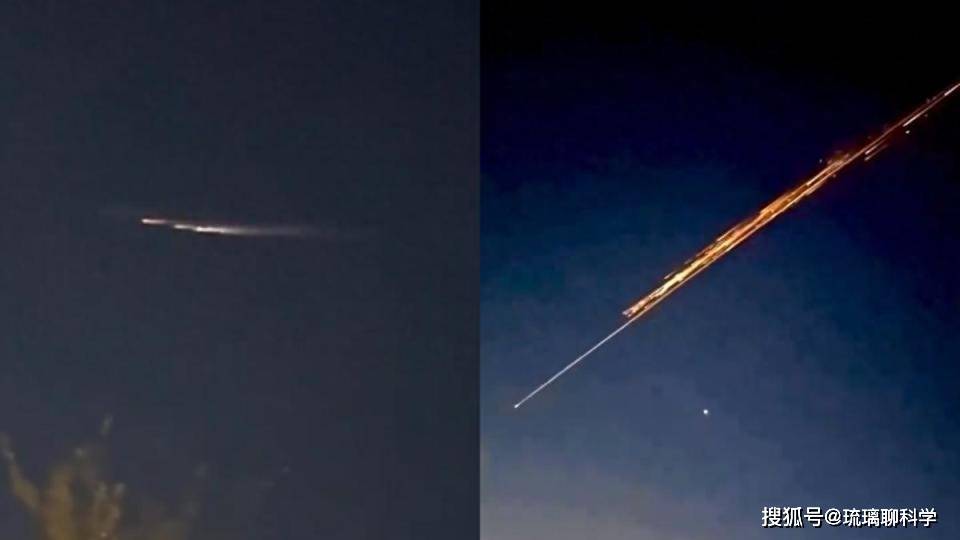
Core Viewpoint - The recent issue of SpaceX's Starlink satellites experiencing significant falls has raised concerns about operational reliability and financial implications for the company [1][3]. Group 1: Satellite Failures - Since January, over 120 Starlink satellites have reportedly fallen, averaging about four per day, creating visible fireballs in the sky [1]. - The cost of manufacturing these satellites ranges from $300,000 to $500,000 each, leading to substantial financial losses for SpaceX given the number of satellites involved [3]. - The reasons for the satellite failures include both intentional deorbiting after mission completion and potential loss of control due to external factors [3][5]. Group 2: External Influences - The current peak of the 25th solar activity cycle is affecting satellite operations, with solar storms causing rapid deceleration and orbital deviations, leading to uncontrolled falls [5]. - Similar incidents occurred in 2022, where 40 Starlink satellites fell due to solar storm impacts, indicating a recurring issue [6]. Group 3: Mitigation Strategies - SpaceX's proactive approach to deorbiting aging satellites is commendable as it helps reduce space debris, which has been increasing in recent years [8]. - The company must ensure that deorbiting occurs in safe locations to prevent potential hazards from falling debris, especially in populated or sensitive areas [8]. Group 4: Future Considerations - SpaceX needs to conduct a comprehensive evaluation and improvement of the Starlink program, focusing on enhancing satellite resilience against natural disturbances [10]. - There is a broader need for all countries involved in satellite operations to address interference and collision risks to ensure the sustainable development of space as a shared domain [10].
日本太空垃圾公司Astroscale上市一年市值蒸发一半,公司预计上个财年亏损翻倍
news flash· 2025-06-04 23:42
Core Viewpoint - Astroscale Holdings Inc., a pioneer in space debris management, experienced a significant initial surge in stock price following its IPO in Tokyo, but this momentum was short-lived, leading to a substantial decline in its valuation [1] Company Performance - The company's stock price increased by 62% on the day of its IPO, reaching a valuation of $1 billion [1] - Following the initial excitement, the stock price subsequently fell by 50%, indicating a sharp decline in investor confidence [1] - Astroscale is reported to be the worst-performing company among the top ten listed companies in Tokyo over the past year, with its stock price now below the IPO price [1]