
央行储备资产配置

Search documents
比特币能否成为应对金融制裁的央行储备资产?
Sou Hu Cai Jing· 2026-01-06 11:29
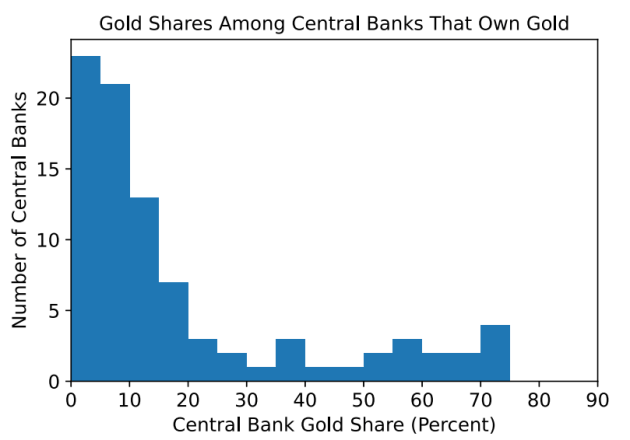
Core Insights - The article discusses the increasing uncertainty faced by central banks in international reserve allocation due to the frequent use of financial sanctions by major reserve currency issuers, leading to a reassessment of reserve asset safety and the exploration of non-sovereign assets like gold, the renminbi, and decentralized cryptocurrencies [1][2]. Group 1: Research Background - Cryptocurrencies are transitioning from speculative assets to mainstream investment tools, with countries like El Salvador incorporating Bitcoin into their official reserves, highlighting the strategic significance of crypto assets in extreme situations [2][3]. - The unprecedented scale of financial sanctions against Russia during the Ukraine conflict revealed the risks associated with sovereign currency reserves, prompting a reevaluation of their safety [2][4]. Group 2: Financial Sanctions and Central Bank Reserves - The study focuses on how financial sanctions influence central bank reserve asset allocation, proposing Bitcoin as a potential hedging asset against sanctions [3][4]. - A unique Bayesian dynamic copula model is employed to simulate the joint return distribution of Bitcoin and traditional reserve assets, assessing optimal asset weights under varying sanction probabilities [3][5]. Group 3: Historical Context of Financial Sanctions - Economic sanctions have evolved as a diplomatic tool since World War I, with financial sanctions gaining prominence, especially post-9/11, leading to increased motivations for "de-dollarization" among some nations [4][5]. - The U.S. has a more flexible and frequent sanction implementation process compared to the EU and UN, resulting in a broader range of entities on the U.S. sanctions list [4][5]. Group 4: Gold Reserves and Financial Sanctions - Central banks are increasingly valuing gold in their reserves due to its ability to maintain asset safety in a financial sanctions environment, with gold's share in global official reserves reaching a 25-year high by Q1 2024 [7][10]. - The relationship between military imports and gold allocation suggests that countries facing higher sanction risks are more likely to increase their gold reserves [11][12]. Group 5: Characteristics of Cryptocurrencies - Cryptocurrencies, particularly Bitcoin, are characterized by their decentralized nature and resistance to government-imposed financial sanctions, allowing for continued transactions even under sanctions [12][13]. - Bitcoin's mining process and its global distribution make it difficult for any single country to effectively enforce sanctions against it [14][15]. Group 6: Research Design and Findings - The research aims to determine whether Bitcoin can serve as a viable asset in central bank reserves amidst accumulating financial sanctions, comparing its role to traditional reserve assets like gold and the U.S. dollar [16][18]. - The model developed captures the volatility and risk characteristics of various reserve assets, demonstrating that sanctions significantly alter optimal reserve structures, increasing the weight of gold and Bitcoin [19][20]. Group 7: Policy Implications - The risk of financial sanctions is reshaping central banks' reserve management strategies, leading to a shift from traditional safe assets like U.S. Treasuries to a more diversified mix including Bitcoin and gold [21][22]. - Central banks considering cryptocurrency purchases must weigh the benefits of asset concealment against the potential volatility and public scrutiny associated with such holdings [22].

黄金超越美国债,央行“严选”
Jin Tou Wang· 2025-10-24 09:28
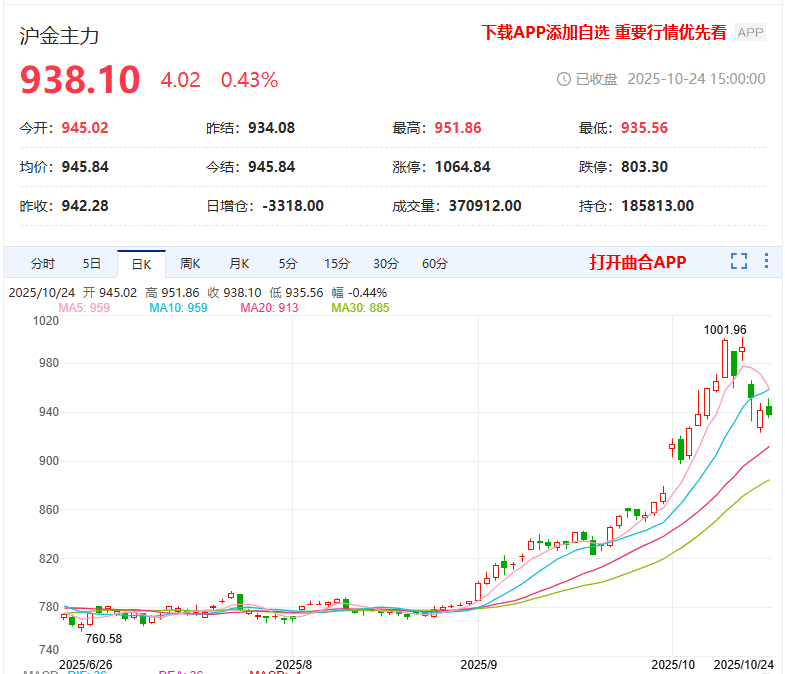
Core Insights - The proportion of gold in global central bank reserves has surpassed that of U.S. Treasury bonds for the first time since 1996 [1] - As of August 2025, the value of gold reserves held by central banks is approximately $4.5 trillion, significantly exceeding the $3.5 trillion in U.S. Treasury bond reserves [1] - The share of U.S. Treasury bonds in total reserves has been declining, currently at 23%, down from over 30% in the 2010s, while gold's share stands at 27% [1] - Central banks are increasingly favoring gold over U.S. Treasury bonds, contributing to the rise in gold prices [1] - On the trading day, the price of gold in Shanghai increased by 0.43%, closing at 938.1 yuan per gram [1]
当美元不再“避险”,各国央行正转向欧债
Hua Er Jie Jian Wen· 2025-07-16 10:25
Group 1 - The core viewpoint of the articles highlights a significant increase in the allocation of eurozone government bonds by official institutions, with their subscription rate rising from 16% last year to 20% this year [1][2] - Concerns over the dollar's status as a safe-haven currency have emerged due to fluctuating U.S. trade policies and criticism of the Federal Reserve, leading to a 9% decline in the dollar and a 12% increase in the euro [1][2] - The relative political stability, lower budget deficits, and inflation levels in Europe make eurozone bonds more attractive to central banks [1][2] Group 2 - Barclays' analysis indicates that official institutions, including central banks and sovereign wealth funds, have significantly increased their subscriptions to eurozone government bonds, with notable demand from Asian institutions [2] - The issuance of bonds through syndication has raised over €200 billion (approximately $232.4 billion) for eurozone governments last year, making it a crucial financing channel [2] - Despite the rising demand for eurozone bonds, industry experts caution that it is too early to determine if central banks are meaningfully adjusting their currency allocations due to ongoing focus on U.S. dollar assets [3]