
奢侈品行业复苏

Search documents
奢侈品行业回暖与挑战并存:2025四季度奢侈品财报回顾
Huafu Securities· 2026-03-05 10:07
Investment Rating - The industry rating is "Outperform the Market" [33] Core Insights - The luxury goods industry continues its recovery into Q4 2025, with several luxury groups reporting steady growth despite external macro pressures such as exchange rate fluctuations and global economic uncertainty. Overall consumer demand shows a notable recovery trend [4][14] - The growth drivers for the industry include the continuous improvement in the Chinese market, sustained local consumption in the Americas, and growth in the jewelry and watch categories. However, challenges remain due to weak European markets and negative impacts from exchange rate fluctuations and tariffs [14] Summary by Sections 1. Industry Recovery and Market Improvement - In Q4 2025, the luxury goods industry maintained the recovery trend from Q3, with multiple luxury groups achieving steady growth. High single-digit or low double-digit growth was recorded by groups such as Hermès, Richemont, Moncler, Tapestry, and Ralph Lauren. The recovery is primarily driven by improvements in the Chinese market and local consumption in the Americas, alongside growth in the jewelry and watch categories [4][14] 2. Category Performance - By fixed exchange rates, the jewelry and watch category led growth in Q4 with a year-on-year increase of 11.2%, significantly up from Q3. The sportswear category followed with a 4.9% increase, while fragrance and cosmetics grew by 4.6%. Leather goods and apparel showed a modest growth of 0.9%, and the alcoholic beverages category faced significant pressure, declining by 9.0% year-on-year [5][16] 3. Regional Performance - In terms of regional markets, the Americas showed the fastest year-on-year growth at 4.4%, although it has slowed down compared to Q3. The Asia-Pacific (excluding Japan) grew by 1.4%, Japan by 0.9%, and Europe saw a minimal growth of 0.3%. The Chinese market continues to show positive trends, with luxury groups expressing optimism about local consumption recovery [6][21][25] 4. Future Performance Outlook - Most luxury groups have not provided specific quantitative guidance for future performance but express a positive outlook for 2026, focusing on improving growth quality and profitability. Notably, Tapestry and Ralph Lauren have raised their future performance guidance due to strong results [7][26]
奢侈品消费复苏是假象?LVMH去年收入下降5%,股价跳水
Nan Fang Du Shi Bao· 2026-01-29 08:24
Core Viewpoint - LVMH's financial performance for the fiscal year ending December 31, 2025, continues to be impacted by the industry's cyclical downturn, with total revenue declining by 5% to €80.8 billion, operating profit down 9% to €17.755 billion, and net profit down 13% to €10.878 billion, primarily due to poor performance in the fashion and leather goods segment [2][5] Group 1: Financial Performance - In Q4 2025, LVMH's revenue decreased by 5.1% year-on-year to €22.72 billion, although organic revenue grew by 1%, marking the second consecutive quarter of growth after two quarters of decline [4] - The fashion and leather goods segment saw organic sales decline by 3% in Q4, a worsening from the 2% decline in Q3, while the perfume and cosmetics segment fell by 1% [4] - The watch and jewelry segment, along with premium retail businesses like DFS and Sephora, performed well with organic revenue growth of 8% and 7% respectively in Q4, exceeding market expectations [4] Group 2: Segment Performance - For the full year 2025, the fashion and leather goods segment revenue fell by 8% to €37.77 billion, while the watch and jewelry segment saw a slight decline of 1% to €10.486 billion [5] - The perfume and cosmetics segment revenue decreased by 3% to €8.174 billion, and the wine and spirits segment revenue dropped by 9% to €5.358 billion [5] Group 3: Market Insights - The Asian market, particularly China, showed signs of improvement in the second half of 2025, with organic revenue growth of 1% in Q4, contrary to previous expectations of a decline [9] - The Japanese market experienced a 13% decline in organic revenue for the year, while the European market fell by 1%, and the U.S. market remained flat compared to the previous year [9] Group 4: Strategic Moves - LVMH's CEO Bernard Arnault announced the acquisition of additional shares in Loro Piana for approximately €1 billion, increasing the group's stake from 85% to 94%, with the family retaining 6% [7] - The company is focusing on maintaining product quality and scarcity while controlling the pace of expansion, as Loro Piana has shown rapid growth [7] Group 5: Industry Challenges - The luxury goods sector is facing challenges due to rising living costs, geopolitical uncertainties, and weakened consumer confidence, which are suppressing global luxury spending [11] - The previous strategy of frequent price increases in the luxury sector is showing adverse effects, leading to consumer dissatisfaction and a potential shift in focus towards demand recovery and value reconstruction in 2026 [12]


奢侈品2025:确实复苏了,但问题很多
3 6 Ke· 2025-12-16 09:01
Core Insights - The luxury goods industry is experiencing a resurgence, marked by a wave of new store openings in major cities like Shanghai and Beijing, indicating a positive economic sentiment among consumers [1][3] - Despite the recovery signs, executives from major luxury groups remain cautious, highlighting ongoing uncertainties in the market [3][4] Market Performance - The Asia-Pacific market has shown significant recovery, with notable performance differences between China and Japan [4] - Hermès reported a 15.2% year-on-year sales increase in Japan, while LVMH and Richemont faced declines in the same market [5][6] - Overall, luxury brands are seeing improved sales, with Hermès, Prada, and Richemont all reporting positive growth figures in recent quarters [6] Business Segmentation - Different product categories are showing varied performance, with leather goods remaining a stronghold for brands like Hermès, which saw a 12.6% increase in sales [11] - Jewelry sales have rebounded significantly, with Richemont's jewelry brands experiencing a 17% increase, driven by rising demand for investment-grade jewelry [14] - The beauty segment presents a mixed picture, with some brands expanding while others, like Kering, are divesting from beauty lines [16] Channel Strategy - Luxury brands are focusing on core markets and reducing presence in non-core areas, with a strategy of "grabbing big and letting go of small" [18][21] - Major brands are investing in flagship stores in key locations, such as Louis Vuitton's "Louis Number" in Shanghai, which has exceeded sales expectations [19][21] - There is a trend towards closing underperforming outlets in lower-tier cities to concentrate resources on more profitable areas [21] Marketing Approaches - Luxury brands are increasingly localizing their marketing strategies, engaging with local culture and consumers through collaborations and street-level activities [22][24] - The emphasis on cultural resonance is seen as a key advantage for local brands, with a significant percentage of consumers valuing cultural connection [25] Resource Integration - The luxury sector is witnessing a wave of acquisitions and investments in supply chains, with brands like Chanel and Hermès actively acquiring suppliers to strengthen their market position [26][28] - This trend reflects a broader strategy of vertical integration as brands seek to enhance their resilience and market influence during the recovery phase [29][32]
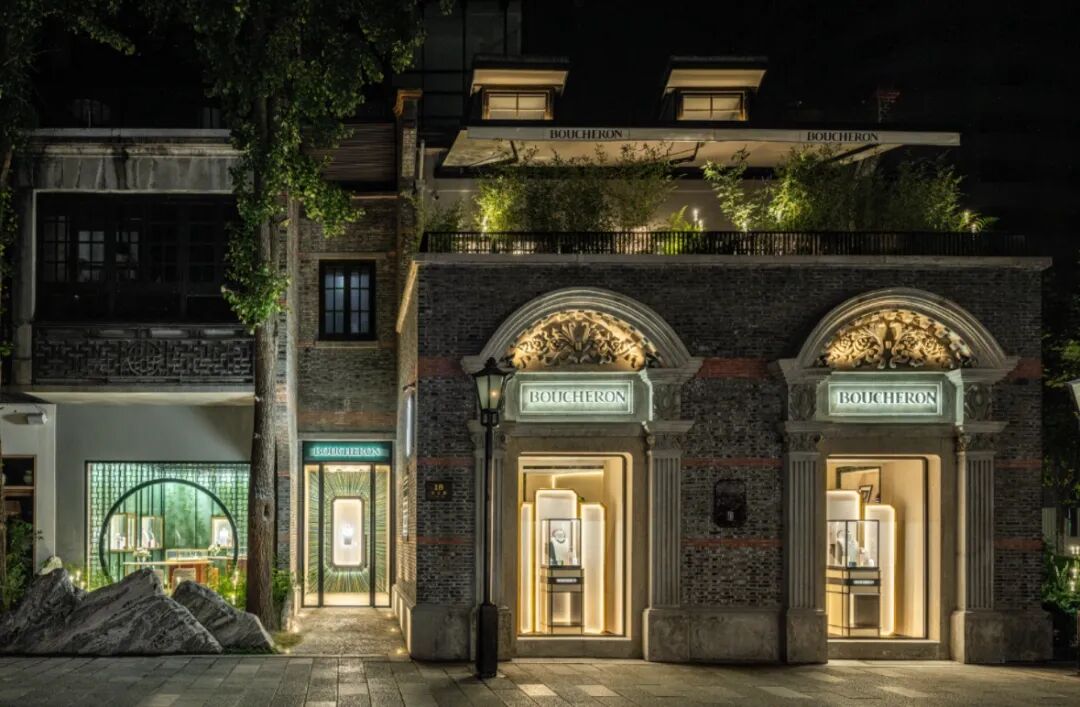
Is It Time to Buy LVMH Shares?
FX Empire· 2025-10-20 07:19
Core Insights - The luxury industry is experiencing a gradual recovery, particularly in China, where sales have turned positive for the first time this year, indicating renewed consumer interest in high-end fashion and experiences [1][3] - Demand in Europe and the United States remains solid, reflecting resilient local consumption despite a cautious global economic backdrop [2] - LVMH's modest growth in the third quarter of 2025 marks a potential turning point for the luxury sector, suggesting that the worst of the slowdown may be behind, although recovery will be gradual [3] Regional Performance - Mainland Chinese consumers are showing increased appetite for luxury goods, helping to offset earlier weaknesses and restore confidence in Asia's growth contribution [1] - There is a noticeable improvement in overall trends across Asia excluding Japan, indicating broader regional stabilization after months of uneven demand [2] Challenges Ahead - Despite returning to modest growth, LVMH faces several structural and cyclical challenges that may impact performance into 2026, including weaker demand for high-end products and rising operational costs [4] - Luxury brands have increased prices significantly between 2020 and 2023, with an average hike of 36%, which is now dampening demand among aspirational buyers [5] - Lowering prices is not a viable option for luxury brands, as it would erode brand prestige; instead, companies may maintain current pricing while waiting for income growth and easing inflation [6]

LVMH集团财报发布后,全球奢侈品上市公司市值一日增加700亿美元以上!
Sou Hu Cai Jing· 2025-10-16 14:40
Core Insights - LVMH reported a resilient performance in Q3, with organic revenue growth of 1% year-on-year, reversing the decline seen in the first half of the year, particularly in the fashion and leather goods segment, which saw a reduced decline of 2% [1] - The Chinese market returned to positive growth, exceeding market expectations, as analysts had predicted flat overall sales and a 4% decline in the fashion and leather goods segment [1] - Following the earnings report, LVMH's stock surged by 12.22% to €597.9 per share, boosting its market capitalization to nearly €300 billion, reaffirming its position as the world's most valuable luxury goods company [1] Industry Performance - The stock prices of luxury goods companies rose significantly, with 25 out of 27 luxury stocks tracked by the "Huazhi Luxury Goods Index" increasing on October 15, 2023, and a total market value increase of nearly $70 billion [3][4] - Notable stock price increases included LVMH at 12.2%, Hermès at 7.4%, and Richemont at 6.3% [4] Analyst Perspectives - Analysts noted that the luxury goods sector has seen renewed interest from capital markets, with the sector experiencing a recovery for three consecutive months [5] - Bernstein analysts indicated that LVMH's performance reflects a combination of self-rescue measures and slightly positive demand from China, suggesting a potential U-shaped recovery [7] - RBC Capital Markets analysts rated LVMH stock as outperforming the market, highlighting stronger-than-expected organic revenue growth for Q3 2025 and a constructive outlook for the soft luxury segment in 2026 [7] - DWS's portfolio manager remarked that the sales data provided positive surprises for investors, likely sustaining upward momentum in the sector [7] Cautionary Notes - Some analysts cautioned against prematurely declaring a full industry rebound, with Jefferies questioning whether LVMH's early signs of recovery could be misinterpreted as a broader industry revival [8] - UBS projected a 4% organic growth in global luxury goods sales for the following year, with acceleration expected only in the second half of 2026 as new creative directors' collections begin to hit stores [8] Wealth Impact - Bernard Arnault's family wealth increased significantly, rising by $19.1 billion to $179.9 billion, making him the seventh richest person globally and the wealthiest non-American [8]
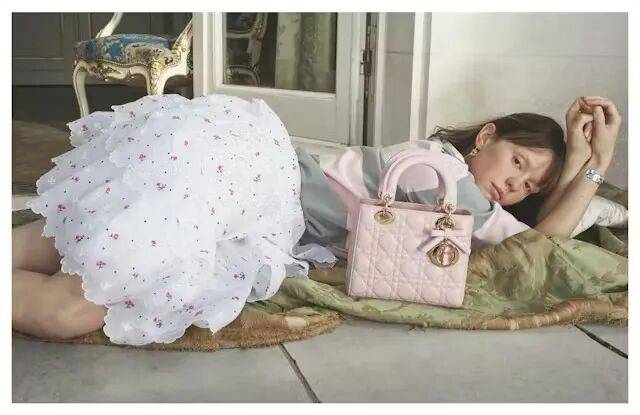
LVMH sales return to growth as China demand improves
Yahoo Finance· 2025-10-14 17:27
Core Insights - LVMH's sales increased by 1% in Q3, marking the first quarter of growth this year, driven by improved demand in China [1][5] - The luxury goods sector is experiencing a prolonged slump, but LVMH's performance offers some relief [1][7] Sales Performance - LVMH reported quarterly sales of 18.28 billion euros ($21.17 billion), surpassing expectations of flat sales [5] - The fashion and leather goods division, which includes brands like Louis Vuitton and Dior, saw a 2% decline compared to the previous year, but this was an improvement from a 9% drop in Q2 [4][6] Regional Trends - Notable improvement in sales trends was observed in Asia, particularly in mainland China, which turned positive in Q3 [2] - The CFO indicated that the luxury market in Asia, excluding Japan, showed "noticeable" improvement [2] Market Challenges - LVMH faces challenges in Q4, including unfavorable currency rates and ongoing economic uncertainty [2] - The luxury sector has been impacted by price hikes and economic factors such as tariffs and the real estate crisis in China [7][8] Investor Sentiment - LVMH's U.S. shares rose by 7.5% following the positive trading update, indicating a shift in investor sentiment towards the luxury sector [4]
奢侈品行业最糟糕的时期即将结束?
Hua Er Jie Jian Wen· 2025-07-21 06:52
Group 1 - The luxury goods industry is showing initial signs of stabilization after experiencing demand slowdown and valuation declines, suggesting that the worst phase may be coming to an end [1] - Swatch AG's CEO Nick Hayek reported early signs of improvement in key markets, while Burberry's same-store sales fell only 1%, outperforming analyst expectations of a 3.7% decline, leading to a 6.6% surge in its stock price [1][2] - LVMH's upcoming financial report is expected to be disappointing, particularly due to weak performance in key categories like leather goods, which may hinder the industry's recovery pace [1][2] Group 2 - There is a significant disparity in performance among luxury brands, with Brunello Cucinelli SpA reporting an 11% sales increase in Q2, while LVMH has become one of the weakest performers due to consumer fatigue in its leather goods segment [2] - Burberry's better-than-expected results are partly attributed to a low base effect from a 21% sales drop in the same period last year [2] Group 3 - Some investors believe that the valuations of certain luxury brands have already absorbed pessimistic expectations, with LVMH's forward P/E ratio around 19.5, close to its five-year average low [3] - However, not all luxury stocks appear cheap, as Hermes has a P/E ratio of about 50 times, reflecting strong demand for its star products [3] Group 4 - Although the most severe phase of decline may be nearing its end, a full recovery in the luxury goods sector is still a distant prospect, with upcoming fashion weeks expected to provide more direction [4] - Brands that can accurately gauge consumer changes and effectively execute their strategies are likely to stand out in this differentiated recovery [4]