
教育产业

Search documents
学大教育:主业韧性强,看好低估值下的成长修复-20260319
GUOTAI HAITONG SECURITIES· 2026-03-19 07:30
Investment Rating - The report assigns a rating of "Buy" for the company [5]. Core Insights - The company's training business continues to show strong resilience, with a clear growth recovery under low valuation. The expansion of high school enrollment solidifies industry demand, while vocational education, industrial investment, and AI applications are gradually driving a second growth curve, indicating ongoing revaluation potential [2][15]. Financial Summary - Total revenue is projected to grow from 2,213 million in 2023 to 4,607 million in 2027, with a compound annual growth rate (CAGR) of approximately 23.1% to 18.3% [4]. - Net profit attributable to the parent company is expected to increase significantly from 154 million in 2023 to 391 million in 2027, reflecting a growth rate of 1,035.2% in 2024 [4]. - Earnings per share (EPS) is forecasted to rise from 1.26 in 2023 to 3.21 in 2027 [4]. Investment Recommendations - The report predicts EPS for 2025-2027 to be 1.99, 2.54, and 3.21 respectively. Based on a comparison with peers like New Oriental and Huatu Shanding, which have an average valuation of 24x PE for 2026, the company is given a target price of 50.80, maintaining a "Buy" rating [15][17]. Business Performance - The company's core education and training business has shown stable growth, with revenue and profit maintaining a rapid growth trajectory. For 2024, the company achieved a revenue of 27.86 billion, a year-on-year increase of 25.9%, and a net profit of 1.80 billion, up 16.8% [17]. - Contract liabilities have shown a positive trend, indicating a high demand for personalized education, with a continuous increase in contract liabilities from 6.6 billion in 2021 to 12.0 billion in 2025Q3 [19][21]. Industry Dynamics - The expansion of high school enrollment policies is expected to provide a stable demand foundation for the education and training sector. The gross enrollment rate for high school is projected to reach 92.0% by 2025, with ongoing improvements in educational resources [28][34]. - The vocational education segment is accelerating, with the company actively acquiring and managing vocational schools, thereby enhancing its strategic positioning in this area [35][37]. AI Integration - The company is advancing its AI capabilities, having developed a proprietary AI model that has received regulatory approval, which is expected to enhance its educational services and operational efficiency [40].

行动教育:跟踪报告五年百城,百校计划开启扩张提速-20260310
GUOTAI HAITONG SECURITIES· 2026-03-10 10:30
Investment Rating - The report assigns an "Accumulate" rating to the company with a target price of 67.54 CNY [5][16]. Core Insights - The company is leveraging its "Hundred Schools Plan" and AI transformation to accelerate growth, aiming to establish 100 branches in 100 cities over five years [2][31]. - The financial outlook is strong, with projected revenue growth from 672 million CNY in 2023 to 1,197 million CNY by 2027, representing a compound annual growth rate (CAGR) of approximately 15.7% [4][12]. - Net profit attributable to the parent company is expected to increase from 219 million CNY in 2023 to 427 million CNY in 2027, with a notable growth rate of 98% in 2024 [4][12]. Financial Summary - Total revenue is projected to grow from 672 million CNY in 2023 to 1,197 million CNY by 2027, with year-on-year growth rates of 49.1%, 16.5%, 14.9%, 14.9%, and 15.7% respectively [4][12]. - Net profit attributable to the parent company is forecasted to rise from 219 million CNY in 2023 to 427 million CNY in 2027, with growth rates of 98.0%, 22.4%, 12.8%, 20.7%, and 16.7% [4][12]. - Earnings per share (EPS) is expected to increase from 1.84 CNY in 2023 to 3.58 CNY in 2027 [4][12]. Business Model and Strategy - The company has established a "three-in-one" growth system focusing on its core EMBA programs, consulting services, and investment strategies, enhancing its competitive edge in the management education sector [18][20]. - The "Hundred Schools Plan" has already seen the establishment of 7 new branches, with 3 more in preparation, indicating a robust expansion strategy [31][34]. - The integration of AI into operations is expected to enhance efficiency and differentiate the company in a competitive market, with plans to empower 10,000 enterprises to become AI-driven organizations [35][38]. Shareholder Engagement - The company has completed a share buyback of approximately 450,000 shares, representing 0.38% of total shares, to boost market confidence and align employee interests with long-term growth [39][38].

行动教育(605098):跟踪报告:五年百城,百校计划开启扩张提速
GUOTAI HAITONG SECURITIES· 2026-03-10 08:13
Investment Rating - The report assigns an "Accumulate" rating to the company with a target price of 67.54 CNY [5][16]. Core Insights - The company is leveraging its "Hundred Schools Plan" and AI transformation to accelerate growth, aiming to establish 100 branches in five years, which is expected to enhance its market presence and operational efficiency [2][31]. - The financial projections indicate significant revenue growth, with total revenue expected to reach 1,197 million CNY by 2027, reflecting a compound annual growth rate (CAGR) of approximately 15.7% from 2023 to 2027 [4][12]. - The net profit attributable to the parent company is projected to grow from 219 million CNY in 2023 to 427 million CNY in 2027, showcasing a robust growth trajectory [4][12]. Financial Summary - Total revenue for 2023 is estimated at 672 million CNY, with a year-on-year growth of 49.1%. This growth is expected to moderate to 16.5% in 2024 and stabilize around 14.9% for the following years [4][12]. - The net profit margin is projected to improve significantly, with the net profit margin reaching 37.97% in Q3 2025, marking a historical high for the company [28]. - The company has maintained a strong return on equity (ROE), projected to be 30.3% by 2027, indicating effective management and profitability [4][12]. Business Model and Strategy - The company has developed a comprehensive service system that includes core management education programs, consulting, and advisory services, positioning itself as a leader in the entrepreneur management education sector [18][20]. - The "Hundred Schools Plan" has already seen the establishment of 7 new branches, with plans for rapid expansion, which is expected to enhance local market penetration and customer acquisition [31][34]. - The integration of AI into the business model is anticipated to improve operational efficiency and create differentiated offerings, which is crucial in a competitive landscape [35][38]. Shareholder Engagement - The company has completed a share buyback program, repurchasing approximately 450,000 shares, which is expected to boost market confidence and align employee interests with long-term corporate goals [39][38]. - The buyback shares will be used for employee stock incentive plans, which are expected to enhance team cohesion and support the successful implementation of the "Hundred Schools Plan" [39][38].
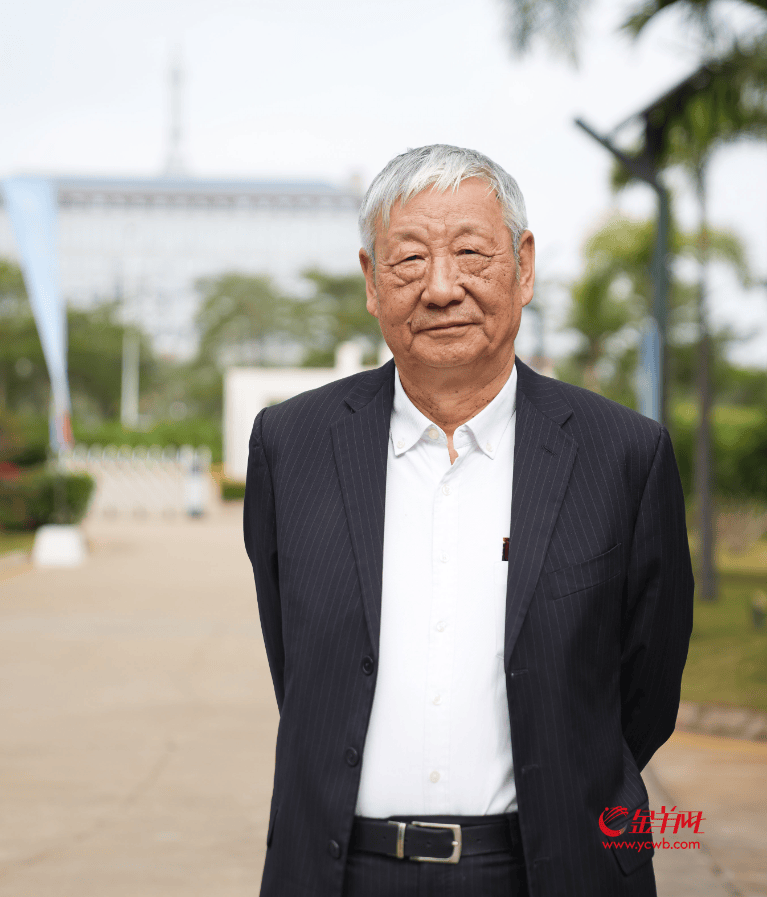
海南封关将释放哪些红利?专访中国经济50人论坛成员曹远征|高端访谈
Sou Hu Cai Jing· 2025-12-23 14:18
Core Insights - The Hainan Free Trade Port officially commenced its closure operations on December 18, which has sparked significant public interest and discussion regarding its implications for economic development and consumer behavior [1][3]. Group 1: Economic Impact - The closure operation is expected to further expand domestic demand and stimulate consumption, which has already begun to take shape [3]. - China is transitioning to a new economic phase that necessitates an increase in imports to meet domestic consumption upgrades, moving away from an export-driven model [3]. Group 2: Institutional Opening - Hainan Free Trade Port represents a model of institutional opening characterized by rules, management, and standards, differing from the more product-focused opening seen in Shenzhen during the 1980s [3][4]. - The core of Hainan's opening strategy focuses on high-standard service industry development, which relies on human interaction and subjective quality standards rather than rigid production metrics [4]. Group 3: Financial Connectivity - Hainan serves as a crucial link between offshore and onshore RMB markets, enhancing its role in the internationalization of the RMB [10]. - The establishment of financial tools like the Free Trade Account (FT Account) has enabled Hainan to issue RMB bonds in Hong Kong, facilitating capital flow back to the mainland [10]. Group 4: Regional Development - The policy benefits of Hainan's Free Trade Port are expected to extend beyond the Greater Bay Area, potentially making regions like Zhanjiang in western Guangdong new economic growth poles [11]. - Hainan is positioned to attract high-end service resources globally, which could lead to collaborative opportunities with the Greater Bay Area and beyond [11]. Group 5: Strategic Collaboration - Hainan is encouraged to lead in creating new service platforms that facilitate cooperation between the Greater Bay Area and ASEAN countries, thereby enhancing industrial upgrades through high-level services [12].

中国东方教育(00667):跟踪报告:景气回暖,估值修复潜力大
GUOTAI HAITONG SECURITIES· 2025-12-14 05:37
Investment Rating - The report maintains a "Buy" rating for China Oriental Education, indicating a positive outlook for the company's stock performance relative to the local market index [14][21]. Core Insights - The company is expected to experience a dual improvement in performance and valuation, driven by its strong brand influence in various training sectors such as culinary arts, pastry, information technology, and automotive services [2][14]. - Revenue for the first half of 2025 is projected to grow by 10.2%, with a gross margin increase to 57.3%, reflecting effective business expansion and cost control [2][14]. - The company operates 234 schools and centers across mainland China and Hong Kong, with a steady increase in training participants [4][14]. Financial Summary - Revenue projections for the years 2024 to 2027 are as follows: - 2024: 4,116 million RMB - 2025: 4,585 million RMB (up 11%) - 2026: 5,088 million RMB (up 11%) - 2027: 5,591 million RMB (up 10%) [5][12] - Net profit forecasts for the same period are: - 2024: 513 million RMB - 2025: 798 million RMB (up 56%) - 2026: 1,004 million RMB (up 26%) - 2027: 1,128 million RMB (up 12%) [5][12] - Earnings per share (EPS) estimates are: - 2024: 0.24 RMB - 2025: 0.36 RMB - 2026: 0.45 RMB - 2027: 0.51 RMB [5][12]. Market Performance - The stock price has fluctuated between 2.43 and 9.05 HKD over the past 52 weeks, with a current market capitalization of 13,808 million HKD [8][12]. - The report suggests a target price of 9.0 RMB, equivalent to approximately 9.9 HKD, based on a 20X PE valuation for 2026 [14].
日本学者:高市错误言论给日本各行业带来危机
Yang Shi Xin Wen Ke Hu Duan· 2025-12-03 12:39
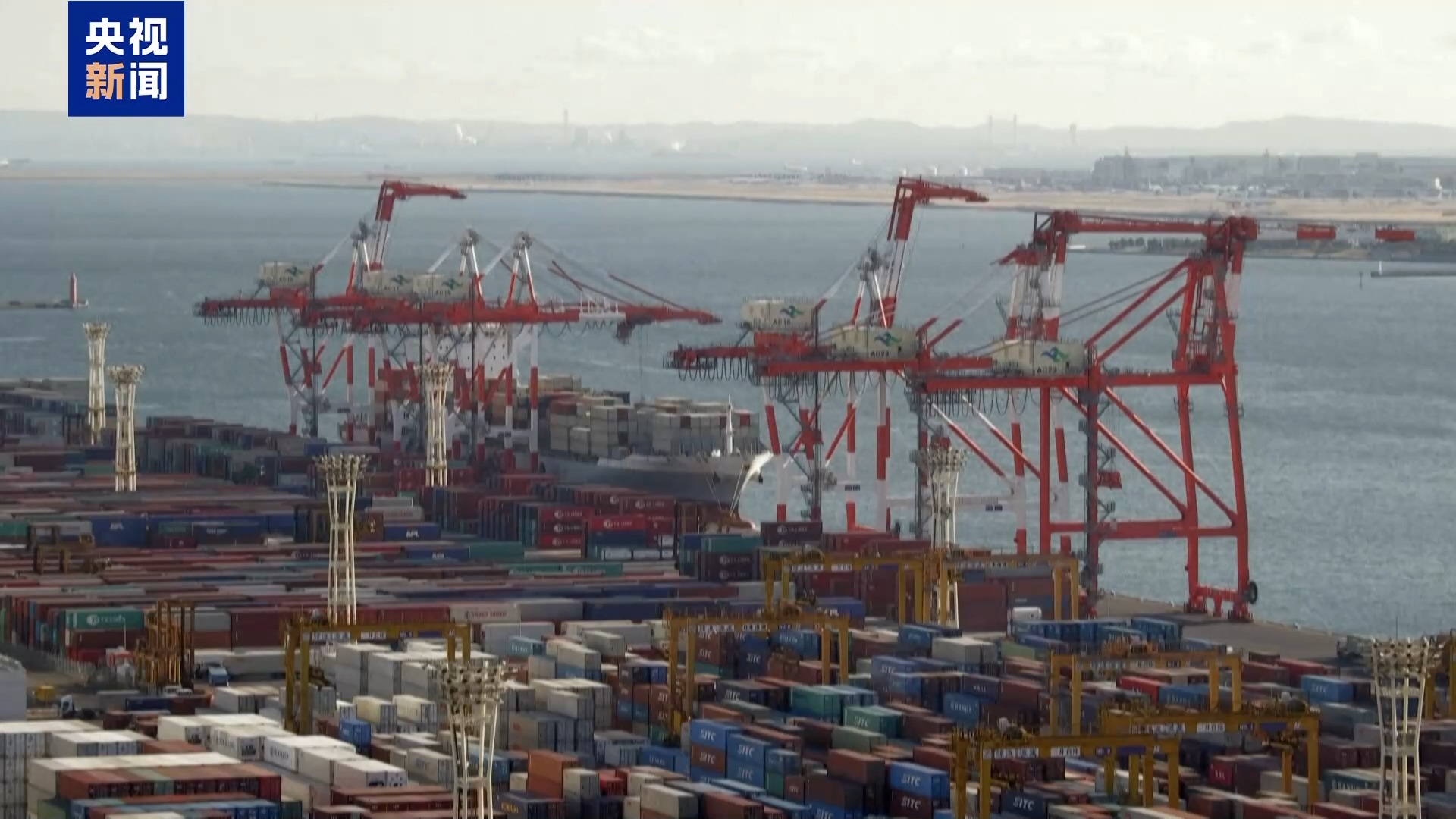
Group 1 - Recent remarks by Japanese Prime Minister Sanae Takaichi regarding Taiwan have damaged the political foundation of Japan-China relations, severely worsening the atmosphere for personnel exchanges between the two countries [1][3] - Japan's economy is facing a crisis across various industries due to the potential fallout from Takaichi's statements, as highlighted by Japanese economist Hidetoshi Tashiro [1][3] - The tourism sector in Japan, heavily reliant on Chinese visitors, is at risk of significant contraction if the number of Chinese tourists declines sharply, which could lead to a broader economic impact on related industries such as dining, retail, and education [3][5] Group 2 - In 2024, the total trade volume between Japan and China is projected to reach $308.3 billion, with Japan exporting $152.01 billion and importing $156.25 billion from China, underscoring the importance of stable relations for economic health [3] - Tashiro warns that a deterioration in Japan-China relations could lead to a drastic reduction in Chinese tourists, which would pose an existential threat to Japan's tourism, dining, retail, and educational sectors, particularly universities [5]
视频丨日本学者:高市错误言论给日本各行业带来危机
Yang Shi Xin Wen Ke Hu Duan· 2025-12-03 06:23
Group 1 - Recent remarks by Japanese Prime Minister Sanae Takaichi regarding Taiwan have damaged the political foundation of Japan-China relations, severely worsening the atmosphere for personnel exchanges between the two countries [1] - Japanese economist Hidetoshi Tashiro indicated that Takaichi's comments could lead to a crisis across various sectors in Japan [1][3] - China is Japan's largest trading partner, with a projected total trade volume of $308.3 billion in 2024, including exports from China worth $152.01 billion and imports to China worth $156.25 billion [3] Group 2 - The tourism industry in Japan heavily relies on Chinese tourists, and a significant decline in their numbers could lead to a contraction in related sectors [4] - Hidetoshi Tashiro warned that if Japan-China relations deteriorate, a reduction or complete halt of Chinese tourists could place Japan's tourism, dining, retail, and even education sectors, particularly universities, in a "survival crisis" [6] - The potential consequences of such a situation, triggered by the Prime Minister's remarks, would represent a significant tragedy for Japan [6]
一句话,重创日本经济!
Jin Tou Wang· 2025-11-24 10:35
Economic Impact - Japan's economy is facing significant challenges, with the Nikkei 225 index dropping over 4,000 points since November, a decline of more than 7% [1] - The tourism sector, a crucial pillar of Japan's economy, has been severely impacted, with 500,000 travel tickets canceled following travel warnings issued to Chinese tourists [2] - The reliance on Chinese tourists is highlighted, as they accounted for 30% of inbound visitors pre-pandemic, with a consumption share of 36.8% in 2019 [2][3] Financial Market Reactions - The Japanese yen has reached a 10-month low against the US dollar, trading at over 156 yen per dollar [2] - The bond market is experiencing turmoil reminiscent of the 2008 financial crisis, with 10-year government bond yields surpassing 1.8%, the highest since 2007 [1] Dependency on China - Over 1,400 products in Japan have more than half of their supply sourced from China, indicating a dependency level twice that of the US and six times that of Germany [4] - Despite government efforts to subsidize companies to reduce risk, there has been a lack of response, as alternatives like Vietnam do not match China's efficiency and quality [4] Education Sector Challenges - Chinese students represent a significant portion of Japan's international student population, with 123,000 expected in 2024, making up 36.7% of total international students [5] - The potential decline in Chinese students poses a survival threat to Japanese language schools and universities, as they struggle to find alternative sources of students [5] Seafood Export Issues - Japan's seafood exports to China have been halted, leading to a significant loss of revenue, with exports to China amounting to approximately 4 billion yuan in the first half of the year [5] Economic Policy Concerns - The Japanese government has introduced a massive economic stimulus plan worth 21.3 trillion yen, raising concerns about the reliance on debt to fund this initiative [6] - Japan's debt-to-GDP ratio exceeds 260%, the highest among major economies, causing investor anxiety and contributing to capital flight from Japan [6] Public Sentiment and Protests - Public dissatisfaction is growing, with a recent poll showing nearly equal support for and against Prime Minister Kishi's controversial statements regarding Taiwan [7] - Protests have emerged, with citizens demanding the retraction of statements that could harm Japan-China relations and calling for adherence to peace principles [7]
重磅文件深入推进深圳综合改革试点 改革尖兵在新时代的又一次“探路”
Zhong Guo Qing Nian Bao· 2025-06-13 00:54
Core Viewpoint - The release of the "Opinions on Deepening Reform and Expanding Opening Up in Shenzhen" marks a significant step in supporting Shenzhen's role as a pilot area for socialism with Chinese characteristics, emphasizing the need for comprehensive reforms and innovation to enhance its economic system and influence nationwide [1][2]. Group 1: Reform Initiatives - The new "Opinions" serve as an upgraded version of the 2020 implementation plan, aiming to introduce additional reform measures and innovative trials, focusing on high-level goals [2][3]. - Key areas of focus include the integration of education, technology, and talent reforms, as well as enhancing the financial and data sectors to support high-quality economic development [2][3]. - Shenzhen's R&D investment exceeded 220 billion yuan in 2023, accounting for 6.46% of its GDP, with over 90% of this investment coming from enterprises [3]. Group 2: Support from Guangdong Province - Guangdong Province is committed to supporting Shenzhen's innovation and reform efforts, with specific measures outlined for optimizing technology collaboration and enhancing the operational framework of national laboratories [4][7]. - Since 2021, Guangdong has delegated 117 provincial administrative powers to Shenzhen, with plans to further empower the city in economic and social management [7]. Group 3: Opening Up Initiatives - Shenzhen's foreign trade is projected to reach 4.5 trillion yuan in 2024, reflecting a 16.4% year-on-year increase, positioning it as a leading city in national trade [5]. - The "Opinions" outline measures to optimize trade, enhance service trade, and improve personnel mobility mechanisms to facilitate higher levels of openness [5][6]. - Specific pilot projects will be implemented in the Qianhai and He Tao cooperation zones to test new international shipping and industry management systems [6].