对等谈判

Search documents
欧洲集体施压中国,德法力挺荷兰,谈判关键条件曝光
Sou Hu Cai Jing· 2025-11-02 02:19
Core Points - The article discusses the escalating tensions between Europe and China, particularly focusing on the Netherlands' takeover of ASML and the subsequent reactions from Germany and France, highlighting the urgency for negotiations and the complexities involved [1][3][9] Group 1: Events Timeline - On September 29, 2025, the U.S. placed Wingtech Technology on the export control entity list, prompting the Netherlands to take control of ASML the next day, citing "economic security" [3] - On September 30, the Netherlands announced the custody of 99% of ASML's shares and dismissed Chinese executives, claiming governance issues [3] - By mid-October, German automotive manufacturers faced significant disruptions, with Volkswagen reducing production due to shortages of electric motor modules [3][5] Group 2: Export Controls and Responses - On October 9, China's Ministry of Commerce announced export regulations on specific rare earth elements, further escalating tensions [5] - Germany and France expressed support for the Netherlands at an EU summit while urgently seeking negotiations with China, indicating a desire to resolve semiconductor and rare earth issues [5][9] - China stated that discussions on rare earth and high-tech exports could occur but required reciprocal easing of high-tech export approvals from the EU [7][9] Group 3: Supply Chain Impact - The takeover of ASML has led to significant supply chain disruptions in Europe, particularly affecting companies reliant on Chinese packaging and assembly [7][10] - European industries, especially in the electric vehicle sector, are heavily dependent on rare earth elements, with China controlling over 80% of global supply, leading to stockpiling and delivery issues [7][10] - The ongoing negotiations and the concept of "reciprocity" are critical to resolving the current supply chain crisis, with both sides facing pressure to reach an agreement [10]


中国用稀土实现与美国对等谈判
3 6 Ke· 2025-06-12 06:33
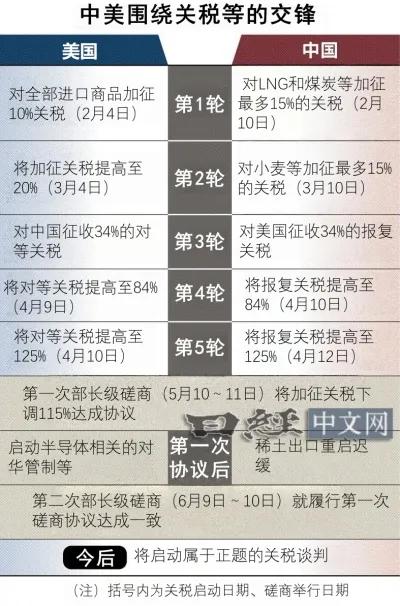
Group 1 - The U.S. is seeking to ease export controls on rare earths in response to China's restrictions, which have raised concerns in the U.S. manufacturing sector [1][5] - The U.S. automotive industry, represented by the Motor & Equipment Manufacturers Association (MEMA), has expressed extreme concern over the impact of rare earth export limitations [2] - China has been limiting exports of critical minerals like graphite and tungsten, which may continue in the future [5] Group 2 - The negotiations between the U.S. and China are focused on reciprocal agreements, with the U.S. making concessions primarily in the form of reduced tariffs [8] - China's trust in the U.S. has diminished, leading to a strategic shift in its approach to trade negotiations, as evidenced by a significant reduction in U.S. agricultural imports [9][10] - The ongoing trade tensions and tariffs are expected to impact both the Chinese economy and global economic conditions, particularly as the U.S. approaches its holiday shopping season [10]
中国用稀土实现与美国对等谈判
日经中文网· 2025-06-12 03:05
Group 1 - The core issue revolves around the export controls on rare earths and magnets, with the U.S. indicating a willingness to ease its restrictions if China issues export licenses [1][4] - China has implemented strong export controls on seven types of rare earths since April, significantly impacting U.S. manufacturing and defense sectors, as it holds over 90% of the refining process [3][4] - The U.S. industry is expressing significant concern, with the American Automotive Suppliers Association (MEMA) voicing "extreme worry," and Ford halting factory operations due to these restrictions [4] Group 2 - The details of the agreement between the U.S. and China have not been disclosed, but it is believed that commercial rare earths will be a primary focus for easing restrictions [5] - China has been limiting exports of critical minerals like graphite and tungsten, and it is expected that these restrictions may continue [6] - The U.S. appears to be promising to relax some semiconductor-related export controls that were tightened during the Biden administration [7][8] Group 3 - The Chinese leadership is emphasizing the importance of reciprocal agreements in negotiations with the U.S., reflecting dissatisfaction with previous agreements made during the Trump administration [9] - There is an increasing sense of distrust towards the U.S. from China, which has been reducing its reliance on U.S. agricultural imports since the first Trump administration [10][11] - In May, China's exports to the U.S. decreased by approximately 30%, a result of a conscious effort over the past decade to reduce dependency on U.S. goods [11] Group 4 - The U.S. has imposed a 20% tariff on Chinese goods under the pretext of combating illegal fentanyl, with additional tariffs frozen until mid-August [12] - The ongoing tariffs could negatively impact Chinese export enterprises, especially in the context of a struggling real estate market and insufficient domestic demand [12] - A decline in exports may exert downward pressure on the Chinese economy, potentially exacerbating economic slowdown and affecting global economic conditions [12]