
小而美文旅业态

Search documents
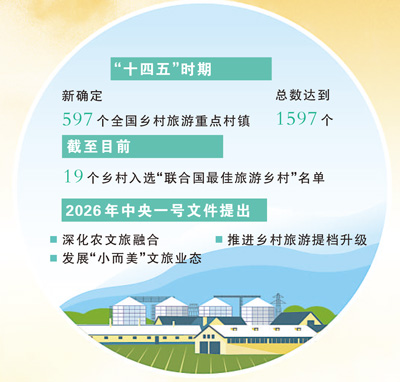
“小而美”文旅业态更有“留量”
Ren Min Wang· 2026-02-27 10:42
Core Viewpoint - The article emphasizes the emerging trend of rural tourism during the Spring Festival, highlighting the integration of traditional and modern elements in rural areas, which enhances the appeal and experience for visitors [1][2]. Group 1: Development of Rural Tourism - Rural tourism is experiencing a transformation with a focus on "small and beautiful" cultural tourism models, which aim to enhance the unique value of rural areas while avoiding resource wastage [1][2]. - The "small and beautiful" approach promotes lightweight, boutique, and distinctive offerings, aligning with industry development trends and consumer preferences in cultural tourism [1][2]. Group 2: Consumer Demand and Experience - There is a shift in consumer demand from superficial experiences to immersive and meaningful engagements, with rural landscapes and lifestyles meeting these evolving expectations [2]. - The focus on optimizing supply by concentrating resources on regional characteristics, enhancing visitor experiences, and increasing cultural depth is crucial for creating new demand [2]. Group 3: Integration of Agriculture and Tourism - The integration of agricultural elements into tourism, such as utilizing idle farmhouses and creating new business models like "rooftop cafes," demonstrates the potential of small-scale rural resources [2]. - Innovative practices in rural areas, such as the development of rice field cafes and community gathering spaces, illustrate the successful fusion of primary, secondary, and tertiary industries [2]. Group 4: Empowerment of Farmers - The "small and beautiful" tourism models provide more opportunities for farmers to engage in industry development, leading to increased participation in operations, services, and management [3]. - The rise of new business ventures by young entrepreneurs returning to rural areas contributes to broader income channels for farmers, enhancing the vitality and prospects of rural communities [3]. Group 5: Sustainable Development - The article concludes that meticulous cultivation and nurturing of "small and beautiful" tourism models can lead to prosperous communities, benefiting both villagers and the aesthetic appeal of rural areas [5].

“小而美”受游客青睐
Xin Lang Cai Jing· 2026-02-23 16:32
Core Insights - The 2026 Spring Festival in Chongqing will feature over 1,300 cultural tourism activities under the theme "Celebrate the New Year Together," focusing on small yet exquisite events that highlight local culture and heritage [1] - The central government's policy encourages the development of "small and beautiful" cultural tourism formats, aligning with tourists' desires for unique, fresh, and leisurely experiences [1] Group 1 - Chongqing has effectively utilized ancient towns, old streets, and parks to innovate consumption scenarios, resulting in a diverse range of cultural tourism experiences that have received positive feedback [1] - The "Ancient Charm + Trendy Play" model in Longxing Ancient Town has led to a daily visitor count exceeding 3,000 during the Spring Festival, marking over a 10% increase compared to the previous year [2] - Local businesses, such as food vendors, have reported significant income during the festival, indicating that small-scale activities can generate substantial economic benefits [2] Group 2 - Fuling Meixin Red Wine Town has upgraded its cultural experiences to interactive formats, allowing visitors to engage in traditional activities like dragon and lion dances, enhancing their connection to local culture [2]
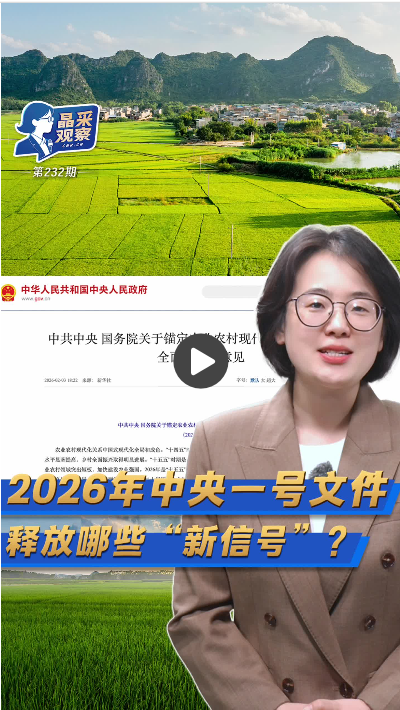
晶采观察丨连续14年指导“三农” 中央一号文件 释放“十五五”开局之年哪些“新信号”?
Yang Guang Wang· 2026-02-07 07:40
Group 1 - The core viewpoint of the article emphasizes the release of the Central Document No. 1, which outlines key strategies for agricultural modernization and rural revitalization in China, marking the 14th consecutive document focused on "agriculture, rural areas, and farmers" since the 18th National Congress [1] Group 2 - The first key point is the implementation of normalized precise assistance, which is a systematic deployment for the first time in the Central Document. It includes four specific directions: improving the policy system for assistance, enhancing the precision and timeliness of monitoring, increasing the effectiveness of industry and employment support, and providing tiered assistance to underdeveloped areas [3] - The second key point focuses on the new quality of agricultural productivity, with the document emphasizing the integration of technology into rural production. It highlights the importance of artificial intelligence, drones, and robotics in modernizing agriculture, with China leading in agricultural drone ownership, having over 300,000 units out of a global total of approximately 500,000 [5][6] - The third key point centers on enhancing rural aesthetics and increasing farmers' income through the development of rural tourism. The document advocates for the growth of "small and beautiful" tourism models that leverage local agricultural culture and customs, allowing farmers to increase their income while preserving the unique characteristics of their villages [8][9]
连续14年指导“三农” 中央一号文件 释放“十五五”开局之年哪些“新信号”?
Yang Guang Wang· 2026-02-07 07:13
Group 1 - The core viewpoint of the article is the release of the Central Document No. 1 by the Central Committee of the Communist Party of China and the State Council, which outlines key strategies for agricultural modernization and rural revitalization in 2026, marking the 14th consecutive document focused on "agriculture, rural areas, and farmers" since the 18th National Congress [1] Group 2 - The first key point is the implementation of normalized precise assistance, which is a systematic deployment for the first time in the Central Document. It includes four specific directions: improving the policy system for normalized assistance, enhancing the precision and timeliness of monitoring assistance, increasing the effectiveness of industrial and employment support, and providing tiered and categorized assistance to underdeveloped areas. This aims to consolidate and expand the achievements of poverty alleviation and ensure sustainable results through targeted measures [2] - The second key point focuses on the new quality of agricultural productivity, emphasizing the goal of agricultural modernization. The document highlights the integration of technology in rural production, mentioning the inclusion of electric vehicles, smart home appliances, and robots. It stresses the importance of practical applications of artificial intelligence, drones, and the Internet of Things in agriculture, with China being the largest owner of agricultural drones globally, exceeding 300,000 units [4][6] - The third key point addresses the enhancement of rural aesthetics and farmers' income, particularly through the development of rural tourism. The document advocates for the development of "small and beautiful" tourism models that leverage local agricultural culture and customs, allowing farmers to increase their income through unique tourism experiences. This approach aims to preserve the original ecological and traditional aspects of rural areas while providing sustainable income opportunities for farmers [8][9]
吴志才:以“小而美”突围,走出农文旅融合新路径|专家解读一号文件④
Nan Fang Nong Cun Bao· 2026-02-04 12:06
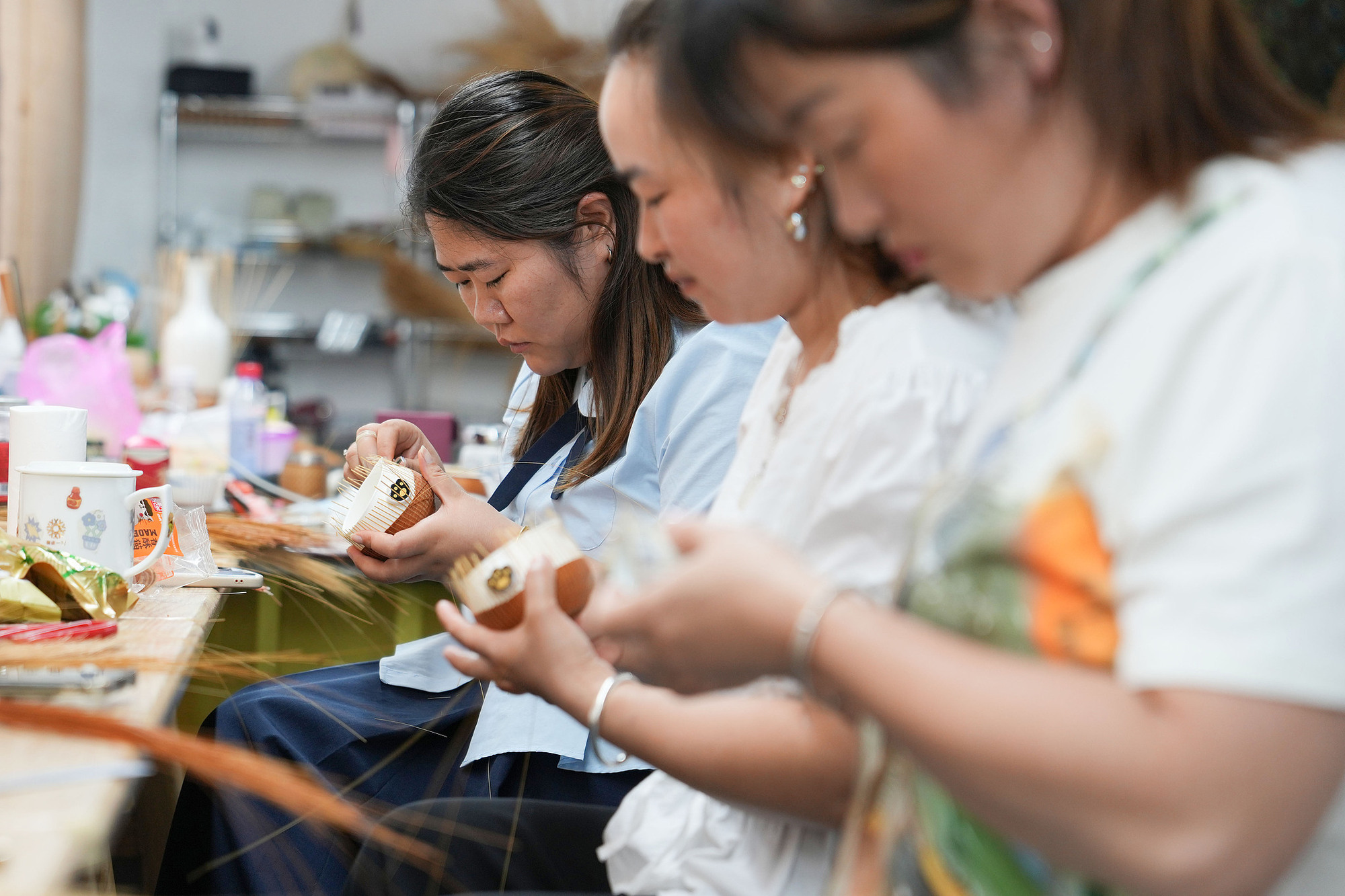
Core Viewpoint - The 2026 Central Document No. 1 introduces the concept of "small and beautiful" cultural tourism, emphasizing the integration of agriculture, culture, and tourism to enhance rural tourism and consumer experiences [2][16]. Group 1: Industry Transformation - The document signals a shift in rural cultural tourism from a focus on scale and investment to an emphasis on quality, experience, and operation [4][17]. - "Small and beautiful" cultural tourism is seen as a key strategy to address issues of homogenization and low-end development in rural tourism [10][11]. - The approach aims to enhance visitor experiences through quality and differentiation, moving away from low-level competition [19][20]. Group 2: Implementation Strategies - Key strategies for promoting rural tourism upgrades include local cultural excavation, scene creation, and professional operation [24][68]. - Successful examples from Guangdong, such as the "East Slope Sixteen Joys" tourism station, illustrate how local culture can be transformed into tangible experiences [25][28]. - The development of "small and beautiful" tourism models is supported by community participation and innovative operational strategies [21][22]. Group 3: Market Potential - Guangdong's cultural tourism and consumption potential are significant, driven by the strong consumer capacity of the Guangdong-Hong Kong-Macao Greater Bay Area [51]. - The region's diverse cultural heritage provides rich experiential opportunities, enhancing the attractiveness of rural tourism [52]. - The integration of manufacturing and creative talents from the Pearl River Delta supports the development of rural consumption scenarios [53][54]. Group 4: Future Trends - The future of rural cultural tourism in Guangdong is expected to feature a dual consumption cycle between urban and rural areas, transforming rural spaces into second living areas for urban residents [74][75]. - There will be a reconfiguration of rural cultural recognition, shifting from agricultural output to cultural value dissemination through digital platforms [76][77]. - The ongoing integration of agriculture and culture is anticipated to bring profound changes to rural industry forms and development methods [70][71].
