
居民消费结构升级

Search documents
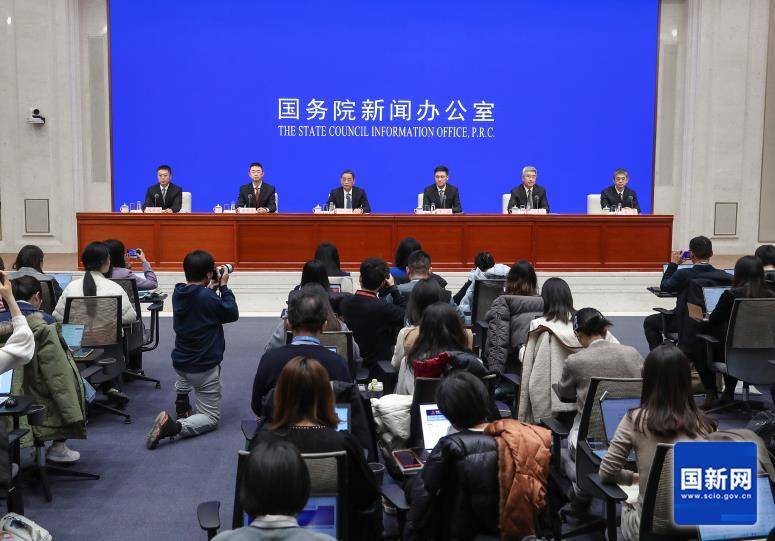
央行:去年12月CPI同比上涨0.8%,已回升到2023年3月以来最高水平,其中旅游一项2023年以来累计上涨14.4%
Sou Hu Cai Jing· 2026-01-15 09:44
Core Viewpoint - The People's Bank of China (PBOC) has reported positive changes in domestic price levels, indicating a recovery in consumer prices and a narrowing decline in producer prices, which supports the high-quality development of the real economy [1][3]. Group 1: Consumer Price Index (CPI) Trends - As of December 2025, the CPI has increased by 0.8% year-on-year, reaching the highest level since March 2023 [1]. - The core CPI, excluding food and energy, has risen by 1.2% year-on-year, maintaining a growth rate above 1% for four consecutive months [1]. - The Producer Price Index (PPI) has seen a reduction in its year-on-year decline by 1.7 percentage points compared to the low point in July, with a month-on-month increase for three consecutive months [1]. Group 2: Price Changes in Specific Categories - Significant declines have been observed in food and transportation categories, with pork prices dropping by 30% and transportation tool prices decreasing by 11.7% since the beginning of 2023 [3]. - Conversely, prices in education, culture, and entertainment have increased by 3.6%, with tourism prices surging by 14.4%, indicating an ongoing optimization and upgrading of consumer spending structures [3]. Group 3: Macroeconomic Policies and Market Confidence - The synergistic effect of macroeconomic policies is strengthening, with advancements in the domestic unified market and the development of new economic drivers, which are expected to enhance supply-demand matching and boost market confidence [3]. - The PBOC has maintained a supportive monetary policy stance, ensuring ample liquidity and a significant growth in financial totals that outpace nominal GDP growth [3]. - Moving forward, the PBOC aims to implement a moderately accommodative monetary policy to foster stable economic growth and reasonable price recovery, aligning with the central economic work conference's directives [3].

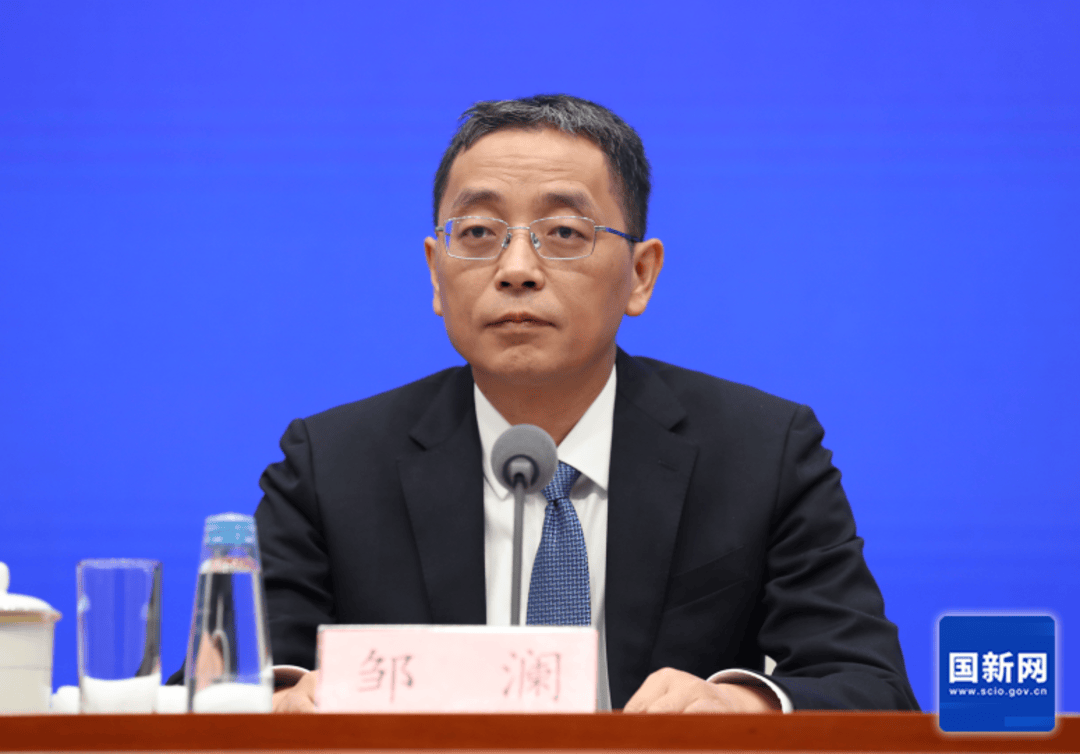
央行副行长邹澜:近期物价水平已出现积极变化
Sou Hu Cai Jing· 2026-01-15 09:28
Group 1 - The core viewpoint of the article highlights the positive changes in China's price levels, indicating a recovery in the Consumer Price Index (CPI) and a narrowing decline in the Producer Price Index (PPI) [1][3] - As of December 2025, the CPI increased by 0.8% year-on-year, reaching the highest level since March 2023, while the core CPI, excluding food and energy, rose by 1.2% [3] - The PPI's year-on-year decline has narrowed by 1.7 percentage points from its low in July, with a continuous month-on-month increase for three consecutive months [3] Group 2 - The article notes significant price declines in certain categories, such as a 30% drop in pork prices and an 11.7% decrease in transportation prices, attributed to cyclical factors and market supply-demand dynamics [3] - Conversely, prices in education, culture, and entertainment rose by 3.6%, with tourism prices increasing by 14.4%, indicating an ongoing optimization of consumer spending patterns in China [3] - The People's Bank of China (PBOC) emphasizes the importance of maintaining a supportive monetary policy stance to foster economic stability and reasonable price recovery, aiming to create a conducive monetary environment for price increases [4]
“十四五”前四年,我国居民人均可支配收入与GDP增长同步
Xin Jing Bao· 2025-09-28 12:24
Core Insights - The report from the National Bureau of Statistics indicates that from 2021 to 2024, the per capita disposable income of residents in China has grown at an average annual rate of 5.5%, in line with GDP growth [1] - In 2024, the per capita disposable income is projected to be 41,314 yuan, an increase of 9,125 yuan compared to 2020 [1] - The per capita disposable income for urban and rural residents in 2024 is expected to be 54,188 yuan and 23,119 yuan, respectively, with annual growth rates of 4.5% and 6.9% [1] Income Composition - The composition of the per capita disposable income includes wage income (56.5%), operating net income (16.7%), property net income (8.3%), and transfer net income (18.5%) [1] Consumption Trends - In 2024, the per capita consumption expenditure is expected to reach 28,227 yuan, an increase of 7,017 yuan from 2020, with an average annual real growth rate of 6.5% from 2021 to 2024 [1] - The Engel coefficient for residents has decreased from 30.2% in 2020 to 29.8% in 2024, indicating an optimization and upgrading of consumption structure [1] Sector Growth - Expenditures on development-oriented consumption, such as education, culture, entertainment, transportation, communication, and healthcare, are projected to grow at an average annual rate of 10.0% from 2021 to 2024 [1] - Service consumption expenditures are expected to grow at an average annual rate of 9.5%, outpacing the growth of goods consumption by 3.8 percentage points [1] Income Disparity - In 2024, the actual growth rate of per capita disposable income for rural residents is expected to exceed that of urban residents by 2.4 percentage points, with the urban-rural income ratio at 2.34, a decrease of 0.22 from 2020 [2] - The income ratio between residents in the eastern and western regions is projected to be 1.59, down 0.03 from 2020, indicating a gradual narrowing of income disparities [2]