宏观政策协同效应

Search documents
宏观政策协同效应增强 经济回升向好有坚实基础
Zhong Guo Jing Ji Wang· 2026-02-14 05:02
Group 1 - The manufacturing production and business activity expectation index is at 52.6, while the non-manufacturing business activity expectation index is at 56.0, both indicating expansion [1] - The implementation of the trade-in policy and the early disbursement of special government bond funds are contributing to increased business confidence [1] - Mobile payment consumption is showing strong growth, with transaction volume for goods increasing by 16.8% year-on-year and service consumption transactions growing by 8.6% [1] Group 2 - The recent improvement in macroeconomic conditions is attributed to the effective integration of existing and new policies, including 500 billion yuan in new policy financial tools and another 500 billion yuan for local government debt management [2] - The implementation of a coordinated fiscal and financial policy to boost domestic demand has been largely executed, supported by a moderately loose monetary policy [2] - The collaborative effect of macroeconomic policies is providing a solid foundation for economic recovery [2]
推动物价合理回升,多部门明确政策思路
第一财经· 2026-01-25 14:39
Core Viewpoint - The article emphasizes the importance of price stability as a signal of economic health and a key factor in boosting confidence among microeconomic entities. It outlines the government's commitment to promoting a reasonable recovery in prices through various policy measures [3][4]. Policy Measures - The National Development and Reform Commission (NDRC) plans to implement a series of measures from three aspects: total policy, structural policy, and reform policy, to promote a moderate recovery in prices [3][10]. - The People's Bank of China (PBOC) has identified the promotion of stable economic growth and reasonable price recovery as key considerations in monetary policy, continuing to implement a moderately loose monetary policy [3][12]. Price Trends - In 2025, the Consumer Price Index (CPI) showed signs of improvement, with a year-on-year increase of 0.8% in December, the highest since March 2023. The core CPI, excluding food and energy, has also been rising, maintaining a year-on-year increase of over 1% for four consecutive months [6][7]. - Structural characteristics of the CPI in 2025 included a significant impact from declining food and energy prices, with food prices down 1.5% and energy prices down 3.3%, contributing to a decrease in CPI by approximately 0.27 and 0.25 percentage points, respectively [7][8]. Economic Context - The article discusses the complex macroeconomic environment affecting price levels, including traditional growth drivers slowing down and external pressures on domestic price adjustments. These factors are viewed as temporary [6][10]. - The government aims to enhance consumer demand through coordinated fiscal and financial policies, which are expected to stabilize prices and support economic recovery [7][11]. Legislative Changes - The NDRC has proposed amendments to the Price Law, marking the first revision in 27 years, which includes provisions related to anti-competitive pricing practices and digital economy regulations. This aims to strengthen market regulation and promote fair competition [11][12]. Future Outlook - Analysts predict that the CPI will see a year-on-year increase of around 0.4% in 2026, indicating a continued low inflation environment. The Producer Price Index (PPI) is expected to face downward pressure, with an anticipated cumulative year-on-year decrease of about -1.0% for the year [15].

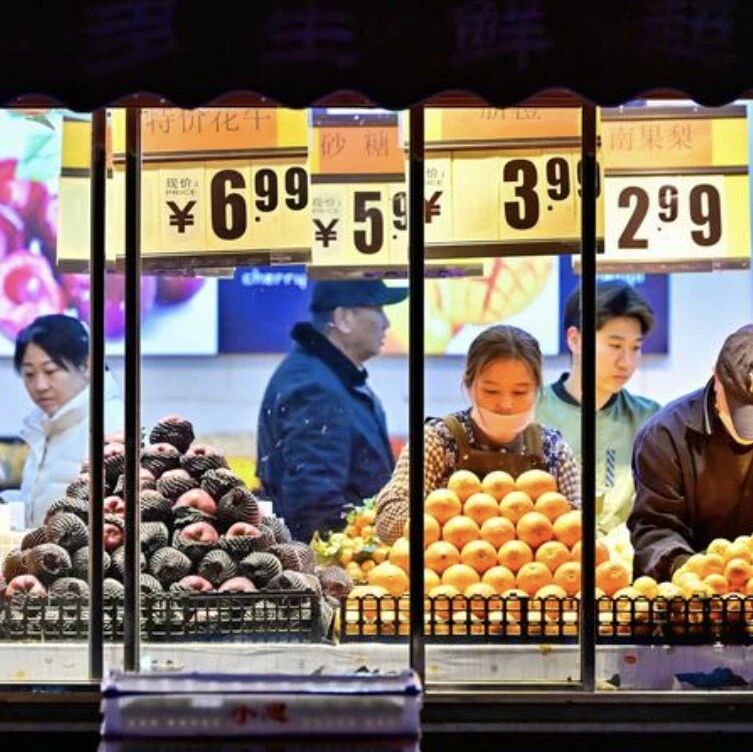
央行:去年12月CPI同比上涨0.8%,已回升到2023年3月以来最高水平,其中旅游一项2023年以来累计上涨14.4%
Sou Hu Cai Jing· 2026-01-15 09:44
Core Viewpoint - The People's Bank of China (PBOC) has reported positive changes in domestic price levels, indicating a recovery in consumer prices and a narrowing decline in producer prices, which supports the high-quality development of the real economy [1][3]. Group 1: Consumer Price Index (CPI) Trends - As of December 2025, the CPI has increased by 0.8% year-on-year, reaching the highest level since March 2023 [1]. - The core CPI, excluding food and energy, has risen by 1.2% year-on-year, maintaining a growth rate above 1% for four consecutive months [1]. - The Producer Price Index (PPI) has seen a reduction in its year-on-year decline by 1.7 percentage points compared to the low point in July, with a month-on-month increase for three consecutive months [1]. Group 2: Price Changes in Specific Categories - Significant declines have been observed in food and transportation categories, with pork prices dropping by 30% and transportation tool prices decreasing by 11.7% since the beginning of 2023 [3]. - Conversely, prices in education, culture, and entertainment have increased by 3.6%, with tourism prices surging by 14.4%, indicating an ongoing optimization and upgrading of consumer spending structures [3]. Group 3: Macroeconomic Policies and Market Confidence - The synergistic effect of macroeconomic policies is strengthening, with advancements in the domestic unified market and the development of new economic drivers, which are expected to enhance supply-demand matching and boost market confidence [3]. - The PBOC has maintained a supportive monetary policy stance, ensuring ample liquidity and a significant growth in financial totals that outpace nominal GDP growth [3]. - Moving forward, the PBOC aims to implement a moderately accommodative monetary policy to foster stable economic growth and reasonable price recovery, aligning with the central economic work conference's directives [3].
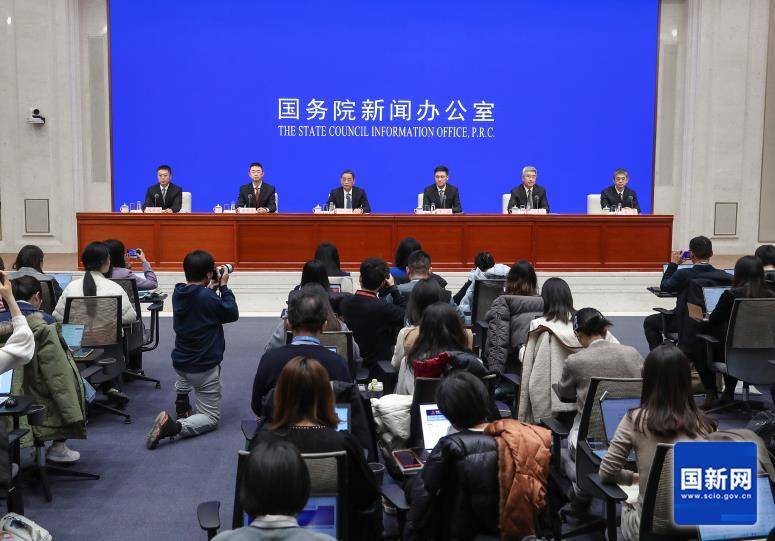
央行副行长邹澜:近期物价水平已出现积极变化
Sou Hu Cai Jing· 2026-01-15 09:28
Group 1 - The core viewpoint of the article highlights the positive changes in China's price levels, indicating a recovery in the Consumer Price Index (CPI) and a narrowing decline in the Producer Price Index (PPI) [1][3] - As of December 2025, the CPI increased by 0.8% year-on-year, reaching the highest level since March 2023, while the core CPI, excluding food and energy, rose by 1.2% [3] - The PPI's year-on-year decline has narrowed by 1.7 percentage points from its low in July, with a continuous month-on-month increase for three consecutive months [3] Group 2 - The article notes significant price declines in certain categories, such as a 30% drop in pork prices and an 11.7% decrease in transportation prices, attributed to cyclical factors and market supply-demand dynamics [3] - Conversely, prices in education, culture, and entertainment rose by 3.6%, with tourism prices increasing by 14.4%, indicating an ongoing optimization of consumer spending patterns in China [3] - The People's Bank of China (PBOC) emphasizes the importance of maintaining a supportive monetary policy stance to foster economic stability and reasonable price recovery, aiming to create a conducive monetary environment for price increases [4]
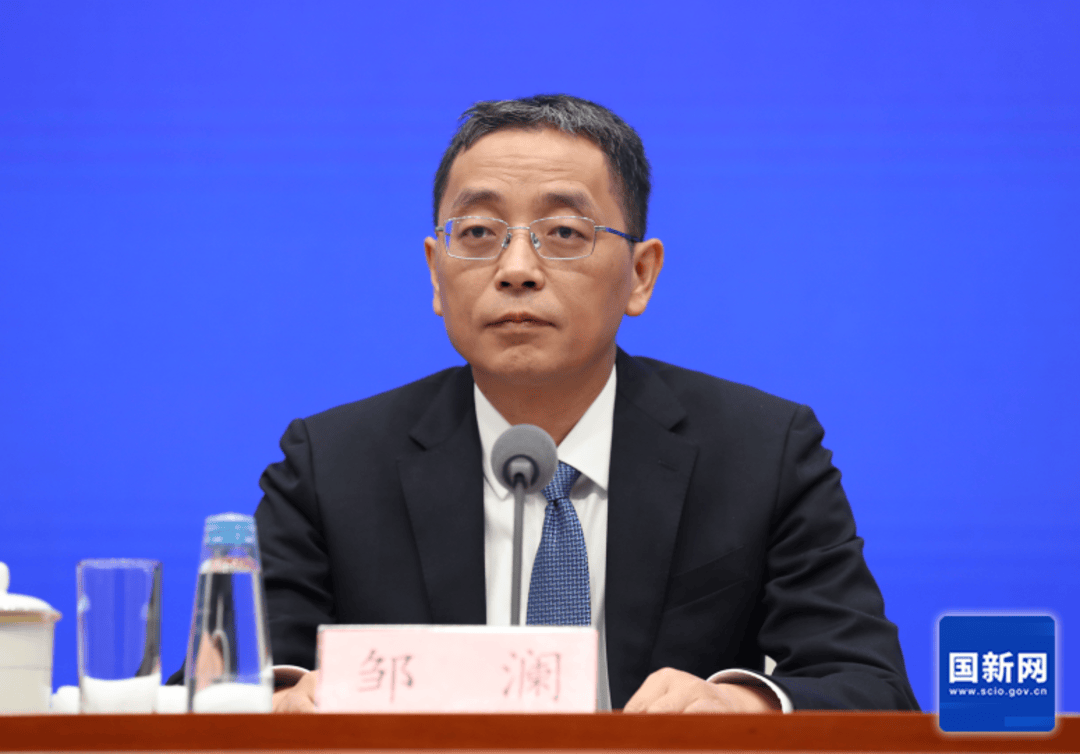
深入学习贯彻中央经济工作会议精神,奋力开创“十五五”发展新局
Sou Hu Cai Jing· 2025-12-18 00:08
Group 1 - The core viewpoint of the articles emphasizes the importance of maintaining strategic determination and confidence in the face of complex economic challenges, highlighting the need for a unified approach to economic work under the leadership of the central government [3][5][8] - The National Bureau of Statistics reported a year-on-year increase of 6.0% in industrial added value from January to November, indicating a stable economic performance [2] - The articles stress the significance of long-term structural changes over short-term data fluctuations, with a focus on high-quality development and the transition to an innovation-driven and green economy [4][6] Group 2 - The articles outline the necessity of recognizing and addressing current difficulties and challenges while maintaining a positive outlook on the potential for economic growth [5][6] - There is a call for a comprehensive understanding of economic work, emphasizing the need for collaboration between policy support and reform innovation to achieve sustainable development [7][9] - The importance of enhancing the macro policy consistency and effectiveness is highlighted, with a focus on creating a synergistic effect among various economic policies [9][10] Group 3 - The articles advocate for strengthening the party's leadership in economic work, which is seen as essential for navigating risks and challenges effectively [8][19] - There is a strong emphasis on creating a favorable environment for development, including political, talent, business, and public opinion environments, to boost market confidence and social vitality [15][16][18] - The need for a correct performance evaluation system that aligns with the principles of high-quality development is discussed, focusing on the importance of practical results over superficial achievements [12][14]