
岛内自由

Search documents
海南封关圈粉全球,老外都在激动些啥?
Sou Hu Cai Jing· 2025-12-27 08:46
Core Insights - The core viewpoint of the articles highlights the competitive economic and trade policy benefits following Hainan's customs closure, particularly the "zero tariff" list that significantly reduces import costs for foreign enterprises [2][3] Group 1: Economic Policies - Hainan's customs closure is centered around the framework of "one line open, two lines controlled, and free within the island," which has led to a qualitative leap in the "zero tariff" list, increasing the number of duty-free product categories from 21% to 74%, covering over 6,600 product categories [2] - This policy allows foreign enterprises to import core production materials without tariffs, substantially lowering initial investment and operational costs [2] Group 2: Industry Opportunities - The "zero tariff" policy is seen as a gateway for Malaysian companies to enter the Chinese mainland market, facilitating a full-chain layout of reprocessing, branding, and distribution [2] - In the medical sector, the Boao Lecheng International Medical Tourism Pilot Zone is expected to accelerate the gathering of global medical innovation results, attracting more international companies and top experts [2][3] Group 3: Tourism and Digital Economy - The closure is anticipated to expand the customer base in the tourism sector, with policies like visa facilitation and the entry of "zero tariff" goods expected to attract more high-end tourists from Europe and the Middle East, enhancing Hainan's competitiveness as an international vacation destination [3] - Hainan is becoming a bridgehead for global digital service companies entering the Chinese market, with foreign investments allowed to engage in 38 types of cross-border service businesses [3] Group 4: Entrepreneurial Environment - Hainan's implementation of the shortest negative list for foreign investment and the "non-prohibited means entry" commitment addresses the challenges foreign businesses face in operations [3] - The region's favorable environment, including visa-free policies for 85 countries, a supportive language environment, and a 15% personal income tax incentive, is attracting global talent and entrepreneurs [3]

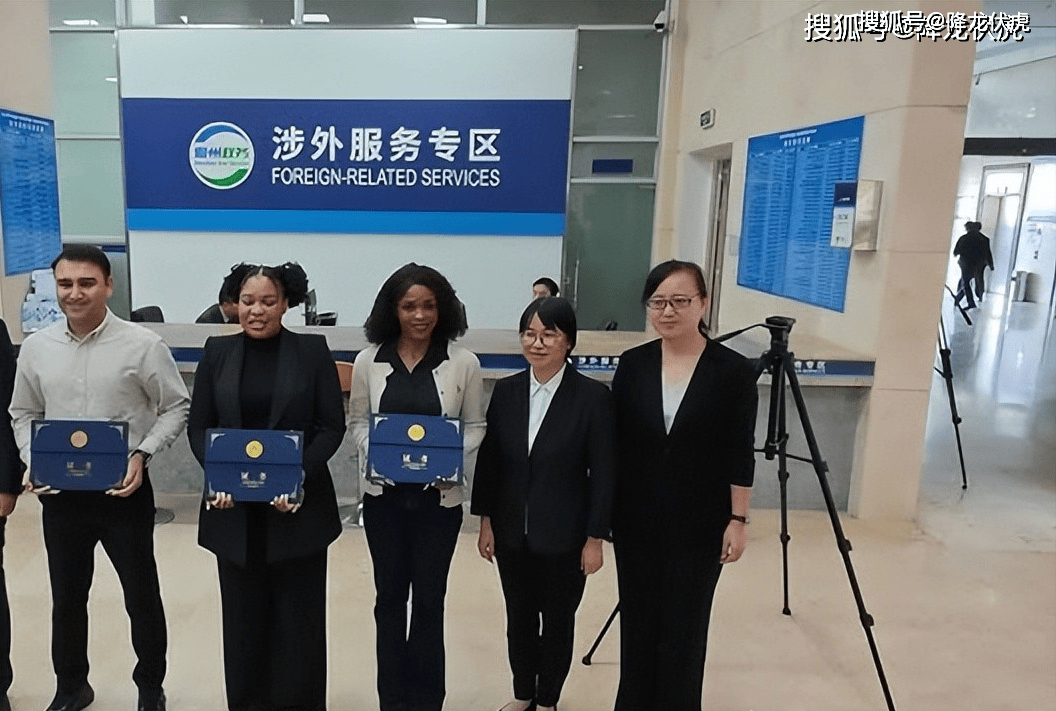
12月18日,海南自由贸易港全岛封关。记者直击——全岛封关第一天
Sou Hu Cai Jing· 2025-12-19 06:11
Core Viewpoint - Hainan Free Trade Port has officially launched its full island customs closure, marking a significant step in China's high-level opening-up strategy, with a focus on facilitating trade and investment while maintaining regulatory oversight [8][9][38]. Group 1: Customs Closure and Operations - The customs closure is defined both physically and institutionally, allowing for a high level of openness while maintaining regulatory control [9]. - The first international passenger flight after the customs closure arrived at Sanya Phoenix International Airport, indicating the start of increased international travel [8][10]. - The number of visa-free countries for entry into Hainan has more than doubled since 2018, with significant increases in individual visa-free travel and business-related entries [11][12][14]. Group 2: Trade Facilitation Measures - The customs process has been significantly streamlined, reducing the number of required declaration items from 105 to 33 for certain goods, which has led to cost savings for businesses [15]. - The range of "zero tariff" goods has expanded from over 1,900 to 6,600 tax items, increasing the proportion of zero-tariff goods from 21% to 74% [15]. - The establishment of the "China Yangpu Port" ship registration policy allows for more favorable conditions for shipping companies, enhancing Hainan's attractiveness for maritime operations [16][17]. Group 3: Port and Inspection Infrastructure - The new "second-line" ports are expected to handle over 80% of Hainan's truck traffic, with significant investments in infrastructure to support efficient customs operations [18][21]. - The first day of customs closure saw successful testing of the new inspection processes, with vehicles passing through in an average of 2 minutes [19]. - The integration of data across various regulatory bodies has improved the efficiency of customs operations, allowing for better coordination and faster processing times [20][21]. Group 4: Economic Impact and Business Opportunities - The launch of customs closure has led to increased business activities, with companies like CRRC International Vehicle Industry (Hainan) completing customs-free maintenance on imported engines, reducing costs by over 15% [27][28][30]. - The new policies have also stimulated consumer spending, with the duty-free shopping limit for residents increasing significantly, leading to a 27.1% year-on-year growth in duty-free sales [34][36]. - The logistics and supply chain processes have been enhanced, with a 60% increase in efficiency for customs clearance of duty-free goods, benefiting both businesses and consumers [37].

人民眼·海南自贸港丨全岛封关第一天
Ren Min Ri Bao· 2025-12-19 05:12
Core Viewpoint - Hainan Free Trade Port has officially launched its full island closure, marking a significant milestone in China's new era of opening up to the outside world, with a focus on high-level international trade facilitation and regulatory innovation [1][3]. Group 1: "One Line" Opening - The "One Line" policy allows for the relaxation of various restrictions and simplification of procedures, aligning with international high-standard trade rules [4][6]. - The number of visa-free countries for entry into Hainan has more than doubled since 2018, with significant increases in individual visa-free entry policies [6][8]. - As of November 30, 2023, the number of inbound foreign visitors to Hainan reached 1.294 million, a year-on-year increase of 44.5%, with a notable rise in business-related entries [8]. Group 2: "Zero Tariff" Policy - The first batch of "zero tariff" petrochemical raw materials arrived at Yangpu Port, valued at nearly 400 million yuan, saving enterprises nearly 10 million yuan in import costs compared to pre-closure [9]. - The range of "zero tariff" goods has expanded from over 1,900 tax items before closure to 6,600 tax items, increasing the proportion from 21% to 74% of all goods [9]. Group 3: "Two Lines" Management - The "Two Lines" management system aims to balance trade facilitation and regulatory oversight, with significant testing and preparation conducted prior to the closure [12][14]. - On the first day of closure, a truck carrying processed goods passed through customs in just 2 minutes, demonstrating the efficiency of the new management system [13][14]. Group 4: Domestic Freedom - Hainan's Free Trade Port is fostering a vibrant business environment, with companies like CRRC International Vehicle Industry (Hainan) Co., Ltd. leading in bonded maintenance services for automotive engines [21][22]. - The implementation of "immediate purchase and pick-up" policies has significantly enhanced consumer experience, allowing local residents to benefit from duty-free shopping [25][29]. - The logistics efficiency for duty-free goods has improved by over 60% due to innovative customs procedures, facilitating faster movement of goods [30].

数据印证海南对全球资本“磁吸力” 解读海南自由贸易港全岛封关“含金量”
Yang Shi Wang· 2025-12-19 02:36
Core Viewpoint - The official launch of the Hainan Free Trade Port's full island closure marks a significant step in China's commitment to high-level opening-up and the construction of an open world economy [1][5]. Group 1: Policy Implementation - Hainan has become a special customs supervision area, implementing a policy characterized by "one line" opening, "two lines" management, and free movement within the island [1][5]. - The first batch of "zero tariff" imported products, including 179,000 tons of petrochemical raw materials, has arrived at Yangpu Port, demonstrating the efficiency of customs clearance with a time saving of nearly 4 hours [1][3]. Group 2: Tax and Trade Benefits - The list of "zero tariff" goods has expanded to approximately 6,600 tax items, with a significant broadening of the beneficiaries [3][11]. - The processing and value-added goods for domestic sales are exempt from tariffs, with lowered thresholds for policy benefits [3][11]. - Companies in Hainan can benefit from a 30% value-added processing exemption for goods sold to the mainland [11]. Group 3: Economic Impact - Over the past five years, Hainan has attracted foreign investment from 176 countries and regions, with actual foreign capital utilization reaching 102.5 billion RMB, growing at an annual rate of 14.6% [16]. - The establishment of foreign enterprises in Hainan has averaged 8,098 annually, with a growth rate of 43.7% [16]. - The annual growth rate of foreign direct investment has reached 97%, indicating Hainan's increasing attractiveness to global capital [16]. Group 4: Local Benefits - Travelers from the mainland to Hainan will not need additional documentation, and the duty-free shopping options have increased, with an annual limit of 100,000 RMB per person for duty-free purchases [9]. - Residents of Hainan can purchase duty-free items without limits if they have a record of leaving the island within the year [9]. - High-demand talent working in Hainan may benefit from personal income tax exemptions on amounts exceeding a 15% effective tax rate [15].
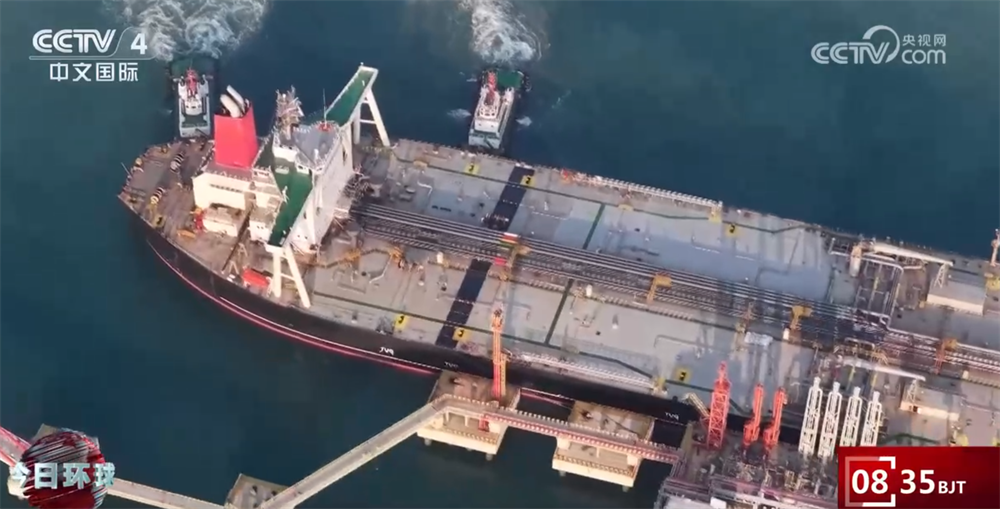
海南正式封关,一文讲透你想知道的7件事
阿尔法工场研究院· 2025-12-19 00:05
Core Viewpoint - The article discusses the implications of the Hainan Free Trade Port's full closure operation, emphasizing the opportunities and changes it brings to businesses and residents in Hainan, particularly through tax incentives and simplified regulations [5][6]. Group 1: Concept of "Border Control" - The term "Hainan closure" does not imply isolation but rather a new concept of "domestic border control," allowing free movement of people while regulating goods [8][10]. - Visitors to Hainan will no longer need special permits, as they can enter with just an ID card, while enjoying duty-free shopping similar to airport duty-free stores [10][11]. Group 2: Taxation Changes - The shift from a "positive list" to a "negative list" for tax exemptions means that only specified goods will incur tariffs, increasing the proportion of duty-free items from 21% to 74% [18]. - The introduction of a new sales tax system simplifies the tax process for businesses, reducing costs and potentially lowering retail prices [25][28]. Group 3: Business Opportunities - Hainan's manufacturing sector can benefit from lower costs due to the elimination of tariffs on imported materials, provided that the value-added processing exceeds 30% [21][23]. - The two 15% tax rates for corporate and personal income taxes are designed to attract high-end talent and businesses to Hainan, making it an appealing destination for investment [39][41]. Group 4: Consumer Impact - Residents and tourists in Hainan will experience an increase in available duty-free products, enhancing their shopping experience without the need to travel abroad [32][34]. - The new EF account system will facilitate faster cross-border transactions, benefiting businesses engaged in international trade [36].
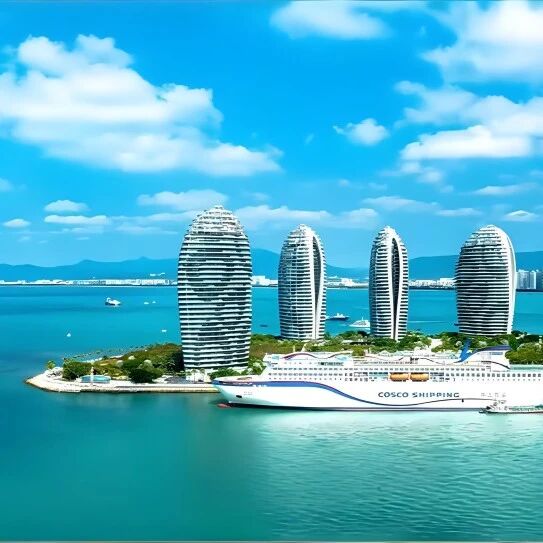
全岛封关第一天(人民眼·海南自贸港)
Ren Min Ri Bao· 2025-12-18 22:17
Core Viewpoint - Hainan Free Trade Port has officially launched its full island customs closure, marking a significant milestone in China's high-level opening-up strategy, with a focus on facilitating trade and investment while maintaining regulatory oversight [7][40]. Group 1: Customs Closure Implementation - The customs closure defines Hainan Island as a special customs supervision area, allowing for a unique regulatory framework that promotes high-level openness while ensuring control [8][9]. - The first day of customs closure saw significant operational readiness across various points, including airports and ports, demonstrating the effectiveness of prior preparations [9]. Group 2: "One Line" and "Two Lines" Concept - The "One Line" approach allows for the relaxation of restrictions and simplification of procedures, aligning with international trade standards, facilitating the entry of international flights and tourists [10][12]. - The "Two Lines" concept involves strict management of goods and personnel flow between the free trade port and the mainland, ensuring a balance between trade facilitation and regulatory oversight [20][21]. Group 3: Trade and Investment Opportunities - The number of countries eligible for visa-free entry to Hainan has more than doubled since 2018, with 86 countries now able to enter without a visa, significantly boosting tourism and business travel [12][14][16]. - The introduction of "zero tariff" policies for certain goods has reduced import costs for businesses, with the range of zero-tariff items expanding from over 1,900 to 6,600, covering 74% of all goods [17][18]. Group 4: Infrastructure and Operational Efficiency - The new customs facilities at Hainan's ports are designed to handle a high volume of traffic, with the capacity to process over 170 million vehicles and 44 million tons of goods annually [23]. - Innovations in customs procedures have led to a significant reduction in processing times, with average clearance times for travelers decreasing by 30 seconds and overall efficiency improving by over 30% [15][21]. Group 5: Consumer Impact and Market Growth - The implementation of new duty-free shopping policies has increased consumer spending, with duty-free shopping amounts reaching 23.8 billion yuan, a 27.1% increase year-on-year [38]. - The expansion of duty-free product categories and the introduction of "immediate purchase and pick-up" policies have enhanced consumer experience and engagement, particularly among local residents [36][38].

12月18日海南自由贸易港全岛封关 记者直击——全岛封关第一天(人民眼·海南自贸港)
Ren Min Ri Bao· 2025-12-18 21:52
Core Viewpoint - Hainan Island is becoming a significant gateway for China's new era of opening up, with the official launch of the Hainan Free Trade Port on December 18, marking a new phase in its development and international trade facilitation [1]. Group 1: "One Line" Opening - The "one line" opening involves relaxing various restrictions and simplifying procedures to align with international high standards in trade and commerce [2]. - The number of visa-free countries has more than doubled since 2018, with the introduction of individual visa-free entry for 59 countries, significantly increasing tourist arrivals [4]. - In 2023, the average customs clearance time for travelers at Sanya Phoenix International Airport was reduced by 30 seconds, and the overall clearance time for flights was shortened by approximately 30 minutes [5][6]. Group 2: "Zero Tariff" Policy - The first batch of "zero tariff" petrochemical raw materials, valued at nearly 400 million yuan, arrived at Yangpu Port, saving companies nearly 10 million yuan in costs compared to pre-closure [7]. - The range of "zero tariff" goods has expanded from over 1,900 tax items before closure to 6,600 tax items, increasing the proportion from 21% to 74% of all goods [7]. Group 3: "Two Line" Management - The "two line" management system aims to balance trade facilitation and regulatory oversight, with a focus on optimizing both hardware and software for efficient operations [10][11]. - On the first day of closure, a vehicle carrying processed goods passed through customs in just 2 minutes, demonstrating the effectiveness of the new management system [12]. Group 4: Domestic Freedom - The establishment of a comprehensive bonded maintenance business for automotive engines in Hainan is expected to reduce overall costs by over 15% for companies [21]. - The new policies have significantly increased the annual duty-free shopping limit for consumers, enhancing the shopping experience and boosting local consumption [28]. Group 5: Logistics and Efficiency - The implementation of a "concentrated + automated" document review system has improved the efficiency of goods flow by over 60% [31]. - The logistics system has been streamlined, allowing for quicker processing of goods, which is essential for the success of the free trade port [30].
中国对外开放迎来新的里程碑时刻
Ren Min Ri Bao· 2025-12-18 20:38
Core Viewpoint - The official launch of the Hainan Free Trade Port marks a significant milestone in China's opening-up strategy, covering over 30,000 square kilometers and becoming one of the largest free trade ports globally [2] Group 1: Customs and Regulatory Framework - The concept of "closure" refers to the establishment of a special customs supervision area rather than restricting access to the island, allowing for a policy of "one line open, one line controlled, and free flow within the island" [3] - The customs management will focus on precise control of goods between the "one line" (international) and "two line" (domestic), ensuring efficient and convenient regulation [3] Group 2: Economic Opportunities and Trade Policies - The range of goods eligible for "zero tariff" will expand from 1,900 to approximately 6,600 items, covering about 74% of all product categories, significantly reducing import costs for businesses [4] - Trade management measures will be relaxed, with the opening of 98 product codes previously restricted, enhancing the overall trade management model [4] Group 3: Service Trade and Investment Growth - The Ministry of Commerce supports the establishment of a cross-border e-commerce pilot zone and the implementation of a negative list for service trade, contributing to a 23.1% growth in service trade and a 42.2% increase in actual foreign investment in Hainan [5] Group 4: Consumer Benefits and Market Dynamics - The upgraded duty-free shopping policy allows for a wider variety of products and improved purchasing convenience for both residents and tourists, enhancing the overall shopping experience [6] - The closure operation is expected to attract global enterprises and deepen economic ties, creating new market opportunities for various countries [7]
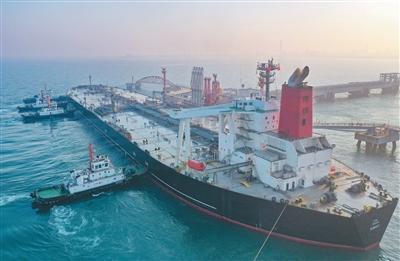
海南封关?一文读懂自贸港
Sou Hu Cai Jing· 2025-12-18 16:44
Core Viewpoint - The Hainan Free Trade Port has officially launched an island-wide customs closure, positioning itself as a "frontier gateway for national openness" and aiming to develop high-end industries such as tourism, modern services, and high-tech sectors, ultimately creating a new high ground for national openness and livability [1][3]. Group 1: Customs Closure Explanation - The term "customs closure" refers to transforming Hainan into a special customs supervision zone, allowing for greater openness to foreign entities while maintaining precise management of domestic interactions [3]. - The strategy involves "one line open, one line controlled, and freedom within the island," facilitating easier access to international markets while ensuring necessary checks on goods moving from Hainan to the mainland [4]. Group 2: Trade Facilitation - The Hainan Free Trade Port aims to enhance both imports and exports, with a significant increase in the proportion of zero-tariff items from 21% to 74%, making it easier for consumers to access affordable imported goods [6]. - Domestic enterprises can utilize Hainan as an export base, benefiting from policy advantages and tax incentives, particularly for products with over 30% added value processed in Hainan [6]. Group 3: Benefits for Residents - Travel to Hainan remains hassle-free, with no additional documentation required for individuals, and the tourism experience is expected to improve with new international projects [7]. - The duty-free shopping limit of 100,000 yuan is confirmed, with an expanded range of 6,600 duty-free items, including new categories like pet supplies and digital photography equipment [7]. - The focus on modern services will enhance healthcare and education, with initiatives like the "International Medical" project and "Study in Hainan" program providing better local access to quality services [7]. - The Free Trade Port is anticipated to attract high-quality enterprises, creating more job opportunities and a favorable environment for entrepreneurship through tax benefits and streamlined approvals [7].
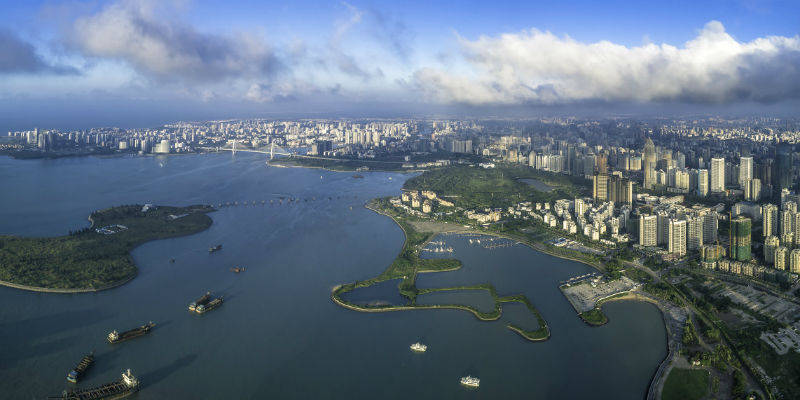
海南自由贸易港,正式启动全岛封关
Sou Hu Cai Jing· 2025-12-18 14:42
Core Viewpoint - The official launch of the Hainan Free Trade Port's full island closure on December 18, 2025, marks a significant step in China's commitment to high-level opening-up and the construction of an open world economy [1][3]. Group 1: Policy Changes - The full island closure will implement a series of policies including the import tax item catalog, tax policies for goods circulation, and customs supervision methods [1][3]. - The "zero tariff" policy will expand from over 1,900 tax items to more than 6,600, increasing the proportion to 74% [8]. - The processing and value-added tax exemption policy will be optimized by removing restrictions on the main business income of encouraged industries [8]. Group 2: Trade Facilitation - The closure will create a customs supervision special area characterized by "one line" for free movement and "two lines" for controlled movement, allowing for more convenient trade with international markets [4][5]. - Eight open ports will allow eligible imported goods to be released directly, while ten "two-line" ports will implement various convenient measures for goods entering the mainland [9]. Group 3: Tourism and Consumption - The policy will enhance the tourism consumption environment, with expanded duty-free shopping options for residents and visitors [10][11]. - The construction of international cultural tourism projects will be accelerated, aiming to create a unique and influential tourism consumption scene [12][13]. Group 4: Development Goals - The full island closure is seen as a milestone in the construction of the free trade port, with a three-step plan for development leading to a mature system by 2035 [15][16].
