市场化定价

Search documents
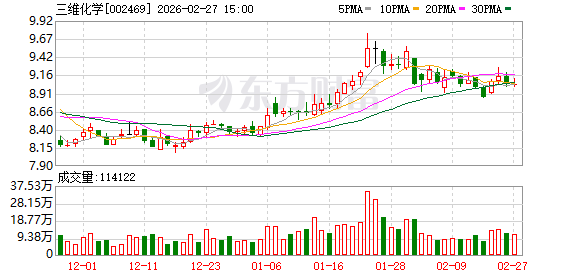
三维化学:化工产品的市场价格受宏观经济形势、原材料成本、供需关系等多种因素影响
Zheng Quan Ri Bao· 2026-02-27 12:06
Group 1 - The core viewpoint of the article emphasizes that the pricing of chemical products is influenced by various factors such as macroeconomic conditions, raw material costs, and supply-demand relationships [2] - The company adopts a market-oriented pricing principle for its products, determining prices based on market conditions and raw material prices [2] - The company aims to maximize product efficiency through cost reduction strategies, including energy saving, consumption reduction, and technological upgrades [2]


芯导科技:公司产品定价遵循市场化原则
Zheng Quan Ri Bao Zhi Sheng· 2026-01-28 12:38
Core Viewpoint - The company emphasizes a market-oriented pricing strategy for its products, adjusting prices in response to material cost changes from suppliers [1] Group 1: Pricing Strategy - The company will increase product prices in line with rising costs of certain materials from suppliers [1] - Continuous monitoring of cost and price alignment is a priority for the company [1] - The company maintains active communication with clients to ensure sustainable business relationships [1]

交通票价改革让“流动中国”更幸福
Xin Lang Cai Jing· 2026-01-18 21:31
Core Viewpoint - The ticket price subsidy reform in China's transportation sector is progressing steadily, focusing on enhancing public welfare and resource efficiency through flexible pricing strategies for high-speed rail and urban public transport [1][2][7]. Group 1: High-Speed Rail Pricing Reform - The traditional uniform pricing mechanism for high-speed rail is being replaced by a more flexible, tiered pricing system, allowing for discounts as low as 40% on over 1,300 train services by the end of 2025 [2][3]. - The new pricing strategy, termed "tidal pricing," aims to improve seat occupancy rates, which have increased by over 15% since the implementation of differentiated discounts [3]. - Special groups such as students and disabled individuals will continue to receive additional discounts, enhancing accessibility and affordability for these demographics [2][3]. Group 2: Urban Public Transport Subsidy Mechanism - The urban public transport sector faces challenges due to rising operational costs and stagnant ticket prices, necessitating a shift towards a more scientific and precise subsidy mechanism [4][5]. - The newly established dynamic adjustment mechanism for urban public transport pricing encourages a multi-tiered pricing system based on service quality and operational efficiency [5][6]. - Innovative cases, such as the cost regulation standards in Nanchang, have shown a 20% improvement in operational efficiency for public transport companies, linking subsidies to performance metrics [5][6]. Group 3: Overall Impact and Economic Development - The ticket price reform is not only enhancing transportation access but also acting as a catalyst for regional economic development, with significant increases in passenger volumes and local business activity [8]. - The integration of ticket pricing policies with tourism strategies has led to a notable rise in travel-related economic activity, exemplified by a 91.3% increase in passenger numbers on specific routes [8]. - The reforms aim to balance public service needs with operational sustainability and fiscal responsibility, ultimately enhancing the quality of life for citizens [7][8].
中瓷电子:公司定价原则均为市场化定价
Zheng Quan Ri Bao Zhi Sheng· 2025-12-19 15:10
Core Viewpoint - Zhongci Electronics is a key supplier of ceramic products (ceramic shells and substrates) for domestic and international optical module companies, with applications in backbone networks, data centers, metropolitan communication, and access networks [1] Pricing Strategy - The company's pricing principles are market-oriented, and product prices are determined based on market conditions and raw material prices [1]

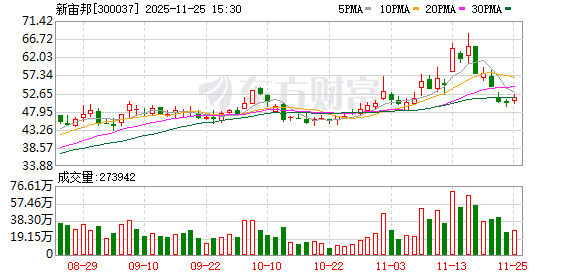
新宙邦:公司电解液业务遵循市场化定价原则
Zheng Quan Ri Bao· 2025-11-25 11:15
Group 1 - The company, Xinzhou Bang, stated that its electrolyte business follows market-based pricing principles, similar to its peers [2] - For long-term contracts, the company will actively promote price transmission based on market conditions while adhering to agreements with customers [2] - The rising prices of raw materials, represented by lithium hexafluorophosphate, are gradually being reflected in the pricing of electrolytes, with the fourth quarter currently in a price transition phase [2] Group 2 - The company will fully reference the latest raw material market prices for pricing new contracts, indicating an improvement in price transmission efficiency [2]

海科新源:公司始终遵循市场化原则,综合考虑成本、品质及客户合作关系
Zheng Quan Ri Bao Wang· 2025-10-23 09:41
Core Viewpoint - The company emphasizes that product prices are influenced by multiple factors including market demand, industry competition, and macroeconomic conditions, and it adheres to market principles to maintain a stable and sustainable pricing system [1] Group 1 - The company responds to investor inquiries regarding the impact of market demand on product pricing [1] - The company considers costs, quality, and customer relationships in its pricing strategy [1] - The company advises stakeholders to refer to its regular reports for specific data [1]
定了!上期所胶版印刷纸期货和期权等5个品种9月10日上市
Qi Huo Ri Bao· 2025-08-18 12:03
Core Viewpoint - The Shanghai Futures Exchange will launch futures and options for offset printing paper and other commodities on September 10, 2025, to provide risk management tools for the cultural paper market and enhance China's position in the global cultural paper industry [1][2]. Group 1: Market Needs and Industry Context - The introduction of offset printing paper futures and options aims to fill the gap in domestic cultural paper derivatives and provide precise tools for managing price volatility for companies in the cultural paper industry [2][3]. - China's paper industry is undergoing rapid upgrades, with an expected production of 9.48 million tons of offset printing paper and a consumption of 8.71 million tons in 2024, indicating a high demand for risk management tools due to complex market conditions [2][3]. Group 2: Contract Specifications - The offset printing paper futures contract will have a trading unit of 40 tons per lot, with a minimum price fluctuation of 2 RMB per ton and a daily price limit of ±4% based on the previous day's settlement price [4]. - The delivery method will combine warehouse and factory delivery to meet diverse downstream requirements, ensuring smooth delivery and reducing costs for enterprises [6]. Group 3: Risk Management and Market Efficiency - The introduction of futures will enhance the risk management framework for companies facing price volatility and long-term order pricing challenges, allowing for more flexible hedging strategies [3][6]. - The establishment of a transparent pricing benchmark through the futures market is expected to reflect the true supply and demand dynamics, improving overall market efficiency [2][3]. Group 4: Environmental Considerations - The delivery specifications for offset printing paper will prioritize environmentally friendly production practices, with a focus on suppliers recognized as "green factories" to promote sustainable development in the paper industry [7]. Group 5: Future Plans and Regulatory Measures - The Shanghai Futures Exchange will implement strict regulatory measures to ensure the smooth operation of the new products, including early identification and management of risks, and will engage in market promotion and investor education [8].