市场恐慌指数

Search documents
市场不再忽视“特朗普风险”?美国股债汇遭全面抛售 恐慌指数突破20关口
智通财经网· 2026-01-20 14:56
Group 1 - The market has experienced a significant sell-off, with the S&P 500 index dropping over 1.3% and the Nasdaq falling over 1.7% after a long weekend, indicating a shift in investor sentiment towards geopolitical tensions and economic uncertainties [1] - The VIX volatility index has surpassed the 20 mark for the first time since November of the previous year, reflecting increased market anxiety [1] - Concerns are primarily centered around President Trump's stance on Greenland, which has raised fears of structural fractures within NATO and potential new trade conflicts [1] Group 2 - Despite the recent sell-off, the average volatility in U.S. debt, equity, and dollar markets remains at its lowest level since at least 1990, suggesting a prior period of calm before the recent turbulence [2] - The rise in Japanese 40-year bond yields above 4% and a 6 basis point increase in U.S. 10-year bond yields to 4.29% have contributed to global market instability [2] - The uncertainty surrounding Trump's tariff plans and the potential nomination of a new Federal Reserve chair has further eroded market confidence, leading to a downgrade in European stock market allocation recommendations by Citigroup [2] Group 3 - Investor sentiment had previously been optimistic, with cash holdings at historical lows and a bullish indicator entering the "extremely bullish" zone, yet nearly half of respondents reported no protection against a significant market downturn [3] - Jefferies strategists anticipate a potential agreement regarding Greenland's sovereignty, but expect market volatility to remain high during the negotiation process [3] - Concerns persist regarding Trump's unpredictable approach to new threats, with historical patterns suggesting he may initially escalate tensions before returning to negotiations, which could continue to impact market confidence [3]
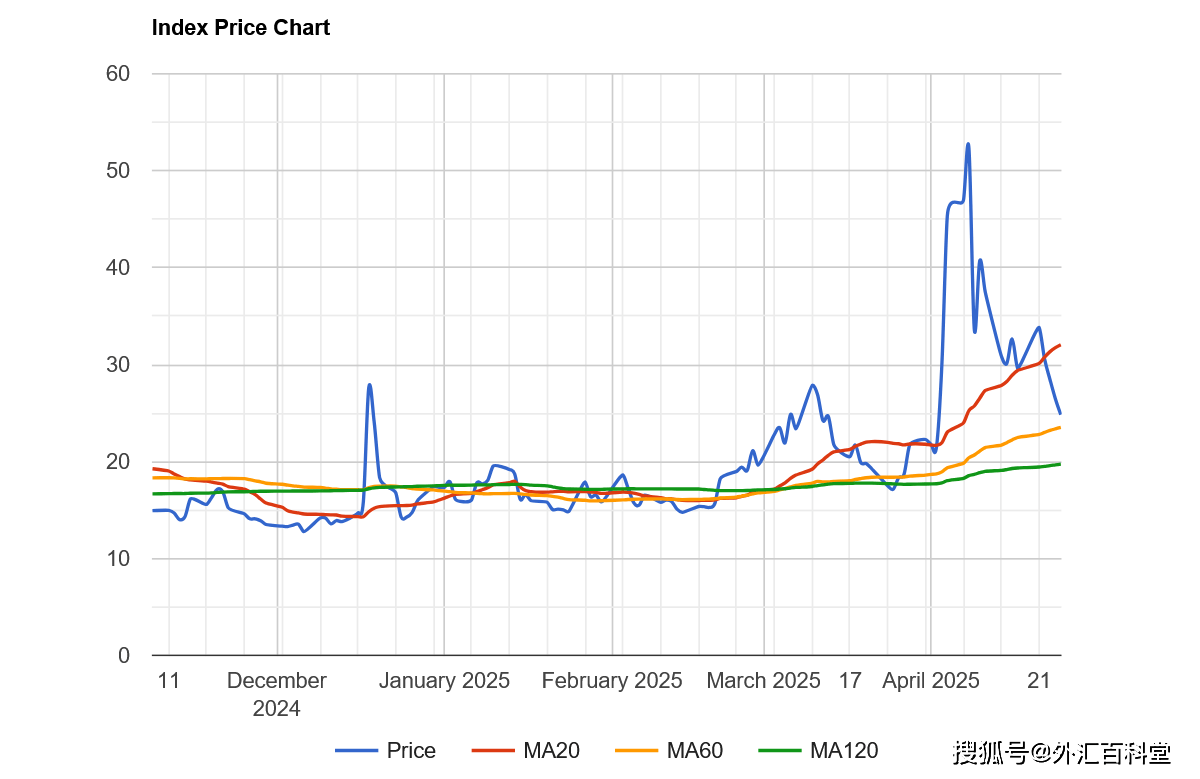
【UNFX课堂】揭秘VIX:不只是“恐慌”,更是华尔街和老美的心电图!
Sou Hu Cai Jing· 2025-04-27 03:58
Core Viewpoint - The VIX index, often referred to as the "fear index," reflects the market's expectations of future volatility in the S&P 500 and serves as a barometer for investor sentiment and anxiety in the financial markets [1][6]. Group 1: Understanding VIX - The VIX is created by the Chicago Board Options Exchange and measures the expected volatility of the S&P 500 over the next 30 days, indicating market participants' fears and expectations [1]. - A rising VIX suggests increased market anxiety, often triggered by actions from the Federal Reserve, geopolitical tensions, or disappointing economic data [1][6]. - The VIX is not a neutral indicator; it reflects the genuine concerns of wealthy investors and policymakers regarding asset depreciation and economic instability [1][6]. Group 2: Market Reactions to VIX - When the VIX spikes, the market typically shifts to a "risk-off" mode, leading investors to seek safe-haven assets such as gold and the Japanese yen [4][5]. - A high VIX often correlates with a strengthening dollar, as investors rush to convert their assets into USD for safety, although this relationship can vary depending on market conditions [5][6]. - Conversely, a low VIX may indicate complacency in the market, potentially signaling a buildup of hidden risks, making gold a crucial asset for protection during such times [6][7]. Group 3: Trading Strategies - The signals from the VIX should inform trading strategies in forex and gold markets, guiding decisions on whether to increase exposure to safe-haven assets or take profits [7]. - Understanding the underlying drivers of VIX movements—whether macroeconomic events or technical adjustments—can provide deeper insights into market dynamics [6][7]. - Investors are encouraged to view the VIX as a complex signal rather than a simple number, integrating it with other indicators for a comprehensive market analysis [6][7].