
微短剧产业发展

Search documents
武汉东湖高新区发布“微短剧8条”,最高给予5000万支持
Xin Lang Cai Jing· 2026-02-27 12:13
Core Viewpoint - The Wuhan East Lake High-tech Zone has launched measures to promote the high-quality development of the micro-short drama industry, aiming to establish a nationally influential industry cluster [1] Group 1: Policy Measures - The "Eight Measures for Micro-Short Dramas" cover the entire industry chain, including script creation, project investment, filming, enterprise growth, cultural export, fund support, and platform development [1] - Enterprises can receive up to 1 million yuan in annual support based on their development scale [1] - Newly introduced or established leading platform enterprises can receive a one-time support of up to 1.5 million yuan [1] - Projects that play a leading role in industry development, categorized as "Four New" projects, can receive support of up to 50 million yuan [1]

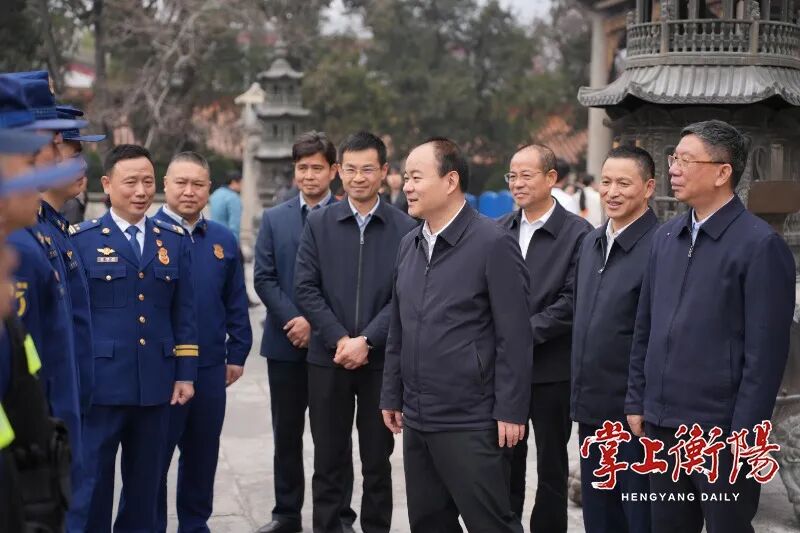
朱健赴南岳区督导春节期间旅游安全准备工作
Xin Lang Cai Jing· 2026-02-14 14:33
Core Insights - The article emphasizes the importance of ensuring safety and enhancing service quality in the tourism sector during the Spring Festival period, aiming to establish Hengyang as a world-class cultural tourism destination [1][3]. Group 1: Safety Measures - The local government is focused on maintaining safety standards, particularly in crowded areas and fire safety, to ensure a secure environment for tourists [3]. - There is a commitment to strengthen training and guidance for fire rescue personnel to enhance safety measures [3]. Group 2: Visitor Experience - Efforts are being made to improve visitor satisfaction through initiatives such as time-based reservations, free Wi-Fi, and performance integration to reduce waiting times [3]. - The government is also taking steps to stabilize prices in the scenic areas, prohibiting price gouging in dining and accommodation services [3]. Group 3: Tourism Development - The South Yue scenic area has seen over 5 million visitors in the past year, indicating its rising popularity as a tourist destination [4]. - There is a push to diversify consumption models and enhance market entities within the tourism sector, aiming to improve the quality and efficiency of the cultural tourism industry [4]. - The government is considering the implications of population influx on employment and housing needs, aiming to convert tourist traffic into developmental growth [4].

微短剧 从“流量赛道”到“质量赛道”
Jing Ji Guan Cha Wang· 2026-02-08 22:52
Core Insights - The micro-short drama industry in China is rapidly growing, with a projected market size of 67.79 billion yuan by 2025 and over 100,000 related enterprises [1] - The industry is expected to create approximately 2.03 million jobs, contributing to regional economic development and employment [1] - Micro-short dramas are becoming a significant driver for rural revitalization and cultural tourism, transforming online traffic into offline economic benefits [2] - The industry is also expanding internationally, with predictions that the overseas market could reach between 6 to 9 billion USD by 2026 [2] - There are concerns regarding the quality of content, with issues such as formulaic storytelling and reliance on low-quality content being highlighted [3] - Regulatory measures are being implemented to improve content quality, leading to a shift from quantity to quality in production [3] - The future of micro-short dramas lies in their ability to produce emotionally resonant and culturally rich content, moving beyond mere entertainment [4] Industry Growth and Employment - The micro-short drama industry is expected to reach a market size of 67.79 billion yuan by 2025 [1] - It is projected to directly and indirectly create 2.03 million jobs [1] - Regional industry clusters are emerging in provinces like Henan, Zhejiang, and Shanxi, with dedicated production bases [1] Cultural and Economic Impact - Successful micro-short dramas can significantly boost local economies by increasing tourism and local business revenues [2] - The case of Guangdong's Tandi Village illustrates how micro-short dramas can create a vibrant cultural tourism IP [2] Quality and Regulation - The industry faces challenges such as content quality and the risk of aesthetic dullness due to formulaic narratives [3] - Regulatory bodies are enhancing content classification and review processes to ensure higher quality [3] - A shift towards more diverse themes, including science fiction and cultural narratives, is emerging as a response to regulatory changes [3] Future Outlook - The industry is expected to transition from a focus on traffic to a focus on quality, aiming to produce content that resonates deeply with audiences [4] - There is an anticipation for micro-short dramas to continue telling impactful Chinese stories with both market viability and cultural significance [4]
“女强逆袭”“悬疑探案”……让你“上头”的微短剧,原来有他们力挺!
Jin Rong Shi Bao· 2026-02-05 13:00
Core Viewpoint - The micro-drama industry in Xi'an is experiencing rapid growth, supported by innovative financial solutions that address the unique challenges faced by light-asset companies in securing funding [1][2][3]. Group 1: Industry Overview - The micro-drama sector has evolved from low-quality productions to high-quality content, with Xi'an being a hub that produces 60% of the nation's micro-dramas, housing over 600 companies [1]. - The industry is characterized by a complete production chain, with an average of over 60 crews operating simultaneously each day in film studios [1]. - Financial support is crucial for the transition from rapid profit-making to producing high-quality content, as many companies face difficulties in obtaining traditional bank loans due to lack of collateral [2]. Group 2: Financial Innovations - Financial institutions are adapting their services to meet the needs of the micro-drama industry, moving away from traditional collateral-based lending to tailored financial products [3][4]. - The "Cultural and Creative Service Team" was established by a local bank to provide customized financial solutions based on the unique characteristics of the micro-drama industry [3]. - The introduction of the "Micro-Drama Loan" by another bank has successfully addressed financing challenges for small and medium-sized enterprises in the sector, facilitating quicker access to funds [4][5]. Group 3: Impact of Financial Support - Financial backing has enabled companies to upgrade their production capabilities, such as acquiring advanced equipment and establishing creative labs, leading to the production of hit series [3]. - The financial support has resulted in significant growth, with one company projecting to produce over 1,000 short videos and dramas annually by 2025, contributing to the local economy [3]. - The innovative loan products have been designed to minimize financing costs while maximizing support for the micro-drama industry, ensuring sustainable growth [6].
中国广电联合会短视频短片专业委员会工作年会在山东乐陵举行
Qi Lu Wan Bao· 2026-02-02 06:58
Core Insights - The short video and micro-drama industry is rapidly growing and has significant cultural and industrial potential, becoming an integral part of people's cultural lives [1][2] - Emphasis on the need for high-quality, popular, and internationalized content to transition from "traffic hits" to "timeless masterpieces" [1] - The event highlighted collaboration opportunities among various stakeholders in the industry, including media, educational institutions, and production companies [1][2] Group 1: Industry Development - The annual meeting of the China Broadcasting and Television Association's Short Video and Short Film Committee took place in Shandong, with around 200 participants discussing the current state and future trends of the micro-drama industry [1] - The event showcased the integration of micro-dramas with local culture and sports, launching a brand story creation plan that combines sports spirit, Chinese manufacturing, and local culture [1] Group 2: Regional Focus - The city of Le Ling is positioning itself as a hub for the film and television industry, implementing a "cultural tourism" strategy to enhance its filming resources and services [2] - Le Ling's film city, characterized by Tang Dynasty architecture, offers unique advantages for shooting micro-dramas related to traditional culture and history [2] Group 3: Collaboration and Research - Multiple cooperation agreements were signed during the event, focusing on the integration of industry, academia, and research in the micro-drama sector [1] - An annual research report was released, providing a systematic analysis of industry development and trends to inform policy-making and theoretical research [2]
追剧追出家乡味,广西南宁凭什么发展微短剧?
Xin Hua Wang· 2026-01-28 03:42
Core Insights - The micro-short drama industry in Nanning is rapidly developing, leveraging local cultural resources and geographical advantages to attract production teams and audiences [1][2][3] Group 1: Advantages of Nanning for Micro-Short Dramas - Nanning's climate and diverse scenery provide a natural advantage for year-round filming, with a cost-effective environment compared to first-tier cities [2][3] - The city’s geographical and cultural proximity to ASEAN countries facilitates easier storytelling and audience engagement, enhancing the appeal of local narratives [2][3] - Nanning has become a filming hotspot for over 10 micro-short dramas and web series since 2025, with a notable increase in production activity [2][3] Group 2: Policy Support and Industry Growth - Nanning has implemented supportive policies for the micro-short drama industry, including financial incentives for productions that incorporate local elements [3][4] - As of early November 2025, Nanning has 738 companies holding broadcasting and production licenses, accounting for 90% of the total in Guangxi [3] - The city is home to four national-level cultural industry demonstration bases, indicating a robust growth trajectory for local production companies [3] Group 3: Cultural and Technological Innovation - Local companies are focusing on unique cultural narratives to differentiate themselves in a competitive market, such as the drama "Xiu Yuan," which highlights traditional festivals [4][13] - Nanning is embracing AI technology in production, with companies developing platforms that streamline the video creation process and enhance efficiency [9][12] - The establishment of the "AI+" virtual filming base aims to reduce the need for international location shoots while expanding creative possibilities [12][14] Group 4: Challenges and Talent Development - The industry faces challenges in cultural dissemination beyond local audiences, with a need to leverage widely recognized regional IPs for broader appeal [13] - There is a talent gap in the local industry, with calls for enhanced training and development programs to improve the skills of actors and production teams [13][14] - Initiatives are underway to foster local talent through educational collaborations and practical training opportunities [14][16] Group 5: Future Outlook - Nanning aims to enhance its micro-short drama industry by optimizing spatial layouts and creating thematic production routes to attract diverse projects [16] - The continuous improvement of the industry chain and creative capabilities is expected to position Nanning's micro-short dramas on a larger stage [16]
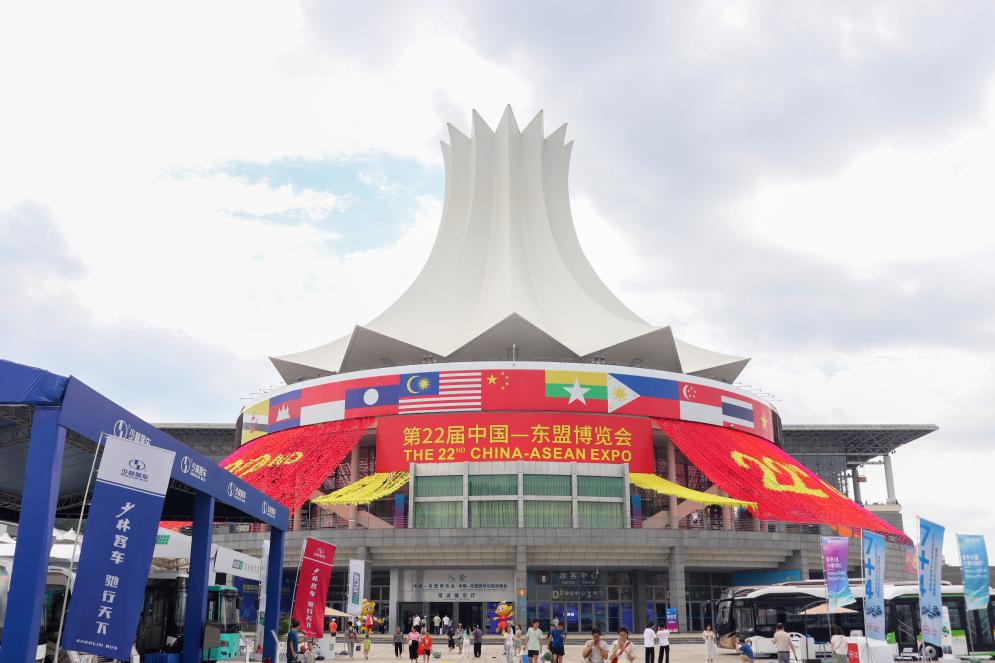
竖屏带来就业新机遇 微短剧产业成为人才“蓄水池
Xin Hua Wang· 2026-01-08 00:03
Core Insights - The micro-short drama industry is rapidly evolving, contributing significantly to employment and economic growth in China, with projections indicating it will create over 2.03 million jobs by 2025 [1][4]. Industry Growth and Employment Impact - The micro-short drama market has grown nearly 100 times from 2020 to 2025, with over 100,200 related companies and an expected 40,000 new vertical screen dramas to be released in 2025 [2][3]. - The average crew size for a micro-short drama is between 60-90 people, with production cycles typically lasting 3 to 10 days, allowing for high turnover and efficient use of human resources [3][4]. - The industry is attracting a diverse range of talent, with a reported 9-fold increase in collaborating screenwriters within a year, indicating a shift in employment dynamics [3][6]. Economic Ripple Effects - Each direct job in the micro-short drama sector generates approximately 1.95 indirect jobs, leading to a total employment impact of around 203 million jobs across various sectors [4][5]. - The industry is stimulating local economies by activating unused resources and creating demand in related sectors such as tourism, hospitality, and e-commerce [5][6]. Regional Development and Cultural Integration - Regions like Hengdian, Zhengzhou, and Xi'an are leveraging their unique advantages to become hubs for micro-short drama production, enhancing local employment and economic activity [5][6]. - The trend of "traveling with short dramas" is emerging, boosting tourism in filming locations and transforming them into popular destinations [5][6]. Evolution of Business Models - The business model of micro-short dramas is shifting from a focus on paid content to a model based on free access and advertising revenue, necessitating higher quality content to retain viewers [7][8]. - New job roles are emerging, such as AI drama creators and operational optimizers, reflecting the industry's adaptation to technological advancements and changing viewer preferences [7][8]. Talent Development and Future Prospects - The micro-short drama sector is cultivating a new generation of talent skilled in internet dissemination and rapid iteration, preparing the workforce for future cultural industry demands [8].
竖屏带来就业新机遇 微短剧产业成为人才“蓄水池”
Xin Lang Cai Jing· 2026-01-07 22:24
Core Insights - The micro-short drama industry is projected to contribute over 2.03 million jobs to the national employment market by 2025, driven by its rapid growth and appeal as a new cultural product [1][4][6] Group 1: Industry Growth and Employment Impact - The micro-short drama market has grown nearly 100 times from 2020 to 2025, with over 100,200 related companies and approximately 40,000 new vertical screen dramas expected to launch by 2025 [4][5] - The monthly production of micro-short dramas has stabilized at over 3,000 episodes, creating significant demand for personnel in production teams, which typically consist of 60-90 members [5][6] - The industry is expected to directly create around 690,000 jobs, with each direct job generating approximately 1.95 indirect employment opportunities, leading to a total of 2.03 million jobs [6][7] Group 2: Regional Economic Development - The micro-short drama industry is fostering economic growth in various regions, with cities like Hengdian, Zhengzhou, and Xi'an leveraging their unique resources to enhance production capabilities and attract talent [6][7] - The industry is revitalizing local economies by activating idle resources and boosting related sectors such as tourism, dining, and e-commerce [7][8] Group 3: Evolution of Business Models and Talent Development - The business model of micro-short dramas is shifting from a "pay-per-view" approach to a "free content with ad revenue" model, necessitating higher quality content and a focus on user engagement [8][9] - The industry is cultivating a new workforce skilled in internet dissemination, rapid iteration, and collaboration, preparing for future cultural industry developments [9]

微短剧在流量奔涌处凝视未来——2025河南经济热词观察之九
He Nan Ri Bao· 2025-12-29 23:11
Core Insights - The micro-short drama industry is experiencing rapid growth and has become a new growth point in the digital cultural industry, with optimistic market expectations [1] - Henan province has emerged as a significant player in this sector, ranking among the top three in China for micro-short drama production and accounting for approximately 40% of the national capacity [1] Industry Overview - Micro-short dramas are characterized by their short duration, fast pace, strong interactivity, and rapid dissemination, leading to a substantial influx of capital into the industry, estimated in the hundreds of billions [2] - The industry is marked by a high-pressure working environment, with crews often working long hours under challenging conditions to meet the demands of rapid production [2] Policy and Support - A recent media report titled "Henan's Micro-Short Drama Industry is Thriving, What Next?" has prompted critical questions about content homogenization, talent sourcing, and sustainable industry development [2][3] - In response to industry needs, Henan province has introduced 15 substantive and innovative support measures aimed at fostering high-quality development in the micro-short drama sector, marking a new phase of systematic planning and precise guidance [3] Future Outlook - The micro-short drama industry in Henan is evolving from a mere entertainment trend into a robust industrial ecosystem, attracting young talent from major cities and leading to the emergence of standardized filming bases [3] - The industry is transitioning from chaotic growth to a more structured and quality-focused development phase, indicating a promising future for sustainable growth [3]
从“微”处发力 成“强”势影响
Xin Lang Cai Jing· 2025-12-27 17:39
Core Insights - The micro-short drama industry in China is experiencing rapid growth, with the market expected to exceed 50 billion yuan by 2024, surpassing the total annual box office of domestic films [1] - The industry is at a transformative stage, and cities like Xian, Zhengzhou, and Yangzhou are competing to become leading centers for micro-short dramas [1] National Level - The micro-short drama market is projected to reach over 50 billion yuan in 2024, with 84,900 related enterprises [1] - User base is expected to grow to 696 million by June 2025, and overseas downloads have surpassed 470 million [1] Provincial Level - Zhejiang province leads in micro-short drama production, with 251 key projects filed and 52 approved in the first half of 2025 [2] - Over 30 counties in Zhejiang have implemented supportive policies, with a total funding of approximately 1 billion yuan [2] - The province is shifting from a "traffic-oriented" to a "quality-oriented" approach, gaining popularity in Southeast Asia, Europe, and the Middle East [2] City Level - The city of Quzhou is set to launch the Meigao Super Factory for micro-short dramas in 2024, covering 66,000 square meters and accommodating 30 production teams [3] - In the first half of 2025, the factory is expected to produce 150 short dramas, generating over 500 million yuan in revenue [3] Development Challenges in Quzhou - Insufficient industry clustering limits scale expansion, with only about 40 related enterprises compared to over 300 in Hengdian [3] - A talent shortage affects creative and production quality, as Quzhou lacks influential industry leaders and struggles to attract young talent [3] - The industry chain is incomplete, with strong production capabilities but weak upstream and downstream collaboration [3] - Brand development is lagging, with no unified branding strategy or promotional activities, leading to low market recognition [4] Recommendations for Optimizing Quzhou's Micro-Short Drama Industry - Enhance industry clustering by attracting leading production companies and improving park facilities [5] - Implement talent strategies to cultivate local talent and attract external professionals through incentives [6] - Strengthen the industry chain by supporting original script development and enhancing production resources [7] - Focus on brand building by defining a unique brand identity and organizing promotional events [8]