
情感体验

Search documents
新场景点燃新需求 “情绪价值”成增长密码
Xin Lang Cai Jing· 2026-01-03 17:12
Travel and Transportation - Approximately 590 million trips were made during the New Year holiday, averaging about 198 million trips per day, indicating a strong demand for travel [4] - The opening of the Xi'an to Yan'an high-speed railway reduced travel time to about 1 hour, contributing to a 165% increase in daily visitor numbers at the Hukou Waterfall scenic area [3][4] - Didi's ride-hailing demand surged by 31% year-on-year during the holiday, with peak demand exceeding 189,000 requests per minute on New Year's Eve [4] Cultural and Tourism Trends - The concept of "experience" and "ceremony" became key themes in cultural tourism consumption, with searches for "New Year travel" increasing by 125% year-on-year [6] - Popular destinations for ice and snow tourism accounted for 40% of the top 20 domestic flight routes during the holiday, highlighting a growing interest in winter activities [7] Consumer Market Dynamics - The introduction of the "National Subsidy" program led to a surge in the home appliance market, with foot traffic in stores increasing by 110% during the holiday [8] - The government allocated 62.5 billion yuan for consumer goods replacement programs to stimulate demand during peak seasons like New Year and Spring Festival [8] International Tourism and Shopping - Policies such as expanding visa-free travel and optimizing tax refunds for outbound tourists have boosted the popularity of "China travel" and "China shopping" among international visitors [9] - Foreign tourists are increasingly attracted to China's diverse shopping experiences, with reports of long queues at popular shopping destinations [10]


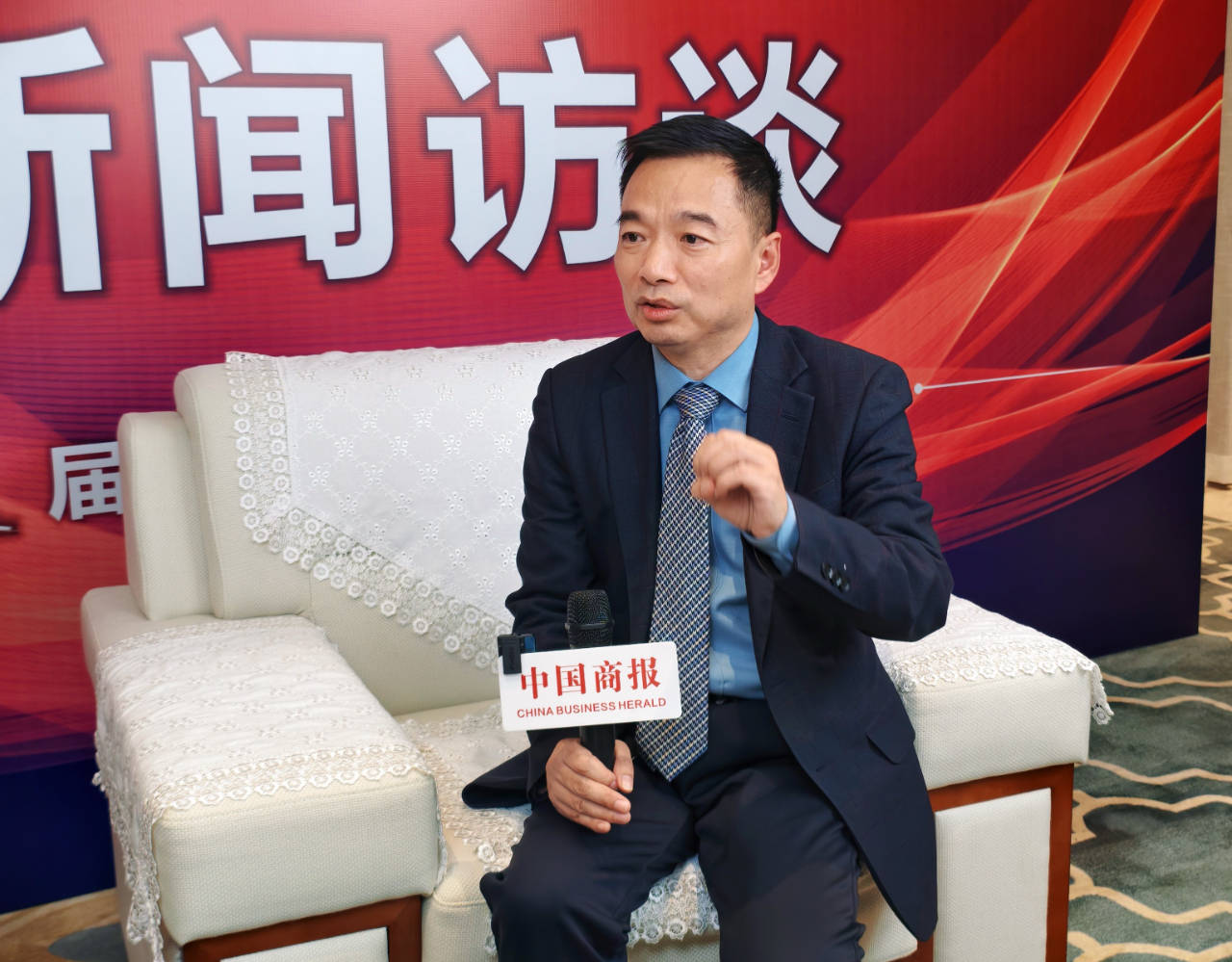
消费者更追求“值得” 赵浩兴谈2026年中国商业创新四大关键词
Sou Hu Cai Jing· 2025-12-20 09:17
Core Insights - The article discusses the systemic transformation of Chinese commerce driven by technology, demand, and ideology, highlighting four key themes for innovation by 2026: cognitive upgrade, polymorphic symbiosis, digital intelligence empowerment, and emotional experience [1][2]. Group 1: Key Themes of Innovation - Cognitive upgrade emphasizes returning to the essence of business, focusing on respecting consumers and enhancing quality of life [2]. - Polymorphic symbiosis advocates breaking industry boundaries to foster collaboration between commerce and sectors like culture, tourism, health, and sports [2]. - Digital intelligence empowerment focuses on enhancing efficiency through digital technology while infusing warmth into services, creating intelligent and compassionate business environments [2]. - Emotional experience requires businesses to create genuine and warm scenarios that provide both rational and emotional satisfaction to consumers [2]. Group 2: Impact of AI on Consumption - AI is no longer a concept but a significant force reshaping the consumption market across the entire supply chain [2]. - On the supply side, intelligent products are experiencing double-digit growth, becoming a primary driver of consumption [2]. - New shopping scenarios like immersive shopping and instant retail are emerging, heavily influenced by AI's precise insights into consumer behavior [2]. Group 3: Changing Consumer Logic - Consumers are shifting their focus from merely seeking low prices to pursuing value, which includes emotional value, service quality, and brand integrity [2][3]. - The "three qualities of brand" concept—morality, character, and quality—suggests that true brands succeed by creating and communicating comprehensive value rather than relying on low prices [3]. Group 4: Challenges and Talent Needs - The main challenge in commercial innovation is not a lack of technology but the disconnect between technology and real consumer needs [3]. - There is a significant talent bottleneck, with a scarcity of professionals who understand both business and technology and are willing to innovate [4]. - The traditional education system often produces specialists rather than versatile talents needed for modern commerce, which requires a blend of product knowledge, market understanding, consumer psychology, and aesthetic appreciation [4]. Group 5: Policy Support and Future Outlook - The Chinese government is prioritizing domestic demand and market strength, with initiatives aimed at boosting consumption and removing unreasonable restrictions in the consumption sector [4]. - A strong domestic market is seen as a strategic foundation for China's modernization and economic resilience [4]. - The future of commercial innovation in China is viewed positively, with an emphasis on sincerity and value as key drivers for success [4].
场景创新的边界与极限
Zhong Guo Qi Che Bao Wang· 2025-12-16 06:41
Core Insights - The automotive industry is transitioning from merely providing vehicles to offering intelligent spaces that cater to diverse needs such as work, entertainment, and outdoor adventures, driven by a shift in user demands from functional satisfaction to emotional resonance [2] - The concept of "definition power" is shifting from engineers to users and life scenarios, leading to new categories of innovation in vehicle design [3] Group 1: Industry Transformation - The automotive sector is evolving into a provider of specific scenario solutions, with a focus on creating integrated experiences rather than just stacking features [4] - New vehicle categories are emerging, such as high-end MPVs designed for business receptions and off-road vehicles tailored for adventure, indicating a shift towards specialized market segments [3] - Companies are integrating technology ecosystems, as seen with Huawei's Harmony cockpit, which connects various devices to enhance the in-car experience [4] Group 2: Emotional Experience - Emotional design is becoming crucial as consumer expectations evolve from merely solving problems to creating enjoyable and ritualistic experiences [6] - Innovations like children's modes in vehicles that provide AI companionship and calming features reflect a deeper understanding of user needs [6] - The creation of unique experiences, such as personalized welcome lights and panoramic sunroofs, aims to establish emotional connections with users in a market characterized by hardware homogeneity [6] Group 3: Challenges and Boundaries - The industry faces challenges in maintaining a balance between innovative scenario creation and practical user needs, with a warning against over-investing in low-frequency features [9][10] - There is a growing concern about the reliability of new technologies, as many innovative concepts depend on unproven advancements, which could lead to safety issues [10] - The need for sustainable business ecosystems is highlighted, emphasizing the importance of transitioning from one-time hardware sales to lifelong service models to retain customer loyalty [11] Group 4: Market Dynamics - The market is witnessing a trend of reverting to simpler, more reliable designs as companies respond to user feedback regarding overly complex features [10] - Differentiation in a crowded market, where many vehicles offer similar camping modes, will depend on unique interpretations based on technological capabilities and brand identity [11] - The ongoing exploration of boundaries in automotive innovation is redefining the value of vehicles, positioning them as integral to daily life rather than just transportation tools [11]
