
成为中国人

Search documents
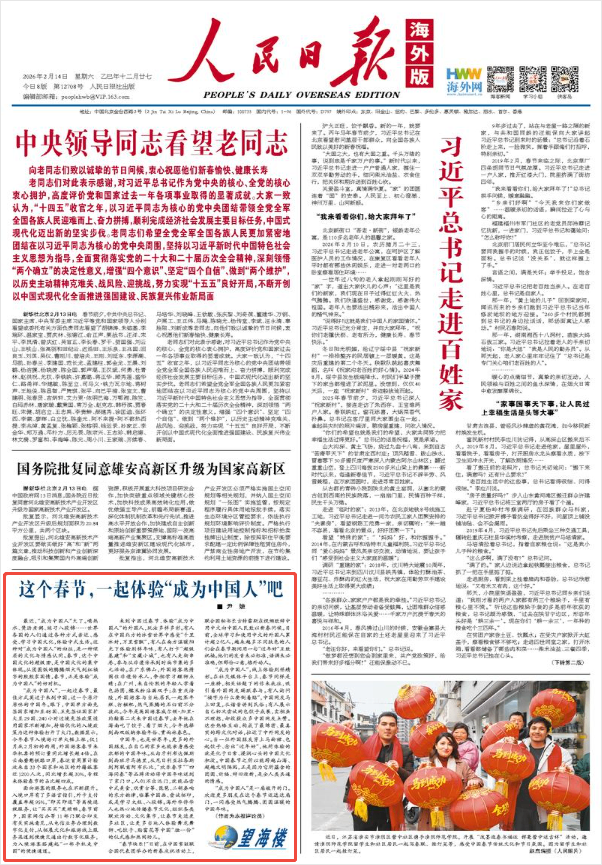
这个春节,一起体验“成为中国人”吧
Ren Min Ri Bao Hai Wai Ban· 2026-02-14 01:13
Core Insights - The rising interest in experiencing Chinese culture, particularly during the Spring Festival, reflects a deep cultural and emotional recognition among people worldwide [1][3] - China's entry policies have been optimized, leading to a significant increase in inbound tourism during the Spring Festival, with flight bookings from foreign tourists rising over four times year-on-year [1][2] Group 1: Inbound Tourism - The number of countries with visa-free access to China has increased to 48, and the number of countries with mutual visa exemptions has expanded to 29, facilitating easier travel for foreign tourists [1] - In the first week of the Spring Festival travel period, nearly 1,200 foreign travelers from 33 countries were processed at the Yunnan Mohan railway port, marking a year-on-year increase of over 30% [1] Group 2: Enhanced Visitor Services - Services for inbound tourists have improved, including multilingual guidance at entry points and a payment coverage rate of over 95% for foreign cards [2] - The implementation of a "one smartphone to travel in China" initiative aims to streamline various services for tourists, from telecommunications to digital payment options [2] Group 3: Cultural Experience - Foreign tourists are engaging in diverse activities during the Spring Festival, such as learning traditional crafts and participating in local customs, enhancing their cultural immersion [2] - Events like "Happy Spring Festival" and "Spring Festival in All Seas" are bringing Chinese New Year celebrations to various global cities, allowing people to experience Chinese culture without traveling to China [3] Group 4: Online Engagement - Social media platforms are facilitating cross-cultural dialogues, with foreign users actively participating in discussions about Chinese customs and sharing their experiences [4] - The emotional resonance of the Spring Festival, characterized by themes of reunion and renewal, transcends cultural barriers, making it relatable to a global audience [4]
这个春节,一起体验“成为中国人”吧(望海楼)
Ren Min Ri Bao Hai Wai Ban· 2026-02-13 22:42
Core Viewpoint - The rising interest in experiencing Chinese culture, particularly during the Spring Festival, reflects a deep cultural and emotional recognition among people worldwide, with significant increases in inbound tourism to China during this period [1][2]. Group 1: Inbound Tourism Growth - The number of countries with visa-free access to China has increased to 48, and the number of countries with mutual visa exemptions has expanded to 29, facilitating easier travel for foreign tourists [1]. - Data shows that during the two weeks around the Spring Festival, the booking volume for inbound flights to China increased by over 400% year-on-year [1]. - In the first week of the Spring Festival travel rush, nearly 1,200 foreign travelers from 33 countries and regions were processed at the Yunnan Mohan railway port, marking a year-on-year increase of over 30%, with over 40% of these visitors specifically coming to experience the Spring Festival [1]. Group 2: Enhanced Visitor Services - Services for inbound tourists have been improved, including multilingual guidance at entry points and over 95% coverage of foreign card payment options [2]. - The implementation of "immediate purchase and immediate refund" tax refund services has made shopping more convenient for tourists [2]. - A collaborative effort by 11 government departments has resulted in a digital service platform for tourists, allowing for a seamless travel experience in China [2]. Group 3: Cultural Experiences - Foreign tourists are engaging in diverse activities to experience Chinese culture, such as participating in traditional customs, learning about non-material cultural heritage, and enjoying local delicacies [2]. - Events like "Happy Spring Festival" and "Spring Festival in All Four Seas" are bringing Chinese New Year celebrations to various cities around the world, allowing people to enjoy Chinese cuisine and cultural performances without traveling to China [3]. - The global community is increasingly participating in Chinese New Year celebrations, with over 200 million foreigners learning and using Chinese, reflecting a growing appreciation for Chinese culture [3]. Group 4: Online Cultural Exchange - Social media platforms are facilitating cross-cultural dialogues, with foreign users actively engaging in discussions about Chinese customs and sharing their experiences [4]. - The interactions on these platforms are creating a rich tapestry of cultural exchange, allowing individuals from different backgrounds to connect over shared experiences of Chinese traditions [4]. - The emotional themes of reunion, blessing, and renewal inherent in the Spring Festival resonate universally, making it a bridge across cultural divides [4].

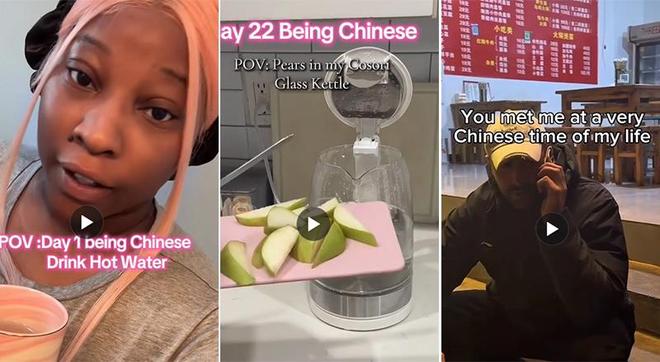
美国年轻人看到这一幕,想“成为中国人”…
Guan Cha Zhe Wang· 2026-02-12 05:49
Core Idea - The phenomenon of "Becoming Chinese" has emerged as a viral trend among Western netizens, reflecting a cultural fascination with Chinese lifestyle habits and a subtle form of protest against their own governments [1][5][10]. Group 1: Cultural Trends - The trend is characterized by individuals adopting Chinese cultural practices, such as drinking hot water and wearing slippers indoors, as a way to express their identity and dissatisfaction with their own governments [1][8]. - Social media platforms like TikTok and Instagram are the primary channels for the spread of this trend, with users identifying as "spiritual Chinese" regardless of their actual nationality or ethnicity [3][5]. - The trend signifies a growing familiarity and engagement with Chinese culture, as users interact with lifestyle trends and aesthetics that challenge the negative political narratives often associated with China [6][10]. Group 2: Political Context - The trend is seen as a response to the political disillusionment in the U.S., with some users viewing their adoption of Chinese habits as a form of protest against a government perceived as neglectful of public health [10][12]. - Experts suggest that this cultural shift reflects a broader transformation in how online users perceive China, moving away from viewing it solely as a geopolitical adversary [6][10]. - The popularity of this trend among young Americans is partly attributed to their desire for an alternative to the current social and political climate in the U.S., as expressed through music and social media content [12].
爆梗升级!西方Z世代不满足于“成为中国人”,开始卷“极致中国化”
Xin Lang Cai Jing· 2026-02-10 13:51
Core Viewpoint - The emergence of the term "Chinamaxxing" reflects a growing trend among foreigners, particularly younger generations, to embrace and imitate Chinese cultural practices, as seen through social media platforms like TikTok and Xiaohongshu [1][3]. Group 1: Cultural Trends - The term "Chinamaxxing" combines "China" and "maxxing," representing the extreme adoption of Chinese lifestyle by foreigners [1]. - A viral TikTok video by American-Chinese comedian Ouyang Wancheng showcases traditional Chinese attire and music, garnering over 849,000 views, indicating a significant interest in Chinese culture [1]. - Non-Asian creators are increasingly producing content that explores Chinese dietary habits and traditional medicine, highlighting a broader cultural engagement [3]. Group 2: Cross-Cultural Interaction - The rise of cross-cultural interactions on platforms like Xiaohongshu has facilitated a bilingual space for cultural dialogue between Western and Chinese youth, enhancing mutual understanding [3]. - A Pew Research Center study indicates that individuals under 34 in 16 out of 17 surveyed countries have a more favorable view of China compared to those over 50, suggesting a generational shift in perceptions [3]. - Many young Americans are developing a fondness for Chinese technology, brands, and cities, leading to increased consumption of Chinese-made products [3]. Group 3: Positive Cultural Exchange - The popularity of videos showcasing Chinese lifestyles on social media platforms in the U.S. reflects a pride in adopting Chinese daily practices, with users competing to showcase their "Chinese" lives [3]. - The Chinese ambassador to the U.S. emphasizes that cultural exchange should be viewed as a collaborative opportunity rather than a competitive one, promoting mutual growth [3]. - Understanding and accepting Chinese culture, rather than fearing it, represents a positive development in cross-cultural relations [4].

“极致中国化”爆火,西方Z世代在追求什么?
Huan Qiu Shi Bao· 2026-02-10 07:30
Core Viewpoint - The term "Chinamaxxing" has gained popularity on overseas social media, particularly among Western Gen Z, reflecting a growing interest in Chinese culture and lifestyle, which contrasts with a perceived decline in American identity [1][2] Group 1: Cultural Trends - The emergence of "Chinamaxxing" follows previous trends like "very Chinese" and "Becoming Chinese," indicating a shift in cultural fascination towards China among young people in the West [1] - Western media, including conservative outlets, express confusion and concern over this trend, attributing it to a desire among Gen Z to distance themselves from American identity [1][2] Group 2: Underlying Factors - The popularity of Chinese cultural elements is supported by four key factors: high safety perception among Chinese residents, impressive infrastructure like high-speed rail, convenience in daily life due to technological innovations, and effective governance [2] - The understanding of China is evolving as younger generations in the West engage with Chinese culture in a more authentic and relatable manner, breaking down previous ideological barriers [3] Group 3: Cultural Exchange - The blending of Chinese and Western cultural elements is evident, with many overseas influencers incorporating their own cultural aspects into Chinese lifestyles, creating a humorous and experimental cross-cultural dialogue [4] - The increasing interest in Chinese culture among Gen Z signifies a broader acceptance and appreciation of diverse cultural expressions, highlighting the vitality of Chinese culture in the global landscape [4]
全球旅行达人聚汉观灯会游长江 来武汉解锁“成为中国人”
Chang Jiang Ri Bao· 2026-02-02 02:00
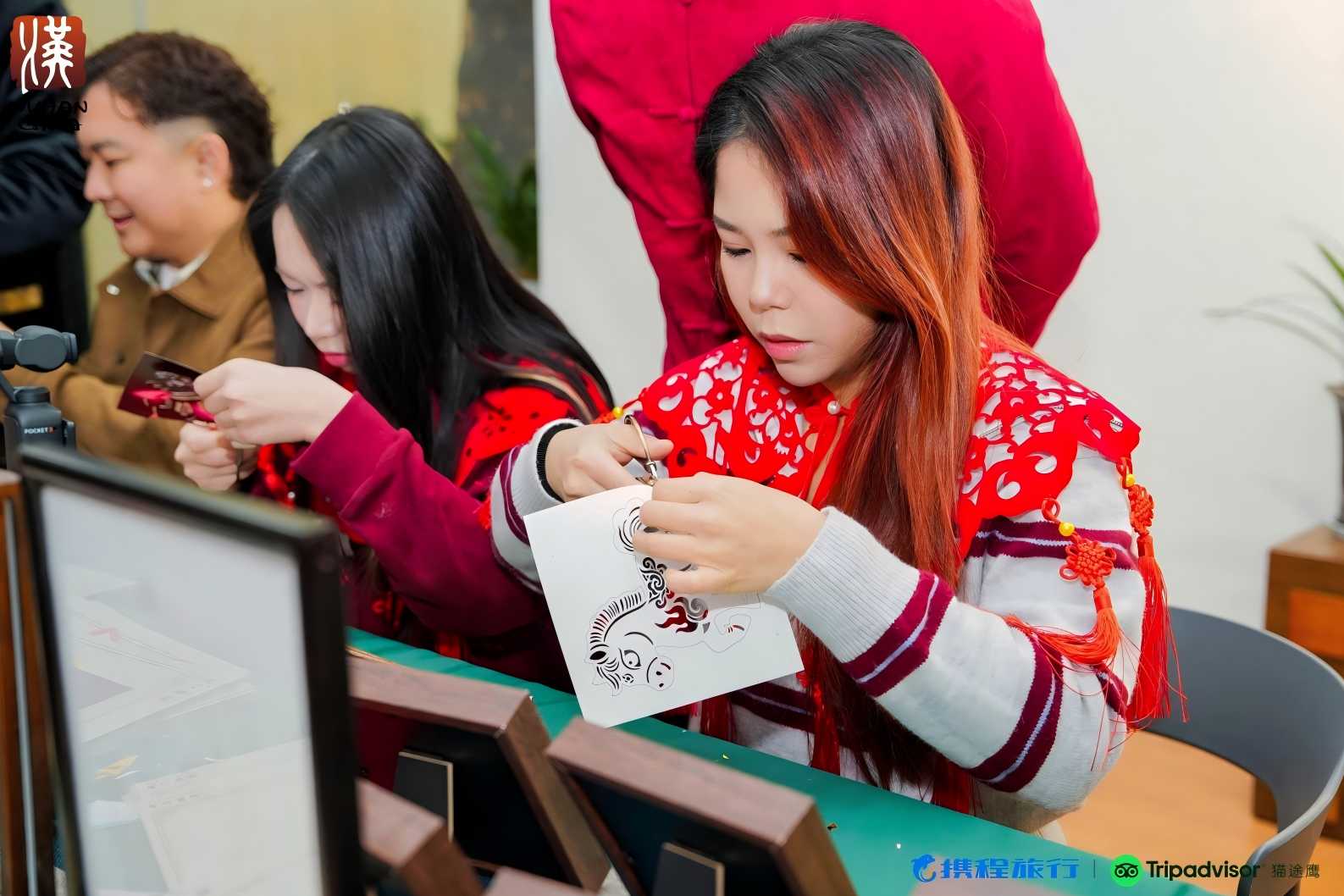
Core Perspective - The article highlights the growing trend of foreign social media users engaging in immersive experiences of Chinese culture, particularly through the "Become Chinese" phenomenon, which has garnered significant attention online with billions of views [1][12]. Group 1: Event Overview - The "Global Influencer Tour of China" event took place in Wuhan from January 29 to January 31, 2026, featuring ten international travel influencers from countries such as Russia, Malaysia, Vietnam, South Korea, and Belarus [1]. - Influencers participated in a three-day cultural experience, visiting iconic landmarks like the Yellow Crane Tower and East Lake Plum Garden, and engaging in activities that showcased both traditional and modern aspects of Wuhan [1]. Group 2: Cultural Experiences - Influencers experienced traditional Chinese customs and crafts, including making Chuxiang (a type of herbal incense), Han embroidery, and dough figurines, under the guidance of intangible cultural heritage representatives [8][11]. - The event included a visit to the Wuhan Garden Expo Park, where influencers were captivated by the vibrant lantern displays, particularly those symbolizing the Year of the Horse, which they found to be rich in cultural significance [5][10]. Group 3: Modern Innovations - The tour also featured modern technological experiences, such as interacting with humanoid robots at the Hubei Humanoid Robot Innovation Center, where influencers expressed amazement at the robots' dexterity [9][10]. - Influencers noted the blend of traditional and modern elements throughout their journey, emphasizing the depth of Chinese civilization and the vibrant atmosphere of Wuhan [10]. Group 4: Social Media Impact - The influencers documented their experiences through social media, aiming to present a comprehensive and authentic image of China to a global audience, with plans to share videos and photos in the following weeks [11]. - The initiative seeks to convey a warm, open, and innovative image of Wuhan, encapsulating the essence of Chinese New Year celebrations and cultural heritage [11].
说说丨究竟是什么,让外国网友扎堆儿“成为中国人”?
Xin Hua She· 2026-01-31 01:41
Core Viewpoint - The trend of "Becoming Chinese" has gained immense popularity on overseas social media, driven by foreign users' desire to experience Chinese culture and lifestyle rather than changing nationality [1][2]. Group 1: Trend Origin and Development - The "Becoming Chinese" trend was ignited by a Chinese-American influencer who humorously outlined a "Chinese lifestyle code," leading to widespread imitation among foreign users [2]. - Participants engage in various activities, starting from simple actions like drinking hot water and wearing cotton slippers to more complex challenges like singing Chinese songs and practicing traditional exercises [2]. Group 2: Cultural and Economic Context - The surge in interest for "Becoming Chinese" is attributed to the global presence of "Made in China" products, which have become commonplace in daily life, including clothing, household gadgets, and technology [3]. - China's soft power has significantly increased, as evidenced by its rising rank in the 2026 Global Soft Power Index, where it is the only country in the top ten to improve its position [3]. - The success of Chinese cultural products, such as the film "Ne Zha" and the game "Black Myth: Wukong," along with relaxed visa policies, has facilitated cultural exchange and encouraged foreign visitors to experience modern Chinese life firsthand [3]. Group 3: Cultural Exchange and Engagement - The "Becoming Chinese" phenomenon represents a new paradigm of cultural dissemination, shifting from traditional symbols like the Great Wall and pandas to everyday experiences, allowing more people to transition from mere observers to active participants in Chinese culture [3][4]. - This trend is characterized as a civilizational dialogue that begins with curiosity and evolves into shared resonance, suggesting that more stories of warmth between China and the world are yet to be told [4].
体验“成为中国人”?老广:先从叹茶开始|广货行天下
Nan Fang Nong Cun Bao· 2026-01-27 20:33
Core Viewpoint - The article explores the concept of "Becoming Chinese" through the lens of daily life in Guangdong, emphasizing the cultural significance of tea and its integration into various aspects of life [2][3][38]. Group 1: Tea Culture in Guangdong - Tea in Guangdong is not merely a beverage but a vital part of daily rituals, reflecting a lifestyle that values leisure and enjoyment [4][10]. - The experience of drinking tea, such as "一盅两件," is characterized by a relaxed atmosphere, where various types of tea and dim sum are enjoyed together [8][12]. Group 2: Culinary Pairings and Health Benefits - After a hearty meal, tea is consumed to aid digestion, with options like Phoenix Dan Cong and aged Pu-erh being highlighted for their rich flavors and health benefits [16][19]. - Traditional snacks like green bean cakes and fermented bean curd biscuits complement the tea, enhancing the overall tasting experience [17][20]. Group 3: Modern Tea Trends - The afternoon tea culture in Guangdong has evolved, with younger generations embracing new tea drinks, showcasing innovation and creativity in the beverage industry [22][24]. - The fusion of Eastern and Western tea traditions is evident in experiences like "British afternoon tea," which incorporates local delicacies and porcelain, reflecting Guangdong's historical trade connections [26][34]. Group 4: Cultural Significance - The article emphasizes that tea culture in Guangdong transcends regional boundaries, serving as a cultural bridge between local and global communities [36][38].
