房地产市场规范

Search documents
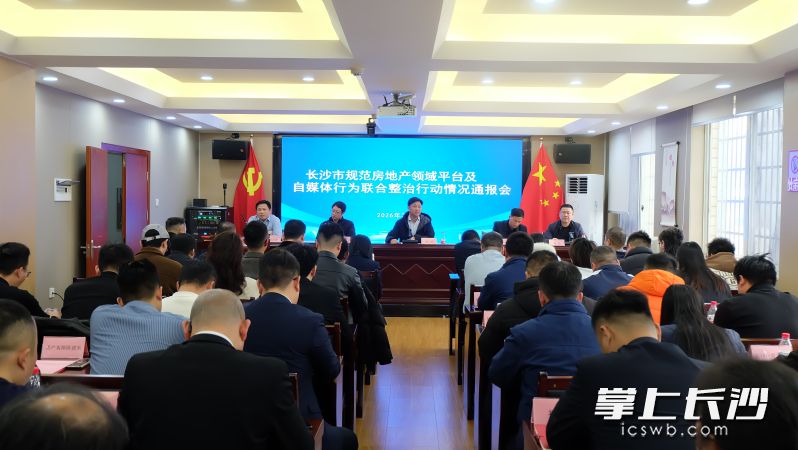
长沙重拳规范房地产信息发布 划定自媒体“红线”守护市场秩序
Xin Lang Cai Jing· 2026-02-05 14:04
Core Viewpoint - The Changsha Municipal Housing and Urban-Rural Development Bureau, along with other departments, has initiated a joint action to regulate real estate platforms and self-media behavior, focusing on five categories of illegal activities in the real estate sector [2][5]. Group 1: Regulatory Actions - A joint action was launched in January to address issues related to real estate self-media accounts, online platforms, and real estate agencies, targeting five types of illegal activities [2]. - The action utilized a dual approach of "online monitoring + offline verification," scanning over 6,000 accounts and reviewing more than 11,000 pieces of information [2]. - Significant improvements were noted, including a marked increase in the verification rate of real estate agency listings and a reduction in complaints related to false promises and unlicensed operations [2][6]. Group 2: Negative Behavior List - The Changsha Real Estate Agency Association released a "Negative Behavior List" outlining four major categories and 20 prohibited behaviors for real estate self-media operations [5]. - Prohibited actions include fabricating policies and false information about housing prices, misleading marketing practices, and malicious defamation of specific companies or projects [5]. - The association will implement a range of self-regulatory penalties for entities engaging in listed negative behaviors, from warnings to public disclosure of high-risk status [5]. Group 3: Future Oversight - The Changsha Municipal Housing Trading Management Center plans to enhance market supervision and industry guidance, establishing a mechanism for tracking problem rectifications [6]. - Regular reviews will be conducted to ensure compliance and promote orderly professional conduct within the industry [6].

违规!西安发布最新情况通报!
Xin Lang Cai Jing· 2026-01-22 10:08
Core Viewpoint - The Xi'an housing market is undergoing regulatory scrutiny to ensure a stable and healthy development, with actions taken against four real estate agencies for violating industry regulations and spreading misleading information [1][3][4]. Group 1: Regulatory Actions - Four real estate agencies have been penalized for their actions that disrupt market order and mislead the public [1][3]. - The agency "XX Good House Notes" and its operator were found to promote significant price drops by exaggerating market fluctuations, leading to a deduction of 20 credit points for both the company and the account operator [1][4]. - The agency "Real Estate XX" was cited for disseminating misleading information without official sources, resulting in a similar penalty of 20 credit points and being placed under close supervision [1][4]. Group 2: Misleading Practices - The account "Xi'an XX Selling House XXX" was found to distort the interpretation of the Xi'an housing market by using exaggerated titles and content, leading to a deduction of 20 credit points and regulatory scrutiny [2][4]. - The regulatory bodies emphasized that the internet is not a lawless space and urged real estate agencies to adhere to proper operational standards, avoiding misleading practices and false information dissemination [5].

北京多部门约谈抖音小红书等平台,清理违规房产信息1.7万条
Mei Ri Jing Ji Xin Wen· 2025-12-17 15:16
Core Insights - Multiple internet platforms, including Douyin and Xiaohongshu, were summoned by Beijing's housing authority to address issues related to the dissemination of false information and market panic in the real estate sector [1] Group 1: Regulatory Actions - Beijing's housing authority conducted a joint meeting with various departments to strengthen online ecosystem governance and curb irregularities in the real estate market [1] - The meeting highlighted that certain self-media accounts were spreading negative narratives about Beijing's housing market, creating panic and disseminating false information [1] - Platforms were instructed to conduct comprehensive self-checks, promptly remove illegal information, and establish a regular internal review mechanism for industry content [1] Group 2: Compliance and Cleanup Efforts - As of December 12, under the supervision of relevant authorities, platforms like 58.com, Douyin, Xiaohongshu, and others have collectively cleaned up over 17,000 pieces of illegal and harmful information [1] - More than 2,300 accounts and live streams that amplified market fluctuations and spread anxiety were removed, including those associated with misleading real estate content [1] - Companies like Lianjia, Wo Ai Wo Jia, and Maidian screened over 1.3 million online property listings, resulting in the removal of over 480 non-compliant listings [1]


房产中介或面临大洗牌,央媒发声,多地行动,房产走势已明朗
Sou Hu Cai Jing· 2025-10-25 23:31
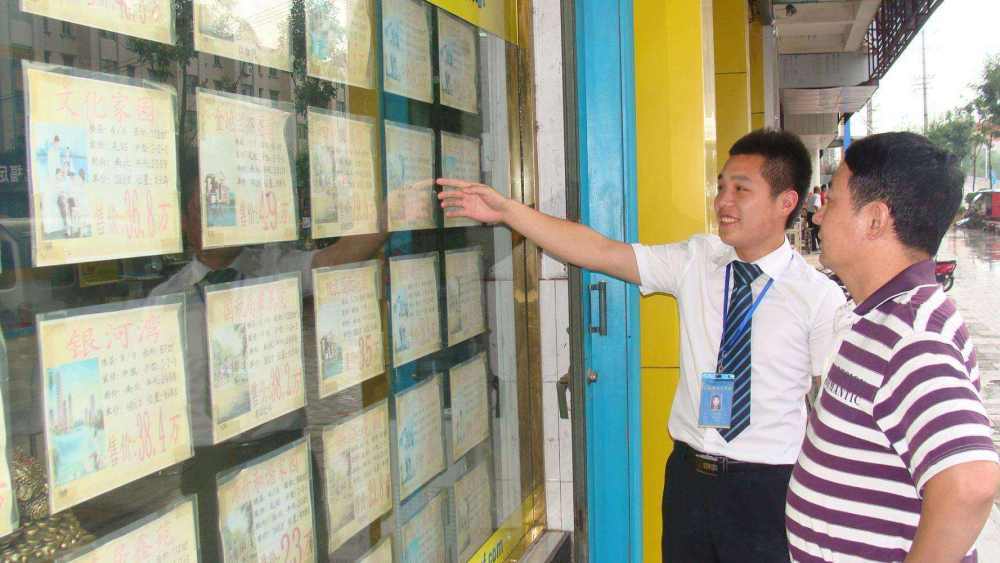
Core Insights - The real estate agency industry in China has rapidly expanded, with over two million practitioners, but there is a growing call for the abolition of real estate agents due to widespread consumer dissatisfaction [1][3] Group 1: Consumer Dissatisfaction - A survey indicates that 85% of respondents are dissatisfied with agency services, and 73% support the cancellation of real estate agents [1] - Key issues include the prevalence of false or outdated property listings, leading to feelings of deception among consumers when agents redirect them to less favorable options [3] - Some unscrupulous agents encourage buyers and sellers to sign "yin-yang contracts" to evade taxes, which can lead to legal repercussions for the parties involved [5] Group 2: Market Disruption - Real estate agents are accused of artificially inflating prices, disrupting the normal market order by persuading homeowners to raise prices based on exaggerated market trends [7] - This manipulation has led many homeowners, who initially had no intention to increase prices, to raise their selling or rental prices [7] Group 3: Regulatory Environment - The call for the abolition of real estate agents may be unrealistic, but the industry is expected to face stricter regulations and oversight in the future [9] - A notice issued by the Ministry of Housing and Urban-Rural Development and eight other departments emphasizes the need to address significant issues in the real estate market within three years [9] - Major cities like Beijing, Guangzhou, and Nanjing have begun implementing comprehensive regulations on real estate agencies to tackle existing market chaos [9] Group 4: Future Trends - The future of the real estate industry is becoming clearer, with increased regulatory efforts leading to a more standardized market, potentially eliminating non-compliant second-hand agencies [10] - The influx of private capital into online real estate trading platforms is expected to reduce reliance on traditional agents by providing easier access to information for buyers and sellers [10] - Local governments are establishing second-hand housing transaction centers to alleviate information asymmetry between buyers, sellers, and agents, as seen in Yongcheng, Henan Province [10]
房产中介不得PUA房主,北京协会发文
Di Yi Cai Jing Zi Xun· 2025-09-30 06:21
Core Viewpoint - The Beijing Real Estate Brokerage Industry Association has issued a set of 10 initiatives aimed at promoting ethical practices and transparency within the real estate market, focusing on accurate information dissemination and fair business operations. Group 1: Correct Public Opinion Guidance - Avoid negative market narratives: Members should not publish or spread exaggerated risks or create market panic, and should interpret market data objectively [2] - Reflect true market information: Members must not selectively choose low-priced properties with significant flaws as representative cases, avoiding misleading generalizations [2] - Standardize information release: The use of sensationalist headlines like "housing prices plummet" is prohibited, ensuring that market data and interpretations are accurate and reliable [2] Group 2: Standardize Business Operations - Prohibit false showings and low-price inducements: Members must not create false showing volumes to meet KPIs or entice homeowners to list properties at lower prices [3] - Ban malicious price suppression: Properties should be evaluated scientifically, and members must not use manipulative tactics to pressure homeowners into lowering prices [3] - Standardize pricing negotiations: Members must accurately reflect market prices and cannot lower quotes to disrupt market order without client authorization [3] Group 3: Standardize Charging Practices - Clear pricing: Members must strictly adhere to transparent pricing practices, publicly displaying service items, content, and fee standards [4] - Regulate commission collection: Members should not engage in improper competition through promises of rebates or commissions, and must avoid any form of improper benefit transfer [4] Group 4: Promote Fair Competition - Ban exclusive agreements: In new property agency and channel businesses, members must not leverage their position to require developers to sign exclusive agreements, ensuring fair competition [5] - Reasonable fee determination: Fees should be based on the quality and content of real estate brokerage services, and should not be determined through low-price competition [5]
房产中介不得PUA房主,北京协会发文
第一财经· 2025-09-30 06:17
Core Viewpoint - The Beijing Real Estate Brokerage Industry Association has issued a set of 10 initiatives aimed at promoting ethical practices and transparency within the real estate market, emphasizing the need to avoid sensationalism and ensure fair competition [1][2][3][4][5]. Group 1: Correct Public Opinion Guidance - Avoid negative market narratives: Members should refrain from spreading exaggerated risks or creating panic in the real estate market, and instead provide objective interpretations of market data [2]. - Accurate market representation: Members must not selectively present low-priced properties as representative cases, which could lead to misleading conclusions about market conditions [2]. - Regulate information dissemination: The use of sensationalist headlines like "housing prices plummet" is prohibited, ensuring that all market data shared is accurate, comprehensive, and sourced reliably [2]. Group 2: Standardize Business Operations - Prohibit false showings and low-price inducements: Members must not create fake property viewings to meet KPIs or entice homeowners to list properties at lower prices [3]. - Ban malicious price suppression: Properties should be evaluated scientifically, and members must not use manipulative tactics to pressure homeowners into lowering prices [3]. - Regulate property pricing negotiations: Members must accurately reflect market prices and cannot engage in lowball negotiations without client authorization [3]. Group 3: Standardize Charging Practices - Clear pricing policies: Members are required to adhere to transparent pricing practices, publicly displaying service items, content, and fee standards without hidden charges [4]. - Regulate commission practices: Members must not engage in improper competition through promises of rebates or commissions, and should avoid any form of improper benefit transfer [4]. Group 4: Promote Fair Competition - Ban exclusive agreements: In new property agency and channel operations, members should not leverage their position to enforce exclusive agreements with developers, ensuring fair market competition [5]. - Reasonable fee determination: Fees should be based on the quality and content of real estate services, and members must not resort to price-cutting strategies to gain business [5].