扩张战略

Search documents
特斯拉高管表示,为支持马斯克扩张性的太阳能业务战略,公司正在加快招聘步伐。
Xin Lang Cai Jing· 2026-02-06 21:30
Core Insights - Tesla executives have indicated that the company is accelerating its hiring efforts to support Elon Musk's expansive solar business strategy [1] Group 1 - The company is focusing on expanding its solar business, which is part of a broader strategy led by Elon Musk [1] - The acceleration in hiring is a direct response to the need for increased workforce to support this strategic expansion [1]


一年关店超600家:重回高端的喜茶,艰难前行的加盟商
3 6 Ke· 2025-12-17 11:53
Core Insights - The core point of the article is that Heytea has experienced significant growth in store numbers but is now facing challenges with its franchise model, leading to a strategic shift towards maintaining quality and high-end positioning while managing franchisee pressures [1][9][29]. Expansion and Franchise Strategy - Heytea's store count increased from under 900 to over 3200, with more than 2300 being franchise stores, marking a successful phase in its franchise strategy [1]. - The franchise model was initiated in November 2022 to expand into more markets [2]. - However, the expansion faced difficulties, leading to a suspension of the franchise business in February 2023 and franchisees expressing the need for more support from the brand [3][19]. Store Closures and Challenges - Over the past year, Heytea closed more than 650 stores, indicating a high closure rate within the industry [4][6]. - The reasons for store closures include contract expirations and poor performance, with franchisees facing significant pressure due to high standards and a competitive market [6][10]. - Monitoring data shows a rapid shift from expansion to contraction, with a net closure of 680 stores projected by October 2025 [9][10]. Franchisee Experience and Pressure - Franchisees report high entry costs and operational pressures, with some considering not to renew contracts due to financial strains [12][19]. - The operational demands from Heytea, including strict adherence to quality standards, have led to high turnover rates among employees, further complicating franchisee operations [17][19]. Market Position and Competition - Heytea's market position has weakened compared to competitors, with other brands like Mixue and Gu Ming rapidly expanding their store counts [24][25]. - The company is exploring alternative expansion strategies, including smaller store formats and international markets, to maintain its brand quality while adapting to market conditions [26][28]. High-End Positioning and Product Strategy - Heytea aims to return to a high-end market position, focusing on product quality and customer experience, despite the challenges of competing in a price-sensitive market [29][33]. - The company has introduced new products with high-quality ingredients, but faces difficulties in maintaining premium pricing due to market competition [34][36]. - The brand's commitment to high standards is evident in its operational practices and product offerings, although achieving this in a competitive landscape remains challenging [39].


当山姆会员选择不再续费
Sou Hu Cai Jing· 2025-11-17 05:38
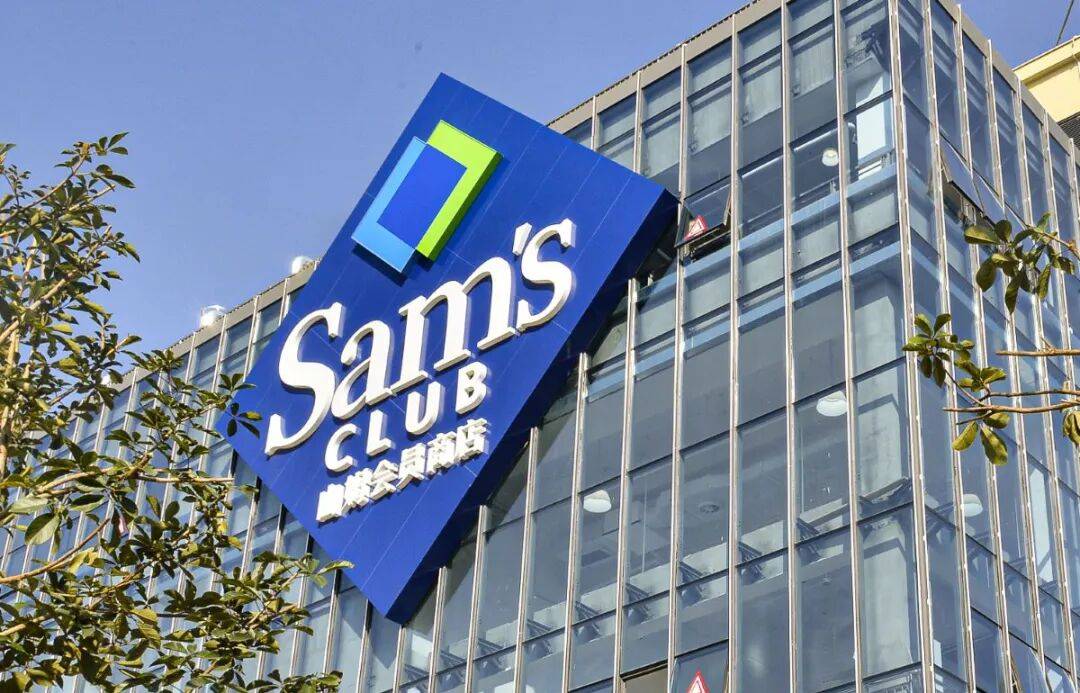
Core Insights - Sam's Club in China has achieved significant growth, with nearly 9 million members contributing over 100 billion in revenue, making it the first foreign retail company in China to surpass this milestone [2][24] - However, Sam's Club is facing an unprecedented trust crisis due to declining product quality and changes in its selection strategy, leading to customer dissatisfaction and loss of membership [5][10] Group 1: Business Performance - Sam's Club has shifted its strategic focus towards growth and profitability, moving away from its previous cautious approach in first-tier cities [2] - The company has expanded its membership base significantly, with membership numbers increasing from approximately 300,000 in 2019 to 9 million in 2024 [14][29] - Sam's Club's revenue in China is projected to account for nearly two-thirds of Walmart China's overall performance [24] Group 2: Customer Experience and Trust Issues - Customers have reported a decline in product quality, particularly in self-branded items, leading to complaints about inferior products and a lack of trust [10][22] - A significant number of complaints on platforms like Black Cat Complaints highlight issues with food quality, including moldy products and foreign objects in baby formula [10] - Many members are choosing not to renew their memberships due to dissatisfaction with product quality and the perception that the brand is moving towards lower-quality, domestically sourced products [22][33] Group 3: Competitive Landscape - The rapid expansion of Sam's Club has led to increased pressure on product quality and selection, with a shift towards a more aggressive, KPI-driven internal culture [18][20] - Competitors such as Costco and local brands like Hema and Aldi are gaining traction by offering similar products with better quality and pricing strategies [30][32] - The market for warehouse-style membership stores is becoming increasingly crowded, with new entrants and established brands enhancing their offerings to attract consumers [27][30]

扩张失败,连亏12年的西安旅游发出求救
2 1 Shi Ji Jing Ji Bao Dao· 2025-11-13 01:01
Core Viewpoint - Xi'an Tourism has significantly shifted its fundraising strategy, moving from expansion plans to focusing on alleviating financial pressure through a new A-share issuance plan aimed at raising no more than 300 million yuan for working capital and debt repayment [1][3][5]. Fundraising Strategy - The company plans to raise up to 300 million yuan through a private placement of A-shares at a price of 9.8 yuan per share, with all proceeds allocated to supplementing working capital and repaying bank loans [5][6]. - This new plan marks a drastic reduction from the previous year's proposal, which aimed to raise approximately 400 million yuan for direct hotel expansion projects [3][7]. Financial Performance - In 2024, Xi'an Tourism reported a revenue of 582 million yuan, a year-on-year decline of 13.54%, with a net loss of 260 million yuan, representing a 69.13% increase in losses [10]. - The company has experienced continuous net losses for 12 years, with significant declines in its traditional commercial business, which previously accounted for over 60% of revenue [11][12]. Business Model Challenges - The shift in revenue structure has not led to profitability, as the hotel business has seen a further decline in gross margin, reaching -12.54% [13]. - Despite expanding its travel agency and hotel operations, the company faces a "bleeding growth" scenario, where increased revenue does not translate into profits, exacerbating resource consumption [14][15]. Strategic Implications - The drastic change in fundraising strategy signals a critical need for the company to optimize its cost structure and address ongoing losses in its core business [15]. - The competitive landscape in the cultural tourism industry is intensifying, and the company must confront the challenge of breaking the cycle of low margins, expansion, and financial losses [16].