拥江发展

Search documents
市政府就《政府工作报告》和政府工作征求代表委员意见
Nan Jing Ri Bao· 2026-01-10 02:58
Group 1 - The meeting, chaired by Acting Mayor Li Zhongjun, focused on drafting the "Government Work Report" and soliciting opinions from representatives and committee members [1] - Representatives expressed that the "Government Work Report" is comprehensive and objective, providing clear development strategies for the upcoming year [1] - Specific suggestions were made regarding deepening school-enterprise cooperation, promoting urban renewal, accelerating riverfront development, boosting consumer vitality, integrating culture and tourism, enhancing business attraction, optimizing the business environment, promoting rural revitalization, and strengthening grassroots governance [1] Group 2 - Li Zhongjun emphasized the importance of support and supervision from the People's Congress and the Political Consultative Conference, as well as the need for representatives to reflect public sentiment and provide insightful suggestions [2] - The city government aims to create conditions for representatives to connect with the public, conduct research, and fulfill their responsibilities, ensuring that their suggestions are transformed into actionable development strategies [2]
拥江发展再添“黄金动脉” 南京新生圩长江大桥昨日通车
Jiang Nan Shi Bao· 2025-11-27 07:14
Core Points - The Nanjing Xinxin River Yangtze Bridge officially opened on November 26, significantly reducing travel time across the river to under 10 minutes, marking a key development in Nanjing's urban infrastructure [1][3] - The bridge, part of the Nanjing urban planning, is a crucial connection between the main city and the Jiangbei New Area, enhancing regional economic collaboration [1][3] Summary by Sections Construction and Engineering Achievements - The bridge is described as a culmination of modern engineering technology, overcoming several world-class challenges and providing a "Nanjing solution" for similar bridge constructions [2] - Innovations include the development of the highest strength 2100Mpa main cable steel wire in China, saving 7,300 tons of steel, and ensuring safety under extreme conditions such as wind loads and earthquakes [2] - Research on the anchorage foundation's soil stress mechanisms improved the foundation's bearing efficiency by 30% [2] - The bridge features enhanced wind resistance measures and a fire protection system for the cable system, significantly improving safety and comfort for vehicles [2] Traffic Regulations and Functionality - From the day of opening, the bridge prohibits hazardous materials transport vehicles, medium and large trucks, motorcycles, non-motorized vehicles, and pedestrians, ensuring traffic safety and defining the bridge's primary function for passenger transport and light logistics [2] - This regulation aligns with the bridge's role in supporting regional economic development and passenger services [2] Impact on Regional Connectivity - The bridge's opening is expected to enhance the Yangtze River's crossing capacity and improve the regional road network, marking a new chapter in Nanjing's development strategy during the 14th Five-Year Plan [3]
经济大省省会,正在加速“缝合”
3 6 Ke· 2025-11-27 02:11
Core Viewpoint - The opening of the Xinxingwei Yangtze River Bridge marks a significant development in Nanjing's transportation infrastructure, enhancing connectivity between the main city and the Jiangbei New Area, and reducing travel time from one hour to under ten minutes [1][3]. Group 1: Infrastructure Development - The Xinxingwei Yangtze River Bridge is the sixth free crossing in Nanjing, with a total length of approximately 13.17 kilometers and a main span of 1,760 meters, making it the "first in China and third in the world" [3][8]. - The bridge is designed for a speed of 80 km/h and features a six-lane dual carriageway, serving as a crucial hub for Nanjing's urban development strategy [3][8]. Group 2: Urban Development Strategy - Nanjing's "embracing the river development" strategy aims to shift the city's focus from the Qinhuai River era to the Yangtze River era, promoting balanced development between the southern and northern banks of the river [3][8]. - The Jiangbei New Area is identified as a key growth engine for regional economic development, supported by recent government policies aimed at enhancing its capabilities [3][8]. Group 3: Future Plans - Nanjing has accelerated the construction of river-crossing channels, with three new crossings completed during the 14th Five-Year Plan period, bringing the total to 15 crossings [8]. - Future plans include the construction of 24 additional crossings over the next decade, which will facilitate a transition from a "single center" to a "multi-center network" urban structure [8].

城市24小时 | 经济大省省会 正在加速“缝合”
Mei Ri Jing Ji Xin Wen· 2025-11-26 17:39
Core Points - The Nanjing Xinshengwei Yangtze River Bridge officially opened on November 26, significantly reducing travel time from Nanjing's main city to Jiangbei New Area from 1 hour to under 10 minutes [1] - The bridge is a crucial infrastructure project, spanning approximately 13.17 kilometers with a main span of 1760 meters, making it the "first in China and third in the world" [1] - The bridge is part of Nanjing's strategy to enhance urban development by promoting the "embracing the river" initiative, aiming to integrate the Jiangnan and Jiangbei regions [1][6] Infrastructure Development - The construction of the Xinshengwei Bridge is part of a broader initiative to accelerate the development of river-crossing infrastructure in Nanjing, with three new crossings completed during the 14th Five-Year Plan period [6] - Nanjing now has a total of 7 river-crossing bridges and 15 river-crossing channels, with additional projects underway [6] - Future plans include the construction of 24 river-crossing channels by 2035, indicating a significant push towards enhancing connectivity between the two banks of the Yangtze River [6] Economic Impact - The development of river-crossing channels is expected to transform Nanjing's urban structure from a "single center" to a "multi-center network," improving resource allocation efficiency across the city [6] - The Jiangbei New Area is positioned as a key growth engine for regional economic development, supported by government policies aimed at fostering high-quality construction and modernization [1][2]
城市24小时 | 经济大省省会,正在加速“缝合”
Mei Ri Jing Ji Xin Wen· 2025-11-26 16:37
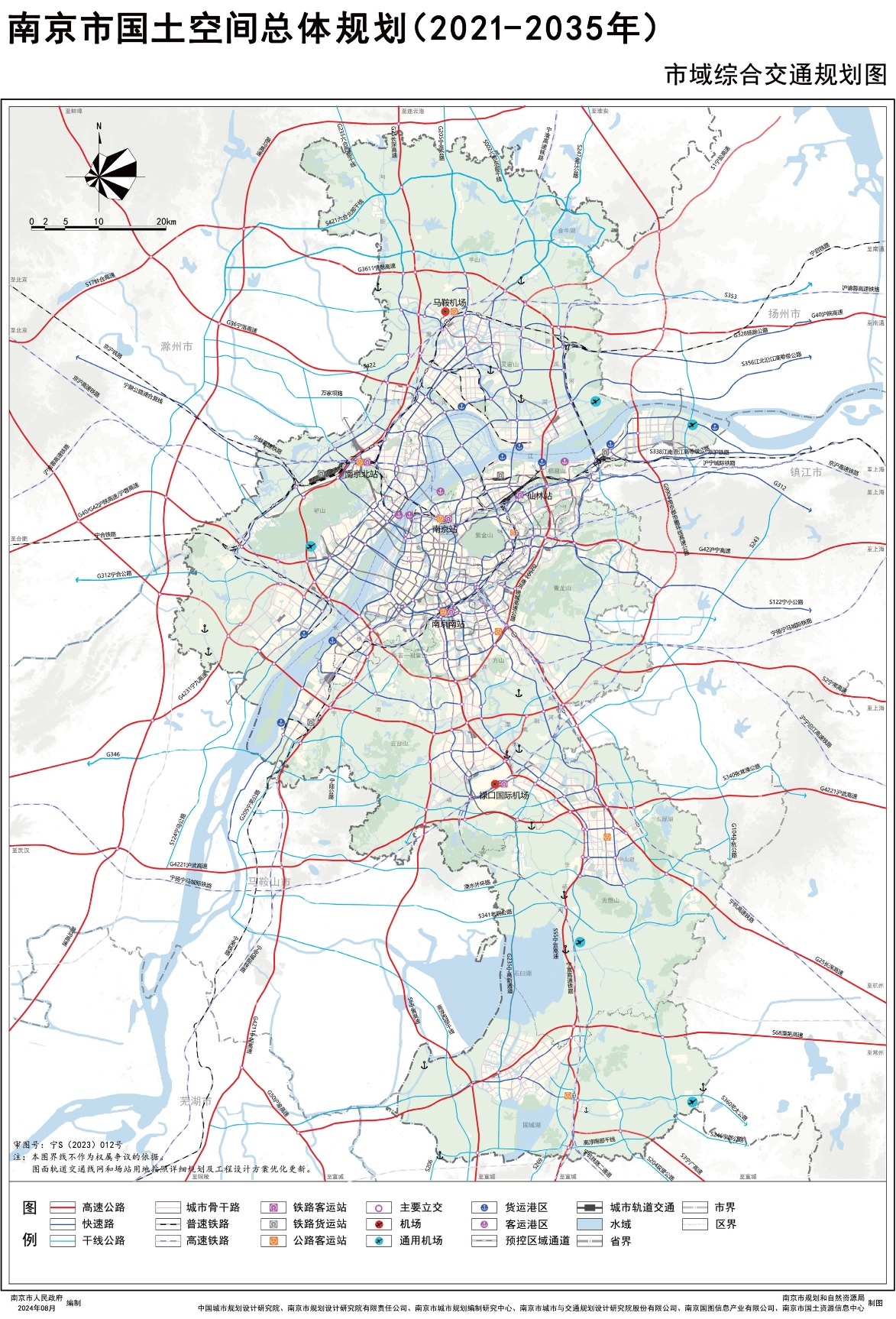
Core Viewpoint - The opening of the Xinxingwei Yangtze River Bridge marks a significant development in Nanjing's transportation infrastructure, enhancing connectivity between the main city and the Jiangbei New Area, and supporting the city's "embracing the river" development strategy [1][3][4]. Infrastructure Development - The Xinxingwei Yangtze River Bridge is the sixth free crossing in Nanjing, reducing travel time from one hour to under ten minutes between the main city and Jiangbei New Area [1]. - The bridge spans approximately 13.17 kilometers with a main bridge length of 1,760 meters, making it the "first in China and third in the world" [3]. - Nanjing has accelerated the construction of river crossings, with three completed during the 14th Five-Year Plan period, bringing the total to 13 completed and 4 under construction [10]. Urban Development Strategy - Nanjing's "embracing the river" strategy aims to enhance the development of the Jiangbei New Area, which is crucial for regional economic growth and modernization efforts in Jiangsu [4]. - The city plans to construct 24 crossings by 2035, transitioning from a "single center" to a "multi-center network" urban structure, thereby improving resource allocation efficiency [10]. Economic Impact - The development of river crossings is expected to alleviate pressure on the main city and support the establishment of a globally influential industrial and technological innovation center [10].
新生圩长江大桥今天将通车,南京以“中国跨度”撬动“拥江格局”
Nan Jing Ri Bao· 2025-11-26 02:31
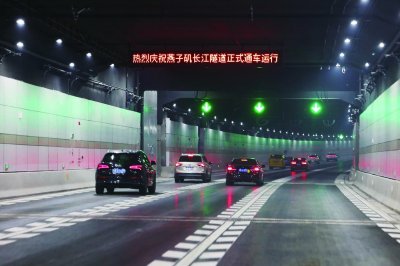
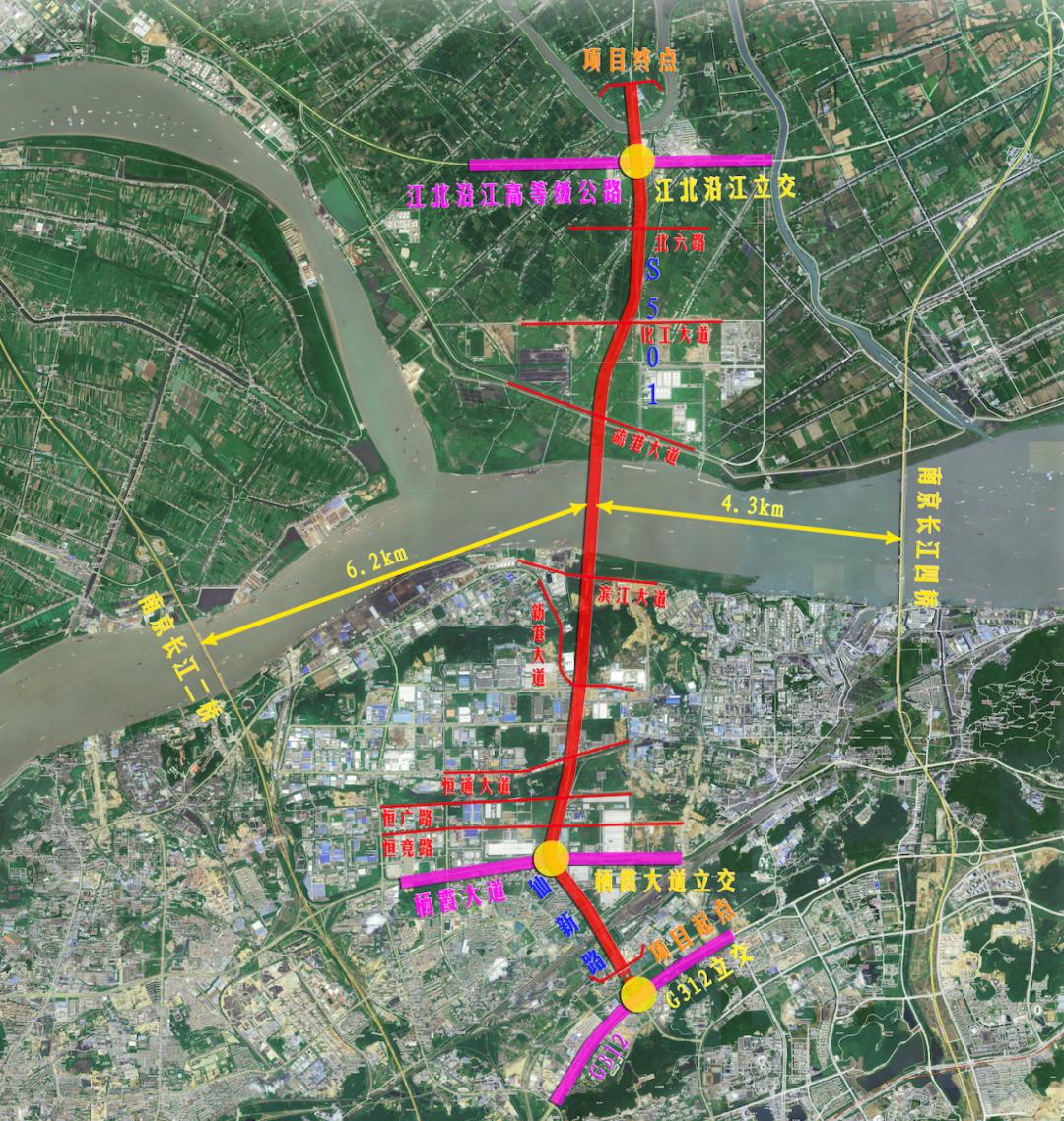
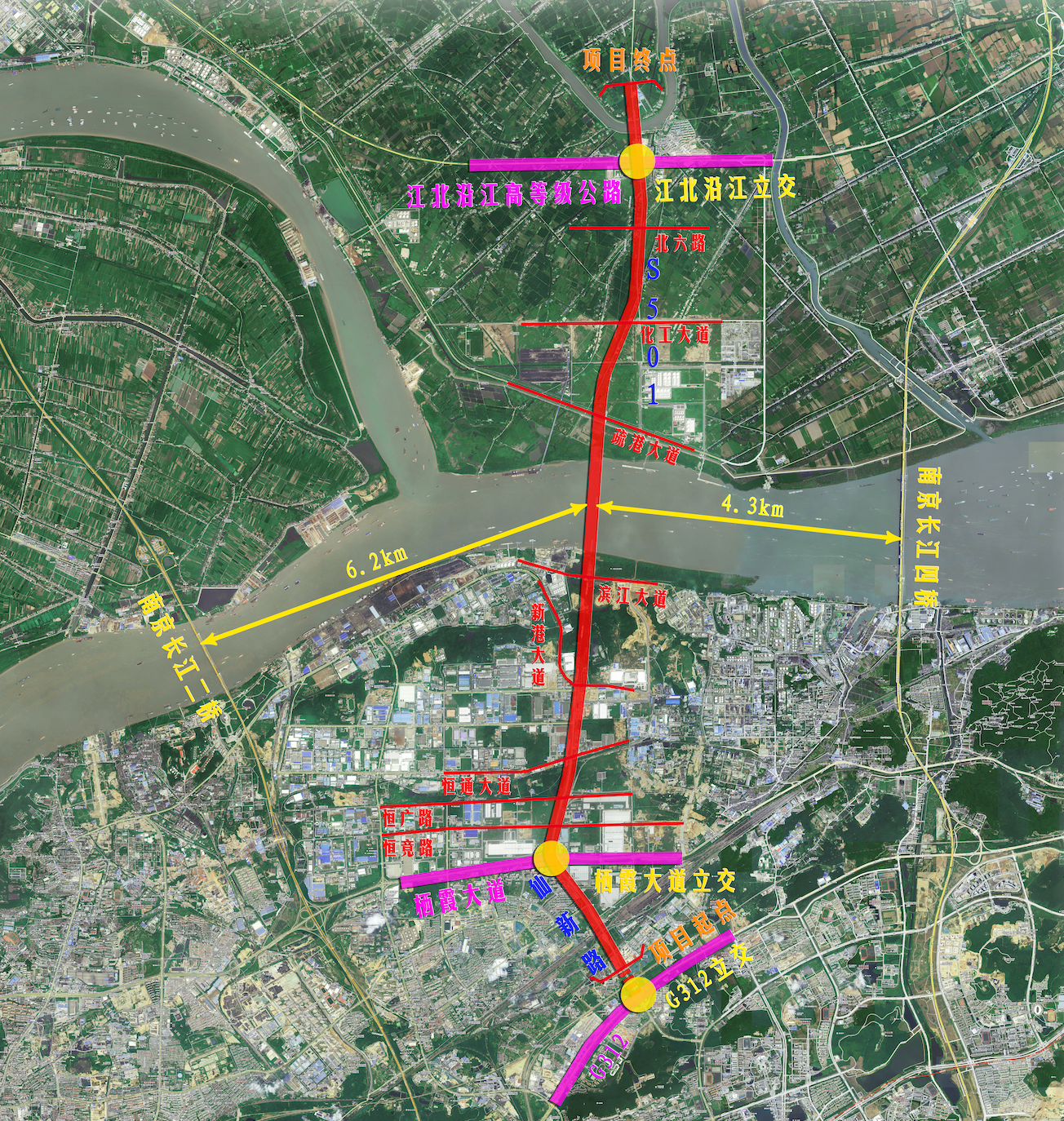
Core Insights - The opening of the Nanjing Xinshewei Yangtze River Bridge marks a significant milestone in the city's transportation infrastructure, being the third major river crossing completed during the 14th Five-Year Plan, enhancing the urban traffic layout and promoting regional integration [4][7][20]. Transportation Infrastructure Development - The Nanjing Xinshewei Yangtze River Bridge, with a main span of 1,760 meters, is recognized as the "first in China and third in the world" for its type, contributing to the city's goal of becoming a transportation hub [4][20]. - The bridge, along with the Yanziji Yangtze River Tunnel and the upcoming Ningyang Yangtze River Bridge, forms a network of crossings that significantly reduces travel time across the river, facilitating a more integrated urban experience [7][10][11]. Economic and Social Impact - The new bridge and tunnels have transformed commuting patterns, reducing travel times from 30 minutes to as little as 10 minutes for residents, thus enhancing the quality of life and economic opportunities in the region [10][11]. - The infrastructure improvements are expected to stimulate investment opportunities along the routes, as logistics efficiency increases for businesses [8][10]. Regional Integration and Urban Development - The development of these crossings is pivotal for the integration of the Nanjing metropolitan area, allowing for a more cohesive urban structure and promoting a "one-hour commuting circle" among Nanjing, Yangzhou, and surrounding areas [13][21]. - The transportation network is seen as a strategic link that not only connects cities but also integrates industrial chains, enhancing collaboration and economic growth across the region [21][22]. Future Plans and Projections - By the end of the 14th Five-Year Plan, Nanjing aims to have 15 river crossings, further solidifying its position as a key transportation hub and supporting its goal of becoming a globally influential center for industrial and technological innovation [17][20].