改善型购房

Search documents
今明两年,老百姓“买房”好还是“卖房”好?内行人说出实情
Sou Hu Cai Jing· 2026-01-15 13:34
Core Viewpoint - The current real estate market presents a dichotomy where government policies are supportive of home buying, yet many cities, especially lower-tier ones, are experiencing declining property prices, leading to uncertainty among potential buyers and sellers [1][3][5]. Group 1: Suitable for Buying - Individuals with genuine housing needs, such as marriage, childbirth, or school enrollment, are in a favorable position to purchase homes due to low down payment ratios and mortgage rates [7][10]. - Families looking to upgrade from older properties in first and second-tier cities can consider selling their current homes and purchasing better ones, as there is significant room for negotiation in the current market [12][14]. - Investors with ample funds seeking to acquire quality properties in core urban areas for long-term stability should focus on prime locations and avoid low-quality properties [18][20]. Group 2: Suitable for Selling - Families holding multiple properties in third and fourth-tier cities or suburban areas that are not generating rental income should consider selling, as these assets face significant depreciation risks [22][24]. - Households with high leverage and tight cash flow should prioritize selling non-essential properties to reduce debt and improve financial stability [26][28]. - Families with a heavy concentration of assets in real estate should consider diversifying their investments to mitigate risks associated with a downturn in the property market [30][31]. Group 3: Observational Stance - Individuals looking to engage in short-term speculation without taking on significant risks or those with properties in less desirable locations may benefit from a wait-and-see approach [35][37].


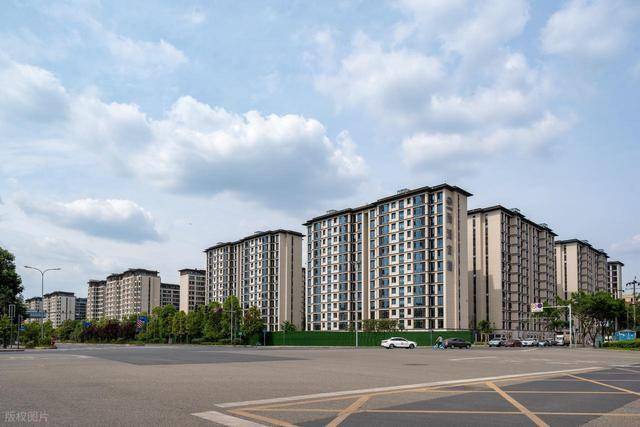
哈市上半年二手房成交量超3万套丨全市二手房成交量呈现出明显的区域分化特点
Sou Hu Cai Jing· 2025-07-27 04:23
Core Insights - The real estate market in Harbin has shown a positive trend in second-hand housing transactions, with a total of 31,394 units sold in the first half of the year, marking a year-on-year increase [1][6] - The demand for housing is primarily driven by first-time buyers, accounting for approximately 60% of transactions, while improvement-oriented buyers make up about 35% [5][6] Group 1: Market Performance - The second-hand housing transaction volume increased by approximately 16% year-on-year for a major real estate company, with the average transaction cycle shortening to 15-20 days [3][5] - The overall transaction volume in the first quarter was 13,435 units, reflecting a 6% year-on-year increase, while the second quarter saw a steady performance with slight increases in April (3.47%), May (1.74%), and June (3.93%) [3][6] Group 2: Buyer Demographics - The primary buyers are young first-time homebuyers who are sensitive to total price and area, favoring smaller, lower-priced units [6][8] - Improvement-oriented buyers are more focused on housing quality and amenities, showing a significant interest in larger, high-quality units in well-managed neighborhoods [6][9] Group 3: Policy and Market Dynamics - Recent policy benefits, such as lower mortgage rates and tax incentives, have positively impacted the second-hand housing market, helping to stabilize transactions despite competition from new housing [8][9] - The market is experiencing increased competition due to new housing price reductions and inventory pressures, yet core areas maintain stable prices due to their superior amenities [9]