
数字经济合作

Search documents
第三届中国—土耳其经贸论坛在伊斯坦布尔举办
Xin Lang Cai Jing· 2026-02-08 09:15
Core Viewpoint - The third China-Turkey Economic and Trade Forum was held in Istanbul, highlighting the ongoing cooperation and potential for deeper economic ties between the two countries [1] Group 1: Forum Overview - The forum was attended by over 300 representatives from the political and business sectors of both countries, including key figures such as the President of the China Council for the Promotion of International Trade and the Turkish Trade Minister [1] - The event marked a new starting point for China-Turkey relations, coinciding with the 55th anniversary of diplomatic ties [1] Group 2: Economic Cooperation - The President of the China Council emphasized the importance of enhancing mutual cooperation in various sectors, particularly in new energy, digital economy, and services, while also expanding traditional trade [1] - Turkish business representatives acknowledged China's economic resilience and market potential, expressing interest in strengthening collaboration in supply chain areas, especially in high-tech sectors during the 14th Five-Year Plan period [1] Group 3: Agreements and Initiatives - During the forum, a memorandum of understanding was renewed between the China Council and Turkish economic organizations, indicating a commitment to ongoing collaboration [1] - The China Exhibition Group promoted the upcoming fourth Chain Expo and signed a cooperation memorandum with Turkey's ATA Group, further solidifying business ties [1]
外媒观察丨“好的开始”!国际社会热议韩国总统李在明访华
Xin Lang Cai Jing· 2026-01-06 12:15
Group 1 - The core viewpoint of the articles emphasizes the importance of the healthy development of China-South Korea relations for the well-being of both nations and regional stability [1] - South Korean President Yoon Suk-yeol's visit to China marks a significant diplomatic gesture, highlighting the government's focus on strengthening ties with China [1] - The meeting between Chinese President Xi Jinping and South Korean President Yoon is seen as a step towards enhancing the strategic partnership and mutual cooperation between the two countries [1][2] Group 2 - The visit is characterized as a comprehensive economic diplomatic action, with a large economic delegation accompanying President Yoon, indicating the high importance placed on the Chinese market by the South Korean government and business community [2] - Key topics discussed during the visit include cultural exchanges, supply chain stability, digital economy cooperation, tourism revitalization, and transnational crime governance [2] - The frequent interactions between the leaders of China and South Korea signal a mutual willingness to stabilize and advance their bilateral relations [2]
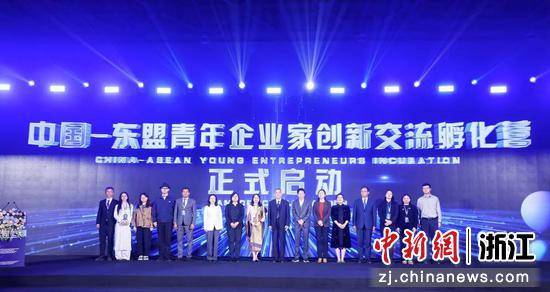
中国—东盟青年企业家创新交流孵化营在杭启动
Sou Hu Cai Jing· 2025-11-04 07:57
Group 1 - The event "China-ASEAN Youth Entrepreneurs Innovation Exchange Incubation Camp" was held in Hangzhou, attracting nearly 30 young entrepreneurs from 10 ASEAN countries and over 40 representatives from Chinese companies [1][3] - The event emphasized the significant potential for cooperation in the digital economy, as highlighted by Liang Zhiliang, a senior official from the Zhejiang Provincial Department of Commerce [1] - The "China-ASEAN Youth Entrepreneurs Innovation Exchange Incubation Camp" was officially launched, aiming to create an international platform integrating digital technology, fashion design, and cross-border e-commerce [1][3] Group 2 - During the project showcase, innovative projects from countries like Cambodia and Brunei were presented alongside local Chinese cases in areas such as green economy, financial investment, digital fashion, and cross-border e-commerce [3] - Participants also visited the Global Cross-Border E-Commerce Innovation Service Center, reinforcing the role of the host, Shangchengli, as a hub connecting digital trade resources between China and ASEAN [6] - The event marked the beginning of future cooperation, with all parties expressing commitment to deepen innovation collaboration in the digital economy and other fields [6]

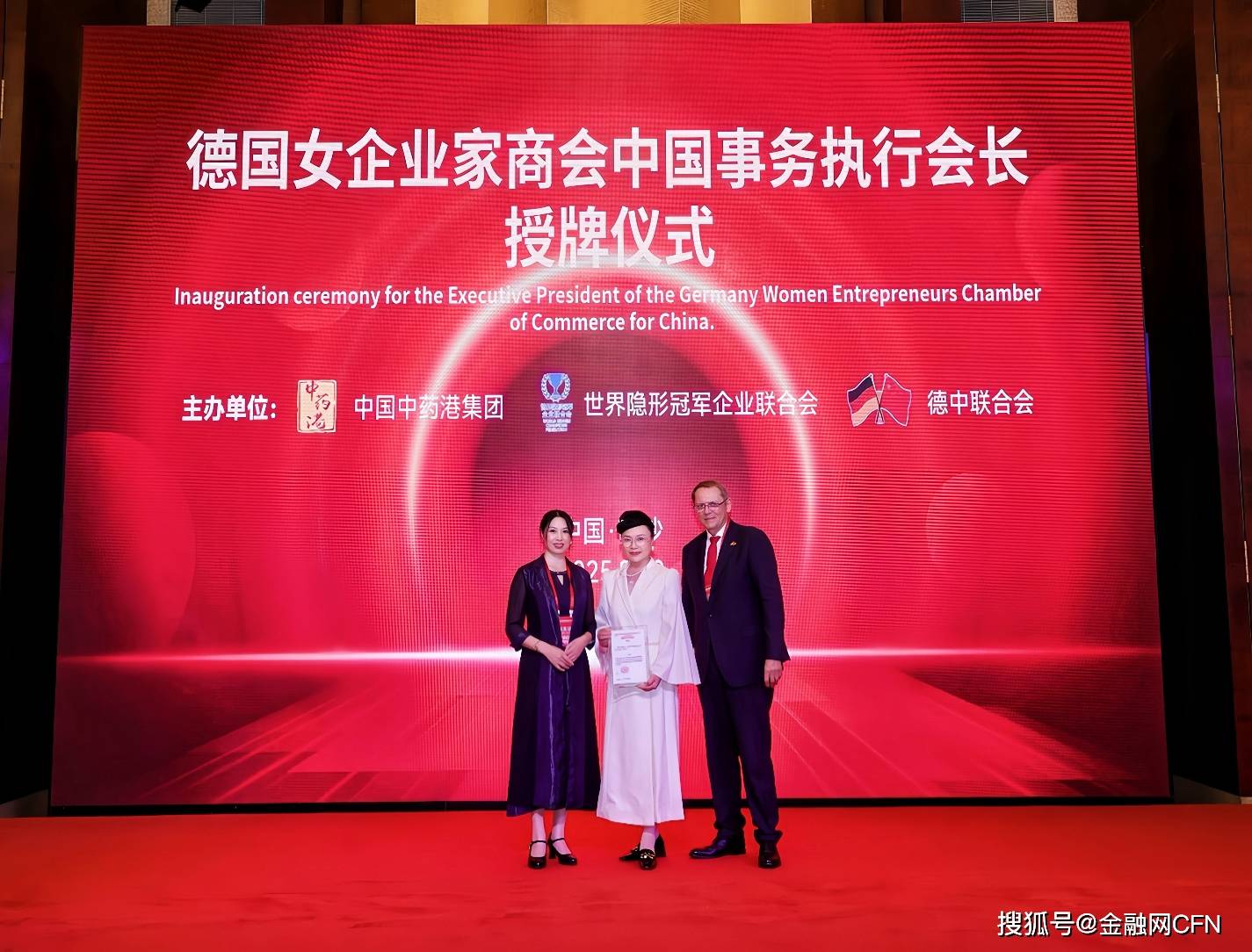
李海霞将搭建中德女企业家之间的桥梁
Sou Hu Cai Jing· 2025-10-04 02:53
Core Points - The inauguration ceremony for the new Executive President of the German Businesswomen's Association in China, Li Haixia, took place in Guangzhou, emphasizing her commitment to fostering cooperation between Chinese and German female entrepreneurs [3][5] - The German Businesswomen's Association, the largest organization of its kind in the EU, has 210,000 member companies, highlighting the scale and influence of this network [3] - Li Haixia introduced a "1+3+3" service system aimed at enhancing collaboration, which includes sending Chinese entrepreneurs to Germany to learn from successful companies and providing deep consulting in strategy, heritage, and capital [3][5] Group 1 - The event was held in Nansha, a key area in the Guangdong-Hong Kong-Macao Greater Bay Area, aligning with China's latest openness and the committee's global vision [5] - Li Haixia plans to expand the network of cooperation between Chinese and German enterprises, focusing on new fields such as green and digital economies, which will invigorate the Greater Bay Area's development [5][7] - Li Haixia is recognized as a prominent female entrepreneur and has significant influence in the photography and cultural arts sectors, which enhances her ability to facilitate collaboration between Chinese and German businesswomen [7][9] Group 2 - The goals and service system proposed by Li Haixia provide clear direction and specific measures for cooperation between Chinese and German female entrepreneurs [9] - The emphasis on connecting Germany's "craftsmanship spirit" with China's "innovation speed" aims to leverage both countries' strengths for mutual growth [3][5] - The establishment of the China Affairs Committee reflects the global vision of the German Businesswomen's Association, aiming to empower Chinese female entrepreneurs and create a leading platform for exchange and cooperation [3][5]
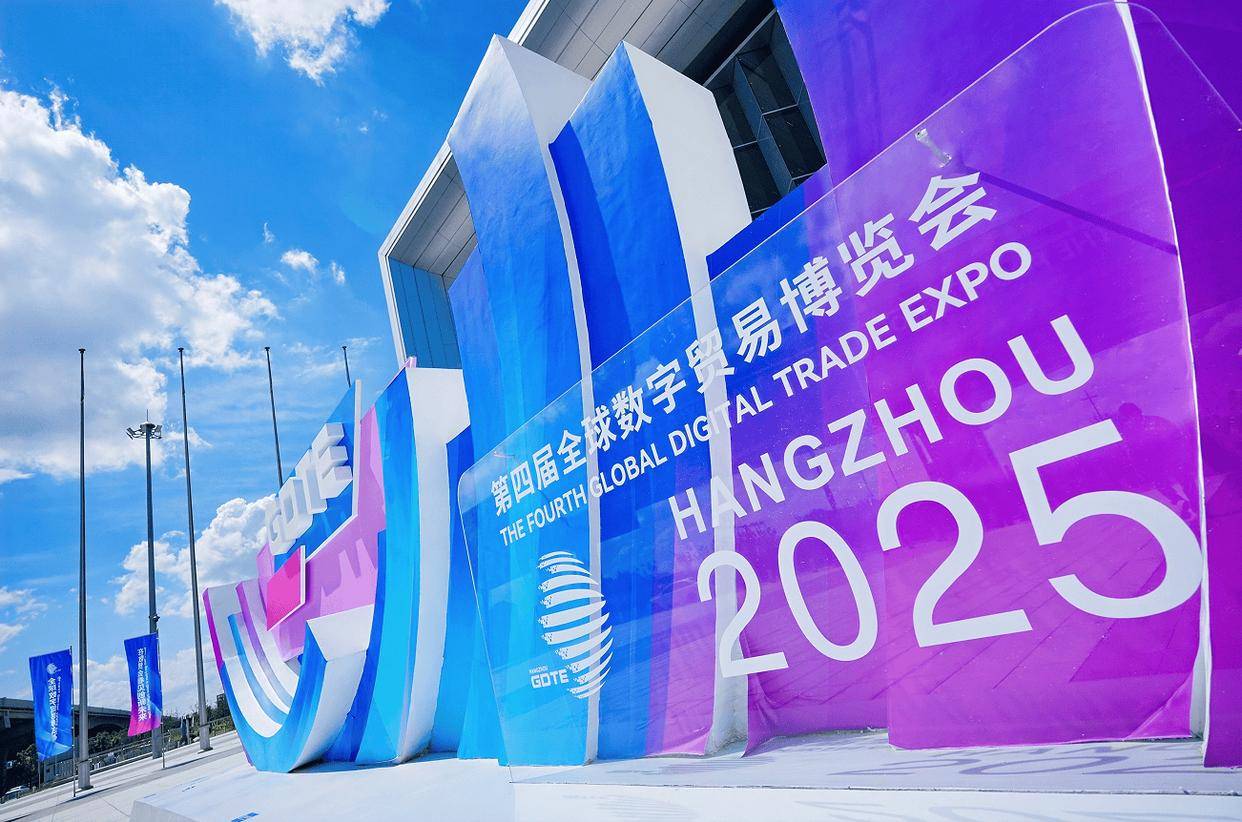
第四届数贸会:今元集团布局印尼,解码中企出海的“东南亚样板”
Sou Hu Cai Jing· 2025-09-29 11:59
Core Insights - The fourth Global Digital Trade Expo showcased Indonesia and the UAE as guest countries, highlighting their digital economy developments and core competitiveness, attracting global attention [1] - Indonesia has released procurement intentions of nearly 1 billion USD in new capital construction and digital transformation, with total procurement expected to reach 30 billion USD during the expo, injecting strong momentum into global digital trade cooperation [1][3] - Chinese enterprises are increasingly viewing Indonesia as a strategic option for globalization, driven by long-term strategic decisions based on demographic, economic, policy, and geographical factors [3][5] Market Fundamentals - Indonesia has a population exceeding 270 million, with over 50% under 35 years old, providing a large user base for digital economy development and a strong labor foundation for various industries [3] - The digital economy in Indonesia is projected to reach 88 billion USD in 2024 and exceed 200 billion USD by 2027, with e-commerce, digital payments, smart logistics, and industrial internet as core growth areas [3] - As a key member of ASEAN, Indonesia's geographical and economic position allows it to serve as a strategic hub for Chinese enterprises to penetrate Southeast Asian markets [3] Policy and Cooperation Environment - Indonesia's "Digital Indonesia Roadmap" promotes a friendly investment environment through tax incentives, simplified foreign investment processes, and improved digital infrastructure [5] - The deepening cooperation between China and Indonesia under the "Digital Silk Road" framework enhances policy benefits, facilitating digital technology transfer and joint talent cultivation [5] - In 2023, China's direct investment in Indonesia reached 10 billion USD, primarily in infrastructure, high-end manufacturing, and digital services, reflecting Indonesia's status as a strategic choice for Chinese enterprises [5] Challenges for Chinese Enterprises - Chinese enterprises face compliance, localization, and talent supply challenges in Indonesia, stemming from the adaptation conflict between global standards and local regulations [6][11] - Compliance issues include dynamic regulations in labor, data security, and taxation, which can lead to significant risks if not properly managed [6][8][9] - Localization challenges arise from cultural differences and consumer behavior, necessitating a tailored approach rather than direct replication of domestic business models [11][12] Talent Supply Bottlenecks - Strict regulations on foreign labor and intense competition for local talent create significant challenges for Chinese enterprises in Indonesia [14][15] - The requirement to prioritize local labor for job positions and the need to hire local employees alongside foreign workers complicate staffing strategies [15] - The demand for bilingual and cross-cultural management talent in Indonesia leads to prolonged vacancy periods for key positions, impacting business operations [16] Solutions by JinYuan Group - JinYuan Group offers a comprehensive global human resources solution, leveraging a global network and local teams to support Chinese enterprises in overcoming challenges in Indonesia [17][19] - The company has established a presence in multiple countries, providing services such as overseas recruitment, global payroll management, and employee dispatch [19] - JinYuan Group's self-developed "GEO·AI Global Talent Management Platform" enhances efficiency and compliance in cross-border human resource management [20] Case Study - A well-known motorcycle brand faced challenges in staffing for a new factory in Indonesia, requiring both local workers and foreign technical experts [21] - JinYuan Group provided a tailored solution that included EOR services for compliant local hiring and management, significantly reducing human resource management costs and ensuring timely project execution [22][23] Future Outlook - JinYuan Group aims to continue expanding its global footprint while providing precise support for Chinese enterprises entering the Indonesian market, fostering deep connections between local and Chinese businesses [24][27]
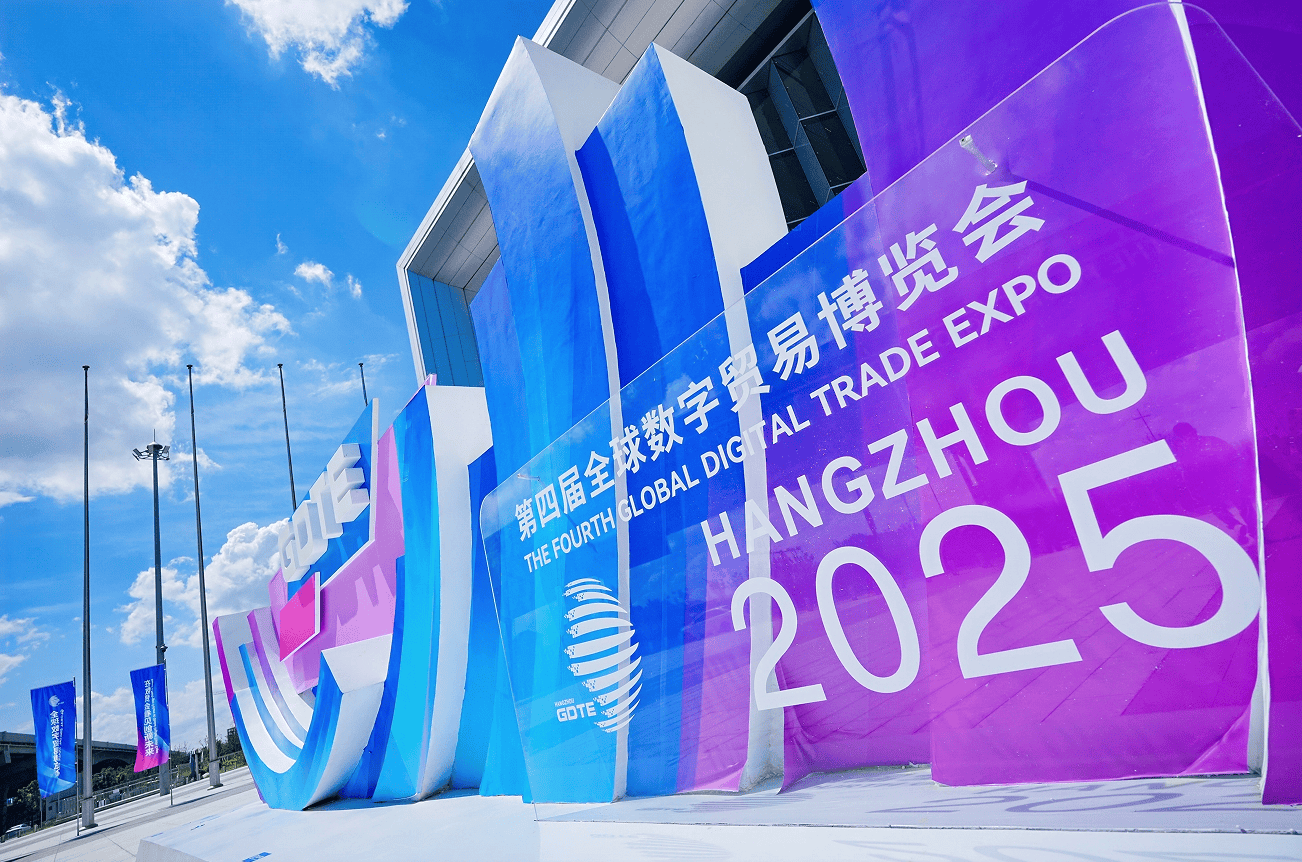
第四届数贸会:今元集团布局印尼,助力中企跨越出海鸿沟
Sou Hu Cai Jing· 2025-09-29 09:18
Core Insights - The fourth Global Digital Trade Expo showcased Indonesia and the UAE as guest countries, highlighting their digital economy developments and core competitiveness, attracting global attention [1] - Indonesia has released procurement intentions of nearly 1 billion USD in new capital construction and digital transformation, with total procurement expected to reach 30 billion USD during the expo, injecting strong momentum into global digital trade cooperation [1] - The company JinYuan Group demonstrated its unique service advantages in the Indonesian market, building a comprehensive service capability to support Chinese enterprises in seizing opportunities in Southeast Asia's digital economy [1][3] Market Potential - Chinese enterprises are strategically choosing to expand into Indonesia based on four dimensions: population, economy, policy, and location, indicating a long-term commitment rather than a short-term market chase [5] - Indonesia, as Southeast Asia's most populous country with over 270 million people, offers a significant user base for digital economy development and a strong labor foundation for various industries [5] - The digital economy in Indonesia is expected to grow to 88 billion USD in 2024 and surpass 200 billion USD by 2027, with e-commerce, digital payments, smart logistics, and industrial internet as core growth areas [5] - Indonesia's strategic location as a key member of ASEAN allows it to serve as a pivotal point for Chinese enterprises to penetrate the Southeast Asian market [5] Policy and Cooperation Environment - Indonesia's "pro-investment" policies and the deepening cooperation between China and Indonesia lower the barriers and costs for Chinese enterprises to enter the market [7] - The Indonesian government has introduced measures such as tax reductions and simplified foreign investment processes to create a friendly investment environment [7] - The "Digital Silk Road" cooperation framework enhances collaboration in digital technology transfer and talent cultivation, providing additional policy benefits for Chinese enterprises [7] Challenges for Chinese Enterprises - Chinese enterprises face three main challenges in Indonesia: compliance adaptation, localization integration, and talent supply [8] - Compliance issues arise from the dynamic nature of Indonesian regulations, particularly in labor, data security, and taxation, which can lead to significant risks if not properly managed [9][10][11] - Localization challenges stem from cultural differences and consumer behavior, requiring a deep understanding of local preferences and operational practices [14][15][16] - Talent supply issues are exacerbated by strict regulations on foreign labor and intense competition for skilled local talent, making human resource allocation difficult [17][18][19] Solutions Offered by JinYuan Group - JinYuan Group provides a comprehensive global human resource solution to help Chinese enterprises overcome challenges in entering the Indonesian market [20] - The company has established a global network and localized teams to facilitate resource allocation and provide tailored solutions for clients [22][23] - The development of a proprietary technology platform enhances efficiency and compliance in cross-border human resource management, addressing common pain points faced by Chinese enterprises [24] Case Study - A well-known motorcycle brand faced significant human resource challenges while establishing a factory in Indonesia, including compliance recruitment and supplier management [25][26] - JinYuan Group offered a tailored solution that included global EOR services and cross-border human resource support, successfully addressing the client's needs and ensuring timely project completion [27] Future Outlook - JinYuan Group aims to continue expanding its global presence while providing precise support for Chinese enterprises entering the Indonesian market, fostering deep connections between local and Chinese businesses [28][31]
每日市场观察-20250904
Caida Securities· 2025-09-04 01:24
Market Overview - On September 3, the Shanghai Composite Index fell by 1.16%, while the Shenzhen Component Index decreased by 0.65%, and the ChiNext Index rose by 0.95%[4] - The total trading volume in both markets exceeded 2.36 trillion yuan, showing a significant decline compared to previous sessions[1] - Since April 7, the Shanghai Composite Index has seen a maximum increase of nearly 28%, while the ChiNext Index has surged over 69%[1] Sector Performance - Key sectors that performed well include fourth-generation semiconductors, photovoltaic equipment, gaming, precious metals, and biopharmaceuticals, indicating strong capital inflow into these areas[1][2] - Conversely, sectors such as aerospace, shipbuilding, small metals, securities, communication services, and diversified finance experienced adjustments[1] Capital Flow - On September 3, the Shanghai Stock Exchange saw a net outflow of 20.649 billion yuan, while the Shenzhen Stock Exchange recorded a net inflow of 5.467 billion yuan[5] - The top three sectors for capital inflow were communication equipment, IT services, and photovoltaic equipment, while the sectors with the highest outflow were securities, software development, and aerospace equipment[5] Gold Market - Domestic gold jewelry prices have surpassed 1,050 yuan per gram, with international gold prices reaching a historical high of 3,546.92 USD per ounce[6] - The recent rise in gold prices has made it a safe haven for investors amid expectations of interest rate cuts by the Federal Reserve[3] Fundraising Trends - In September, there are 124 new fund launches planned, with 85 being equity funds, accounting for nearly 70% of the total[15] - The enthusiasm for new fund launches is attributed to strong market performance and supportive policies, with equity fund indices reaching near three-year highs and a 50% increase over the past year[15]
上合组织天津峰会|中国担任上海合作组织2024-2025年轮值主席国工作成果清单
Xin Hua She· 2025-09-01 16:42
Group 1 - China will serve as the rotating presidency of the Shanghai Cooperation Organization (SCO) from July 4, 2024, to September 1, 2025, during which it will host a series of activities and reach cooperation consensus with SCO member states [2][3] - A total of 313 activities are planned, including high-level meetings, forums, and cooperative initiatives across various sectors such as security, economy, culture, and education [3][4][5] Group 2 - Key activities include the 25th meeting of the SCO Heads of State Council, meetings of foreign ministers, defense ministers, and various sector-specific meetings such as those focused on agriculture, energy, and digital economy [3][4][5] - The SCO will also host forums on topics like sustainable development, digital economy, and traditional medicine, aiming to enhance cooperation among member states [5][6] Group 3 - China has proposed several initiatives, including the establishment of cooperation platforms in energy, green industry, and digital economy, as well as providing financial assistance and training programs to member states [14][15] - The initiatives also include plans for significant investments in renewable energy projects and the establishment of educational and research centers to foster collaboration [14][15]
新华社习近平:中方将成立中国—上海合作组织三大合作平台、三大合作中心
Xin Hua She· 2025-09-01 10:38
Group 1 - The Chinese government will establish three major cooperation platforms focusing on energy, green industries, and digital economy under the Shanghai Cooperation Organization [1] - Additionally, three cooperation centers will be set up for technological innovation, higher education, and vocational technical education [1]
上合组织天津峰会丨新华社快讯:习近平:中方将成立中国—上海合作组织三大合作平台、三大合作中心
Xin Hua Wang· 2025-09-01 08:54
Group 1 - The core viewpoint is that China will establish three major cooperation platforms focusing on energy, green industry, and digital economy under the Shanghai Cooperation Organization [1] - Additionally, China will set up three cooperation centers dedicated to technological innovation, higher education, and vocational technical education [1]