新工科人才培养

Search documents
从0到1构建发展新引擎 人才“活水”+资金“活水”推动新兴产业“加速跑”
Yang Shi Wang· 2026-01-31 06:55
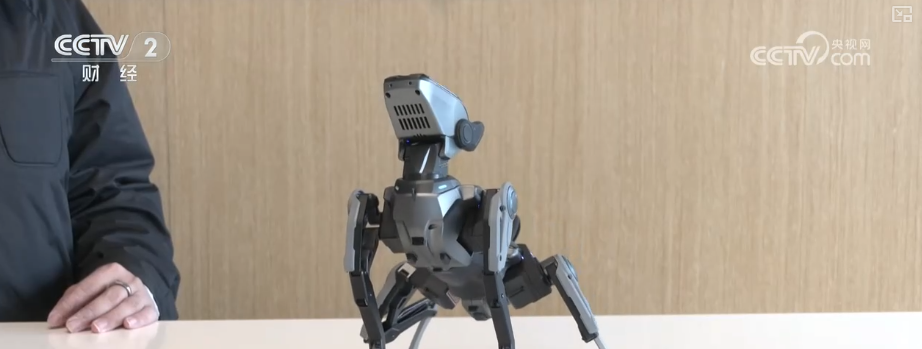
Group 1 - Chongqing aims to achieve a GDP of 33,757.93 billion yuan by 2025, with a year-on-year growth of 5.3%, particularly highlighting the growth of emerging industries [1] - The Mingyue Lake International Smart Industry Innovation Base has supported startups like Kang Xiaohu's company, which produces smart pet robots, by providing initial funding and guidance [3][4] - The base has facilitated over 170 entrepreneurial teams and the valuation of hard tech projects has exceeded 1.4 billion yuan [6] Group 2 - A financing service team for small and micro enterprises in Chongqing provided an intended financing amount of 348.4 billion yuan, with actual loans reaching 202.6 billion yuan, benefiting 93,956 enterprises [8] - Chongqing is focusing on cultivating innovative talents in engineering education to support high-quality industrial development [9] - The Chongqing University National Excellent Engineer College has seen students like Zhang Jianxin develop multiple research projects and secure 3 million yuan in startup funding [11][14] Group 3 - The Beijing Institute of Technology Chongqing Innovation Center is engaged in the development of cutting-edge new materials, with expected mass production in the first half of 2026 [21] - The center has incubated over 30 enterprises, including specialized and innovative companies [23] - From 2021 to 2025, Chongqing's research institute economic achievement transformation model has led to the conversion of 2,549 scientific and technological achievements and the incubation of 892 enterprises [29]

小学和幼儿园老师2年减少45万
第一财经· 2026-01-13 12:47
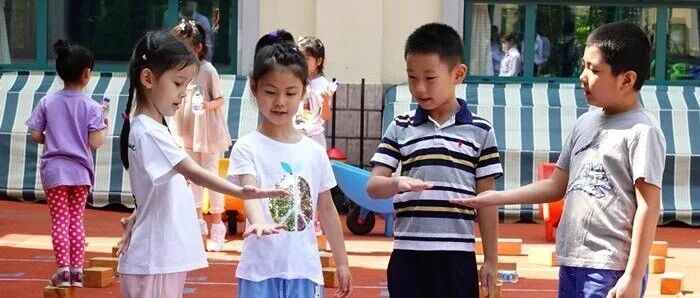
Core Viewpoint - The article discusses the significant impact of changing birth rates on the education sector in China, highlighting a peak in student enrollment across various educational stages and the resulting implications for teacher supply and higher education institutions [3]. Group 1: Population and Enrollment Trends - The number of primary school students in China peaked in 2023, with junior high school expected to peak in 2026 and high school in 2029. Higher education enrollment is projected to peak in 2032 [3]. - The changing demographics are leading to a reduction in the number of teachers, particularly in kindergartens and primary schools, with a total decrease of 45.16 million teachers in these stages over two years [4]. Group 2: Impact on Teacher Training Institutions - Teacher training institutions are experiencing significant changes, with many local normal universities merging or rebranding to enhance their competitiveness. They are also diversifying their programs, with nearly 25% of normal universities adding three or more engineering majors in the past three years [5]. - New engineering programs, particularly in artificial intelligence and other technology-related fields, are being introduced to align with market demands and societal trends [5]. Group 3: Challenges for Higher Education Institutions - Some higher education institutions are already facing enrollment shortages, with ordinary undergraduate schools struggling to fill spots, leading to lower admission standards [6]. - The overall population eligible for higher education is expected to peak in 2032, after which a significant decline is anticipated, potentially reducing the student base by over 41% compared to the peak in 2016 [6][7]. - Experts predict that the decline in student numbers will pose substantial challenges for many higher education institutions, particularly those with high tuition fees and low employment outcomes [7][8].
“砼”心撬动未来 激发新工科人才的杠杆效应
Xin Hua Ri Bao· 2025-09-04 23:52
Core Viewpoint - The article emphasizes the importance of education in national development and the need for innovative talent cultivation models in response to rapid technological advancements and industry changes [1] Group 1: Educational Framework and Goals - The "Education Strong Country Construction Plan Outline (2024-2035)" aims to establish a mechanism for adjusting disciplines and talent cultivation models driven by national strategic needs and technological development [1] - Nanjing University of Technology's School of Materials Science and Engineering focuses on cultivating engineering talents with innovative practical abilities, aligning with national strategic demands and regional economic development [1] Group 2: Ideological and Cultural Foundations - The academy integrates Xi Jinping's thoughts on socialism with Chinese characteristics into its educational framework, emphasizing the importance of cultural confidence and value guidance in talent cultivation [2] - The "Concrete Heart Spirit" is highlighted as a core value, promoting a culture of dedication and responsibility among students through various educational platforms and activities [2] Group 3: Integration of Education, Research, and Industry - The academy addresses the separation of theory and practice in talent cultivation by promoting an integrated approach that combines education, research, and industry [3] - It has established a curriculum that responds dynamically to national strategic needs, focusing on interdisciplinary collaboration and the development of cutting-edge courses [3] Group 4: Practical Training and Research Opportunities - The academy emphasizes hands-on experience through undergraduate mentorship programs and partnerships with key laboratories and industries, enhancing students' engagement in real-world scientific research [4] - It has created over 200 internship and training bases, facilitating deep integration of academic learning with industry needs, resulting in high employment rates for graduates [4] Group 5: Technological Empowerment in Education - The academy utilizes artificial intelligence and big data to enhance teaching resources and develop smart courses, promoting a dynamic and responsive educational environment [5] - Collaborative projects with leading enterprises focus on practical applications, further bridging the gap between academic research and industry requirements [5] Group 6: Future Aspirations and Contributions - The academy aims to strengthen its role in regional high-quality development by continuously enhancing its talent cultivation strategies and contributing to the broader educational landscape [6]
搏击、篮球、乒乓球……人形机器人运动会外围赛更有趣
Yang Shi Wang· 2025-08-15 20:34
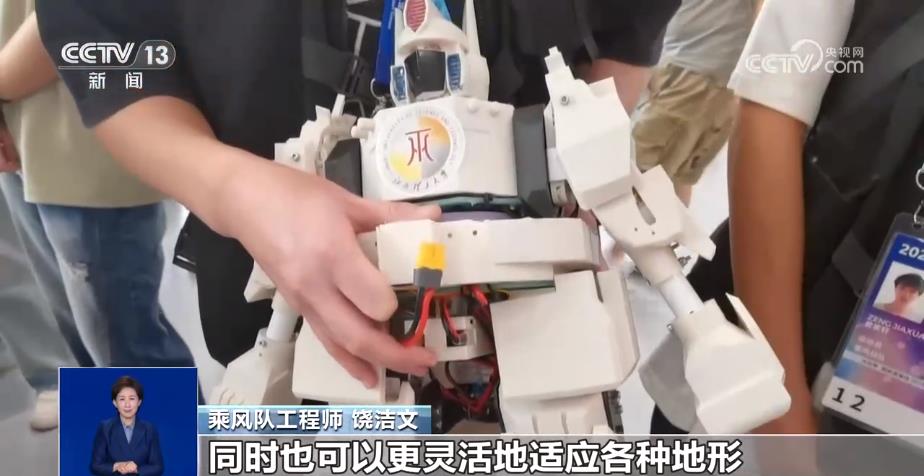
Group 1 - The first humanoid robot sports event opened in Beijing on August 14, featuring 280 teams from 16 countries competing in hundreds of matches [1] - The event includes many peripheral competitions, primarily focused on entertainment and spectator appeal, with 192 teams from various educational institutions participating [1] - The competition showcases innovative energy from young students, who are actively involved in optimizing robot programs and structures to enhance performance [1] Group 2 - Engineers are enhancing robot mobility by adding wheeled structures to improve speed and adaptability to different terrains [3] - The robot basketball matches attracted significant audience interest, demonstrating practical applications of technology through simple designs like plastic bottles for automatic distance measurement [3] - Participating teams expressed that the event allows them to understand industry developments and apply their academic knowledge in practical scenarios, fostering problem-solving skills [3] Group 3 - The World Humanoid Robot Sports Event serves as an excellent platform for students to integrate their coursework with practical experience, enhancing their skills in new engineering disciplines [5]