
新材料产业

Search documents
重磅收官 | 2026中国新材料产业全景报告(100页完整版PPT)
材料汇· 2026-03-22 14:48
Core Insights - The article discusses the release of the "2026 China New Materials Industry Panorama Report," which provides a comprehensive analysis of the new materials sector, including global competition, domestic industry challenges, and investment opportunities [2][5]. Group 1: Overview of New Materials - New materials are defined as recently developed or under-research materials with superior properties compared to traditional materials [9]. - The global new materials market is projected to grow significantly, reaching $4.6 trillion by 2025, with a compound annual growth rate (CAGR) of 11% from 2025 to 2030 [32]. Group 2: Current Development Status - China's new materials industry has seen robust growth, with total output increasing from 2 trillion RMB in 2015 to an expected 10 trillion RMB by 2025, reflecting a CAGR of 17.5% [36]. - By 2030, China's new materials market is anticipated to reach 23 trillion RMB, accounting for 40% of the global market [36][35]. Group 3: Strategic Directions - The report outlines three strategic lines for the new materials industry: national strategy, self-sufficiency, and future integration [26]. - Key development areas include advanced steel materials, high-end special materials, and new energy materials, among others [25]. Group 4: Investment Logic and Trends - The investment logic in the new materials sector emphasizes first principles, main lines, and risk avoidance strategies [26]. - The report highlights the importance of aligning technological advancements with market demands to ensure sustainable growth [24]. Group 5: Future Outlook - The article emphasizes the need for China to enhance its self-sufficiency in critical materials, as the current reliance on imports poses risks to supply chain security [37]. - The future of the new materials industry is expected to focus on high-end, green, and digitalized development, with significant policy support driving innovation [13][16].


FINE2026 热管理液冷产业大会暨展览会已启动!
DT新材料· 2026-02-10 16:05
Group 1 - The core theme of the event is the rise of China's future industries leading global innovation in new materials, particularly focusing on liquid cooling technology as a solution to high heat density challenges in various sectors such as AI, electric vehicles, and data centers [2][15][19] - The "2026 Thermal Management Liquid Cooling Industry Conference and Exhibition" will take place from June 10-12, 2026, at the Shanghai New International Expo Center, featuring discussions on key technologies and engineering applications in the liquid cooling field [2][3] - The event will include a specialized exhibition area, "FINE2026 Thermal Management Liquid Cooling Board Industry Exhibition," which will gather upstream and downstream resources to meet market demands and promote high-quality development of the liquid cooling industry [2][7] Group 2 - The organizing bodies include DT New Materials, DT Future Industries, and various associations related to new materials and productivity enhancement, indicating a strong collaborative effort in the industry [4] - The conference will feature over 30 specialized vertical forums and more than 300 expert presentations, focusing on cutting-edge technologies and industry trends in sectors such as AI, aerospace, and renewable energy [17][19] - Key topics of discussion will include advanced semiconductor technologies, energy materials, and thermal management solutions, highlighting the importance of these areas in future industrial development [19][26] Group 3 - The event will showcase a wide range of liquid cooling solutions, including AI data centers, power semiconductor modules, and energy storage systems, emphasizing the comprehensive nature of the exhibition [7] - Various types of cooling plates and materials will be presented, such as microchannel cooling plates and advanced thermal interface materials, reflecting the technological advancements in the field [7] - The conference will also address production technologies and equipment, including 3D printing and CNC processing, which are crucial for the manufacturing of new materials and components [7][26] Group 4 - Early bird registration fees for attendees are set at ¥2200 for general participants and ¥1200 for students, with standard fees of ¥3000 and ¥1500 respectively [8] - The event aims to create a one-stop platform for collaboration, communication, and procurement across the entire supply chain of liquid cooling technologies and materials [7][15]
桐庐新材料产业“向高而攀”
Hang Zhou Ri Bao· 2026-02-04 03:36
Core Insights - The new materials industry in Qiantang has entered a new phase of high value-added development, with significant investments and innovations driving growth [1][2] - The successful establishment of a provincial-level advanced manufacturing "new star" industry group in magnetic materials marks a transition from isolated development to a more integrated industrial landscape [1][3] Group 1: Industry Development - Qiantang's new materials industry has seen a substantial increase in value, with companies like Xiangqian Technology maintaining high R&D investments and establishing a global innovation network [2] - The industry is adapting to challenges such as rare earth material controls by developing alternative products and enhancing product structures towards high-performance applications [2] - The investment of over 10 billion in the Global New Materials project has enriched the local product system, while the Xiaocao Green Energy project focuses on developing green logistics packaging materials [2] Group 2: Talent and Collaboration - The influx of top-tier talent, facilitated by strategic partnerships and initiatives, has been crucial for the industry's advancement, with several leading experts establishing roots in Qiantang [3] - During a recent forum, local companies like Xiangqian Technology and Kede Magnetic Industry reached seven preliminary cooperation agreements with academicians, highlighting the importance of intellectual collaboration [3] - The dual approach of government guidance and market-driven initiatives has optimized the new materials industry ecosystem, leading to a nearly threefold increase in industry output since 2019 [3]
长三角“万亿俱乐部”破十,苏州增速领跑靠什么?
2 1 Shi Ji Jing Ji Bao Dao· 2026-02-02 09:50
Core Insights - Suzhou's economy shows steady progress with a GDP of 27,695.1 billion yuan projected for 2025, growing at a rate of 5.4%, surpassing the national average of 5.0% [1][3] - The industrial sector remains a cornerstone of economic growth, contributing 53.0% to the overall economy, with a total industrial output value of 4.9 trillion yuan [3][5] - The city is focusing on new industrialization and the integration of AI into manufacturing, aiming to enhance its global influence in technology and innovation [1][6] Economic Performance - Suzhou's GDP growth rate of 5.4% is the third highest among the trillion-yuan cities in the Yangtze River Delta [1] - The contribution of the industrial sector to economic growth is significant, with the six leading industries generating 32,088.4 billion yuan, a 4.0% increase from the previous year [3] - The service sector also shows robust growth, with a revenue increase of 6.8% and a projected value-added growth of 5.2% for 2025 [3][4] Industrial Development - High-tech industries in Suzhou saw a 6.7% increase in output value, accounting for 56.2% of the total industrial output, reflecting a 1.5 percentage point increase from the previous year [1][7] - The city has over 18,500 national high-tech enterprises and 848 "little giant" enterprises, indicating a strong foundation for innovation [8] Trade and External Demand - Suzhou's total import and export volume is expected to reach 28,100 billion yuan in 2025, marking a 7.4% increase, with significant growth in trade with Belt and Road countries [9] - The city is adapting to digital trends, with cross-border e-commerce exports increasing by 92.1% [9]
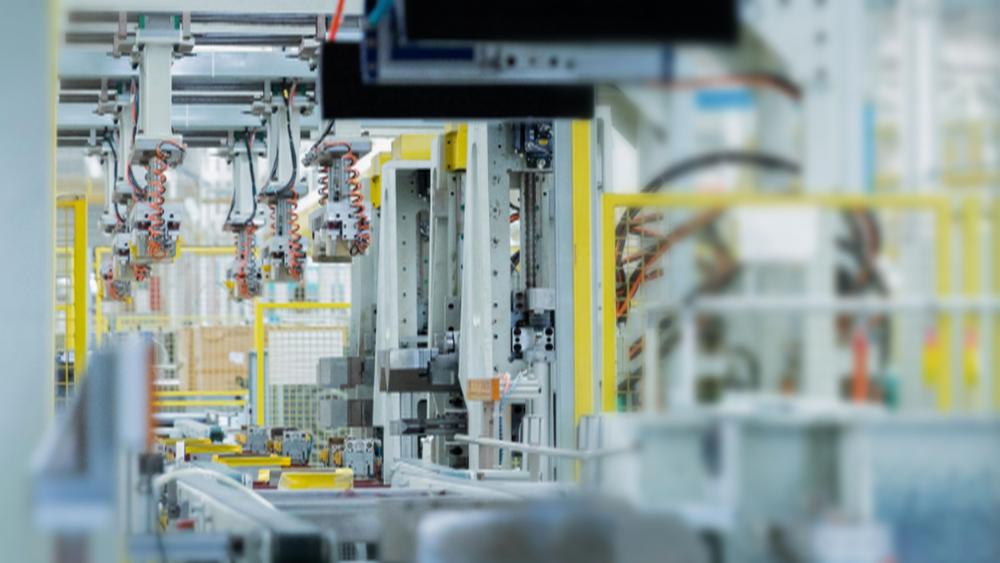
从0到1构建发展新引擎 人才“活水”+资金“活水”推动新兴产业“加速跑”
Yang Shi Wang· 2026-01-31 06:55
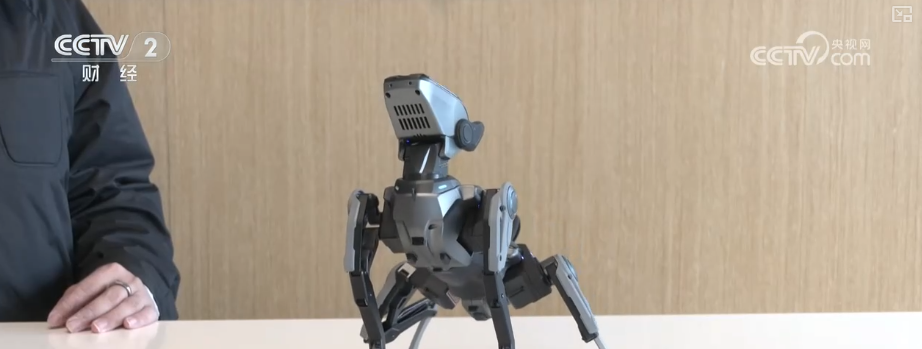
Group 1 - Chongqing aims to achieve a GDP of 33,757.93 billion yuan by 2025, with a year-on-year growth of 5.3%, particularly highlighting the growth of emerging industries [1] - The Mingyue Lake International Smart Industry Innovation Base has supported startups like Kang Xiaohu's company, which produces smart pet robots, by providing initial funding and guidance [3][4] - The base has facilitated over 170 entrepreneurial teams and the valuation of hard tech projects has exceeded 1.4 billion yuan [6] Group 2 - A financing service team for small and micro enterprises in Chongqing provided an intended financing amount of 348.4 billion yuan, with actual loans reaching 202.6 billion yuan, benefiting 93,956 enterprises [8] - Chongqing is focusing on cultivating innovative talents in engineering education to support high-quality industrial development [9] - The Chongqing University National Excellent Engineer College has seen students like Zhang Jianxin develop multiple research projects and secure 3 million yuan in startup funding [11][14] Group 3 - The Beijing Institute of Technology Chongqing Innovation Center is engaged in the development of cutting-edge new materials, with expected mass production in the first half of 2026 [21] - The center has incubated over 30 enterprises, including specialized and innovative companies [23] - From 2021 to 2025, Chongqing's research institute economic achievement transformation model has led to the conversion of 2,549 scientific and technological achievements and the incubation of 892 enterprises [29]
在谱写陕西新篇争做西部示范中实干担当奋勇争先
Shan Xi Ri Bao· 2026-01-29 00:24
Group 1 - The government work report emphasizes the commitment to high-quality development and ecological protection, aiming to write a new chapter in modernization for Shaanxi [2][3][4] - The report is seen as a comprehensive and practical document that aligns with the spirit of the 20th National Congress of the Communist Party, providing clear goals and actionable tasks [2][3][4] - Representatives highlighted the importance of integrating political leadership into all aspects of governance and the need for practical measures to support local development [2][3][4] Group 2 - The report calls for the construction of high-quality projects and the optimization of the business environment, with a focus on industrial transformation and urban integration [6][10] - Suggestions include leveraging artificial intelligence and advanced manufacturing to enhance regional development and competitiveness [6][7] - There is a strong emphasis on supporting county-level economies and promoting unique, differentiated development paths based on local resources [10][11] Group 3 - The report advocates for cultural innovation through digital technology and the preservation of cultural heritage, aiming to enhance the cultural landscape of Shaanxi [12][13] - Recommendations include increasing support for cultural and tourism integration, as well as promoting local cultural products and events [12][15] - The development of a robust cultural ecosystem is seen as essential for improving the quality of life and fostering community engagement [12][16]
地方两会时间开启,谋划2026年稳增长“施工图”
Xin Hua Cai Jing· 2026-01-28 23:53
Core Insights - Local governments are focusing on strengthening technological innovation, building a modern industrial system, and tapping into effective demand potential as key priorities for the next five years [1][2] - Economic growth targets for 2026 have been set by several regions, with Tianjin and Guangdong targeting 4.5%, while Beijing and Henan aim for around 5% [1] Economic Growth Targets - Regions such as Zhejiang, Beijing, and Guangdong have established specific economic growth targets for 2026, with Zhejiang aiming for 5% to 5.5% and Hebei targeting over 5% [1] - The emphasis on domestic demand is highlighted, with a focus on building a strong domestic market as a priority for economic work in 2026 [1][2] Consumer Spending and Service Sector - Key initiatives include promoting consumption upgrades and releasing service consumption potential, with Beijing focusing on support for education, health, and elderly care services [2] - Tianjin aims to enhance the supply of chain services in areas like elderly care and health to meet diverse consumer needs [2] Technological Innovation - Strengthening technological innovation and modern industrial systems are central to the 2026 plans, with a focus on the application and transformation of technological achievements [2][3] - Guangdong aims to create a globally influential industrial technology innovation center, while Beijing emphasizes the efficient transformation of major technological achievements [2][3] Artificial Intelligence Development - Multiple regions are accelerating the promotion and application of artificial intelligence, with Zhejiang targeting over 800 billion yuan in revenue for its AI core industry by 2026 [3] - Guangdong is also focusing on high-level applications of AI across various sectors, including chips and algorithms [3] Emerging Industries - Regions are prioritizing the development of emerging industries, with Zhejiang supporting sectors like new materials, renewable energy, and biomedicine [4] - The emphasis on emerging industries is seen as crucial for enhancing industrial development levels and competitiveness [4] Policy Support and Innovation - Local governments are combining policy support with reform and innovation to stimulate new economic momentum and ensure a strong start to the 14th Five-Year Plan [5]
地方两会时间开启 敲定2026年稳增长“施工图”
Xin Lang Cai Jing· 2026-01-27 06:28
Core Insights - Local governments in regions such as Zhejiang, Beijing, and Guangdong are outlining their development plans for the next five years, focusing on technology innovation, modern industrial systems, and effective demand potential [1][2] - Economic growth targets for 2026 have been set, with regions like Tianjin and Guangdong aiming for 4.5% to 5% growth, while Beijing and Henan target around 5% [1][2] Group 1: Economic Growth and Demand - The emphasis is on transforming and upgrading consumption, with Beijing and Tianjin focusing on service sectors like education, health, and elder care to stimulate new growth points [2][3] - The National Development and Reform Commission highlights the need to strengthen domestic demand, with plans to implement a strategy for expanding domestic demand from 2026 to 2030 [2][3] Group 2: Technology and Innovation - Regions are prioritizing the application and transformation of technological achievements, with Guangdong aiming to establish a globally influential industrial technology innovation center [3][4] - The promotion of artificial intelligence is a key focus, with Zhejiang targeting over 800 billion yuan in revenue from its AI core industry by 2026 [3][4] Group 3: Emerging Industries - Local governments are identifying new emerging industries as critical to future development, with Zhejiang and Guangdong focusing on sectors like new materials, renewable energy, and intelligent connected vehicles [4][5] - The development of new industries is seen as essential for enhancing industrial competitiveness and ensuring long-term growth [5]
经济总量五年跨越8个百亿台阶,2026年亳州准备这么干
Sou Hu Cai Jing· 2026-01-25 04:02
Core Viewpoint - During the "14th Five-Year Plan" period, Bozhou's economy has made significant strides, with the total economic output crossing eight hundred billion yuan milestones over five years, and a projected GDP of 261 billion yuan with a growth rate of around 5% for 2025 [1][3][5] Economic Performance - Bozhou's GDP is expected to reach 261 billion yuan in 2025, with a growth rate of approximately 5% [3] - The city's general public budget revenue for the year is projected at 17.39 billion yuan, ranking fifth in the province [3] - The industrial added value of large-scale enterprises grew by 3.7%, with a profit margin of 6.6%, the highest in the province [3] - Manufacturing investment increased by 9.7%, also the highest in the province [3] - The total output value of the construction industry grew by 6.2%, ranking sixth in the province [3] - Retail sales of consumer goods increased by 4.6%, ranking sixth in the province [3] - Fixed asset investment growth rate ranked seventh in the province [3] Industrial Development - Bozhou's economic total has advanced eight hundred billion yuan milestones, ranking seventh in the province and improving its position nationally and regionally [5] - The output value of the pharmaceutical manufacturing industry is 1.3 times that of 2020, with the number of licensed pharmaceutical production enterprises increasing from 203 to 273 [5] - The output value of the white wine and health wine industry has doubled since 2020 [5] - The total output value of the green food industry chain is 1.5 times that of 2020, with the agricultural product processing industry ranking first in the province for three consecutive years [5] Future Goals and Strategies - For 2026, Bozhou aims for a GDP growth of 5.1% to 5.6%, with specific targets for industrial added value, project investment, and retail sales [7] - The report outlines nine key areas for development, including enhancing domestic demand, strengthening the real economy, and improving ecological protection [7][9] - Approximately 1,000 key projects will be implemented this year, with at least 200 major projects starting and 100 being completed [9] Sector-Specific Initiatives - The report emphasizes the importance of enhancing the competitiveness of leading industries and developing emerging industries [11] - Bozhou aims to establish itself as a global hub for traditional Chinese medicine and health, while also promoting the wine and green food industries [11] - The city plans to support the integration and optimization of small wine enterprises and promote the "white wine +" development model [11] Collaborative Development - The report encourages collaboration among counties to achieve economic advancement and support the development of three leading industries in each county [13] - It also highlights the need for technological empowerment and innovation, with plans to recognize over 50 high-tech enterprises and increase R&D investment by over 10% [13]

新材料50ETF(159761)涨超2%,行业格局重塑与新材料需求受关注
Mei Ri Jing Ji Xin Wen· 2026-01-23 08:08
Group 1 - The new materials sector is experiencing a significant transformation, with the magnesium industry seeing a concentration in competition and a decrease in the magnesium-aluminum ratio below 1, indicating improved cost-performance of magnesium alloys [1] - Traditional magnesium alloys have disadvantages such as poor corrosion resistance and immature processing technology, but advancements in semi-solid forming equipment have enhanced the mechanical and corrosion properties of magnesium alloy products [1] - The magnesium-aluminum ratio has reached a historical low, and with policy encouragement and expansion from leading manufacturers, it is expected to stabilize at a relatively low level, indicating a trend for magnesium to replace aluminum in various applications [1] Group 2 - The New Materials 50 ETF (159761) tracks the New Materials Index (H30597), which focuses on the new materials industry by selecting representative listed companies involved in advanced basic materials, key strategic materials, and cutting-edge new materials [2] - The index aims to reflect the overall performance of listed companies in the new materials sector, emphasizing high growth and innovation characteristics, particularly in the chemical, non-ferrous metals, and high-tech materials fields [2]