智能产业

Search documents
(中国两会)唐冬生:构建中国具身智能开放协同的应用生态
Zhong Guo Xin Wen Wang· 2026-02-27 05:15
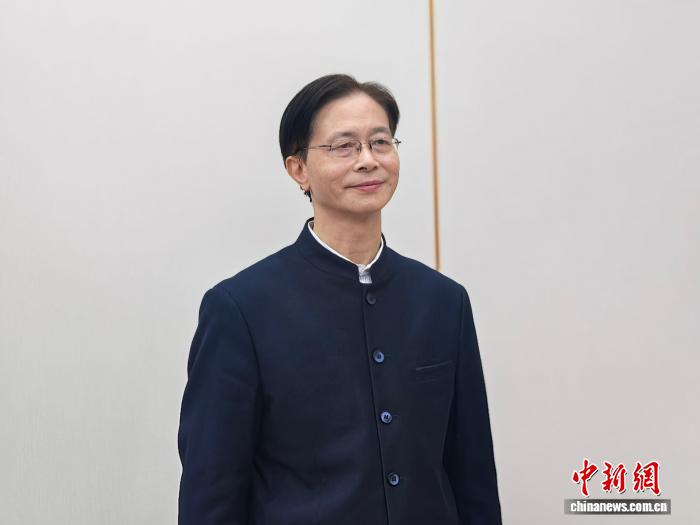
(中国两会)唐冬生:构建中国具身智能开放协同的应用生态 中新网佛山2月26日电 题:唐冬生:构建中国具身智能开放协同的应用生态 中新网记者 张璐 "通用人工智能的终极形态是能理解、适应并改造物理世界的具身智能。"今年全国政协大会召开前夕, 全国政协委员、民革广东省委会副主委唐冬生接受中新网采访时提出他的见解。 唐冬生近期接受中新网采访。 中新网记者 张璐 摄 目前,中国具身智能产业亟需构建开放协同的应用生态,培育壮大智能产业集群。唐冬生2023年担任全 国政协委员以来,聚焦人工智能应用与企业数字化转型。 2025年,具身智能首次被写入政府工作报告。这一年,唐冬生走访广东省内人工智能企业,并赴上海、 杭州、苏州等地人工智能产业园区考察。 唐冬生认为,中国具身智能产业要形成全球竞争力,应以构建"技术—场景—产业"三位一体生态为核 心,聚焦新质生产力培育。"在粤港澳大湾区、长三角等基础较好的区域,建设国家级先导区与应用示 范区,赋予政策、数据、场景先行先试权;支持核心部件、关键技术企业做大做强,形成大中小企业融 通发展格局,打造具有国际竞争力的产业集群。"他说。 "中国机器人制造与应用有扎实基础,但具身智能的应用生 ...

长沙纵深推进全球研发中心城市建设
Chang Sha Wan Bao· 2026-02-25 02:09
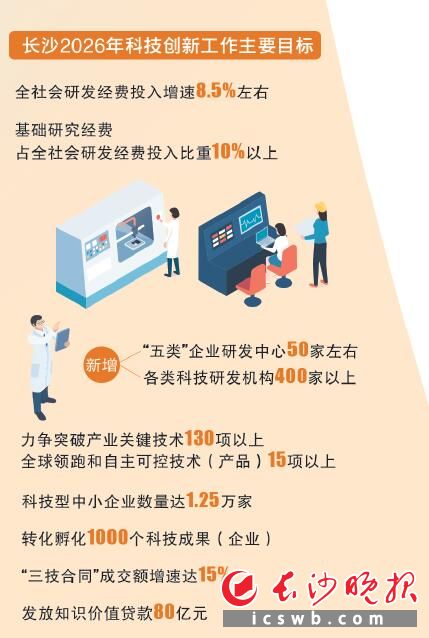
Core Viewpoint - Changsha is committed to building a competitive technology innovation hub and advancing the construction of a global R&D center city, as outlined in the 2026 Action Plan, which sets ambitious targets for technological innovation and integration with industry [2][3]. Group 1: Key Targets and Goals - The overall R&D expenditure growth is targeted at approximately 8.5%, with basic research funding accounting for over 10% of total R&D expenditure [2]. - The plan aims to establish around 50 new R&D centers for five categories of enterprises and over 400 various R&D institutions [2]. - The goal is to achieve breakthroughs in over 130 key industrial technologies and to develop more than 15 globally leading and independently controllable technologies/products [2]. - The number of technology-based SMEs is expected to reach 12,500, with the aim of incubating 1,000 technology achievements (enterprises) [2]. - The "Three Technology Contracts" transaction volume is projected to grow by 15%, and knowledge value loans of 8 billion yuan will be issued [2]. Group 2: Focus Areas of the Action Plan - The Action Plan systematically deploys 18 key tasks across seven major areas, emphasizing the importance of high-quality innovation platforms and high-energy innovation platforms [3][4]. - Six of the 18 tasks focus on the construction of high-quality innovation carriers and platforms, highlighting their significance in the overall strategy [4]. Group 3: Integration of Technology and Industry - The plan emphasizes the deep integration of technological innovation and industrial innovation, aiming to enhance the supply of high-quality technology [6]. - It includes the release of ten major technology tackling projects and the expansion of significant scientific and technological special projects to empower the construction of a new type of industrialization demonstration zone [6]. Group 4: Development of High-Level R&D Platforms - The plan includes the construction of high-level municipal technology innovation platforms in key areas such as advanced computing, aerospace, and innovative pharmaceuticals [5]. - It aims to increase the proportion of technology innovation platforms that meet the "four global" characteristics to 15% [5]. Group 5: Technology Transfer and Financial Support - The Action Plan focuses on building an efficient technology transfer system, with initiatives to enhance the maturity of technology achievements and establish verification centers and pilot platforms [8]. - Financial support systems for technology are to be improved, including increasing the limits and extending the terms of knowledge value loans for technology-based enterprises [8]. Group 6: Ecosystem and International Cooperation - The plan aims to create a high-level open innovation collaborative system and a vibrant technology innovation ecosystem [9][10]. - It includes initiatives for international cooperation, such as attracting international technology organizations and supporting high-quality international talent projects [11].
从0到1构建发展新引擎 人才“活水”+资金“活水”推动新兴产业“加速跑”
Yang Shi Wang· 2026-01-31 06:55
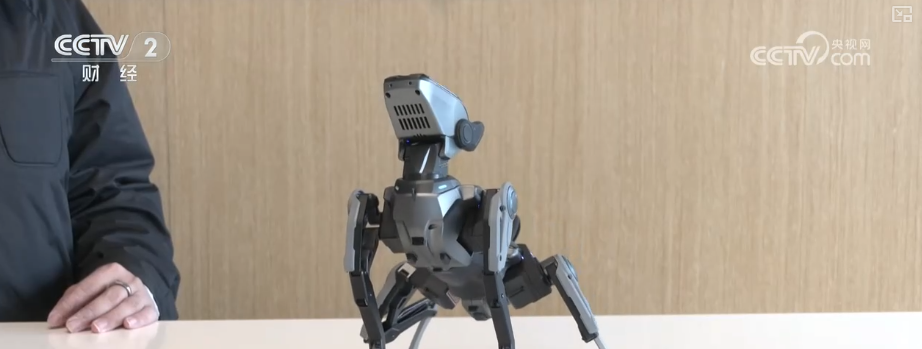
Group 1 - Chongqing aims to achieve a GDP of 33,757.93 billion yuan by 2025, with a year-on-year growth of 5.3%, particularly highlighting the growth of emerging industries [1] - The Mingyue Lake International Smart Industry Innovation Base has supported startups like Kang Xiaohu's company, which produces smart pet robots, by providing initial funding and guidance [3][4] - The base has facilitated over 170 entrepreneurial teams and the valuation of hard tech projects has exceeded 1.4 billion yuan [6] Group 2 - A financing service team for small and micro enterprises in Chongqing provided an intended financing amount of 348.4 billion yuan, with actual loans reaching 202.6 billion yuan, benefiting 93,956 enterprises [8] - Chongqing is focusing on cultivating innovative talents in engineering education to support high-quality industrial development [9] - The Chongqing University National Excellent Engineer College has seen students like Zhang Jianxin develop multiple research projects and secure 3 million yuan in startup funding [11][14] Group 3 - The Beijing Institute of Technology Chongqing Innovation Center is engaged in the development of cutting-edge new materials, with expected mass production in the first half of 2026 [21] - The center has incubated over 30 enterprises, including specialized and innovative companies [23] - From 2021 to 2025, Chongqing's research institute economic achievement transformation model has led to the conversion of 2,549 scientific and technological achievements and the incubation of 892 enterprises [29]
上海国际具身智能产业博览会新闻发布会召开
Huan Qiu Wang· 2026-01-21 03:36
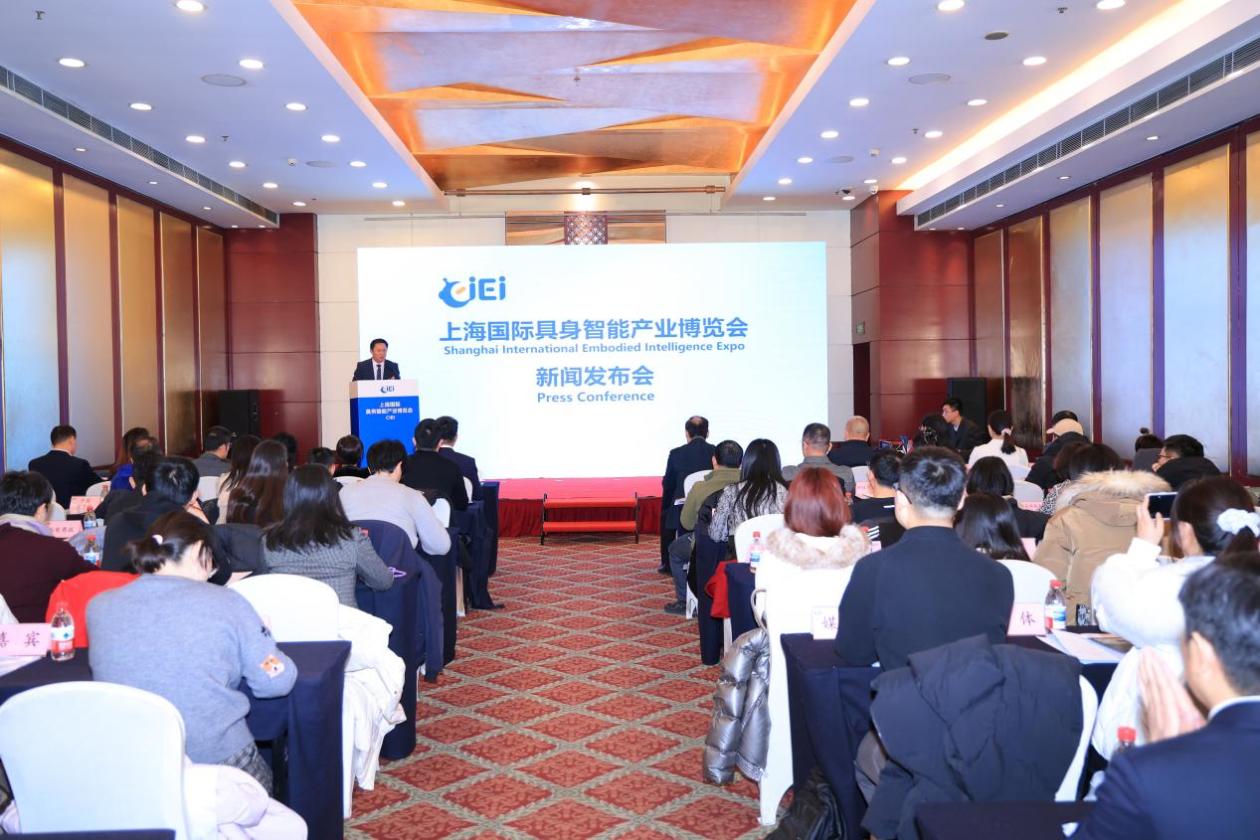
Group 1 - The core viewpoint of the news is the announcement of the Shanghai International Embodied Intelligence Industry Expo (CIEI 2026), which aims to create a comprehensive platform for the embodied intelligence industry, focusing on high-quality development and resource integration [1][3]. Group 2 - The global embodied intelligence market is projected to reach 19.525 billion yuan by 2025, indicating significant growth potential in this sector [3]. - China has established a complete industrial ecosystem in the field of embodied intelligence, laying a solid foundation for high-quality development [3]. - CIEI 2026 will emphasize not only the display of advanced technologies and products but also the empowerment of industrial value, responding actively to industry development needs [3]. Group 3 - The Shanghai International Trade Promotion Commission will leverage its extensive economic and trade resources accumulated over 70 years to support the expo [3]. - The Shanghai International Exhibition (Group) Co., Ltd. will fully engage in organizing the entire industry chain for the expo, collaborating with the China Electromechanical Integration Technology Application Association [3]. - Experts from associations and enterprises expressed their expectations for CIEI 2026 during discussions, highlighting the industry's high interest and confidence in the event [3].
诺力股份:公司十分重视具身智能产业
Zheng Quan Ri Bao Wang· 2026-01-12 12:45
Core Viewpoint - Noli Co., Ltd. (603611) emphasizes its commitment to the embodied intelligence industry and is actively seeking collaborations with outstanding teams, institutions, and enterprises in the sector [1] Group 1: Company Strategy - The company is continuously exploring collaboration directions, models, and depth to leverage its advantages and enhance research and development capabilities [1] - Noli Co., Ltd. will conduct a prudent assessment and strengthen risk prevention during the collaboration and investment process [1] Group 2: Information Disclosure - The company will fulfill its information disclosure obligations in a timely manner if any significant matters arise related to these collaborations [1]

重磅!长沙“十五五”规划建议全文来了!
Chang Sha Wan Bao· 2025-12-28 03:21
Core Viewpoint - The "15th Five-Year Plan" period is crucial for Changsha to achieve basic socialist modernization, emphasizing high-quality development and the integration of various strategic initiatives to enhance economic and social growth. Group 1: Achievements During the "14th Five-Year Plan" - Significant achievements were made during the "14th Five-Year Plan" period, including the elevation of Changsha to a megacity status and the establishment of the Chang-Zhu-Tan urban agglomeration as the first national-level urban agglomeration in Central China [2][3] - The city has accelerated the construction of a modern industrial system, improved advanced manufacturing quality, and enhanced innovation capabilities, ranking among the top in the nation [2][3] - Changsha has been recognized as one of the happiest cities in China for 18 consecutive years, reflecting the continuous improvement in residents' well-being [2] Group 2: Development Environment and Challenges - The "15th Five-Year Plan" period is characterized by both strategic opportunities and risks, with increasing uncertainties in the international and domestic landscape [4] - The city is positioned to strengthen its role as a core city in the province, with the upcoming 16th National Games providing a significant opportunity for long-term development [4] - Challenges include the need for faster development of emerging industries, strengthening technological innovation, and addressing resource constraints [4] Group 3: Guiding Principles and Goals - The guiding principles for the "15th Five-Year Plan" include upholding the leadership of the Communist Party, prioritizing people-centered development, and promoting high-quality growth [6][7][8] - The main goals include achieving better high-quality development outcomes, enhancing the construction of the "three high grounds," and promoting the integration of Chang-Zhu-Tan [11][12] Group 4: Economic and Industrial Development - The focus will be on building a modern industrial system centered on advanced manufacturing, with an emphasis on enhancing the value-added of manufacturing and fostering new industries [15][16] - The city aims to strengthen its competitive edge in key industries such as engineering machinery, automotive, and new materials, while also promoting the development of new energy vehicles [15][16] - Efforts will be made to upgrade traditional industries and enhance the quality of modern service industries, including logistics and creative services [17][30] Group 5: Technological Innovation and Talent Development - The plan emphasizes the establishment of a high-level innovation platform and the enhancement of independent innovation capabilities, aiming to build Changsha into a global research and development center [18][19] - There will be a focus on integrating education, technology, and talent development to foster a conducive environment for innovation [20] Group 6: Urban Development and Infrastructure - The strategy includes optimizing urban spatial layout and enhancing urban infrastructure to support comprehensive urban development [31][33] - The city will implement major infrastructure projects to improve connectivity and enhance the overall urban environment [33] Group 7: Rural Development and Agricultural Modernization - The plan prioritizes agricultural modernization and rural development, aiming to improve living conditions in rural areas and ensure food security [37][38] - Efforts will be made to promote sustainable agricultural practices and enhance the quality of rural life [37][38] Group 8: Cultural Development and Social Welfare - The cultural strategy focuses on promoting socialist core values and enhancing cultural heritage, aiming to create a vibrant cultural environment [40][41] - The plan aims to improve the quality of life for residents through better employment opportunities, education, and social services [44][45]
发动县域经济高质量发展引擎
Jing Ji Ri Bao· 2025-12-27 22:01
Group 1 - The central economic work conference emphasizes the importance of promoting urbanization centered around county towns and comprehensive rural revitalization to drive high-quality development of county economies [1] - Counties occupy approximately 90% of China's land area and contribute nearly 40% to the national economic scale with about 52% of the population [1] - There are significant disparities among counties in terms of development foundation and industrial characteristics, with many facing issues like single industrial structures and insufficient development momentum [1] Group 2 - High-quality development of county economies requires moving beyond homogeneous competition and leveraging local resources and industrial foundations to explore differentiated development paths [2] - Some regions, despite lacking prominent resource endowments, can enhance county agriculture and deep processing through local brand cultivation and advanced technology introduction [2] - Urban-rural integration is essential for modernization, necessitating coordinated efforts across industrial development, public services, and institutional mechanisms to enhance county industrial capacity and population aggregation [2] Group 3 - To unlock development potential in counties, it is crucial to break down barriers to resource flow and awaken dormant resources and markets through institutional reforms [3] - Effective utilization of idle land and assets can transform "sleeping" resources into valuable development capital, maximizing resource value [3] - The approach to promoting high-quality county economic development should be gradual and tailored to local conditions, providing solid support for urban-rural integration and regional coordinated development [3]
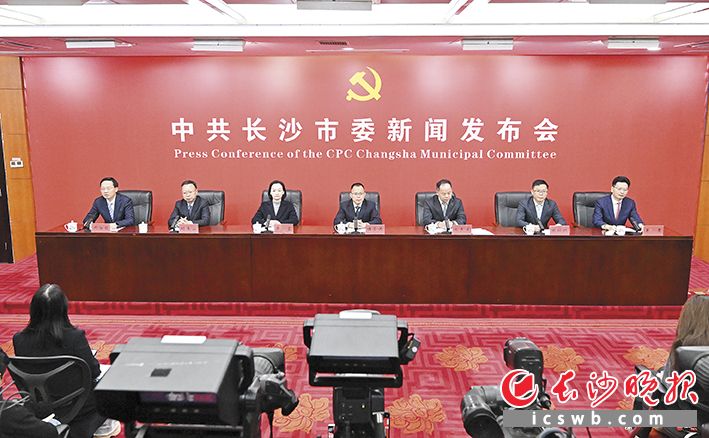
为加快推进高质量发展和现代化建设提供有力指引——市委举行新闻发布会介绍和解读市委十四届十次全会精神
Chang Sha Wan Bao· 2025-12-16 02:52
Core Viewpoint - The 14th Committee of the Communist Party of China in Changsha held its 10th plenary session, approving the "Suggestions for Formulating the 15th Five-Year Plan for National Economic and Social Development in Changsha," which aims to accelerate high-quality development and modernization in the city [1][2]. Group 1: Development Blueprint and Planning Process - The city has established a leadership group for the planning process and formed specialized teams for drafting the document, which underwent five stages: preliminary research, initial draft, soliciting opinions, benchmarking, and revisions [3][4]. - The drafting process incorporated nearly 1,000 valuable suggestions from various stakeholders, including city leaders and experts, ensuring a comprehensive approach to the planning [4][5]. Group 2: Key Principles and Objectives - The plan emphasizes five principles: high positioning, goal-oriented planning, problem-solving focus, reform-driven development, and systematic prioritization of key tasks [5]. - The overall goal is to achieve a "three highs and four new" vision by 2035, addressing challenges and opportunities in the next five years [5]. Group 3: Major Sections of the Suggestions - The document consists of three main sections: achievements during the 14th Five-Year Plan, key tasks for the 15th Five-Year Plan across various sectors, and mechanisms to ensure the implementation of the plan [6]. Group 4: Focus on "Three High Grounds" - The plan aims to build three high grounds: an advanced manufacturing hub, a technology innovation center, and a reform and opening-up high ground, with specific strategies for each area [7][9]. - Emphasis is placed on developing a modern industrial system, enhancing innovation capabilities, and improving the business environment to attract investment [8][9]. Group 5: Cultural and Tourism Development - The plan highlights the importance of cultural and tourism integration, aiming to enhance the city's cultural identity and promote tourism as a key economic driver [10][11]. - Initiatives include showcasing historical and revolutionary culture, developing immersive tourism experiences, and fostering modern cultural industries [10][11]. Group 6: Regional Integration and Collaboration - The plan prioritizes the integration of Changsha, Zhuzhou, and Xiangtan, focusing on collaborative development in planning, industry, and public services [12][13]. - Specific mechanisms for cooperation and resource sharing among the three cities are outlined to enhance regional competitiveness [12][13]. Group 7: Enhancing Public Welfare - The plan aims to improve public welfare through employment initiatives, social security enhancements, and educational reforms, ensuring a higher quality of life for residents [15][16]. - Key actions include promoting job creation, expanding social insurance coverage, and improving healthcare services [15][16]. Group 8: Innovation and Technology Development - The plan outlines a vision for Changsha to become a global research and development center by 2030, focusing on high-quality innovation spaces and advanced research institutions [17][18]. - Strategies include fostering collaboration between industry and academia, enhancing technology transfer, and supporting the development of cutting-edge technologies [17][18]. Group 9: Artificial Intelligence and Industrial Integration - The plan emphasizes the dual empowerment of artificial intelligence and manufacturing, aiming to create a national demonstration zone for new industrialization [19][20]. - Specific initiatives include promoting AI applications across various industries and enhancing the capabilities of local enterprises in AI technology [19][20].
工信部原副部长苏波:2035年要实现智能制造在全国规上企业基本普及
Mei Ri Jing Ji Xin Wen· 2025-12-12 07:32
Core Viewpoint - The event highlighted the importance of AI and intelligent manufacturing as key areas for innovation and development during the "14th Five-Year Plan" period, emphasizing the need for a global-leading intelligent manufacturing innovation system [1] Group 1: AI and Intelligent Manufacturing - The "14th Five-Year Plan" is identified as a critical period for the rapid development and application of AI and intelligent manufacturing [1] - There is a call to accelerate the development of AI large models, smart terminals, intelligent connected new energy vehicles, and intelligent robots [1] - The goal is to transition from pilot demonstrations of intelligent manufacturing factories to widespread adoption among key enterprises by 2035 [1] Group 2: Future Goals - By 2035, the aim is for intelligent manufacturing to be widely adopted in large-scale enterprises across the country, positioning China's intelligent manufacturing application level among the world's leaders [1]
全球GDP20强城市最新出炉:洛杉矶险胜东京,重庆12,苏州惊险入围
Sou Hu Cai Jing· 2025-11-08 18:46
Core Insights - The latest global city GDP rankings reveal a diverse development landscape, with New York leading by a significant margin, followed closely by Los Angeles and Tokyo in a tight competition [1][3] - China showcases strong performance with five cities making the top twenty, including Shanghai, Beijing, Shenzhen, Guangzhou, and Suzhou, highlighting the robust vitality and resilience of Chinese urban economies [1][5] Group 1: City Rankings and Economic Performance - New York tops the list with over 9 trillion, while Los Angeles narrowly surpasses Tokyo with approximately 6.78 trillion vs. 6.68 trillion [3] - Los Angeles benefits from its core position as California's economic engine, driven by advanced manufacturing, digital entertainment, and international trade [3] - Tokyo remains a leading financial hub in Asia, focusing on digital transformation and green growth, supported by significant R&D investment [3] Group 2: China's Economic Growth - Chongqing ranks 12th globally with a GDP of 3.21 trillion, leveraging its strategic position as a key node in the new western land-sea corridor [5] - The city has seen substantial growth in high-tech manufacturing and modern services, with a notable increase in retail sales surpassing 1 trillion [5] - Suzhou claims the 20th position with a GDP of 2.67 trillion, showcasing its industrial strength and innovation-driven economic clusters [7] Group 3: Innovation and Development Trends - The competition among cities has evolved into a new phase characterized by innovation leadership and collaborative development [8] - The collective rise of Chinese cities is reshaping the global economic landscape, emphasizing the importance of development models and industrial vitality [8]