新能源汽车战略

Search documents
从油价狂飙到闪充破局:比亚迪用技术作答国家能源安全的“必答题”
Jing Ji Guan Cha Bao· 2026-03-10 11:58
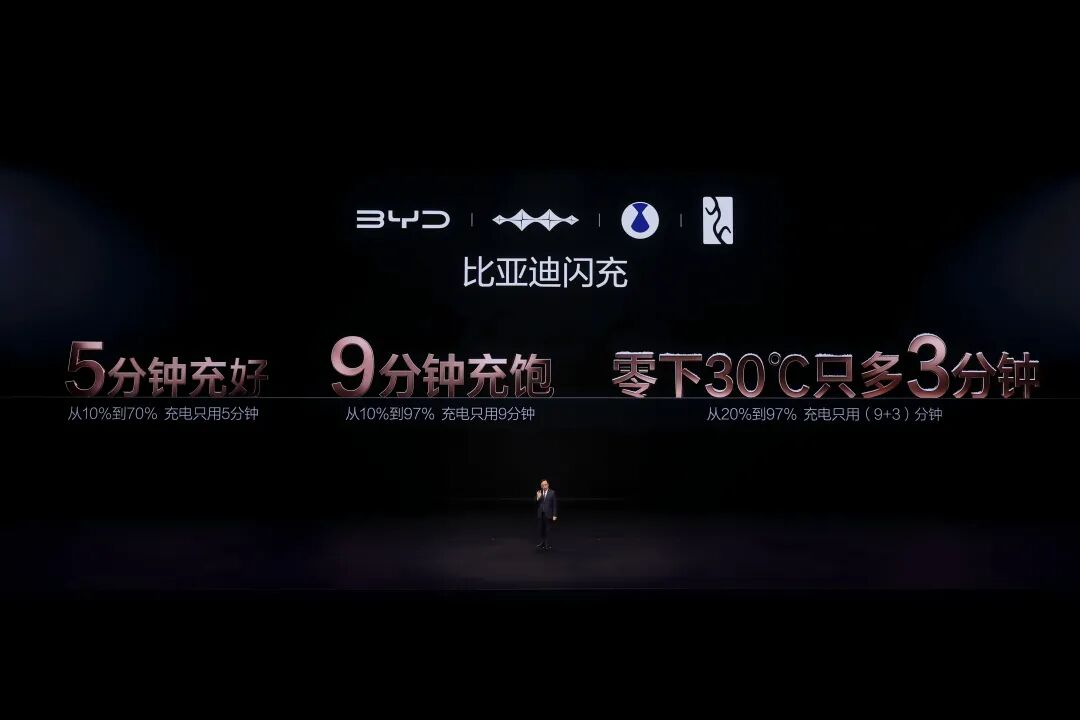
Core Viewpoint - The geopolitical tensions in the Middle East, particularly the closure of the Strait of Hormuz, have led to a significant disruption in global oil supply, causing international oil prices to surge above $100 per barrel. In response, BYD has introduced its second-generation blade battery and fast-charging technology as part of a "light-storage-charging integration" solution to enhance national energy security and promote energy independence [1][2]. Group 1: Impact of Geopolitical Events - The closure of the Strait of Hormuz has interrupted over one-third of global maritime oil supply, leading to a spike in oil prices, with predictions suggesting prices could reach $150 per barrel if the closure persists [1]. - The energy supply shortage has triggered systemic risks in the global energy market, causing stock market declines in Asia-Pacific countries and prompting emergency measures in nations like Turkey and France to manage fuel costs [1]. Group 2: China's Energy Strategy - China relies on imports for over 70% of its oil, with more than 60% passing through critical maritime routes, highlighting the urgency for the country to develop its electric vehicle (EV) sector to achieve energy independence [2]. - The push for EV development in China is rooted in a long-term strategy aimed at securing energy autonomy, with significant historical milestones marking the commitment to this goal [2]. Group 3: Technological Advancements by BYD - BYD's new technology addresses key consumer pain points related to charging experiences, significantly reducing charging times even in extreme cold conditions, thus alleviating "range anxiety" among potential EV users [5]. - The introduction of a comprehensive "light-storage-charging integration" solution by BYD includes a super-fast energy storage system, creating a closed-loop from solar energy acquisition to vehicle application, aligning with China's carbon neutrality goals [5][6]. Group 4: Resource Efficiency and Infrastructure - BYD's fast-charging technology aims to enhance the efficiency of energy supply infrastructure, addressing the current low utilization rates of public charging stations and reducing resource wastage [6]. - The innovative "station-in-station" model allows for the rapid deployment of charging stations without the need for extensive new infrastructure, thereby minimizing investment in land and materials [6]. Group 5: BYD's Commitment and Vision - BYD's approach reflects a deep commitment to national interests, showcasing a history of rapid technological responses to crises and a long-term vision for sustainable energy solutions [7]. - Despite the high costs associated with building fast-charging stations, BYD remains resolute in its strategic direction, having previously faced skepticism regarding its ambitious goals, which are now becoming integral to China's economic growth [7][8].


伊朗导弹炸翻比亚迪!史上最硬核广告诞生!
商业洞察· 2026-03-06 09:28
Core Viewpoint - The article emphasizes the resilience of Chinese electric vehicles, particularly BYD, in the face of geopolitical tensions, highlighting the shift in China's energy security strategy from oil dependency to electric power [8][21][29]. Group 1: Incident Analysis - A BYD electric vehicle survived an explosion caused by an Iranian missile near Jerusalem, with all five occupants surviving, showcasing the vehicle's structural integrity and safety features [4][10]. - Military experts noted that while luck played a role in the vehicle's survival, it also reflects advancements in China's automotive industry regarding materials science and vehicle design [12][17]. Group 2: Energy Security and Market Impact - The closure of the Strait of Hormuz by Iran led to a surge in global oil prices, but China remained relatively unaffected due to its increasing reliance on electric vehicles [18][20]. - As of 2025, China's electric vehicle ownership is projected to exceed 43 million, with a penetration rate surpassing 57%, significantly reducing oil consumption by approximately 90 million tons annually, equivalent to a 14% decrease in oil imports [28][29]. Group 3: Historical Context and Strategic Development - The development of China's electric vehicle industry has been a strategic initiative for over 30 years, initiated by early advocacy for skipping the gasoline phase and directly advancing electric vehicles [33][34]. - The "Ten Cities, Thousand Vehicles" initiative in 2009 marked a significant turning point, leading to the rapid growth of the electric vehicle market and infrastructure [34][35]. Group 4: Conclusion and Future Outlook - The article concludes that the resilience of BYD vehicles amidst conflict symbolizes a broader national strategy that has successfully transitioned China from oil dependency to energy independence through electric vehicles [40][41]. - This shift not only enhances energy security but also positions China favorably in the global market, with electric vehicles now accounting for over 70% of global sales [36][37].

长安汽车子公司深蓝汽车拟募资61.22亿元,后者上半年未盈利
Sou Hu Cai Jing· 2025-12-14 11:45
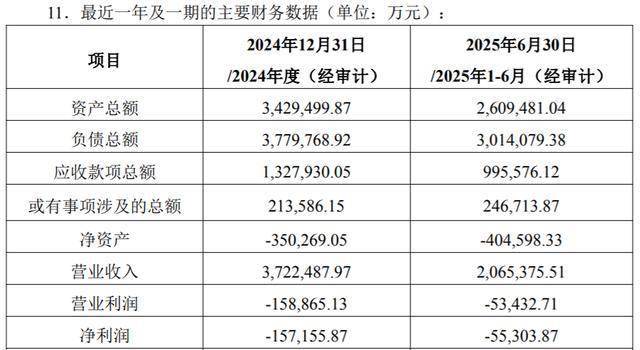
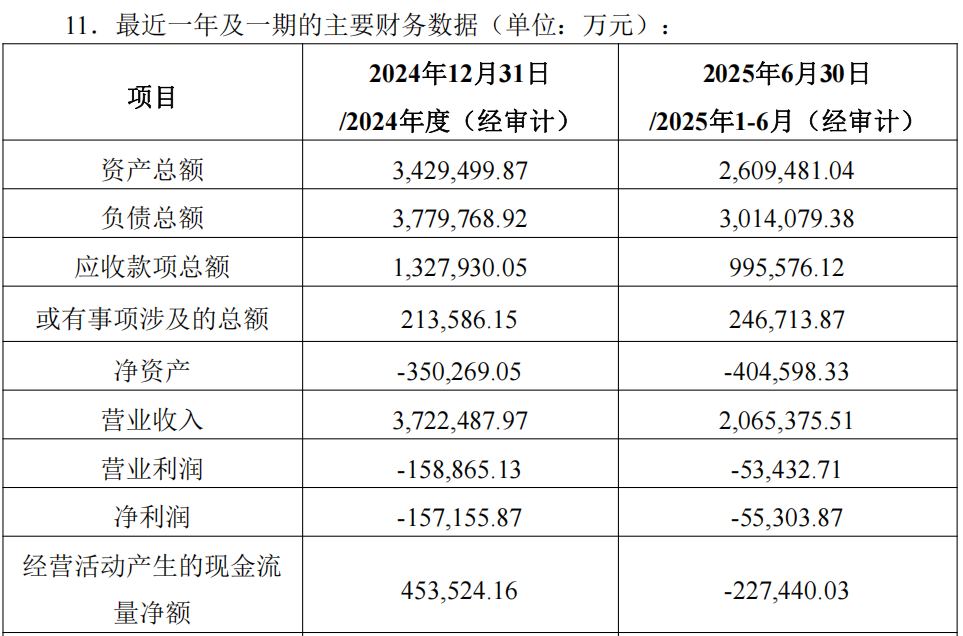
Core Viewpoint - Changan Automobile plans to raise approximately 6.122 billion yuan through a capital increase in its subsidiary, Deep Blue Automotive Technology Co., Ltd, to strengthen its position in the new energy vehicle sector [1] Group 1: Capital Increase and Shareholding - Changan Automobile intends to invest up to 3.122 billion yuan in the capital increase, with an intangible asset valuation of 1.043 billion yuan [1] - After the capital increase, Changan Automobile will maintain a 50.9959% stake in Deep Blue Automotive, ensuring it remains a controlling subsidiary [1] Group 2: Company Background and Development - Deep Blue Automotive was established in May 2018, with a registered capital of 328 million yuan, and is a key player in Changan Automobile's new energy strategy [1] - The company has undergone several rounds of financing and restructuring, with its registered capital increasing to 328.1083 million yuan by March 2022 [2] Group 3: Financial Performance - For the first half of 2025, Deep Blue Automotive reported an operating income of 20.654 billion yuan and a net loss of 553 million yuan [3] - As of June 30, 2025, the total assets of Deep Blue Automotive were approximately 26.094 billion yuan, with total liabilities of about 30.141 billion yuan [3]

加码深蓝!长安汽车,大动作
Zhong Guo Ji Jin Bao· 2025-12-12 16:13
Core Viewpoint - Changan Automobile plans to participate in a capital increase for Deep Blue Automotive, aiming to raise approximately 6.122 billion yuan, with Changan's contribution not exceeding 3.122 billion yuan [1][2]. Group 1: Capital Increase Details - Deep Blue Automotive intends to raise around 6.122 billion yuan through public and private placements [2]. - Changan will participate in the capital increase via intangible assets and its own funds, with an intangible asset valuation of 1.043 billion yuan and the remainder in cash [2]. - Post-capital increase, Changan aims to maintain a controlling stake of 50.9959% in Deep Blue Automotive [2][3]. Group 2: Financial Performance and Valuation - Deep Blue Automotive is projected to incur losses of 1.572 billion yuan and 553 million yuan for the years 2024 and the first half of 2025, respectively [4]. - As of December 31, 2024, and June 30, 2025, Deep Blue's net assets are expected to be -3.503 billion yuan and -4.046 billion yuan [4]. - Despite financial challenges, Deep Blue's valuation has significantly increased to 14.551 billion yuan, reflecting a valuation increase of 17.928 billion yuan, with a growth rate of 530.83% [5].
永达汽车(03669)新能源战略成效显著,中期销量增49%、维修保养收入涨75.8%
智通财经网· 2025-08-26 10:46
Core Viewpoint - Yongda Automobile (03669) reported a mid-term revenue of 27.072 billion yuan, maintaining profitability after accounting for asset impairment, with the new energy business emerging as a highlight [1] Group 1: Financial Performance - The company achieved a revenue of 27.072 billion yuan during the reporting period [1] - The new energy business significantly contributed to profitability, with independent new energy brand sales reaching 10,312 units, a year-on-year increase of 49.0% [1] - Revenue from new energy maintenance and repair surged by 75.8% to 216 million yuan [1] Group 2: Strategic Initiatives - The company is actively optimizing its luxury car brand network layout, focusing on high-quality stores in core regions to enhance single-store operational quality and overall profitability [1] - By the first half of 2025, the company plans to add 30 new energy brand authorizations and 7 new outlets [1] - The independent new energy after-sales management customer base grew to 72,300, an increase of 25.9% compared to the end of 2024 [1] Group 3: Growth Outlook - The ongoing implementation of the new energy strategy is steadily becoming the core engine of the company's second growth curve [1]
北汽蓝谷业绩说明会:多措并举,提升经营质量
Bei Jing Wan Bao· 2025-05-30 09:28
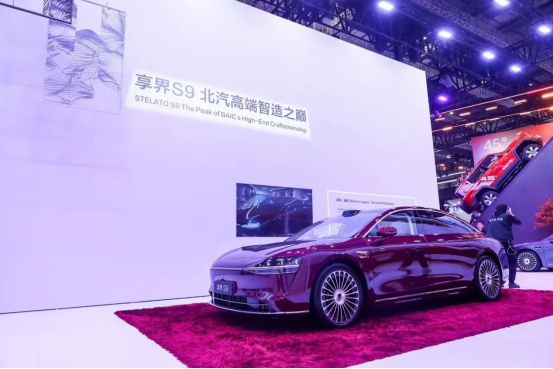
Core Viewpoint - The company is committed to enhancing its high-end electric vehicle brand, Xiangjie, in collaboration with Huawei, aiming to establish a strong presence in the luxury electric vehicle market [1][3]. Group 1: Brand Development and Strategy - Xiangjie is a high-end luxury brand co-developed with Huawei, with the first model, Xiangjie S9, set to launch in August 2024, targeting a price point around 300,000 yuan [1]. - The company has established a dedicated Xiangjie division to prioritize brand development and has adopted a "dual brand, dual model" strategy focusing on both Xiangjie and Jihu [3]. - Leadership from both BAIC Group and BAIC Blue Valley is actively involved in promoting the Xiangjie brand through various marketing events and product launches [3]. Group 2: Resource and R&D Investment - Significant resources have been allocated to ensure high manufacturing standards, with partnerships with Magna and Mercedes-Benz to enhance product quality and delivery capabilities [3]. - The company is prioritizing R&D for the Xiangjie brand, with over 1,200 engineers dedicated monthly to support development efforts in collaboration with Huawei [3][5]. Group 3: Sales and Market Expansion - The company plans to establish numerous Xiangjie user centers in first to third-tier cities by the end of the year to enhance market penetration [4]. - The sales strategy includes increasing the sales ratio of Xiangjie vehicles from 1:10 to approximately 1:3 compared to Jihu, alongside efforts to boost international sales [6]. Group 4: Financial Performance and Future Plans - In 2024, the company expects to achieve a revenue of 14.512 billion yuan, reflecting a year-on-year growth of 1.35%, while Q1 2024 revenue reached 3.773 billion yuan, up 150.75% [5][9]. - The company has outlined a three-year plan (2025-2027) focusing on sales volume, product mix optimization, cost reduction, and overall profitability improvement [5][6]. - Initial results from these strategies show a 151% increase in revenue in Q1, with an average selling price increase of 9,000 yuan and a 4.1 percentage point improvement in gross margin [9].