
旅游消费新趋势

Search documents
京东旅行春节消费趋势:“连住式度假”订单显著提升超3成,旅游消费趋向深度松弛
Zhong Jin Zai Xian· 2026-01-28 09:00
Group 1 - The core viewpoint of the article highlights the shift in consumer travel planning towards a more structured and experience-oriented approach, with a focus on "certainty" in travel arrangements as the Spring Festival approaches [1][3] - Data from JD Travel indicates a significant increase of over 40% in users booking their trips more than 7 days in advance compared to the same period last year, reflecting a trend towards early planning and decision-making [2] - The choice of travel destinations is becoming more diverse, with second-tier cities like Xiamen, Kunming, and Fuzhou gaining popularity, indicating a shift from traditional hotspots to unique and cost-effective "new classic" destinations [2] Group 2 - JD Travel has launched a Spring Festival promotion featuring substantial discounts, including limited-time coupons worth 666 yuan and 999 yuan for flights and hotels, aimed at reducing travel costs for consumers [3] - The company has introduced three major guarantees focused on "no bundling, transparent cancellation and modification, and genuine vouchers" to address common service pain points in the industry, enhancing consumer confidence in the booking process [3] - The travel consumption landscape is transitioning from a rebound phase to one driven by rational decision-making and deep experiences, emphasizing the importance of transparency and reliability in meeting complex consumer demands [3]

这个假期你属于哪一派?
Xin Hua Wang· 2026-01-04 09:42
Core Insights - The tourism market in China is experiencing a significant surge during the 2026 New Year holiday, with a 20.3% year-on-year increase in cross-regional travel, totaling 207.475 million trips on January 1 [1][3]. Group 1: Travel Trends - The demand for "leave-selling travel" and "holiday-packing travel" is notably increasing, with 90% of travel products already booked for the New Year holiday [6]. - The primary demographic for these travel trends is the younger generation aged 25-35, indicating a shift towards a younger traveler base [6]. - There is a 40% increase in inquiries and bookings for corporate team-building travel, with group sizes typically ranging from 30 to 50 people [6]. Group 2: New Year Celebrations - The desire for a celebratory experience during the New Year is driving tourism, with many young people attending concerts and events to mark the occasion [7][9]. - Cities like Guangzhou, Chongqing, Beijing, and Chengdu are seeing a rise in flight bookings for New Year celebrations, with hotel bookings in Nanning increasing by 17 times due to special events [9]. Group 3: Seasonal Tourism - The trend of "ice and snow tourism" is gaining traction, with traditional winter destinations like Harbin seeing a 300% increase in popularity on travel platforms [10][12]. - Southern tourists are traveling north for winter experiences, while northern tourists are heading south to escape the cold, highlighting a diverse travel pattern [10][12]. Group 4: Duty-Free Shopping - Duty-free shopping is becoming a major attraction for tourists in Hainan, with significant increases in flight bookings to Haikou and Sanya, up 81% and 96% respectively [14]. - The appeal of relaxing beach vacations combined with shopping is driving demand for these destinations [14]. Group 5: Future Expectations - The tourism market is expected to continue its upward trend, especially with the upcoming long Spring Festival holiday, which is anticipated to attract more international tourists [15].

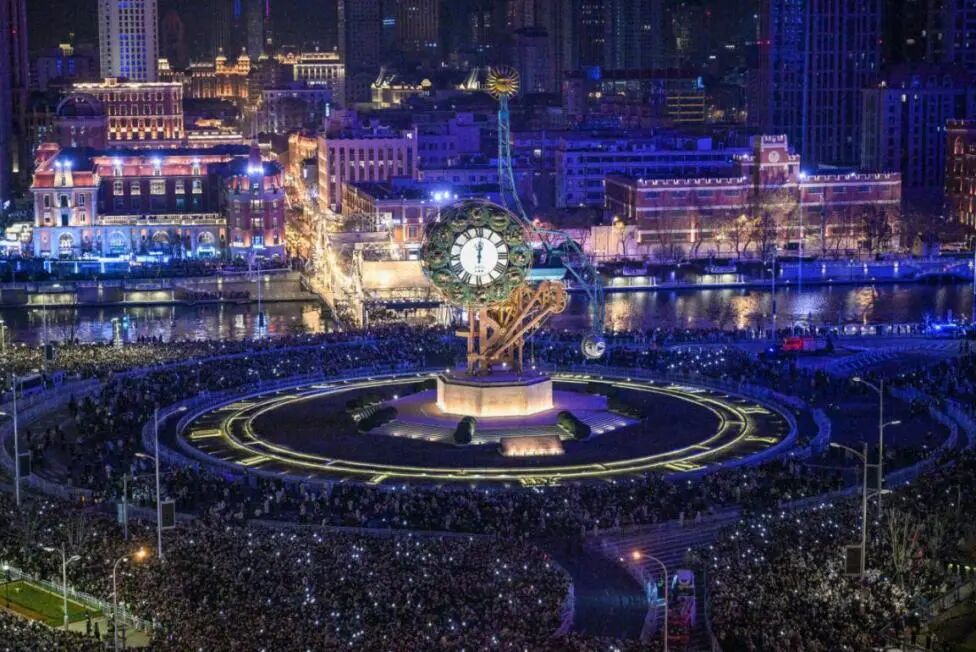
“跨年仪式感”带火元旦旅游,出境游半径再扩大
2 1 Shi Ji Jing Ji Bao Dao· 2025-12-25 12:46
Group 1: Travel Market Trends - The domestic flight ticket bookings for the New Year's holiday have exceeded 2.71 million, a year-on-year increase of approximately 35% [1] - International flight ticket bookings have surpassed 330,000, with a year-on-year growth of about 7% [1] - The trend shows that young consumers are increasingly willing to spend on experiential travel, emphasizing emotional value and social experiences [2] Group 2: Popular Destinations and Activities - Popular destinations include ice and snow locations like Harbin and Changchun, with ticket prices for flights to Harbin increasing over 100% compared to early December [4] - The demand for cultural experiences and traditional activities, such as temple blessings, is also rising, with significant increases in bookings for related accommodations [3] - The trend of attending concerts for New Year's celebrations is gaining popularity, with cities hosting such events seeing a notable increase in hotel and flight bookings [2] Group 3: International Travel Insights - Young travelers are utilizing vacation days to extend their New Year's holiday into longer trips, with destinations like Argentina and Portugal seeing booking increases of over 400% [6] - Short-haul international destinations such as South Korea and Vietnam are particularly popular due to lower ticket prices, with flight bookings to Seoul increasing by 3.3 times year-on-year [7] - The upcoming Spring Festival is expected to further boost travel demand, with hotel bookings for popular destinations already showing over 100% growth compared to last year [7]
落实扩大内需战略 大力提振旅游消费
Xin Lang Cai Jing· 2025-12-22 23:27
Core Viewpoint - The article emphasizes the importance of boosting tourism consumption as a key strategy for economic recovery and growth during the 14th Five-Year Plan period, highlighting new trends in tourism consumption that are becoming more popular and diverse [1]. Group 1: Trends in Tourism Consumption - Tourism consumption is becoming more popular among the general public, with increased participation from diverse age groups, including youth and seniors, contributing significantly to the growth of domestic tourism [2]. - The way people consume tourism is becoming more integrated into daily life, facilitated by advancements in transportation and technology, allowing for spontaneous travel experiences [2]. - The spaces where tourism consumption occurs are diversifying, moving beyond traditional attractions to include various engaging scenarios that resonate with consumers' emotions and interests [3]. - The content of tourism experiences is becoming more varied, with a shift towards deeper, more meaningful experiences that reflect cultural and personal growth, such as green tourism and cultural tourism [3]. Group 2: Economic Impact and Data - In the first three quarters of the year, domestic residents made 4.998 billion trips, spending 4.85 trillion yuan, representing year-on-year growth of 18% and 11.5% respectively, indicating tourism consumption's role as a critical driver for economic recovery [4]. - The retail sales of services in China grew by 5.4% year-on-year, with cultural and recreational services seeing growth rates exceeding 10%, further underscoring the significance of tourism consumption in the broader economy [4]. Group 3: Strategic Recommendations - The industry should focus on guiding and analyzing tourism consumption expectations to enhance consumer confidence and meet the demand for high-quality tourism products and services [5]. - There is a need for in-depth research on tourism consumption demand, utilizing technology and data analysis to understand the needs of various consumer groups, including seniors and families [6]. - Expanding and improving the quality of tourism supply is essential, requiring innovation in new products and services while also enhancing existing offerings to attract consumers [6]. - Optimizing the tourism consumption environment is crucial, necessitating a balance between market forces and government support to protect consumer rights and enhance the overall tourism experience [7].