
日本水产品出口市场替代

Search documents
失去中国市场后,日本水产品找不到替补
Di Yi Cai Jing· 2025-11-20 07:35
Core Viewpoint - China has suspended imports of Japanese seafood due to Japan's failure to provide promised technical materials regarding product safety, exacerbated by political tensions and public outrage in China following Japan's controversial statements on Taiwan [2][3]. Group 1: Impact on Japanese Seafood Exports - Japan's seafood exports to China have drastically declined, with the export value dropping from 871 billion yen (approximately 43 billion RMB) in 2022 to 320 billion yen in 2023, marking the largest decline since 1998 [3]. - The export of key seafood products such as crabs, salmon, and bonito has seen significant reductions, with declines of 90%, 88%, and 77% respectively [3]. - In 2024, the export value of Japanese seafood to China is projected to fall to approximately 61 billion yen, representing a decline of over 90% compared to 2022 [3]. Group 2: Market Diversification Efforts - Following the loss of its largest export market, Japan is actively seeking new markets in regions such as the U.S., Mexico, the Middle East, and Eastern Europe, as well as Southeast Asian countries like Thailand and Vietnam [4]. - Despite these efforts, the overall export of Japanese seafood is expected to decline by about 7.5% in 2024, from 3,901 billion yen in 2023 to approximately 3,609 billion yen [4]. Group 3: Challenges to Future Growth - The Japanese government had previously set ambitious export targets of 2 trillion yen by 2025 and 5 trillion yen by 2030 for the agricultural and seafood sectors, but these goals are now under significant threat [5]. - The imposition of a 15% tariff by the Trump administration on Japanese seafood has further complicated the situation, leading potential international buyers to reconsider their purchasing plans and seek alternatives from countries with lower or no tariffs [5].

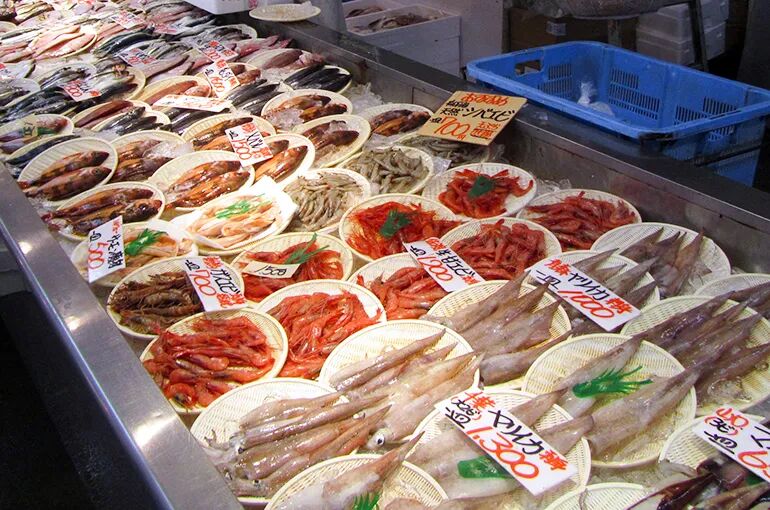
失去中国市场后,日本水产品找不到替补
第一财经· 2025-11-20 06:48
Core Viewpoint - The article discusses the significant decline in Japan's agricultural and fishery product exports to China, primarily due to the suspension of Japanese seafood imports by China following the Fukushima nuclear wastewater discharge, which has led to a loss of the largest export market for Japan's seafood products [3][4]. Group 1: Export Data and Trends - In 2022, Japan's agricultural and fishery product export value reached 1.4 trillion yen (approximately 73.5 billion yuan), with China contributing significantly, showing a growth of 25.2% to 278.3 billion yen [4]. - The export value of Japanese seafood to China was approximately 87.1 billion yen (around 4.3 billion yuan) in 2022, accounting for about 22% of Japan's total seafood exports [4]. - Following the Fukushima incident on August 24, 2023, Japan's seafood exports to China plummeted from 87.1 billion yen to 32 billion yen, marking the largest decline since 1998, with a year-on-year drop of 57% in agricultural and fishery exports [4][5]. Group 2: Market Challenges and Responses - In 2024, Japan's agricultural and fishery product exports to China decreased by 29% to 168.1 billion yen, continuing the downward trend for the second consecutive year, with seafood exports dropping over 90% to approximately 6.1 billion yen [5]. - Japanese producers are seeking new markets in the U.S., Mexico, and other regions to compensate for the loss of the Chinese market, but the overall export decline persists [6]. - The Japanese government had set ambitious export targets of 2 trillion yen by 2025 and 5 trillion yen by 2030, but these goals are increasingly challenged by the inability to find alternative markets for seafood [7]. Group 3: Competitive Landscape - The seafood sector is the only category experiencing a decline in Japan's agricultural and fishery exports, despite overall growth in other categories [6]. - The imposition of a 15% tariff by the Trump administration on Japanese products has further complicated the situation, leading potential international buyers to reconsider their procurement strategies [7].

找不到有效替补市场,日本水产品有多依赖中国市场
Di Yi Cai Jing· 2025-11-20 05:13
Core Viewpoint - China has suspended imports of Japanese seafood due to Japan's failure to provide promised technical materials and the recent political tensions, significantly impacting Japan's seafood export market [1][2]. Group 1: Export Data and Trends - In 2022, Japan's agricultural and fishery product exports reached 1.4 trillion yen (approximately 73.5 billion yuan), with China being the largest market, contributing 278.3 billion yen, a 25.2% increase [2]. - Japanese seafood exports to China were approximately 87.1 billion yen (around 4.3 billion yuan) in 2022, accounting for about 22% of Japan's total seafood exports [2]. - Following the Fukushima nuclear wastewater discharge in August 2023, Japan's seafood exports to China plummeted from 87.1 billion yen to 32 billion yen in 2023, marking the largest decline since 1998 [2][3]. Group 2: Market Impact and Future Projections - In 2024, Japan's agricultural and fishery product exports to China are projected to decrease by 29% to 168.1 billion yen, continuing a downward trend for the second consecutive year [3]. - The export value of Japanese seafood to China is expected to drop to approximately 6.1 billion yen in 2024, a decline of over 90% compared to 2022 [3]. - Japan's seafood industry is struggling to find alternative markets to replace the lost Chinese market, with efforts to explore new buyers in regions like the U.S., Mexico, and Southeast Asia [4]. Group 3: Challenges and Government Goals - Japan's government aimed to increase agricultural and fishery product exports to 2 trillion yen by 2025 and 5 trillion yen by 2030, but these goals are now facing significant challenges [5]. - The imposition of a 15% tariff by the Trump administration has further complicated Japan's seafood export situation, leading potential buyers to reconsider their purchasing plans [5]. - The overall export value of Japanese seafood is projected to decline to approximately 360.9 billion yen in 2024, down 7.5% from 2023, indicating that the loss of the Chinese market has not been compensated by gains in other sectors [4].
找不到有效替补市场!日本水产品有多依赖中国市场?
Di Yi Cai Jing· 2025-11-20 04:39
Core Insights - Japan's seafood exports to China have drastically declined due to the suspension of imports following the Fukushima nuclear wastewater discharge, with exports dropping from 871 billion yen in 2022 to 320 billion yen in 2023, marking the largest decline since 1998 [3] - The Japanese government is struggling to find alternative markets to replace China, which was previously the largest market for Japanese agricultural and seafood products, contributing significantly to export growth [4][5] - The introduction of a 15% tariff by the Trump administration has further complicated Japan's seafood export situation, diminishing its competitive pricing in international markets [5][6] Export Performance - In 2022, Japan's agricultural and seafood exports reached 1.4 trillion yen, with China accounting for 278.3 billion yen, a 25.2% increase from the previous year [2] - The export value of Japanese seafood to China fell to approximately 61 billion yen in 2024, a decline of over 90% compared to 2022 [3] - The overall export value of Japanese seafood is projected to decrease by about 7.5% in 2024, from 3.901 trillion yen in 2023 to approximately 3.609 trillion yen [4] Market Challenges - Japan's seafood producers are actively seeking new markets in regions such as the U.S., Mexico, and Southeast Asia, but have yet to find reliable buyers to fill the gap left by China [4] - The Japanese government had set ambitious export targets of 2 trillion yen by 2025 and 5 trillion yen by 2030, but these goals are increasingly challenged by the loss of the Chinese market [5] - The competitive landscape for Japanese seafood is intensifying, with many international buyers reconsidering their procurement plans due to increased tariffs, leading them to seek alternatives from countries with lower or no tariffs [6]