
昆虫蛋白

Search documents
欧美强推的“人造肉”,彻底败退中国
3 6 Ke· 2025-12-21 07:45
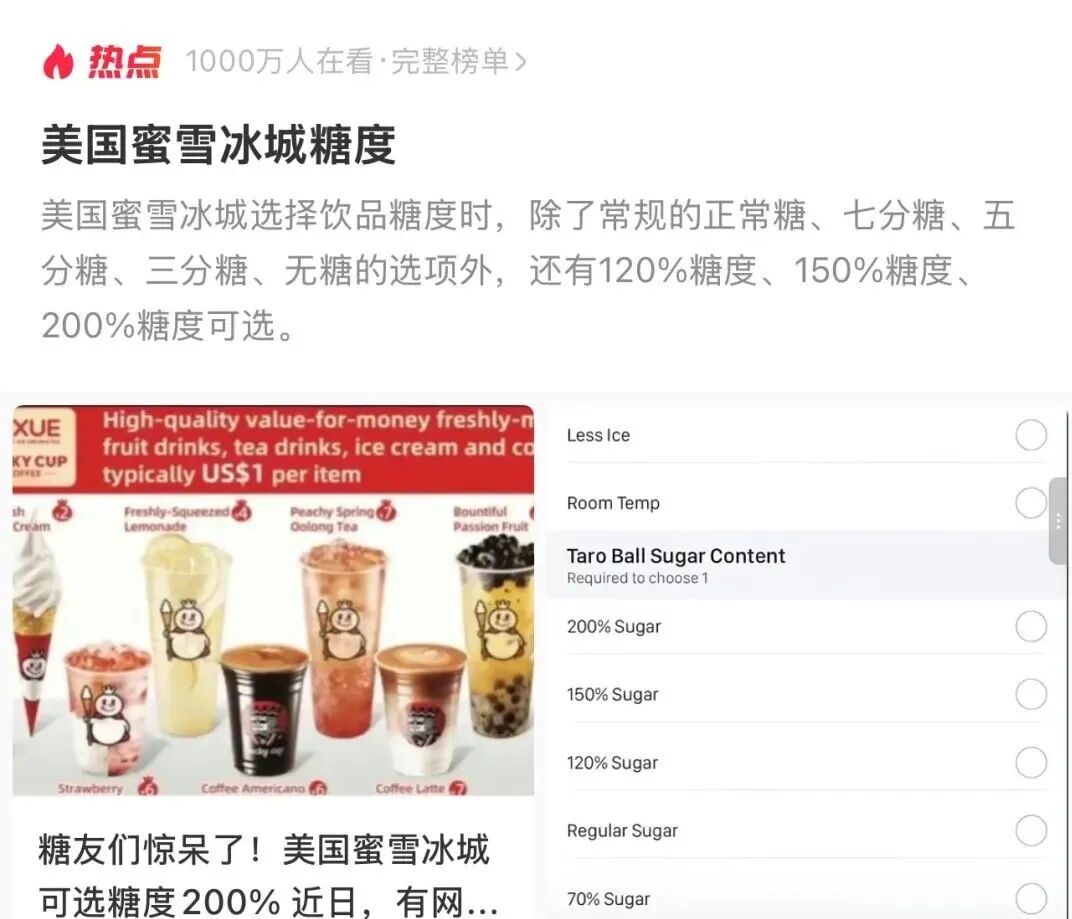
Core Viewpoint - The article discusses the contrasting fortunes of two companies in the food industry: the success of a sweet tea brand in the U.S. and the failure of the plant-based meat company Beyond Meat in China, highlighting the challenges faced by the plant-based meat sector in adapting to consumer preferences and market realities. Group 1: Success of Sweet Tea Brand - The sweet tea brand, known as "Snow King," has gained popularity in the U.S. by offering extremely sweet milk tea options, with sugar levels reaching 120%, 150%, and 200% [1][4] - This strategy has resonated with American youth, leading to viral challenges on social media platforms like TikTok [4] Group 2: Failure of Beyond Meat - Beyond Meat, once a star in the plant-based meat industry, has faced significant setbacks, including the closure of its flagship store in China and the shutdown of its factory in Jiaxing, Zhejiang [4][6] - The company's market value has plummeted from $20 billion to under $2 billion, reflecting a loss of over $10 billion in market capitalization [6] - Despite initial hype and celebrity endorsements, the company has struggled to gain traction in the Chinese market, with revenues declining from $419 million in 2022 to $326 million in 2024, resulting in cumulative losses of $864 million [27] Group 3: Challenges in the Plant-Based Meat Sector - The plant-based meat industry is experiencing a global downturn, with competitors like Impossible Foods also facing difficulties [28] - The high price and poor taste of plant-based meat products have been major barriers to consumer acceptance, with prices significantly higher than traditional meat [29][31] - A survey indicated that approximately 74% of Chinese consumers would not repurchase plant-based meat products, primarily due to concerns over price and taste [35] Group 4: Misalignment with Consumer Needs - The marketing strategies employed by plant-based meat companies, including environmental and health claims, have not resonated with Chinese consumers, leading to widespread rejection of the products [37][39] - The failure of Beyond Meat illustrates a disconnect between capital-driven innovation and actual consumer demand, emphasizing the need for food companies to align their offerings with consumer preferences for taste and affordability [45]

从俄罗斯到中国,Cosmopet宠物零食加速全球布局
Jiang Nan Shi Bao· 2025-08-05 03:06
Core Insights - Cosmopet is accelerating its global expansion in the pet food market, leveraging unique product advantages and adapting to regional consumer demands [1][2] - The brand, a collaboration between China and Russia, conducted thorough market research in China prior to entry, ensuring a strong foundation for its localized strategy [1] - The core ingredient, insect protein, offers high nutritional value and supports various aspects of pet health, including digestion and cardiovascular systems [1][2] Market Strategy - Cosmopet's innovative use of insect protein instead of traditional meat protein aligns with the digestive needs of pets, enhancing nutrient absorption and reducing metabolic burden [2] - The pet food market in China is experiencing robust growth, and Cosmopet's localization efforts meet the industry's demand for nutritional innovation and sustainable food options [2] - The brand has received multiple international certifications, such as IFS, FDA, MSC, and BRCGS, facilitating market entry and compliance across different regions [2] Global Expansion - Cosmopet's global strategy is progressing steadily, with plans to expand from Russia to China and potentially other markets in the future [2] - This expansion not only enhances the brand's international influence but also provides high-quality nutritional options for pets in various regions [2]
小虫子撬动的新质生产力:黑水虻“吃”出千亿市场——专访茵塞普科技创始人余广滔
证券时报· 2025-05-29 12:10
Core Viewpoint - The article emphasizes the innovative spirit of young entrepreneurs who leverage unconventional thinking to address market needs and create sustainable solutions, particularly in the context of environmental challenges and food security [1]. Company Overview - Insep Technology, founded by Yu Guangtao, focuses on transforming black soldier fly larvae into high-protein feed, addressing both waste management and protein shortages in the feed industry [2][5]. Market Potential - The black soldier fly larvae can process organic waste, including kitchen waste and brewery byproducts, converting it into valuable protein sources for livestock and even human consumption, tapping into a potential market worth billions [7][8]. Environmental Impact - The technology developed by Insep Technology allows for the resourceful utilization of kitchen waste, which is projected to reach 2.25 million tons in Shenzhen by 2024, thus contributing to a significant reduction in ecological pollution [8]. Financial Performance - Insep Technology's insect protein sales have reached tens of millions of RMB annually, with a growth rate exceeding 50%, indicating strong market demand and business viability [7]. Innovation and Technology - The company employs a comprehensive production chain that integrates biological technology, industrial automation, and artificial intelligence to optimize the conversion of organic waste into insect protein [14]. Entrepreneurial Journey - Yu Guangtao's entrepreneurial path includes overcoming initial failures and securing funding through strategic partnerships and investments, which have enabled the company to advance its technology and scale operations [17][18]. Future Outlook - The founder believes that insect protein will increasingly become a staple in pet food and potentially human diets, reflecting a shift towards sustainable protein sources [11].

小虫子撬动的新质生产力:黑水虻“吃”出千亿市场——专访茵塞普科技创始人余广滔
Zheng Quan Shi Bao Wang· 2025-05-29 11:26
Core Viewpoint - The article highlights the innovative approach of Insep Technology, led by founder Yu Guangtao, in utilizing black soldier fly larvae to address environmental issues and food protein shortages, thereby tapping into a multi-billion market opportunity in the sustainable protein sector [1][2][3]. Company Overview - Insep Technology is focused on transforming organic waste into high-protein feed using black soldier fly larvae, which can consume various organic materials, including kitchen waste and brewery byproducts [3][4]. - The company has achieved annual sales in the tens of millions of RMB, with over 50% growth, primarily from insect protein for animal feed, and is developing food-grade protein products [3][4]. Market Potential - The black soldier fly larvae can process significant amounts of organic waste, with one kilogram of larvae capable of consuming 15 tons of kitchen waste in 10 days, producing 2-3 tons of marketable larvae and 5 tons of organic fertilizer [4]. - The potential market for this technology is estimated to be in the hundreds of billions, especially as urban areas like Shenzhen push for comprehensive waste management solutions [4]. Environmental Impact - The technology not only addresses waste management but also contributes to reducing reliance on imported protein sources, as 80% of China's feed protein is currently imported [4][8]. - By converting organic waste into high-value protein, the company aims to mitigate ecological pollution while providing a sustainable alternative to traditional feed sources [4][8]. Innovation and Technology - Insep Technology employs a comprehensive production chain that integrates biotechnology, automation, and artificial intelligence to optimize the conversion of organic waste into insect protein [7][8]. - The company operates a modular, fully automated facility in Shenzhen, designed to minimize environmental impact [7]. Challenges and Solutions - The founder faced significant challenges in the early stages, including funding shortages and technical hurdles, which were addressed through strategic partnerships and financing [8][9]. - The company has successfully navigated the complexities of aligning personal interests with market demands, emphasizing the importance of solving real market pain points [9].